
USA Real-Time Air Quality Map
Air quality index (AQI⁺) and PM2.5 air pollution in the USA •


Get Alerts For Unhealthy AQI In Your Area
When air quality in your area reaches unhealthy levels, we'll send you a quick alert, along with expert tips on how to reduce your exposure.
Live Air Quality Ratings in the USA
Live Most Polluted City Ranking
Real-time most polluted cities in the USA
Live Cleanest City Ranking
Real-time cleanest cities in the USA
What's the Right Filter for Your AQI Level?


AQI FAQs
What is AQI?
AQI stands for Air Quality Index, the EPA's scale for reporting daily air quality. It runs from 0 to 500. The higher the number, the greater the level of air pollution. Values at or below 100 are generally considered satisfactory; values above 100 mean air quality is unhealthy, first for sensitive groups, then for everyone as numbers climb.
What does AQI measure?
The AQI tracks five major pollutants regulated by the Clean Air Act: ground-level ozone, particle pollution (PM2.5 and PM10), carbon monoxide, sulfur dioxide, and nitrogen dioxide. The reported AQI value reflects whichever pollutant is highest at that time — most often ozone or fine particles (PM2.5).
How is AQI calculated?
Monitoring stations measure pollutant concentrations, and the EPA converts each into a standardized 0–500 score using set breakpoints. Each pollutant gets its own sub-index, and the highest sub-index becomes the reported AQI. That's why a single number can represent different pollutants on different days.
What is a good AQI?
An AQI of 0–50 is rated "Good" — air quality poses little or no risk. 51–100 is "Moderate," acceptable for most people though unusually sensitive individuals may want to limit prolonged outdoor exertion. Anything at or below 100 is generally considered satisfactory air quality.
What does an AQI of 100 (or 150) mean?
100 is the dividing line: at or below it, air quality is satisfactory for the general public. From 101–150, air is "Unhealthy for Sensitive Groups" — people with respiratory conditions, older adults, and children. From 151–200, it's "Unhealthy" and everyone may begin to feel effects.
Why is the AQI bad today?
Short-term AQI spikes usually come from wildfire smoke, temperature inversions that trap pollutants near the ground, high-ozone weather (hot, sunny, stagnant days), or heavy traffic and industrial activity. Check a real-time source like the map on this page to see which pollutant is driving today's reading in your area.
What AQI is bad for running or exercise?
Many runners follow the EPA category lines: below 50, no adjustment needed; 51–100, unusually sensitive people may shorten intense workouts; above 100, sensitive groups are advised to reduce prolonged or heavy outdoor exertion; above 150, that advice extends to everyone. Exercise increases how much air you breathe in, which is why thresholds matter more during workouts.
What AQI is safe to open windows?
A common rule of thumb is to keep windows open when the AQI is under 100 and close them when it climbs above, especially during wildfire smoke events when fine particles are elevated. When windows are closed, running your HVAC system with a fresh filter helps capture particles circulating indoors.
Should I wear a mask based on AQI?
Public health agencies generally suggest considering a well-fitted N95-style respirator outdoors when the AQI exceeds 150, particularly during smoke events. Cloth and surgical masks don't filter fine particles effectively. Follow guidance from your local health department, which may adjust recommendations during severe episodes.
Check Real-Time Air Quality in Your State
Select your state below to view its live air quality index (AQI) map, current pollutant readings, and indoor air recommendations.
- Alabama
- Alaska — coming soon
- Arizona
- Arkansas
- California
- Colorado
- Connecticut
- Delaware — coming soon
- Florida
- Georgia
- Hawaii
- Idaho — coming soon
- Illinois
- Indiana
- Iowa — coming soon
- Kansas
- Kentucky
- Louisiana
- Maine — coming soon
- Maryland
- Massachusetts
- Michigan
- Minnesota
- Mississippi
- Missouri
- Montana
- Nebraska
- Nevada
- New Hampshire — coming soon
- New Jersey
- New Mexico
- New York
- North Carolina
- North Dakota — coming soon
- Ohio
- Oklahoma
- Oregon
- Pennsylvania
- Rhode Island
- South Carolina — coming soon
- South Dakota
- Tennessee
- Texas
- Utah
- Vermont — coming soon
- Virginia
- Washington
- West Virginia — coming soon
- Wisconsin
- Wyoming — coming soon
Also available: Washington, D.C.
When the AQI Climbs
Upgrade to MERV 13 Before Bad Air Days Hit
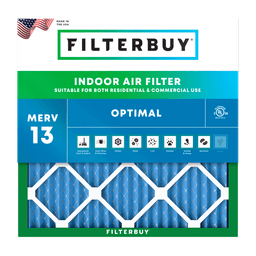
When outdoor air quality drops into the orange, red, or purple AQI ranges, fine particles like PM2.5 from smoke, traffic, and industrial pollution can make their way indoors. The EPA recommends upgrading to a MERV 13 filter — or the highest MERV rating your HVAC system can accommodate — to help capture these fine particles as air circulates through your system.
MERV 13 filters are rated to capture airborne particles as small as 0.3–1.0 microns, the same size range as wildfire smoke and other AQI-driving pollutants — so your whole home can breathe easy while conditions outside improve.
Shop MERV 13 Air FiltersNot sure your system can handle MERV 13? Check your HVAC manufacturer's guidance, or replace filters more frequently during high-AQI events to maintain airflow.
More Information About AQI USA
Live Air Quality Index (AQI) Map in USA Today
Check today’s air quality for any U.S. city with our live Air Quality Index (AQI) map. See current conditions, understand what AQI numbers mean, and learn what to do when the air is unhealthy.
Key Takeaways
Use the live AQI map to check today’s air and recheck after weather or wind changes.
Close windows and doors and run HVAC on “recirculate” on smoky days.
Pick the right MERV: 8 for basics, 11 for pets/allergies, 13 for smoke if your system allows it.
Keep a HEPA purifier running in one room for cleaner air.
Inspect filters after bad air days and replace early if they look dark or airflow drops.
What Is The Air Quality Index (AQI)?
AQI is a scale that shows how clean or polluted the air is right now. It focuses on health impact. The higher the number, the greater the concern.
AQI Levels At A Glance
AQI is a number that tells you how clean or polluted the air is right now and how it may affect health. Lower numbers are better.
0–50 is good
51–100 is moderate
101–150 is unhealthy for sensitive groups
151–200 is unhealthy for most people
201–300 is very unhealthy
301+ is hazardous
Live USA Air Quality Map
Use the live air quality index AQI map to track real-time conditions across the United States.
How to use it
Search by city or ZIP code to see local AQI now.
Click a location to view current AQI, pollutant details, and recent changes.
Compare nearby cities to plan errands, workouts, and travel.
Refresh during the day if wind, smoke, or weather changes.
Tip: If you have kids’ sports or outdoor work, check the current air quality index AQI map in the morning and again later if the sky looks hazy.
Why Air Quality Matters for Your Health and Home
Poor air can irritate eyes, throat, and lungs and can worsen asthma and heart or lung conditions. Even with windows closed, some outdoor pollution can get indoors, so simple steps at home still help on bad-air days. Children, older adults, people with asthma or heart or lung disease, and anyone who works or exercises outside may feel effects sooner.
Tips for Protecting Yourself on Poor Air Quality Days
Outdoors
Limit strenuous activity when AQI is over 100.
Reschedule workouts for cleaner hours.
If you must be outside in heavier smoke or high PM2.5, use a well-fitting N95.
Indoors
Keep windows and doors closed and set HVAC to recirculate.
Use a snug, high-quality filter and replace on schedule.
Run a True HEPA purifier in one room.
Cut indoor sources: limit candles, incense, and long cooking vents.
Quick checklist
Check today’s air quality index AQI map before outdoor plans.
Close the home and run HVAC on recirculate.
Use the highest MERV your system can handle without hurting airflow.
Keep one room cleaner with a HEPA purifier.
Recheck the map after wind or weather shifts.
Choose The Right MERV For Today’s Air
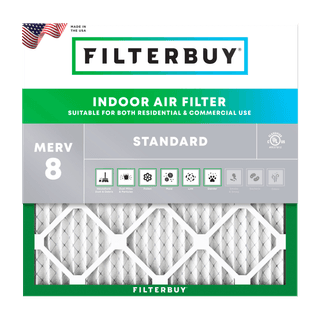
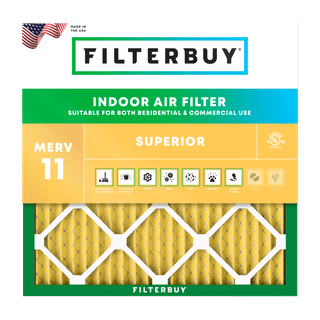
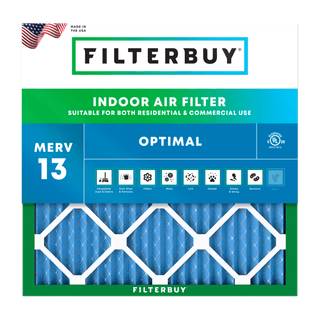
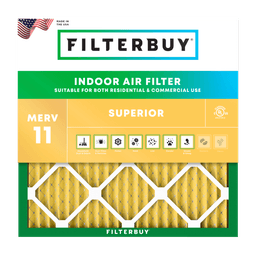
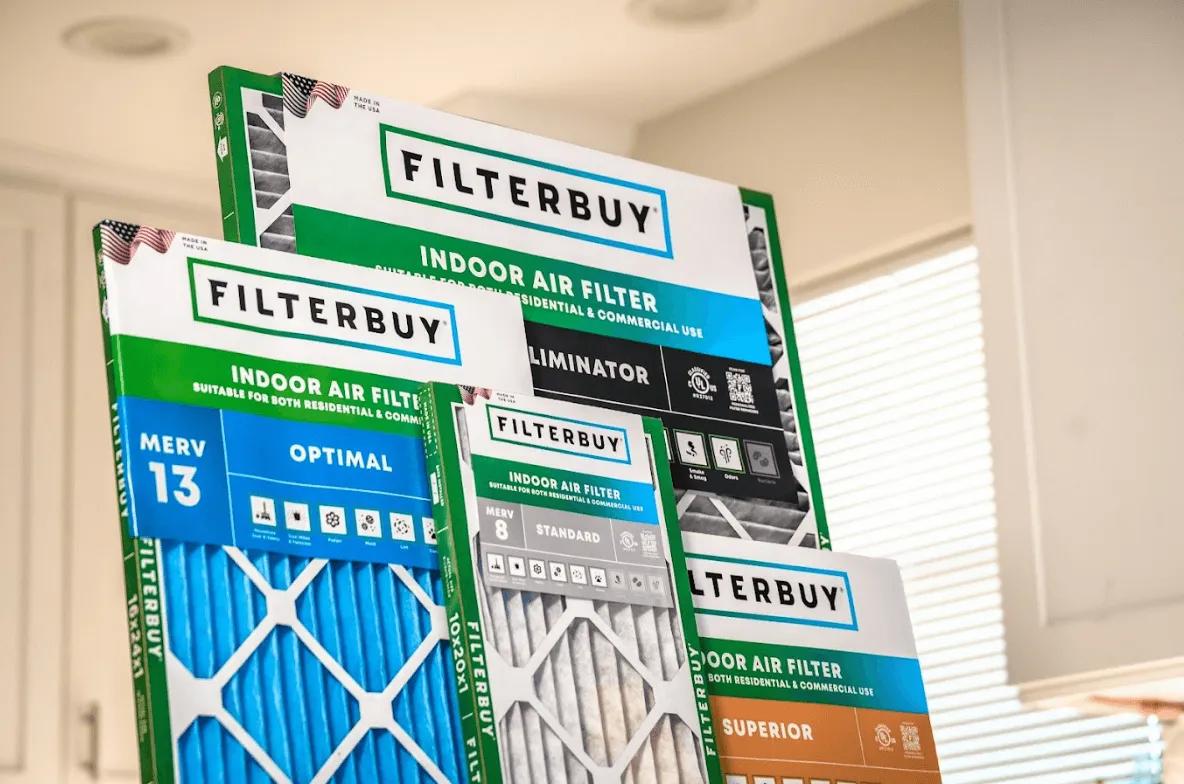
Use a filter that fits tightly and matches your air needs. Filterbuy makes pleated HVAC filters in MERV 8, MERV 11, and MERV 13, in standard and custom sizes, made in the USA with fast, free U.S. shipping. Turn on Auto Delivery so a clean filter is ready when AQI rises.
MERV 8: Everyday dust, lint, basic household particles. Good for homes without pets or allergy concerns; lowest airflow resistance for older systems.
MERV 11: Smaller particles from pets and common allergens. Good balance of capture and airflow for most homes; a solid step-up for families and light allergies.
MERV 13: Finer particles including smoke and smaller allergens. Use during poor AQI or wildfire smoke only if your system maintains normal airflow and comfort. Keep a spare on hand since smoke can load filters faster.
Air quality can shift quickly. Check the live AQI map and keep the filters you need on hand.
Frequently Asked Questions
What is AQI?
A single number that shows current air quality and expected health impact. Lower is better.
How often does the map update?
Data refreshes throughout the day. Check again if wind or weather changes.
Which pollutants are shown?
Typically PM2.5, ozone, and sometimes PM10 and other pollutants, depending on the local monitor.
What AQI level should change my plans?
At 101 or higher, limit outdoor exertion. Sensitive groups should move activity indoors.
Why does AQI differ across nearby cities?
Local sources, wind, terrain, and temperature can vary block to block, which changes readings.
Can outdoor AQI affect indoor air?
Yes. Outdoor air can leak indoors through windows, doors, and small gaps. Use recirculate and a good filter.
Do cloth masks help with smoke?
Cloth and loose surgical masks do not filter fine smoke well. Use a well-fitting N95 for heavy smoke.
How should I use HVAC during poor AQI?
Close windows and set HVAC to recirculate. Check the filter and replace if airflow drops.
Which MERV should I choose?
MERV 8 for everyday dust, MERV 11 for homes with pets or mild allergies, MERV 13 during smoke if your system maintains normal airflow.
Where can I get the right filter size?
Filterbuy offers pleated filters in MERV 8, 11, and 13 in standard and custom sizes with free U.S. shipping and Auto Delivery to stay on schedule.