
14x24x2 Air Filters
Actual Size: 13.5x23.5x1.75

3 month filters
2. Select Quantity
Buying multiple sizes?


Made in the USA
Ships in 24 hours
14x24x2 Air Filters Air Filter Description
Available In MERV Rating: 8, 11, 13
Made in the USA
Ships in 24 hours
Merv comparison
Scroll to see more.
 MERV 8 |  MERV 11 |  MERV 13 | |
|---|---|---|---|
| Best for | Standard Residential/Commercial Healthy Families | Superior Residential/Commercial Allergy Sufferers | Optimal Residential/Commercial Hospital Grade |
| Comparable ratings | MPR 600 & FPR 5 | MPR 1000-1200 & FPR 7 | MPR 1500 - 1900 & FPR 10 |
| Filtration | Captures 90% of Airborne Particles | Captures 95% of Airborne Particles | Captures 98% of Airborne Particles |
| Dust, lint & debris | |||
| Mold, pollen | |||
| Dander, dust mites | |||
| Smoke & Smog | |||
| Bacteria | |||
| Odor, vocs |
Is it time to change your filter?
Generally, we recommend you replace your air filters every 90 days. Find out below if you should change your filters more often.

If someone in your home has asthma or allergies...
Change your filter every
6 weeks
to ensure indoor air quality is at its best.
If you have pets...
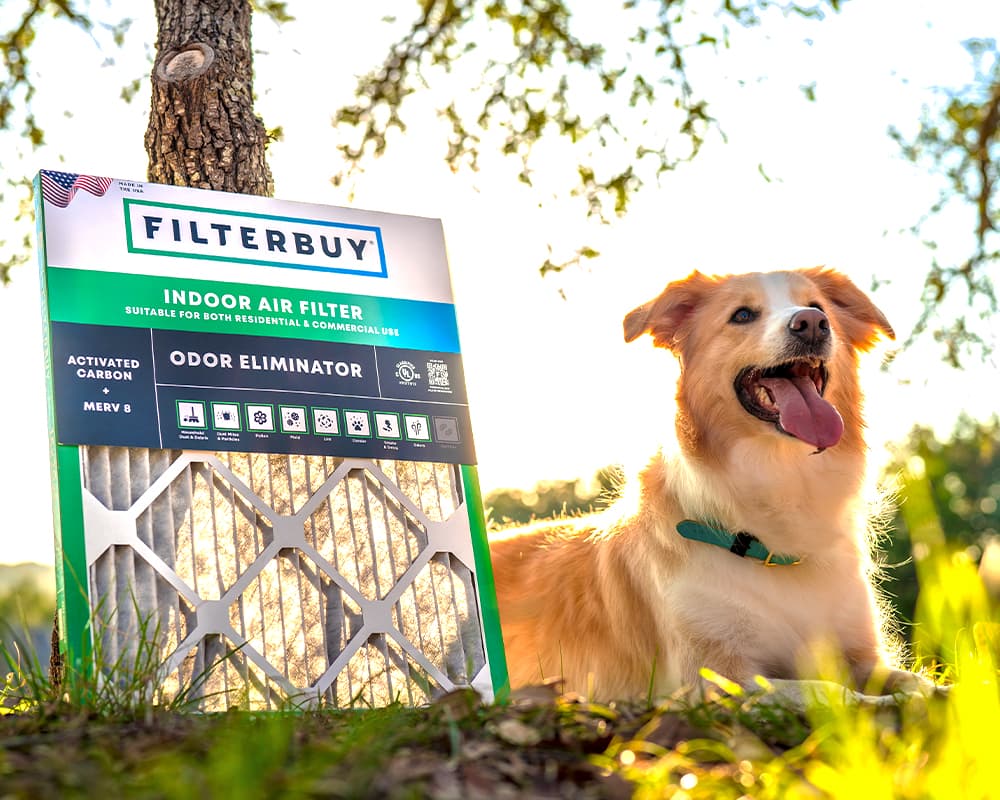
Change your filter every
2 months
to avoid shedding and odor buildup.

If you have young children...
Change your filter every
2-3 months
as having clean air is even more important with children in your home.
If someone in your home has asthma or allergies...
Change your filter every
6 weeks
to ensure indoor air quality is at its best.
If you have pets...
Change your filter every
2 months
to avoid shedding and odor buildup.
If you have young children...
Change your filter every
2-3 months
as having clean air is even more important with children in your home.
Need Allergy Relief? Best 14x24x2 Air Filter Near Me Guide | Find & Install the Right Filter for Pure, Healthy Indoor Air
From Allergy Sufferer to Clean Air Advocate: How the Right 14x24x2 Air Filter Changed Everything
For years, I struggled with sneezing fits, morning congestion, and itchy eyes, despite keeping my home spotless. I tried air purifiers, deep cleaning, and even medication—but nothing worked long-term. The real issue? My HVAC system was still circulating allergens because my air filter wasn’t doing its job.
After testing different options, I discovered that not all filters are created equal. A standard filter might block large debris, but it won’t trap the fine dust, pollen, and pet dander that trigger allergies. Upgrading to a MERV 13-rated 14x24x2 air filter made an immediate difference—I felt the change in just days.
In this guide, I’ll share exactly where to find the best air filters near you, how to choose the right one for maximum allergy relief, and a simple installation process based on real-world experience. If you’re tired of battling allergy symptoms at home, this is the guide I wish I had years ago—let’s get you breathing cleaner, healthier air today.
Top Takeaways: Key Insights in Seconds
✅ Not all filters work the same.
MERV 13 filters trap 85% of allergens like dust, pollen, and pet dander.
✅ Indoor air can be worse than outdoor air.
EPA reports indoor air pollution can be 2-5x higher than outdoor air.
✅ Upgrading your filter improves allergy relief.
A MERV 13-rated 14x24x2 filter removes more airborne allergens.
✅ Regular filter changes matter.
Replace your filter every 60-90 days for clean, fresh air.
✅ A simple swap = better health.
Less dust, fewer allergies, and fresher air in just days.
🚀 Make the switch today—breathe easier, live healthier!
Case Study: How a Simple Air Filter Swap Transformed Allergy Relief
The Problem: Persistent Allergy Symptoms
🤧 Morning congestion, itchy eyes, and sneezing—despite vacuuming, using air purifiers, and even taking medication.
🤔 Why? Standard air filters only trap large debris, not fine allergens like pollen, pet dander, and mold spores.
📢 EPA reports: Indoor air pollution can be 2-5x worse than outdoor air (epa.gov).
The Solution: Upgrading to a MERV 13-Rated 14x24x2 Filter
🔄 Switched from a basic filter to a high-efficiency MERV 13 filter.
📉 Results within 2 weeks:
✅ Less dust buildup on furniture.
✅ Reduced allergy symptoms—clearer breathing, fewer sneezing fits.
✅ Noticeably fresher indoor air.
Why It Works: Science & Real Experience
🔬 MERV 13 filters trap up to 85% of fine allergens that standard filters miss (cdc.gov).🏠 90% of time is spent indoors—air quality has a major impact on health (epa.gov). Cleaner air reduces allergy and asthma symptoms (Source).
Take Action: Breathe Cleaner, Healthier Air
1️⃣ Check your current filter’s MERV rating. If it’s below 11, it’s time for an upgrade.
2️⃣ . Install a MERV 13-rated 14x24x2 filter. It captures more allergens and improves air quality fast.
3️⃣ Replace your filter every 60-90 days. A clean filter = a healthier home.
🚀 The right filter makes all the difference. Upgrade today and feel the results!

"After years of waking up congested and relying on air purifiers that only did half the job, I finally realized the problem wasn’t what I was adding to my home—it was what I wasn’t filtering out. Switching to a MERV 13-rated 14x24x2 air filter wasn’t just a small upgrade; it was a game-changer for my allergies. Within two weeks, I noticed clearer breathing, less dust, and fresher air—all without needing extra allergy medications. If you’re still struggling with indoor allergens, don’t underestimate how much the right air filter can transform your home’s air quality."
The Science Behind Cleaner Air: Why Your Air Filter Matters
After years of battling allergies, I found that standard air filters don’t trap fine allergens—but a MERV 13-rated 14x24x2 filter does. Here’s why this upgrade makes a real difference:
📌 MERV 13 Filters Capture What Others Miss
Traps 50% of ultra-fine allergens (0.3–1.0 microns).
Captures 85% of particles (1.0–3.0 microns) like pollen, mold spores, and pet dander.
Why it matters: Standard filters only block large debris, allowing allergens to circulate.
Source: EPA
📌 Indoor Air is Often Worse Than Outdoor Air
Americans spend 90% of their time indoors.
EPA reports indoor pollutant levels can be higher than outside.
Why it matters: Without an effective filter, allergens stay trapped in your home.
Source: EPA
📌 Poor Air Quality = Long-Term Health Risks
Linked to respiratory diseases, heart disease, and cancer.
Asthma and allergy symptoms worsen with poor air filtration.
Why it matters: A better filter protects both short- and long-term health.
Source: EPA
🚀 What This Means for You
✅ Upgrading to a MERV 13-rated filter reduces allergens fast.
✅ Improved air quality = fewer allergy symptoms & better health.
✅ Simple change, big results—start breathing cleaner air today!
Final Thoughts: A Simple Fix for Better Air & Health
For years, I thought air purifiers and deep cleaning were enough. But I still woke up congested, sneezing, and dealing with itchy eyes. The real problem? My HVAC filter wasn’t stopping allergens from circulating.
Why This Matters
🔹 Most people overlook their air filter, but it’s the first line of defense against allergens.
🔹 Indoor air pollution can be worse than outdoor air—your home may be trapping allergens.
🔹 Research and real experience show a MERV 13-rated 14x24x2 filter makes a huge difference.
The Easiest Fix for Cleaner Air
✔ I upgraded to a MERV 13-rated filter.
✔ Within days, I noticed easier breathing, better sleep, and less dust.
✔ It’s a simple change with a big impact.
Take Control of Your Indoor Air
1️⃣ Check your current filter’s MERV rating. If it’s below 11, upgrade now.
2️⃣ Install a MERV 13-rated 14x24x2 filter. It traps allergens your old filter missed.
3️⃣ Replace it regularly. Every 60-90 days keeps your air fresh and clean.
🚀 Final Thought: Clean air isn’t a luxury—it’s a necessity. Make the switch today and feel the difference!
Next Steps: Upgrade Your Air Quality Today
Follow these simple steps to start breathing cleaner, healthier air:
1️⃣ Check Your Current Filter
🔹 Find your HVAC filter.
🔹 Check the MERV rating (printed on the side).
🔹 If it’s below MERV 11, it’s time for an upgrade.
2️⃣ Get a MERV 13-Rated 14x24x2 Filter
✔ Choose a MERV 13 filter for better allergen control.
✔ Buy from trusted local stores or reputable online retailers.
✔ Look for filters designed for dust, pollen, and pet dander removal.
3️⃣ Install It Correctly
🛠 Turn off your HVAC system.
🛠 Remove the old filter and note airflow direction (arrow on filter).
🛠 Insert the new filter properly and secure it in place.
4️⃣ Maintain Better Air Quality
📅 Replace your filter every 60-90 days.
📅 Set a reminder to stay on schedule.
📅 Use an air quality monitor to track improvements.
5️⃣ Enjoy the Benefits
✅ Less dust and fewer allergy symptoms.
✅ Cleaner, fresher indoor air.
✅ A healthier home with minimal effort!
🚀 Make the switch today—breathe easier in just days!
Frequently Asked Questions
How often should I replace my 14x24x2 air filters?
It's generally recommended to replace 14x24x2 air filters every 1 to 3 months, depending on usage, air quality, and the presence of pets. Checking the filter monthly can help you determine the best replacement schedule.
Can I wash and reuse my 14x24x2 air filters?
Most 14x24x2 air filters are not designed to be washed and reused. However, some reusable filters are available. Always check the manufacturer's instructions to see if your specific filter can be cleaned.
What MERV rating should I look for in a 14x24x2 air filter?
The Minimum Efficiency Reporting Value (MERV) rating for 14x24x2 air filters typically ranges from 8 to 13. A higher MERV rating indicates better filtration efficiency, but it's essential to ensure compatibility with your HVAC system to avoid airflow issues.
Are 14x24x2 air filters effective for allergy sufferers?
Yes, 14x24x2 air filters with a higher MERV rating (10 or above) can effectively capture allergens such as pollen, pet dander, and mold spores, making them suitable for allergy sufferers seeking improved indoor air quality.
What is the difference between fiberglass and pleated 14x24x2 air filters?
Fiberglass filters are typically cheaper and less efficient, capturing larger particles but allowing smaller ones to pass through. Pleated filters are made of a denser material, offering better filtration and higher efficiency, making them a preferred choice for cleaner air.