
Air Quality in Arizona
Air quality index (AQI⁺) and PM2.5 air pollution in Arizona •


Get Alerts For Unhealthy AQI In Your Area
When air quality in your area reaches unhealthy levels, we'll send you a quick alert, along with expert tips on how to reduce your exposure.
Live Air Quality Ratings in Arizona
Live Most Polluted City Ranking
Real-time most polluted cities in Arizona
Live Cleanest City Ranking
Real-time cleanest cities in Arizona
The Right Air Filter For High AQI Days
When outdoor air quality drops, the EPA recommends upgrading to a MERV 13 filter — or the highest-rated filter your HVAC system can handle — to help capture more of the fine particulate (PM2.5) that comes with poor air quality. MERV 13 is the highest rating most residential systems can run without restricting airflow.
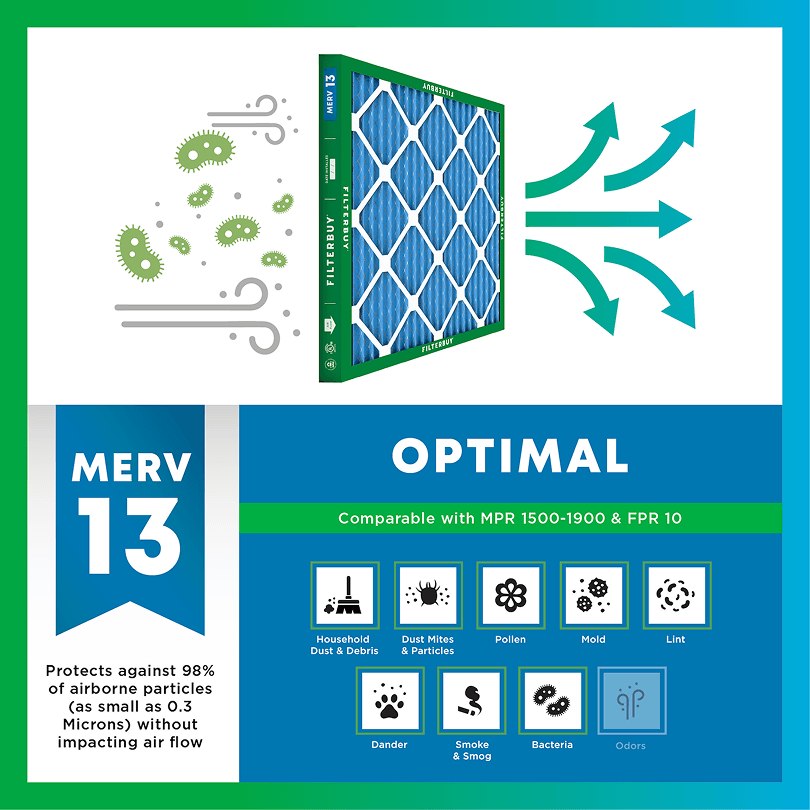

- Captures PM2.5 and other fine particulates
- Filters ash, soot, and smoke particles
- Rated to capture particles as small as 0.3 microns
- Matches the filter rating the EPA suggests during high-AQI and smoke events

AQI FAQs
What is AQI?
AQI stands for Air Quality Index, the EPA's scale for reporting daily air quality. It runs from 0 to 500. The higher the number, the greater the level of air pollution. Values at or below 100 are generally considered satisfactory; values above 100 mean air quality is unhealthy, first for sensitive groups, then for everyone as numbers climb.
What does AQI measure?
The AQI tracks five major pollutants regulated by the Clean Air Act: ground-level ozone, particle pollution (PM2.5 and PM10), carbon monoxide, sulfur dioxide, and nitrogen dioxide. The reported AQI value reflects whichever pollutant is highest at that time — most often ozone or fine particles (PM2.5).
How is AQI calculated?
Monitoring stations measure pollutant concentrations, and the EPA converts each into a standardized 0–500 score using set breakpoints. Each pollutant gets its own sub-index, and the highest sub-index becomes the reported AQI. That's why a single number can represent different pollutants on different days.
What is a good AQI?
An AQI of 0–50 is rated "Good" — air quality poses little or no risk. 51–100 is "Moderate," acceptable for most people though unusually sensitive individuals may want to limit prolonged outdoor exertion. Anything at or below 100 is generally considered satisfactory air quality.
What does an AQI of 100 (or 150) mean?
100 is the dividing line: at or below it, air quality is satisfactory for the general public. From 101–150, air is "Unhealthy for Sensitive Groups" — people with respiratory conditions, older adults, and children. From 151–200, it's "Unhealthy" and everyone may begin to feel effects.
Why is the AQI bad today?
Short-term AQI spikes usually come from wildfire smoke, temperature inversions that trap pollutants near the ground, high-ozone weather (hot, sunny, stagnant days), or heavy traffic and industrial activity. Check a real-time source like the map on this page to see which pollutant is driving today's reading in your area.
What AQI is bad for running or exercise?
Many runners follow the EPA category lines: below 50, no adjustment needed; 51–100, unusually sensitive people may shorten intense workouts; above 100, sensitive groups are advised to reduce prolonged or heavy outdoor exertion; above 150, that advice extends to everyone. Exercise increases how much air you breathe in, which is why thresholds matter more during workouts.
What AQI is safe to open windows?
A common rule of thumb is to keep windows open when the AQI is under 100 and close them when it climbs above, especially during wildfire smoke events when fine particles are elevated. When windows are closed, running your HVAC system with a fresh filter helps capture particles circulating indoors.
Should I wear a mask based on AQI?
Public health agencies generally suggest considering a well-fitted N95-style respirator outdoors when the AQI exceeds 150, particularly during smoke events. Cloth and surgical masks don't filter fine particles effectively. Follow guidance from your local health department, which may adjust recommendations during severe episodes.
Check Today's Live Real Time Air Quality Index AQI Map in Arizona Now
The live air quality index (AQI) map for Arizona shows current outdoor air conditions by number and color. It gives a quick view of when the air is cleaner and when pollution is higher where you live.
Key Takeaways
A live air quality index AQI map for Arizona shows current outdoor conditions by city or region, using one number and a color.
In Arizona, high AQI readings often come from dust, ozone on hot days, and wildfire smoke, not just traffic.
Low AQI values mean outdoor air is cleaner; high values mean people, especially those with heart or lung issues, should spend less time outside.
Keeping doors and windows closed and using recirculation modes on AC helps limit how much polluted air enters the home.
A properly sized MERV 8, 11, or 13 filter can reduce particles indoors and is an important part of staying more comfortable on high AQI days.
What Causes Pollution In Arizona
Arizona’s air quality is shaped by a few main factors:
Dust and wind – Dry soil, open land, and construction sites can send large amounts of dust (PM10) into the air, especially during strong wind events and dust storms (haboobs).
Ozone in hot months – In and around cities like Phoenix and Tucson, traffic and heat combine to raise ground-level ozone, especially on very hot, sunny days.
Wildfire smoke – Fires in Arizona and surrounding states can send fine particles (PM2.5) across long distances, raising AQI even far from the fire line.
Because of this mix, the air quality index AQI map today in Arizona can shift quickly, especially during summer monsoon storms, dust storms, and wildfire season.
Understanding Today’s AQI For Arizona
On a live air quality index AQI map now for Arizona, the main thing to watch is the low end and the high end of the scale: when numbers are low (around 0–50), the air is clean enough for normal outdoor activity, but when values climb into the higher ranges (151 and above), the air is considered unhealthy and most people should cut back time outside, especially for hard exercise, and pay extra attention to keeping one main indoor space as clean as possible.
Using The Live Air Quality Index AQI Map For Arizona
When you open a live air quality index AQI map:
Enter your city or ZIP code.
Look at the AQI number and color labeled “Now.”
Check the main pollutant (often PM2.5, PM10, or ozone).
Read the short health message linked to that level.
If wind picks up, a dust storm is in the forecast, or smoke moves in, check the air quality index AQI map now again later in the day. Conditions can change in a few hours.
Simple Ways To Lower Exposure At Home
On days when the air quality index AQI map today shows higher levels where you live in Arizona, small changes help:
Close windows and outside doors when dust, smoke, or ozone levels are higher.
Run your AC or HVAC on a setting that recirculates indoor air, not “fresh air” from outside.
Park cars in a garage or away from open doors so exhaust does not blow straight inside.
Skip extra smoke indoors, such as smoking, indoor wood fires, or frequent high-heat frying.
If possible, spend more time in one room with a good return vent or a portable air cleaner, so at least one area of the home has cleaner air.
An effective HVAC filter is a key part of keeping indoor levels lower while outdoor AQI is high.
Choosing MERV 8, 11, And 13 Filters For Arizona Homes
MERV (Minimum Efficiency Reporting Value) shows how well an air filter captures particles. In Arizona, where dust, pollen, and smoke can all affect air, most homes use filters in the MERV 8–13 range.
A MERV 8 filter is the basic choice for many systems. It helps reduce everyday dust, lint, and larger pollen and keeps coils and ducts cleaner. For homes without major allergy or smoke concerns, this is often the starting point.
A MERV 11 filter is a step up. It captures more of the smaller particles, such as pet dander and many mold spores. This level often suits homes with one or more pets or with family members who have mild to moderate allergies.
A MERV 13 filter is the higher-efficiency option in this range. It is better at capturing fine particles, including many smoke and smog particles that can be an issue during wildfire season or on hazy days. This level should only be used if the HVAC system is rated for it, since higher efficiency also increases resistance to airflow.
Before changing to a higher MERV rating, it is best to follow the HVAC manufacturer’s guidance or ask a local technician, especially in older or smaller systems.

Choose Filterbuy!
Filterbuy supplies pleated HVAC and furnace filters designed for steady airflow and indoor air quality.
For Arizona homes, Filterbuy offers:
U.S.-made filters built from quality materials
A broad range of standard and custom sizes to fit most returns
Pleated synthetic media that catches more particles than basic fiberglass while still allowing airflow when changed on time
Service life of up to about 90 days in many systems
Fast, free shipping in the continental U.S., plus easy Auto-Delivery so replacement filters arrive on a schedule
Checking a live air quality index AQI map for Arizona each day and using a clean MERV 8, 11, or 13 Filterbuy filter in your system can help you adjust to changing outdoor conditions and keep your indoor air more comfortable.
Frequently Asked Questions
1. What is the Air Quality Index (AQI)?
AQI is a number from 0 to 500 that shows if the outdoor air is cleaner or more polluted.
2. How do I see the AQI for my city in Arizona?
Open a live air quality index AQI map, type in your city or ZIP code, and check the current number and color.
3. What AQI level should make me change my plans?
Many people start changing outdoor plans once the AQI goes over 100, especially if they have heart or lung problems.
4. Is it okay to exercise outside when AQI is high?
If the AQI is high, it is safer to exercise indoors or choose a lighter activity outside.
5. Should I open my windows on a bad air day?
If the current air quality index AQI map shows high levels, keep windows and outside doors closed as much as you can.
6. Why does AQI get high in Arizona even when the sky looks clear?
Dust, ozone on very hot days, and smoke from wildfires can raise AQI even when the sky does not look very hazy.
7. How often should I replace my HVAC filter in Arizona?
Most homes change filters every one to three months, or sooner if the filter looks dirty or the system runs a lot.
8. Which MERV filter should I choose for my home?
MERV 8 is fine for normal dust, MERV 11 is better for pets and mild allergies, and MERV 13 is for finer particles like smoke if your system is rated for it.