
12x24x1 Air Filters
Actual Size: 11.5x23.5x0.75

3 month filters
2. Select Quantity
Buying multiple sizes?


Made in the USA
Ships in 24 hours
12x24x1 Air Filters Air Filter Description
Available In MERV Rating: 8, 11, 13, Odor Eliminator
Made in the USA
Ships in 24 hours
Merv comparison
Scroll to see more.
 MERV 8 |  MERV 11 |  MERV 13 |  Odor Eliminator | |
|---|---|---|---|---|
| Best for | Standard Residential/Commercial Healthy Families | Superior Residential/Commercial Allergy Sufferers | Optimal Residential/Commercial Hospital Grade | ODOR ELIMINATOR Residential/Commercial Household Odors |
| Comparable ratings | MPR 600 & FPR 5 | MPR 1000-1200 & FPR 7 | MPR 1500 - 1900 & FPR 10 | MPR 1000-1200 & FPR 7 |
| Filtration | Captures 90% of Airborne Particles | Captures 95% of Airborne Particles | Captures 98% of Airborne Particles | Captures 95% of Airborne Particles |
| Dust, lint & debris | ||||
| Mold, pollen | ||||
| Dander, dust mites | ||||
| Smoke & Smog | ||||
| Bacteria | ||||
| Odor, vocs |
Is it time to change your filter?
Generally, we recommend you replace your air filters every 90 days. Find out below if you should change your filters more often.

If someone in your home has asthma or allergies...
Change your filter every
6 weeks
to ensure indoor air quality is at its best.
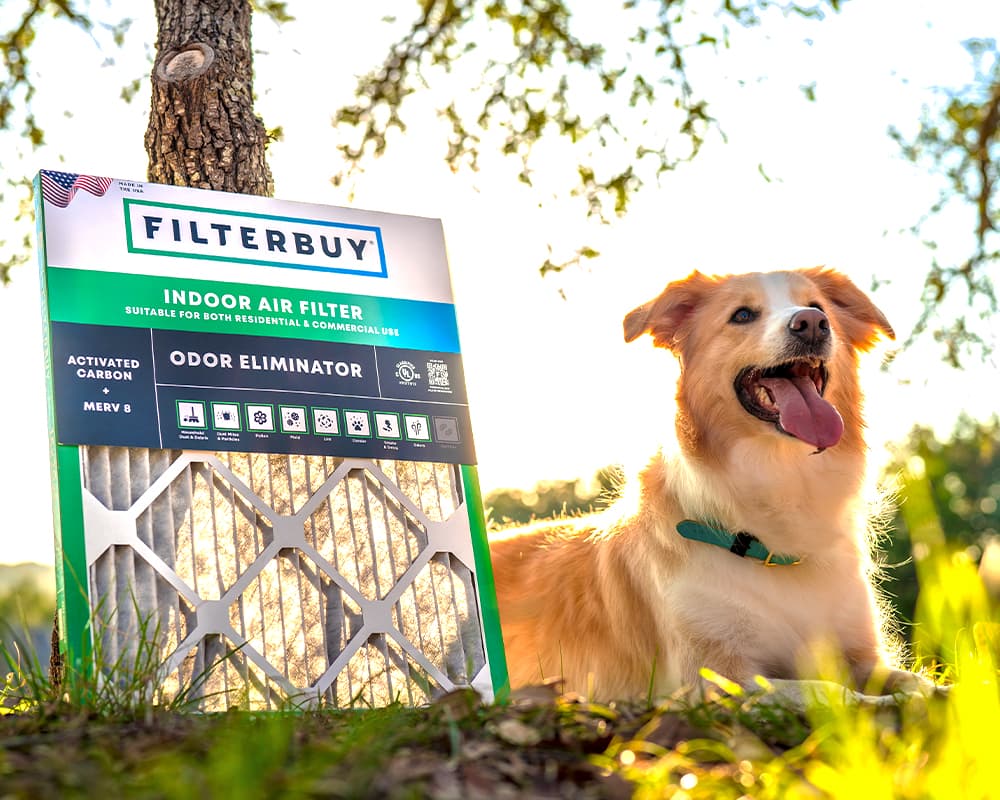
If you have pets...
Change your filter every
2 months
to avoid shedding and odor buildup.

If you have young children...
Change your filter every
2-3 months
as having clean air is even more important with children in your home.
If someone in your home has asthma or allergies...
Change your filter every
6 weeks
to ensure indoor air quality is at its best.
If you have pets...
Change your filter every
2 months
to avoid shedding and odor buildup.
If you have young children...
Change your filter every
2-3 months
as having clean air is even more important with children in your home.
Top Benefits of Installing Premium 12x24x1 Air Filters in Your Home HVAC
Our homes need some TLC too. It's giving your house a chance to breathe.
Cleaning experts say that means giving your home a deep clean. To get rid of all the dust and dirt and harmful particles that build up over time.
A healthy home starts with good indoor air. Try to check your HVAC and your entire airflow system. You’d be surprised to see your filters struggling from filtration.
Key Takeaways
Choose pleated filters for better air quality and efficiency due to their larger surface area than fiberglass filters.
Consider HEPA filters if anyone in your home suffers from allergies, capturing tiny particles effectively.
Regularly replace your 12x24x1 air filters every 90 days. Adjust the frequency based on pets or allergies for optimal performance.
12x24x1 filters with a MERV rating of 8–13 are good for houses with pets and severe allergies.
High-quality air filters increase the effectiveness of the HVAC system. They lower energy costs and improve the general quality of the indoor air for a healthier environment.
Air Filter Types
Knowing the various types of air filters is essential for preserving clean indoor air. You'll find that filters vary mainly by filter materials and their filtration efficiency.
Fiberglass Filters: They are common and inexpensive but have lower efficiency.
Pleated Filters: Thanks to their larger surface area, they offer better filtration with improved dust and allergen removal.
HEPA Filters: They provide the highest efficiency, capturing tiny particles, making them ideal for allergy sufferers.
Activated Carbon Filters: It’s excellent for removing odors. This enhances indoor air quality.
Consider the MERV rating when choosing a filter. Because it indicates the filtration efficiency. Higher MERV ratings mean better particle capture. So select a filter that suits your home's needs. For example, a 12x24x1 air filter MERV rating 13 is good for houses with pets or if you have severe allergies.
Benefits of Quality Filters
Premium air filters 12x24x1 do much more than only collect dust and allergies. They also have many other benefits. Selecting high-quality filters will protect your health and enhance the quality of the air indoors. The following are the three main advantages you can enjoy:
Improved Filtration Efficiency: Better filters catch more stuff. Like pollen and pet dander. So the air is cleaner and healthier.
Health Benefits: When there is cleaner air in the air everyone breathes easier and experiences fewer respiratory health issues.
Enhanced electricity Efficiency: By making your HVAC system work more effectively, premium filters may help you reduce electricity bills.

Replacement Frequency Guidelines
It's important to change your air filters regularly to preserve a healthy indoor atmosphere.
Watch for replacement indicators. Look for decreased airflow or dust accumulation on the filter. This is to guarantee the best possible air quality. Experts advise replacing your filter every ninety days for most houses.
If you live with allergies or dogs, change it every two months or every six weeks, respectively. The goal is to replace items every two to three months in homes with little children.
Customer Experiences
Customers' experiences with Filterbuy air filters highlight the company's commitment to service and product quality. Many appreciate the high level of customer satisfaction and order efficiency.
Here are three points that stand out:
Fast Shipping: Customers often mention receiving their orders quickly, usually within 24 hours.
Accurate Orders: Orders are consistently correct, with no mix-ups.
Great Prices: Many customers report being pleased with the competitive pricing, making quality air filters affordable.
These positive experiences show how Filterbuy prioritizes your needs, ensuring you get the right filters for your home.
When you choose Filterbuy, you're not just buying filters. You're investing in better air quality and reliable service.
Enhanced Indoor Air Quality
Improving indoor air quality results from using premium air filters.
These specialized filters capture more particles, leading to improved allergen reduction. Experience enhanced indoor air quality when using 12x24x1 air filters.
Dust control changes with these filters.
Trapping of dust particles. They stop movement in your living space. Enjoy less dust on surfaces, which translates to reduced cleaning time and increased enjoyment of your home.
Health benefits also arise from premium air filters.
Reducing allergens and dust in indoor air eases allergy and asthma symptoms. Cleaner air may even contribute to better sleep at night.
Frequently Asked Questions
What MERV rating is good for air filters?
A MERV 8 to 13 is good for your home. This range provides the optimal balance between air quality and system efficiency. Higher MERV ratings provide better filtration. But can also restrict airflow and strain your system.
What is the best filtration level for air filter?
Get a MERV 8 to MERV 13 to filter out dust and pollen. A MERV 14 or higher if you need to filter out smaller things. Like smoke or bacteria.
What is the difference between MERV 12 and 11 air filters?
MERV 12 filters are better at catching smaller things. Like allergens. While MERV 11 filters are better at catching bigger stuff. MERV 12 is better if you want cleaner air.
What MERV rating is good for clean rooms?
A MERV rating of 13-16 is best for clean rooms. Higher ratings catch smaller particles, which is important in clean rooms. But higher ratings also slow down the airflow.
Is MERV 11 too high for residential?
MERV 11 is not too high for most homes. It captures a wide range of allergens and particles without typically causing significant airflow issues. If you have a standard HVAC system. Make sure it can handle a MERV 11 filter. Try a lower rating first if not sure.
Is there a downside to high MERV filters?
The higher MERV filters can restrict airflow. The filter's weave becomes tighter as the MERV rating increases. It’s harder for air to pass through. This causes your HVAC system to work harder.
Does MERV 11 restrict airflow?
MERV 11 filters slow down your air conditioner but how much depends on your system. It catches a lot of dust and allergens but it won’t work if your system isn't designed for them. Check your system's specs or ask an expert before you try a MERV 11 filter.
What is the most popular air filter size?
The most common air filter size is 16x25x1 inches.
Can I replace MERV 11 with MERV 12?
Yes. But make sure your HVAC system can handle it. MERV 12 filters catch smaller stuff. So the air will be cleaner. Monitor your system for any changes in airflow or efficiency after the switch. Consult an HVAC expert if not sure.
How often should you change a MERV 11 filter?
Replace every three months. Replace it more frequently. If you have pets and allergies or live in a dusty area.
Is MERV or HEPA better?
HEPA filters are better than MERV filters at catching tiny particles like those that cause allergies. A HEPA filter is the best if you have bad allergies but make sure your system can handle it because HEPA filters slow down the airflow.