
16x20x2 Air Filters
Actual Size: 15.5x19.5x1.75

3 month filters
2. Select Quantity
Buying multiple sizes?


Made in the USA
Ships in 24 hours
16x20x2 Air Filters Air Filter Description
Available In MERV Rating: 8, 11, 13
Made in the USA
Ships in 24 hours
Merv comparison
Scroll to see more.
 MERV 8 |  MERV 11 |  MERV 13 | |
|---|---|---|---|
| Best for | Standard Residential/Commercial Healthy Families | Superior Residential/Commercial Allergy Sufferers | Optimal Residential/Commercial Hospital Grade |
| Comparable ratings | MPR 600 & FPR 5 | MPR 1000-1200 & FPR 7 | MPR 1500 - 1900 & FPR 10 |
| Filtration | Captures 90% of Airborne Particles | Captures 95% of Airborne Particles | Captures 98% of Airborne Particles |
| Dust, lint & debris | |||
| Mold, pollen | |||
| Dander, dust mites | |||
| Smoke & Smog | |||
| Bacteria | |||
| Odor, vocs |
Is it time to change your filter?
Generally, we recommend you replace your air filters every 90 days. Find out below if you should change your filters more often.

If someone in your home has asthma or allergies...
Change your filter every
6 weeks
to ensure indoor air quality is at its best.
If you have pets...
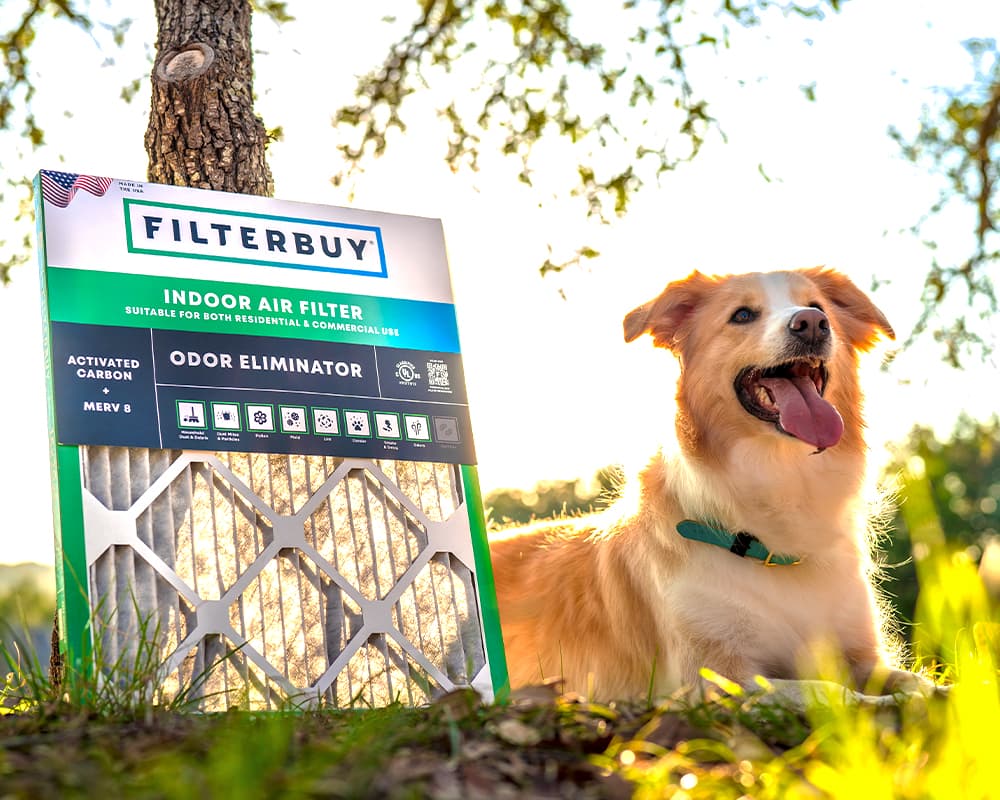
Change your filter every
2 months
to avoid shedding and odor buildup.

If you have young children...
Change your filter every
2-3 months
as having clean air is even more important with children in your home.
If someone in your home has asthma or allergies...
Change your filter every
6 weeks
to ensure indoor air quality is at its best.
If you have pets...
Change your filter every
2 months
to avoid shedding and odor buildup.
If you have young children...
Change your filter every
2-3 months
as having clean air is even more important with children in your home.
Why Filterbuy 16x20x2 Air Filters Are Essential for Clean Indoor Air Quality
Install Filterbuy 16x20x2 pleated filters to capture dust, pollen, and pet dander. Choose high MERV rated filters for superior filtration of smaller particles.
Changing your filters every three months helps improve air quality. It also boost HVAC efficiency and lower energy costs. Simple steps like this make a big difference. Ready to learn more? Let’s explore!
Key Takeaways
Filterbuy 16x20x2 pleated MERV filters capture allergens, improving air quality and respiratory health.
Regular filter replacement enhances HVAC performance and reduces energy use.
High MERV filters trap smaller harmful particles, fostering a healthier space.
Consistent use helps alleviate allergy symptoms and reduce breathing issues.
Benefits of Filterbuy 16x20x2 Filters
16x20x2 pleated filters improve indoor air quality by enhancing filter efficiency. They effectively trap airborne particles, significantly reducing allergens in the home. They are vital for households with allergies or respiratory sufferers. As they prevent harmful particles from entering the lungs.
Changing your Filterbuy 2-inch pleated filter regularly ensures proper installation for optimal performance. It also reduces system strain and lowering energy bills. Cleaner leads to fewer allergy symptoms and a healthier home environment. Premium filters, like Filterbuy 16x20x2 pleated MERV filters, significantly improve air quality. They also help HVAC systems run efficiently, saving energy and enhancing comfort.
Common Airborne Contaminants
Dust, mold, pet dander, and pollen harm indoor air quality, triggering allergies and asthma and potentially damaging lung function over time.
Dust and irritants settle and become airborne, causing respiratory issues. A furnace filter 16x20x2 traps these allergens, improving comfort and reducing health problems. Mold spores, pet dander, and smoke particles also circulate, worsening air quality if not addressed.

How to Choose the Right Filter
Choosing the right HVAC filter requires evaluating your needs and environment.
Consider filter materials such as fiberglass, pleated fabric, or HEPA. Filterbuy 2-Inch Pleated Filters offer superior filtration compared to fiberglass filters. They capture more allergens, dust and other particles. They also last longer. HEPA filters are good for allergy sufferers. As they effectively capture small particles and allergens.
Check the filter’s MERV rating: Higher ratings offer better filtration for cleaner air while ensuring HVAC compatibility for optimal airflow.
Evaluate your environment: use a high-efficiency filter in homes with pets or dust and a standard filter in cleaner areas.
Ultimately, selecting the suitable filter material and efficiency level helps maintain clean and healthy indoor air quality for all.
Maintenance Tips for Filters
Finding the right filter is just the first step. Routine maintenance ensures peak performance. It also extends filter life and improves air quality.
Set a replacement schedule—every 3 months for most 16x20x2 furnace filters, more often for homes with pets or allergies.
Inspect the filter monthly for dirt buildup and replace it early if clogged to reduce HVAC strain.
Clean around the filter housing to prevent airflow obstruction.
Keep a record of replacement dates to stay on schedule.
Consistent filter maintenance boosts air quality, lowers energy bills, and reduces repair costs. Prioritize your health and comfort—filters need attention!
Supporting Facts and Statistics
16x20x2 pleated air filters improve air quality by capturing dust, pollen, and pet dander. Replacing them every three months keeps HVAC systems efficient. Doing this reduces energy use by 5% to 15%. Filters with higher MERV ratings provide better filtration. But they must be compatible with your HVAC to ensure optimal airflow.
Indoor air is often more polluted than outdoor air, contributing to allergies and respiratory issues. Good filters remove harmful particles and make the air cleaner.
Choosing the best filter for your HVAC system helps protect your health.
Enhancing Indoor Air Quality with 16x20x2 Filters
Filterbuy 16x20x2 pleated air filters are vital for keeping indoor air fresh and your family healthy. These filters effectively trap dust, allergens, and microscopic particles. Making them especially beneficial for homes with pets or allergy sufferers.
Finding the right filter is simple. Filterbuy's efficient and reliable filters help create a cleaner, healthier living space.
Filterbuy 2-inch pleated filters use electrostatic technology to enhance filtration by attracting particles, improving air quality while maintaining airflow.
Frequently Asked Questions
Is MERV 11 too high for residential?
16x20x2 MERV 11 filter is a great choice for most homes. They capture common allergens without significantly impacting airflow. Ensure your HVAC system can handle this filtration level.
Does my air filter need to be the exact size?
Yes. Your air filter must match the exact size specified by your HVAC system. Using an incorrect size can lead to poor filtration, reduced airflow, and inefficiency. Always check your system's manual or current filter for the correct size.
Are 2 inch air filters better?
Yes. 2-inch air filters are often better than 1-inch filters because they have a larger surface area. Which captures more particles and lasts longer. They also reduce the frequency of replacements, making them a convenient choice if your system supports them.
What MERV rating is best for airflow?
16x20x2 MERV 8 provides effective filtration for dust and pollen while maintaining good airflow. Confirm that your system supports MERV 11 or higher without reducing airflow for better filtration.
What is the most popular air filter size?
The most popular air filter sizes are 16x20x1, 20x20x1, and 20x25x1. These sizes fit many standard HVAC systems. Always check your specific system requirements for the right fit.
What happens if your air filter is too big?
If your air filter is too big, it won’t fit properly. It leaves gaps that allow unfiltered air to bypass. This can reduce filtration effectiveness and strain your HVAC system. Always use the correct size to avoid issues.
Is high MERV bad for AC?
High MERV filters can be bad for your AC if the system isn’t designed to handle reduced airflow. They can strain the system, reduce efficiency, and increase energy costs. Check your system’s compatibility before using high-MERV filters.
What is the highest residential MERV rating?
The highest residential MERV rating is MERV 16. Which offers superior filtration for allergens, bacteria, and fine particles. However, it may not be suitable for all systems due to potential airflow restrictions.
What MERV rating is too restrictive?
MERV ratings above 13 can be too restrictive for many residential systems. Potentially reducing airflow and straining the HVAC system. Choose a MERV rating that balances filtration and airflow based on your system's capabilities.
Is it worth buying more expensive air filters?
Yes. More expensive air filters are worth it if you need better filtration for allergies, pets, or high air quality standards. They last longer and provide better protection, but ensure your HVAC system can handle them.
Which type of air filter will last the longest?
Thicker filters, such as 2-inch or 4-inch filters, last the longest, typically 6 to 12 months. Their larger surface area allows for better particle capture and less frequent replacement than thinner filters.
Do unused air filters go bad?
Unused air filters don’t typically go bad if stored properly in a dry, cool environment. Avoid exposure to moisture or dirt, which can compromise their effectiveness when eventually installed.