
14x25x1 Air Filters
Actual Size: 13.5x24.5x0.75

3 month filters
2. Select Quantity
Buying multiple sizes?


Made in the USA
Ships in 24 hours
14x25x1 Air Filters Air Filter Description
Available In MERV Rating: 8, 11, 13, Odor Eliminator
Made in the USA
Ships in 24 hours
Merv comparison
Scroll to see more.
 MERV 8 |  MERV 11 |  MERV 13 |  Odor Eliminator | |
|---|---|---|---|---|
| Best for | Standard Residential/Commercial Healthy Families | Superior Residential/Commercial Allergy Sufferers | Optimal Residential/Commercial Hospital Grade | ODOR ELIMINATOR Residential/Commercial Household Odors |
| Comparable ratings | MPR 600 & FPR 5 | MPR 1000-1200 & FPR 7 | MPR 1500 - 1900 & FPR 10 | MPR 1000-1200 & FPR 7 |
| Filtration | Captures 90% of Airborne Particles | Captures 95% of Airborne Particles | Captures 98% of Airborne Particles | Captures 95% of Airborne Particles |
| Dust, lint & debris | ||||
| Mold, pollen | ||||
| Dander, dust mites | ||||
| Smoke & Smog | ||||
| Bacteria | ||||
| Odor, vocs |
Is it time to change your filter?
Generally, we recommend you replace your air filters every 90 days. Find out below if you should change your filters more often.

If someone in your home has asthma or allergies...
Change your filter every
6 weeks
to ensure indoor air quality is at its best.
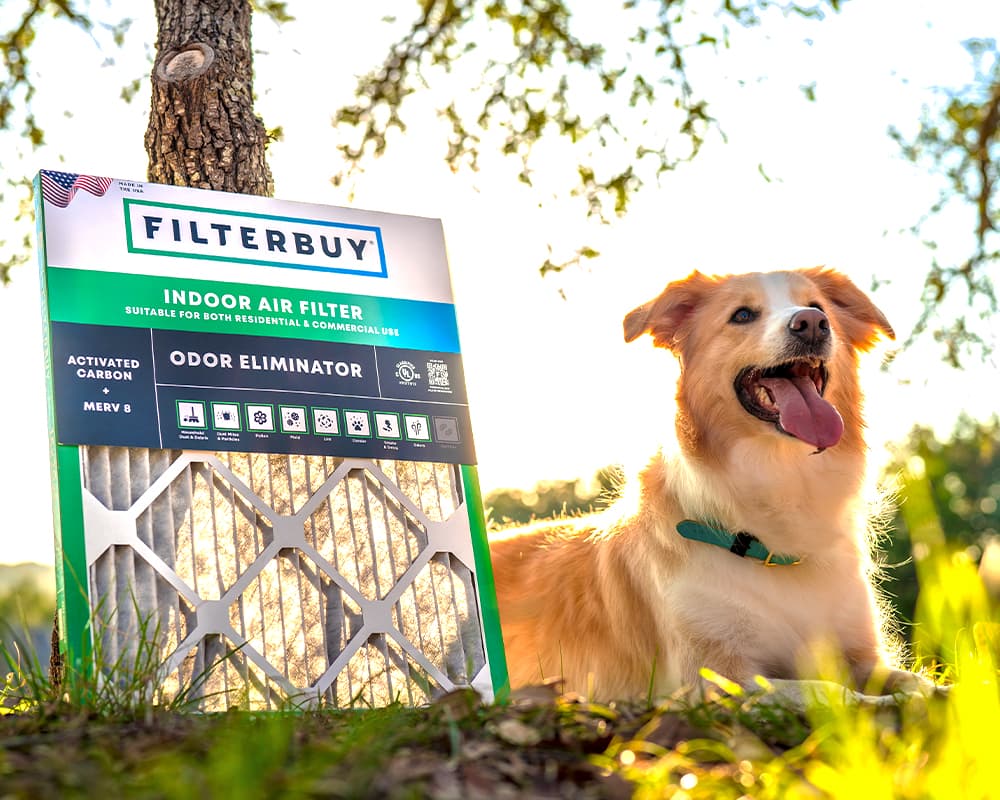
If you have pets...
Change your filter every
2 months
to avoid shedding and odor buildup.

If you have young children...
Change your filter every
2-3 months
as having clean air is even more important with children in your home.
If someone in your home has asthma or allergies...
Change your filter every
6 weeks
to ensure indoor air quality is at its best.
If you have pets...
Change your filter every
2 months
to avoid shedding and odor buildup.
If you have young children...
Change your filter every
2-3 months
as having clean air is even more important with children in your home.
Essential Benefits of 14x25x1 Air Filters for Homes
14x25x1 air filters are important to your air conditioner. They improve your indoor air quality by removing dust mites, pollen, and pet dander. They also help your air conditioner work better. It helps use less energy, which saves you money.
Honeywell and Trane are known for making high-quality air filters. They last a long time. These filters help you breathe better and lets you live in a healthier home.
Key Takeaways
14x25x1 air filters improve indoor air. Removing pollutants and allergens.
Efficiency in HVAC systems gets a boost with these filters. Leading to potential energy cost reductions and lifespan extension.
Reduced allergy symptoms. Traps common allergens such as dust mites and pet dander.
Lower energy consumption. It becomes possible with the use of 14x25x1 filters which results in reduced energy bills.
Superior quality material. These filters provide durability and significant long-term savings.
Improved Indoor Air Quality
Air filters are good at trapping small particles. Like allergens and airborne particles. 14x25x1 air filters are good at this. They help keep dust out of your home.
Cleaner air makes you healthier. You'll get less sneezing and coughing and have allergies less often. Using an air filter is simple. It is an affordable way to improve your living space.
Honeywell and Trane are good brands. They make high-quality air filters. These filters help you breathe cleaner, fresher air. Your lungs will enjoy it.
Enhanced HVAC System Efficiency
Using 14x25x1 air filters helps your air conditioner work better. It also helps your AC last longer. Regular filter maintenance proves essential in this context. Dust coupled with debris buildup causes air filter clogs. This restricts airflow. It restricts the HVAC system from exerting extra effort. Leading to higher energy consumption. And possibly reducing the system's lifespan. Ensuring your filter gets replaced regularly helps maintain optimal performance while reducing unnecessary system wear.
Superior air filters also enhance airflow. Clean filters allow maximum airflow, enabling efficient HVAC operation. Well-kept 14x25x1 air filters contribute to a steady, uninterrupted airflow. Easing strain on your HVAC system. And possibly reducing energy expenses.

Reduction in Allergy Symptoms
Replacing old filters with new 14x25x1 air filters gives the following benefits:
Reduces allergens: It captures airborne particles.
Improves respiratory health: You’ll have fewer sneezing and coughing. Also eye irritation.
Eliminates odors: Reduces allergic reactions.
Enhances overall health: Promotes better breathing. And overall well-being.
Consider making the switch today. Your respiratory health, eyes, and nose will thank you. You’ll have cleaner, fresher air with fewer allergens.
Lower Energy Consumption and Costs
Replacing old filters with new 14x25x1 air filters helps you save energy and money. A dirty filter makes your air conditioner work harder. Like running a marathon with a heavy backpack. This can increase your energy bill.
The 14x25x1 air filter showcases efficiency, giving your system the freedom to breathe easier and function more smoothly. With your HVAC no longer working overtime, power consumption decreases. Simple math illustrates the correlation: reduced energy usage equates to cost savings.
Long-Lasting Durability and Value
Buy 14x25x1 air filters. This saves you money. They are durable and they last a long time because they are made from high-quality materials.
Outlined below are three vital factors contributing to their prolonged value:
Superb Material Quality: Crafted from specially designed fibers. Ensure their durability.
Longer Lifespan: Filters' lifespan extends. Due to robust materials. Implying less frequent replacements. And reducing your hassle.
Long-term Cost-effectiveness: Infrequent replacements lead to substantial savings over time, enhancing your overall return on investment in air conditioner 14x25x1 filters.
Frequently Asked Questions:
Does my air filter need to be exact size?
Yes. Your air filter needs to be the exact size. An incorrect-sized filter leads to inefficient filtering of air. Causing dust and other particles to pass through and circulate in your home. This can also put extra strain on your HVAC system which could lead to potential damage over time.
What is the best MERV rating on air filters?
The best MERV rating on air filters depends on your needs. A MERV rating of 8 to 13 is good for residential homes. This range provides the optimal balance between air quality and system efficiency. Higher MERV ratings provide better filtration but can also restrict airflow and strain your system.
Is a MERV 11 filter too restrictive?
No. A MERV 11 filter is not too restrictive. It provides a higher level of filtration. Compared to lower MERV-rated filters. Which is excellent for removing more particles from the air. But it may cause an increased load on your HVAC system. If it's not designed to handle such filters.
Is it OK to use cheap air filters?
Cheap air filters are a good short-term solution. They don’t filter out smaller particles as efficiently as higher-rated filters. This affects your indoor air quality and exacerbate allergies or respiratory issues. It's better to invest in a quality filter that fits your specific needs.
Is it okay if my air filter is too big?
No. It's not okay if your air filter is too big. An oversized filter may not fit properly. Leaving gaps where unfiltered air can bypass the filter. This defeats the purpose of having an air filter and leads to poor indoor air quality.
What happens if you buy wrong size air filter?
It can lead to inefficient operation of your HVAC system if you buy the wrong size air filter. It can either let unfiltered air pass through. Or restrict airflow. Causing your system to work harder. Both scenarios lead to increased energy consumption and potential damage to your system.
Is it OK to cut an air filter to fit?
It's not recommended to cut an air filter to fit. Doing so can damage the filter's effectiveness. And potentially allow unfiltered air to pass through. It's best to purchase the correct size filter for your system.
How do I calculate my air filter size?
To calculate your air filter size, measure the length, width, and depth of the space where the filter goes in your HVAC system. Always measure twice to ensure accuracy. It's important to use the correct size filter for optimal system performance.
Is MERV 14 too high for home?
A MERV 14 filter may be too high for a home HVAC system. While it provides excellent filtration it can also restrict airflow and cause your system to work harder. This can lead to increased energy use and potential system damage.
Should I buy MERV 8 or 11?
It depends on your needs. A MERV 8 filter is good. If you want to filter common allergens like dust and pollen a MERV 11 filter is better. If you want to filter out smaller particles like mold spores and car fumes.
Will MERV 12 damage my HVAC?
A MERV 12 filter won't necessarily damage your HVAC system. But it can potentially strain it. This is because higher MERV ratings can restrict airflow which prompts system to work harder. Over time, this can increase wear and tear on your system.
What is one disadvantage of the highest MERV rated filters?
One disadvantage of the highest MERV-rated filters is that they can restrict airflow in your HVAC system. This can cause your system to work harder. Leading to increased energy consumption and potential damage over time. They also tend to be more expensive than lower MERV-rated filters.