
12x24x2 Air Filters
Actual Size: 11.38x23.38x1.75"

3 month filters
2. Select Quantity
Buying multiple sizes?


Made in the USA
Ships in 24 hours
12x24x2 Air Filters Air Filter Description
Available In MERV Rating: 8, 11, 13
Made in the USA
Ships in 24 hours
Merv comparison
Scroll to see more.
 MERV 8 |  MERV 11 |  MERV 13 | |
|---|---|---|---|
| Best for | Standard Residential/Commercial Healthy Families | Superior Residential/Commercial Allergy Sufferers | Optimal Residential/Commercial Hospital Grade |
| Comparable ratings | MPR 600 & FPR 5 | MPR 1000-1200 & FPR 7 | MPR 1500 - 1900 & FPR 10 |
| Filtration | Captures 90% of Airborne Particles | Captures 95% of Airborne Particles | Captures 98% of Airborne Particles |
| Dust, lint & debris | |||
| Mold, pollen | |||
| Dander, dust mites | |||
| Smoke & Smog | |||
| Bacteria | |||
| Odor, vocs |
Is it time to change your filter?
Generally, we recommend you replace your air filters every 90 days. Find out below if you should change your filters more often.

If someone in your home has asthma or allergies...
Change your filter every
6 weeks
to ensure indoor air quality is at its best.
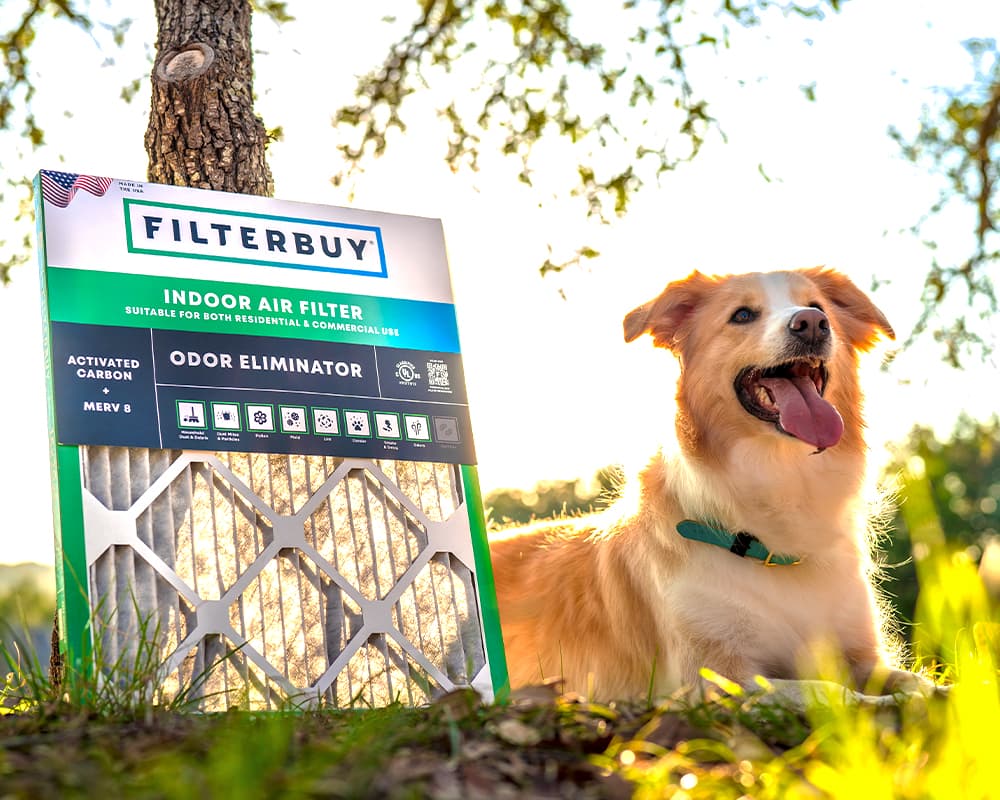
If you have pets...
Change your filter every
2 months
to avoid shedding and odor buildup.

If you have young children...
Change your filter every
2-3 months
as having clean air is even more important with children in your home.
If someone in your home has asthma or allergies...
Change your filter every
6 weeks
to ensure indoor air quality is at its best.
If you have pets...
Change your filter every
2 months
to avoid shedding and odor buildup.
If you have young children...
Change your filter every
2-3 months
as having clean air is even more important with children in your home.
How to Achieve Healthier Living With Filterbuy Air Conditioner Filter 12x24x2
Regular filter maintenance is important for the performance and lifespan of many systems, from HVAC units to vehicles. Ignoring maintenance leads to decreased efficiency, more energy consumption, and potential system damage. Meaning more costly repairs or replacements. By following a consistent maintenance schedule, you ensure cleaner air, protect vital components, and promote a healthier environment.
Through this guide, we’ll share why air filter maintenance is important. If you’re still dealing with allergy symptoms at home, don’t just replace your filter—make sure you’re doing maintenance regularly. Upgrade to a high quality MERV rated filter. Let’s get started!
Top Takeaways: Essential Air Quality Tips
MERV rating matters. Use Filterbuy MERV rated filters for better allergen control.
Replace air filters regularly. Change filters every 60-90 days to prevent dust buildup.
Ensure a snug fit. Proper sealing stops unfiltered air from bypassing.
Case Study & Real-World Insights: How Filterbuy 12x24x2 Air Filter Changed Everything
We thought replacing air filter on time was enough. But we still dealt with dust buildup, allergies and poor HVAC performance. The Johnson family had the same issue—constant sneezing and asthma flare-ups despite using an air filter.
What Went Wrong? Common Mistakes
❌ Using a low-MERV filter —ineffective at trapping fine allergens.
❌ Poor filter fit—unfiltered air was bypassing the system.
❌ Waiting too long to replace the filter—causing dust buildup in vents.
The Fix: Upgrading to the Best 12x24x2 Air Filter from Filterbuy
✔ Switched to a Filterbuy MERV 13 12x24x2 pleated air filter for better allergen control.
✔ Ensured a snug fit to stop unfiltered air from escaping.
✔ Set a 60-day replacement schedule to maintain performance.
The Results: Immediate Air Quality Improvement
⭐ Ethan’s allergy symptoms improved significantly.
⭐ Less dust settled in the home—proof the filter was working.
⭐ HVAC system ran more efficiently, lowering energy costs.
Scientific Proof: Why Filter Choice & Installation Matter
📌 MERV rated filters capture over 98% of allergens.
📌 Gaps around filters reduce effectiveness by up to 50%.
📌 Clogged filters restrict airflow and release trapped allergens.
A Simple Fix for Better Air Quality
✔ MERV rated filters are essential for allergy relief.
✔ A fitted filter stops allergens from passing the system.
✔ Replacing filters every 60 to 90 days keeps air clean and HVAC efficient.

"Many people assume that just replacing their air filter will improve indoor air quality. But I’ve learned firsthand that not all filters are created equal. For years, I used a standard filter thinking it was enough. Until I kept waking up congested, noticed dust settling within hours of cleaning and felt my HVAC struggling. When I switched to Filterbuy high quality filters and ensured a proper fit, the difference was immediate: my allergy symptoms eased, dust accumulation dropped, and my home felt fresher. Research confirms that higher MERV filters trap significantly more allergens, and poor installation can reduce effectiveness by up to 50%. If you’re still dealing with poor air quality despite using an air filter, don’t assume it’s working—check the MERV rating, ensure a snug fit, and replace it on time. A simple change can transform your indoor air and your health."
Supporting Statistics: The Key to Cleaner Air
Upgrading to a high quality filter made a huge difference—but only when we got the right MERV rating, proper fit and regular replacement schedule. Research supports this.
1️⃣ MERV Ratings Matter
MERV 8-13 filters trap pollen, pet dander, and mold effectively.
According to the American College of Allergy, Asthma, and Immunology (ACAAI), these filters provide strong allergen control. Without restricting airflow.
After switching to Filterbuy 12x24x2 air filter for allergies, users woke up congestion-free for the first time in months.
2️⃣ Proper Fit is Essential
Even small gaps around a filter cut effectiveness by up to 50%.
A California Energy Commission study found that air bypassing the filter reduces air quality.
Sealed filter’s edges, dust accumulation dropped immediately.
🔗 Source: California Energy Commission
3️⃣ Replace Filters on Time
Clogged filters restrict airflow. They release trapped allergens back into your home.
The U.S. Environmental Protection Agency (EPA) recommends replacing filters every 60-90 days for best performance.
Once we follow a 60-day replacement schedule, air felt fresher, and HVAC ran more efficiently.
Why Your Filter Choice Matters
✔ MERV 8 to 13 filters work best for allergy relief by trapping more fine particles.
✔ HEPA filters provide top-tier filtration but aren't necessary for most homes.
✔ Poor air quality can trigger health issues, but Filterbuy high quality filter significantly reduces airborne irritants.
Final Thoughts: A Small Change That Transformed Air Quality
We used to think replacing air filters on time was enough. But we still dealt with dust, allergies and poor HVAC performance. Regular maintenance of filters maintains their durability and optimizes HVAC system performance, saving money as well as time.
Next Steps: Improve Your Air Quality Now
Follow these steps to ensure your 12x24x2 pleated air filter from Filterbuy is working effectively.
1. Check Your Current Filter
✔ Remove the filter and inspect for dust buildup or discoloration.
✔ Look for gaps around the edges—unfiltered air may be bypassing it.
✔ Check the MERV rating—MERV 8+ is best for allergies.
2. Replace the Filter Correctly
✔ Choose Filterbuy MERV 8 -13 pleated filters for better allergen control.
✔ Ensure a snug fit—no loose edges or airflow gaps.
3. Maintain & Monitor Regularly
✔ Replace every 60-90 days (or sooner with pets/allergies).
✔ Check vents for dust buildup—if dust returns fast, recheck the fit.
✔ Schedule HVAC maintenance to optimize airflow.
Selecting the Right Air Filter
Finding the ideal furnace filter for you might seem like a challenge. Don't worry, this guide explains all about the different types of filters and how to maintain them so you choose an ideal filter for your home.
Do these steps:
Know what your furnace needs: All furnaces need a particular size of filter. This is the kind of thing you should know about your furnace.
Know the types of filters: Several exist, including fiberglass, pleated, and electrostatic filters. Each has its unique purpose; therefore, determine which would best suit your needs.Filterbuy pleated air filters are at least 20 times more efficient than standard fiberglass filters at capturing dust, allergens, and bacteria.
These filters feature a strong beverage board frame that can handle humidity and temperatures up to 200° F. No warping or weakening under high temperatures.
Filterbuy uses a special synthetic electrostatic media. This advanced material is significantly more efficient at capturing particles compared to basic cotton media used in other filters.
Consider air quality: Sensitivity to allergens or dust calls for a filter with a higher MERV rating. This type captures more particles, enhancing your home's air quality.
MERV 8 - Captures 90% of airborne particles. It’s a great all-around filter that is versatile in a lot of homes.
MERV 11 - Captures 95% of airborne particles. This is a good choice for homes with allergy sufferers.
MERV 13 - They are our premium hospital grade filters that capture 98% of airborne particles.
Stay on top of filter maintenance: Regular checks and replacements keep filters efficient. Dirty filters not only compromise air quality but also strain your furnace.
Frequently Asked Questions
Is MERV 11 too high for residential?
MERV 11 is suitable for most residential units. It offers effective filtration without impacting airflow.
Do higher quality air filters make a difference?
Higher quality air filters make a significant difference. It improves indoor air quality. It provides better air filtration and captures smaller particles.
What MERV is best in an air filter?
A MERV rating between 8 and 13 is the best. It balances effective filtration and maintaining proper airflow in most residential systems.
Which air filter company is best?
The best air filter company depends on your specific needs. This includes MERV rating, air quality concerns, budget, durability and HVAC compatibility.
Is there a downside to high MERV filters?
The downside to high MERV filters includes potential airflow restriction. It also increases HVAC strain if not compatible with the HVAC's design.
How to install 12x24x2 air filter?
Turn off your HVAC system's power.
Have your new 12x24x2 air filter ready.
Carefully remove the old air filter.
Note the direction of the airflow arrows on the old filter.
Insert the new 12x24x2 air filter into the slot.
If there is a cover over the filter, replace it securely.
Turn the power back on.