
16x24x1 Air Filters
Actual Size: 15.38x23.38x0.75

3 month filters
2. Select Quantity
Buying multiple sizes?


Made in the USA
Ships in 24 hours
16x24x1 Air Filters Air Filter Description
Available In MERV Rating: 8, 11, 13, Odor Eliminator
Made in the USA
Ships in 24 hours
Merv comparison
Scroll to see more.
 MERV 8 |  MERV 11 |  MERV 13 |  Odor Eliminator | |
|---|---|---|---|---|
| Best for | Standard Residential/Commercial Healthy Families | Superior Residential/Commercial Allergy Sufferers | Optimal Residential/Commercial Hospital Grade | ODOR ELIMINATOR Residential/Commercial Household Odors |
| Comparable ratings | MPR 600 & FPR 5 | MPR 1000-1200 & FPR 7 | MPR 1500 - 1900 & FPR 10 | MPR 1000-1200 & FPR 7 |
| Filtration | Captures 90% of Airborne Particles | Captures 95% of Airborne Particles | Captures 98% of Airborne Particles | Captures 95% of Airborne Particles |
| Dust, lint & debris | ||||
| Mold, pollen | ||||
| Dander, dust mites | ||||
| Smoke & Smog | ||||
| Bacteria | ||||
| Odor, vocs |
Is it time to change your filter?
Generally, we recommend you replace your air filters every 90 days. Find out below if you should change your filters more often.

If someone in your home has asthma or allergies...
Change your filter every
6 weeks
to ensure indoor air quality is at its best.
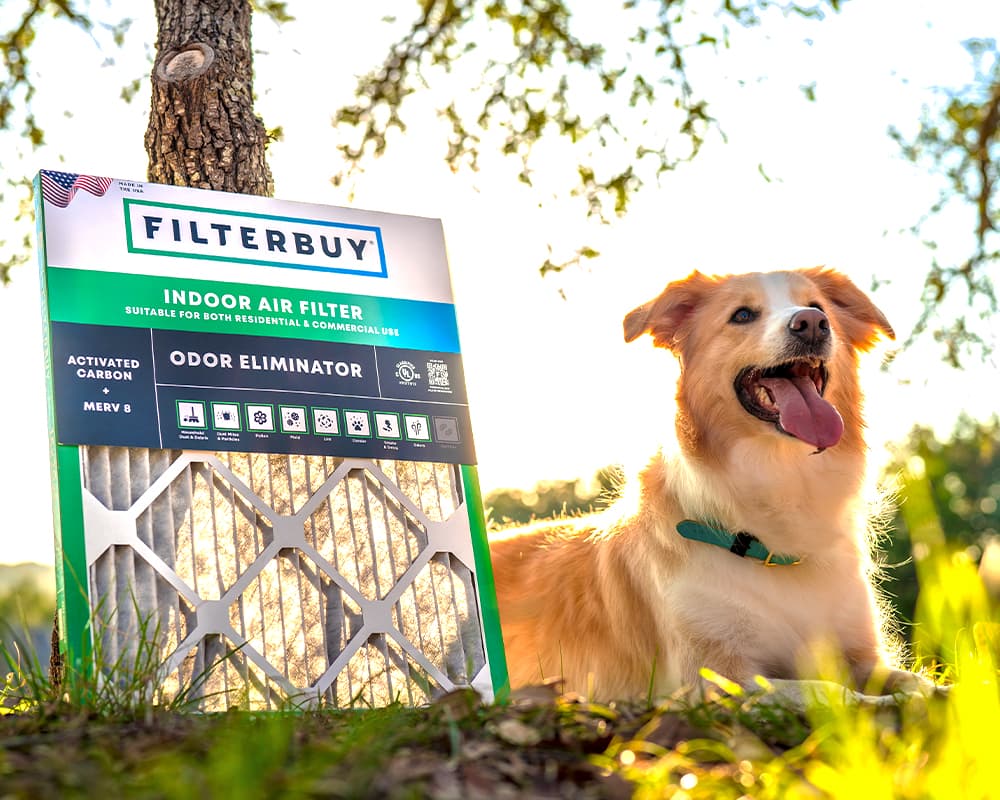
If you have pets...
Change your filter every
2 months
to avoid shedding and odor buildup.

If you have young children...
Change your filter every
2-3 months
as having clean air is even more important with children in your home.
If someone in your home has asthma or allergies...
Change your filter every
6 weeks
to ensure indoor air quality is at its best.
If you have pets...
Change your filter every
2 months
to avoid shedding and odor buildup.
If you have young children...
Change your filter every
2-3 months
as having clean air is even more important with children in your home.
Breathe Easy With Premium 16x24x1 Air Filters
16x24x1 air filters help you breathe easier. You’ll have fewer allergies and lets you live in a cleaner home. These air filters are designed to trap allergens and any other harmful particles. Replace air filters every 60-90 days. These filters are more complex than they look. Let's learn more about how they work.
Key Takeaways
Premium air filters of 16x24x1 dimensions efficiently capture dust, pollen, plus smaller particles, resulting in enhanced indoor air purity.
Filters of superior quality minimize allergy symptoms. Reducing disease transmission by trapping bacteria along with viruses.
Apart from retaining harmful pollutants these filters also assist in eliminating unpleasant odors. Thereby increasing the comfort of your living area.
When choosing filters, consider unique air quality requirements, MERV ratings, plus energy efficiency factors.
To ensure optimal performance carry out regular maintenance. This includes inspecting them every month and replacing them as needed.
Understanding 16x24x1 Air Filters
Choose the right size for your new filter. A 16x24x1 means it’s 16 inches long and 24 inches wide and the thickness is 1 inch. This affects how well the filter works and how long it lasts.
Furnace 16x24x1 air filters are good at trapping particles like dust, mold and other things that can make the air in your home bad. But the filter will get less effective over time.
Replace air filters every two to three months. Replace them more often if you have pets or someone in your home has allergies. Regular HVAC maintenance helps your air filter work better and extends the life of your HVAC system.
Health Benefits of Premium Filters
Premium air conditioner 16x24x1 filters help improve your overall well-being. Here's why:
Reducing Allergies: High-quality air filters can capture minuscule allergy-triggering particles. Consequently, sneezing decreases while ease of breathing increases.
Controlling Dust: Exceptional filters reduce dust accumulation in living spaces. Resulting in less cleaning and more healthful air.
Capturing Bacteria & Viruses: Such filters trap harmful microorganisms, thus diminishing the likelihood of spreading diseases.
Mitigating Odors: Some filters absorb unpleasant smells. Improving the enjoyment of your stay.
Using high-quality air filters helps you and your family stay healthy. They may cost more. But they are worth it. They help you breathe better and have fewer allergies.

Enhancing the Quality of Indoor Air
High-quality air filters boost the air quality. Their importance lies in their ability to eliminate airborne pollutants. That is harmful to our health. Pollutants like dust and any microscopic particles. They are invisible to the naked eye yet breathable.
Efficient filters trap and remove these pollutants. This makes the air cleaner and healthier. Not all air filters are the same. The size, material, and design of the filter affect how well it works. Choosing the right filter makes a big difference in the indoor air quality.
Selection Guide: Premium Air Filters
Here’s your guide when looking for an ideal air filter for your home. Consideration of filter types and power efficiency is key. Here are four steps to assist you:
Identify Your Requirements: All homes have unique air quality needs. Allergies, pets, or residing in polluted environments necessitate superior filters.
Examine the MERV Rating: Each filter has a MERV rating. A higher rating implies small particles can be caught, albeit at the potential cost of reduced airflow and energy efficiency.
Factor in Energy Efficiency: Certain filters, despite their cleaning prowess, could strain your HVAC system. Leading to higher energy consumption. Seek energy-efficient alternatives.
Measure Up: Make sure the filter size is appropriate for your setup. 16x24x1 for instance might be ideal.
Maintenance Tips for 16x24x1 Filters
Keep your furnace air filters in good condition. Consistent care prolongs its longevity. Ensuring a cleaner and healthier indoor atmosphere.
Inspect monthly: Check for dust and debris accumulation, which can reduce effectiveness.
Replace regularly: Filters typically need replacement every three months, more often for households with pets or allergies.
Turn off HVAC: Ensure the system is off before replacing the filter.
Correct installation: Follow the airflow direction indicator and avoid damage to the HVAC system.
Secure fit: Prevent unfiltered air circulation by ensuring a tight fit.
Maintain a log: Keep track of filter changes for future reference.
Frequently Asked Questions:
How long does a 16x25x1 air filter last?
Air conditioner 16x24x1 filters last 60-90 days under normal conditions. But in a busy household with pets and smokers, filters may need to be replaced every 30 days.
Is it worth buying a premium air filter?
Investing in a premium air filter is worth it. Especially for those with allergies and with respiratory conditions. They often have higher MERV ratings. Meaning they trap more particles. Like dust and pollen and other air pollutants.
What MERV is best for AC filters?
The best rating for AC filters falls between MERV 8 and 13. These filters effectively balance air filtration, energy efficiency, and airflow. Higher MERV ratings may provide better filtration. But also restrict airflow and reduce system efficiency.
Which is better synthetic or fiberglass air filter?
Synthetic air filters are better than fiberglass ones. They have higher efficiency, last longer, and are more effective at capturing smaller particles. But fiberglass filters are cheaper and need to be replaced more often.
Do expensive air filters last longer?
Expensive air filters last longer than cheaper versions. But it's not always a guarantee. The longevity of an air filter primarily depends on its quality and size. Also depends on the air quality in your home.
Which type of air filter will last the longest?
Pleated air filters last the longest. They have more surface area to capture particles and can go longer between replacements. But their lifespan also strongly depends on your household's air quality and usage.
Is it OK to use cheap air filters?
Cheap air filters are a good short-term solution. They don’t filter out smaller particles. As efficiently as higher-rated filters. This affects your indoor air quality and exacerbate allergies or respiratory issues. It's better to invest in a quality filter. That fits your specific needs.
Are high MERV filters worth it?
High MERV filters can be worth it. Particularly for people with allergies and respiratory issues or households with pets. They capture more and smaller particles. Leading to cleaner air but may also restrict airflow and reduce system efficiency.
Is MERV 11 too high for residential?
MERV 11 is not too high for residential use. It provides a higher level of filtration. Compared to lower MERV-rated filters. Which is excellent for removing more particles from the air. But it may cause an increased load on your HVAC system. If it's not designed to handle such filters.
Is MERV 16 too high?
Yes. A MERV 16 filter can be too restrictive. For most residential HVAC systems. While it provides excellent filtration it can also significantly reduce airflow. Potentially causing your system to work harder and reducing its lifespan.
Is MERV 13 too restrictive?
A MERV 13 filter won't hurt your HVAC system. But it puts additional strain on it. Due to the denser filtration material. Be sure to check your HVAC system's filter specifications before choosing a higher-rated filter.