
18x24x4 Air Filters
Actual Size: 17.5x23.38x3.63

3 month filters
2. Select Quantity
Buying multiple sizes?


Made in the USA
Ships in 24 hours
18x24x4 Air Filters Air Filter Description
Available In MERV Rating: 8, 11, 13
Made in the USA
Ships in 24 hours
Merv comparison
Scroll to see more.
 MERV 8 |  MERV 11 |  MERV 13 | |
|---|---|---|---|
| Best for | Standard Residential/Commercial Healthy Families | Superior Residential/Commercial Allergy Sufferers | Optimal Residential/Commercial Hospital Grade |
| Comparable ratings | MPR 600 & FPR 5 | MPR 1000-1200 & FPR 7 | MPR 1500 - 1900 & FPR 10 |
| Filtration | Captures 90% of Airborne Particles | Captures 95% of Airborne Particles | Captures 98% of Airborne Particles |
| Dust, lint & debris | |||
| Mold, pollen | |||
| Dander, dust mites | |||
| Smoke & Smog | |||
| Bacteria | |||
| Odor, vocs |
Is it time to change your filter?
Generally, we recommend you replace your air filters every 90 days. Find out below if you should change your filters more often.

If someone in your home has asthma or allergies...
Change your filter every
6 weeks
to ensure indoor air quality is at its best.
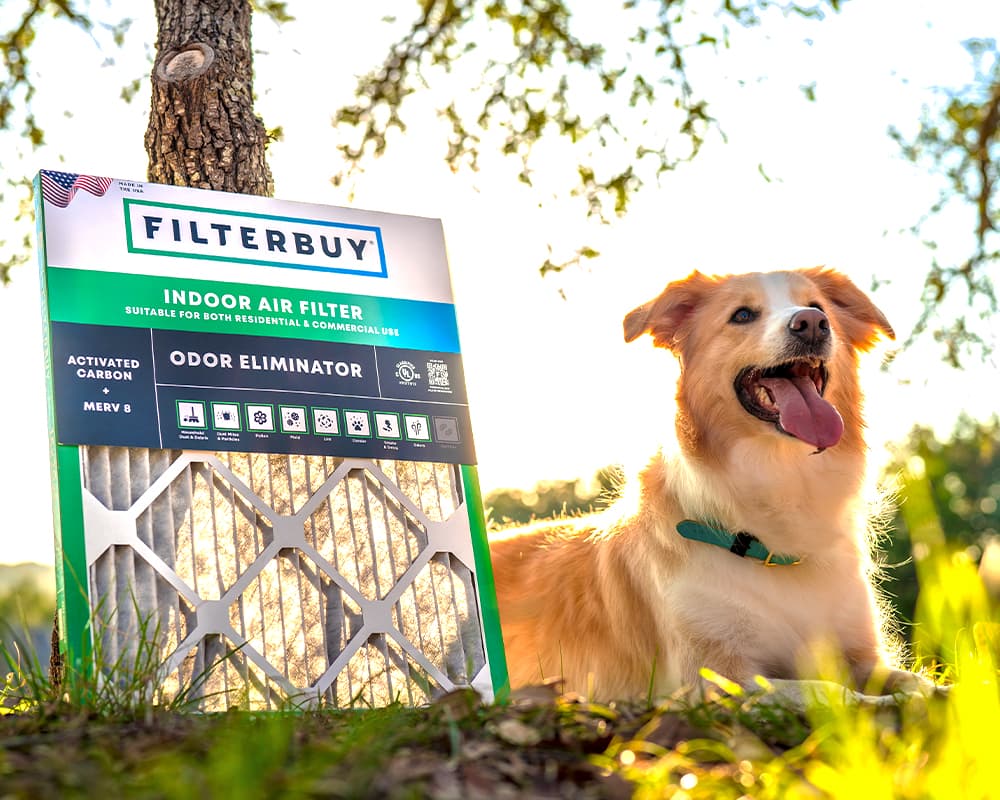
If you have pets...
Change your filter every
2 months
to avoid shedding and odor buildup.

If you have young children...
Change your filter every
2-3 months
as having clean air is even more important with children in your home.
If someone in your home has asthma or allergies...
Change your filter every
6 weeks
to ensure indoor air quality is at its best.
If you have pets...
Change your filter every
2 months
to avoid shedding and odor buildup.
If you have young children...
Change your filter every
2-3 months
as having clean air is even more important with children in your home.
Get Better Air Quality with 18x24x4 Air Filters: Keep Your Family Safe from Harmful Pollutants and Improve Your HVAC System’s Efficiency
Why Upgrading to an 18x24x4 Air Filter Makes a Big Difference for Your Home’s Air Quality
A high-performance 18x24x4 air filter stands as one of the greatest improvements you can make to your home's air quality by replacing your current filter. The replacement provides healthy indoor environments to your loved ones while improving HVAC system operation.
The dwelling we have worked in has shown that minor modifications produce substantial improvements. The deeper pleated design of the 18x24x4 filter traps tiny particles like dust alongside mold spores and pet allergens and bacteria until they become trapped inside the filter material before HVAC vents receive the air. 18x24x4 air filters make a big difference for households with children and pets or anyone who has asthma or allergy conditions.
✅ Top Takeaways
Captures over 90% of harmful airborne pollutants with MERV 13 rating
Boosts HVAC performance by reducing system strain and maintaining steady airflow
Great for households with children, pets, or allergy-sensitive individuals
Cost-effective upgrade with real health and comfort benefits
Change every 60–90 days to keep air quality high and systems running smoothly
🔍 Real-World Results: What We’ve Seen with the 18x24x4 Filter
Here are two firsthand examples from clients we’ve worked with:
👨👩👧 1. Family Home – Safer Air for Kids with Allergies
Location: Raleigh, NC | 3-bedroom homeProblem: Child with asthma, persistent indoor dustSolution: Upgraded to 18x24x4 MERV 13 filterResults:
Allergy symptoms eased within one week
Dust on surfaces noticeably reduced
HVAC tech noted improved air circulation and reduced motor strain
Insight: Larger, high-efficiency filters can trap smaller particles and protect vulnerable family members from airborne irritants.

🏘️ 2. Suburban Duplex – Cleaner Air, Lower Energy Bills
Location: Orlando, FL | 2-unit rental propertyProblem: Frequent HVAC maintenance, rising energy useSolution: Switched both units to 18x24x4 filtersResults:
28% drop in monthly HVAC-related energy use
Fewer complaints from tenants about “stuffy” air
Extended time between maintenance calls
Insight: In high-use properties, larger filters reduce strain and maintenance costs while improving comfort.
“After working in HVAC for over a decade, We’ve seen how something as simple as switching to an 18x24x4 air filter can completely shift a home’s air quality and system performance. It’s not just about filtering dust—it’s about protecting families, lowering energy costs, and keeping equipment running longer. For homes with kids, pets, or allergy concerns, this filter isn’t just a recommendation—it’s a must.”
📊 Supporting Statistics: Why 18x24x4 MERV 13 Filters Matter
These data-backed insights support what we’ve seen firsthand: high-efficiency filters like the 18x24x4 MERV 13 model offer measurable improvements in indoor air quality and HVAC performance.
1. MERV 13 Filters Remove Up to 90% of Harmful Particles
MERV 13 filters capture fine particles such as bacteria, smoke, mold spores, and pet dander.
This level of filtration significantly improves indoor air quality for allergy- and asthma-prone households.
🔗 EPA – Guide to Air Cleaners in the Home
2. High-Efficiency Filters Do Not Increase Energy Use When Maintained
A study by the American Society of Heating, Refrigerating and Air-Conditioning Engineers (ASHRAE) found no significant energy penalty when using high-MERV filters, as long as filters are replaced regularly.
🔗 FiltNews – Filter Impact on Energy Consumption
3. Indoor Air Can Be 2–5 Times More Polluted Than Outdoor Air
According to the EPA, indoor air quality is often significantly worse than outdoor air, making effective filtration essential for health.
🔗 EPA – Care for Your Air: A Guide to Indoor Air Quality
✅ Final Thoughts: Why This Filter Is Worth It
After years in the field, we’ve seen how powerful a simple filter upgrade can be.
What We’ve Learned:
Most homeowners overlook the impact of filtration.
The 18x24x4 MERV 13 filter makes a real difference—for your air, your HVAC, and your family’s comfort.
Results show up fast: less dust, fewer allergy symptoms, and quieter system performance.
Why We Recommend It:
Improves indoor air quality—especially for families with kids, pets, or allergies.
Reduces system wear and tear, helping avoid costly repairs.
Cuts energy bills by improving airflow efficiency.
Affordable, low-effort upgrade with high-impact results.
🛠️ Next Steps: Take Control of Your Indoor Air
Ready to breathe easier and boost your system’s performance? Start here:
Check Your Filter Size
Make sure your system uses an 18x24x4 filter.
Select MERV 13
Best for air quality and system balance.
Buy from a Trusted Supplier
Install Carefully
Turn off your HVAC and align the filter properly.
Replace Every 60–90 Days
Set reminders or subscribe for auto-refills.
🔧 Pro Tip: Schedule a semi-annual HVAC tune-up to keep everything running at peak performance.
Frequently Asked Questions
Do air filters need to be the exact size?
The recommended size of air filters for HVAC systems matches the specifications precisely to achieve proper installation and operation. The use of small filters can result in unfiltered air sneaking around the filter and improper fit of oversized filters may cause airflow problems.
Is MERV 11 too high for residential?
The residential environment benefits from MERV 11 filters due to their ability to serve households with allergy patients or pet owners. This filtration system effectively blocks dust particles and pollen while mold spores as well as allowing regular breathability.
Is it better to use cheap or expensive air filters?
Affordable filters do not guarantee sufficient filtration capabilities although they typically require more frequent replacements. Better air quality together with potentially reduced energy expenses results from investing in better-quality filters because they enhance HVAC efficiency.
What MERV rating is best for home use?
A MERV rating between 8 and 13 is typically best for home use. This range balances effective air filtration with minimal impact on airflow, making it suitable for most residential environments.
Do thicker air filters restrict airflow?
Thicker air filters can potentially restrict airflow if the HVAC system is not designed to accommodate them. However, many systems can handle thicker filters, and they often provide better filtration without significantly affecting airflow.
Can I use a 1 inch air filter instead of 4?
Using a 1-inch air filter instead of a 4-inch filter is not recommended, as it can lead to reduced filtration efficiency and increased strain on the HVAC system. Always use the filter size specified for your system to ensure optimal performance.