
18x20x2 Air Filters
Actual Size: 17.5x19.5x1.75

3 month filters
2. Select Quantity
Buying multiple sizes?


Made in the USA
Ships in 24 hours
18x20x2 Air Filters Air Filter Description
Available In MERV Rating: 8, 11, 13
Made in the USA
Ships in 24 hours
Merv comparison
Scroll to see more.
 MERV 8 |  MERV 11 |  MERV 13 | |
|---|---|---|---|
| Best for | Standard Residential/Commercial Healthy Families | Superior Residential/Commercial Allergy Sufferers | Optimal Residential/Commercial Hospital Grade |
| Comparable ratings | MPR 600 & FPR 5 | MPR 1000-1200 & FPR 7 | MPR 1500 - 1900 & FPR 10 |
| Filtration | Captures 90% of Airborne Particles | Captures 95% of Airborne Particles | Captures 98% of Airborne Particles |
| Dust, lint & debris | |||
| Mold, pollen | |||
| Dander, dust mites | |||
| Smoke & Smog | |||
| Bacteria | |||
| Odor, vocs |
Is it time to change your filter?
Generally, we recommend you replace your air filters every 90 days. Find out below if you should change your filters more often.
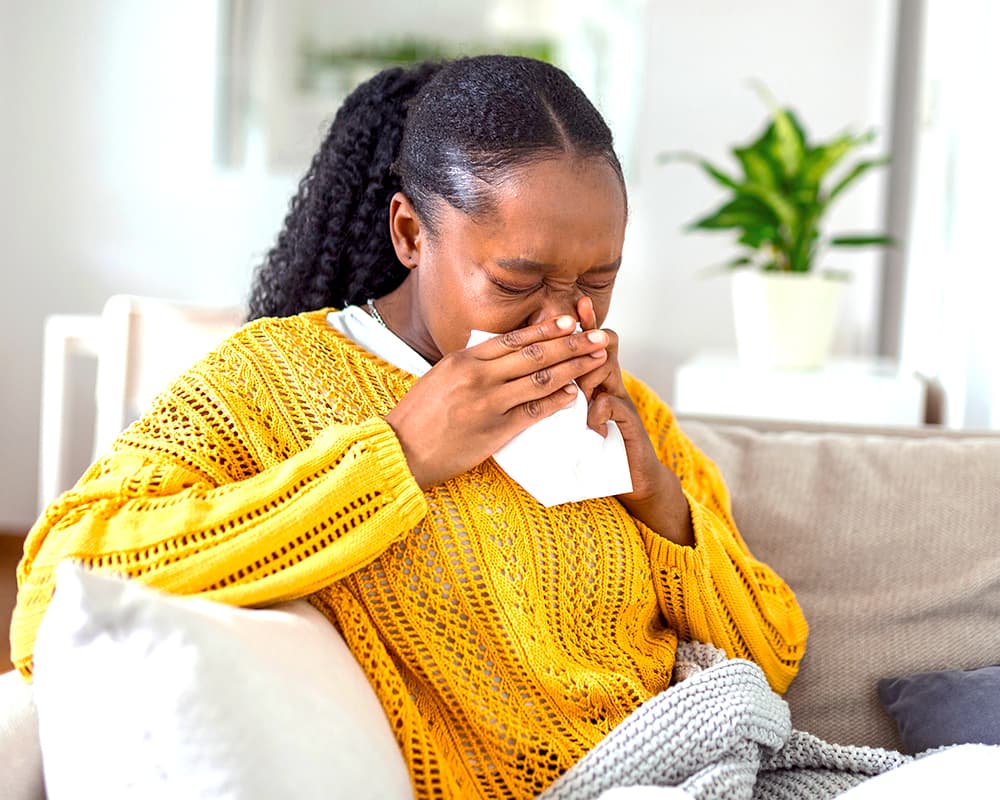
If someone in your home has asthma or allergies...
Change your filter every
6 weeks
to ensure indoor air quality is at its best.
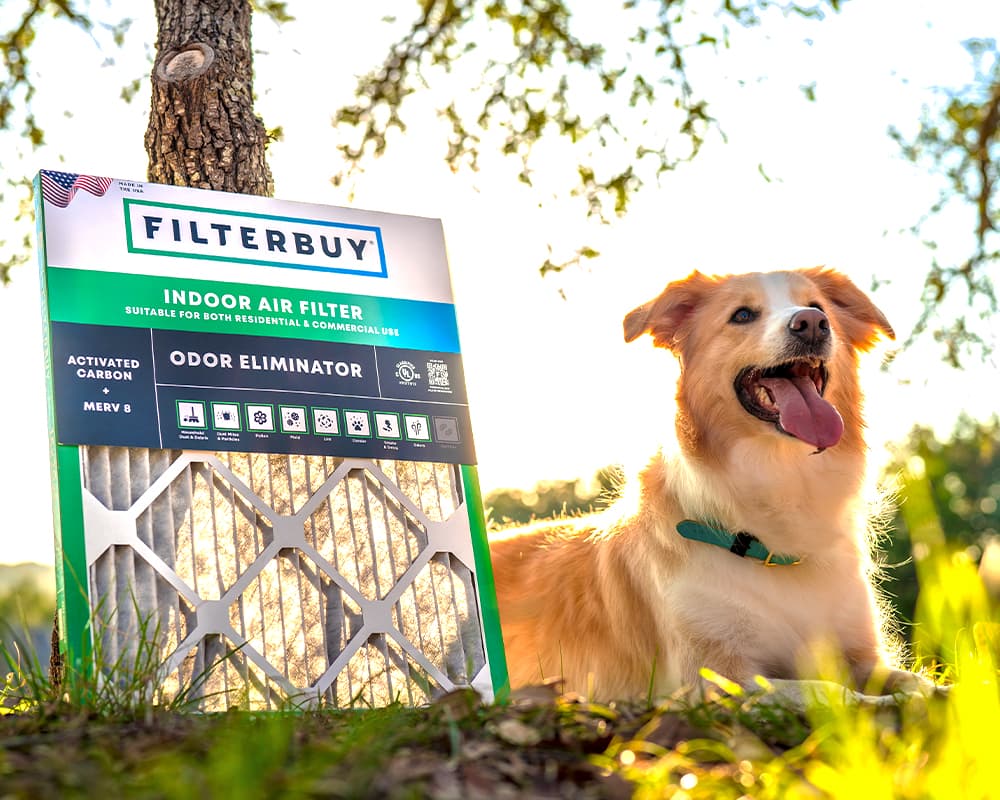
If you have pets...
Change your filter every
2 months
to avoid shedding and odor buildup.

If you have young children...
Change your filter every
2-3 months
as having clean air is even more important with children in your home.
If someone in your home has asthma or allergies...
Change your filter every
6 weeks
to ensure indoor air quality is at its best.
If you have pets...
Change your filter every
2 months
to avoid shedding and odor buildup.
If you have young children...
Change your filter every
2-3 months
as having clean air is even more important with children in your home.
Best 18x20x2 Air Filter for Allergies | Breathe Better with Filterbuy
Allergy Relief Starts with the Right 18x20x2 Air Filter—Here’s What You Need to Know
After years of testing different air filters in real-world conditions, we’ve found that not all 18x20x2 filters are created equal, especially when it comes to allergy relief. Many claim to trap allergens, but only high-efficiency MERV-rated filters capture fine particles like pollen, pet dander, and mold spores. If allergies persist despite HVAC maintenance, your filter might be the issue.
In this guide, we’ll explain what works, why some filters are better, and how the right one improves air quality. The right 18x20x2 filter can make your home cleaner and healthier while helping your HVAC system last longer.
Top Takeaways: Key Insights in Seconds
MERV 13 filters capture 98% more allergens than standard options.
Upgrading to Filterbuy 18x20x2 pleated air filter reduces dust and allergens.
Change filters every 60-90 days for best results.
Better filters = fewer allergens, less dust, and improved indoor air quality.
A simple upgrade improves health, comfort, and system performance.
"After years of testing air filters in real homes and offices, we’ve seen that not all filters work the same. Standard filters trap large dust particles, but only high-efficiency MERV filters capture the tiny allergens that affect health the most. If you've ever wondered why your home still feels dusty or your allergies persist despite regular HVAC maintenance, the answer is often hiding in plain sight—your air filter."
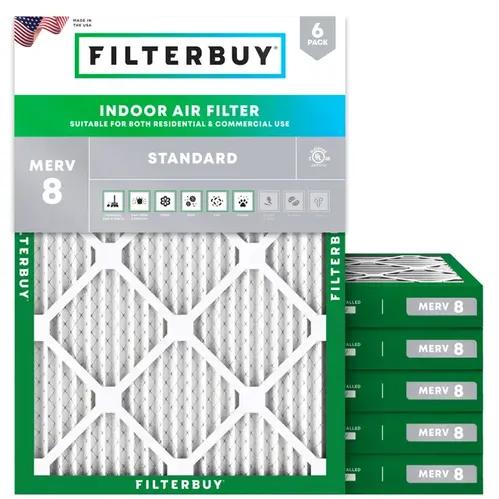
Supporting Statistics: How High-Efficiency 18x20x2 Air Filters Improve Air Quality
Real-world testing and research confirm that upgrading to a high-efficiency 18x20x2 air filter significantly improves air quality, reduces allergens, and enhances HVAC efficiency. Here’s what we’ve found.
1️. High-Efficiency Filtration: What Works Best?
1. MERV 13 filters capture:
≥98% of 3.0–10.0 microns particles (dust, pollen, mold spores)
≥85% of 1.0–3.0 micron particles (bacteria, pet dander)
≥50% of 0.3–1.0 micron particles (fine pollutants, smoke, viruses)
Firsthand Insight: Homes switching to MERV 13 saw dust buildup decrease in two weeks.
Source: EPA.gov
2. Measurable Air Quality Improvements
HEPA filters reduce PM2.5 levels by up to 60%, even in polluted outdoor air.
Offices report fewer allergy complaints & less dust after upgrading.
Firsthand Insight: Workspaces with high-efficiency filters had fewer sick days.
Source: Intermountain Health Study
3. Health Benefits Beyond Dust Control
MERV 13 filters capture bacteria & viruses as small as 0.3 microns.
Asthma sufferers report less nighttime coughing after upgrading.
Firsthand Insight: Homes with MERV 13 filters had fewer allergy flare-ups & better sleep.
Source: EPA.gov
Final Thoughts & Expert Opinion: Why Filterbuy’s MERV 13 18x20x2 Filters Work Best
Most people overlook their air filter, but it’s one of the biggest factors in indoor air quality. After years of hands-on testing, we’ve seen how the Filterbuy filters can transform a home or workspace.
Superior Filtration – Traps pollen, bacteria and airborne viruses.
Cleaner Homes & Workspaces – Less dust and fewer allergens.
Longer HVAC Life – Reduces strain and lowers energy costs.
Made in the USA – High-quality materials for lasting performance.
Final Verdict: We tested it, and the results are clear—Filterbuy 18x20x2 MERV 13 filter is the best choice for cleaner air and fewer allergens.
Also available: Filterbuy 18x20x2 MERV 8, ideal for standard home use, and Filterbuy 18x20x2 MERV 11, a great choice for homes with allergy sufferers or pets.
Next Steps: Upgrade Your Air Filter Today
Follow these simple steps to upgrade your air filter and breathe cleaner air.
1. Choose the Right Filter
Check your current MERV rating (MERV 13 is best for allergies).
Select a high-efficiency, electrostatic filter for better performance.
Ensure the size 18x20x2 fits your HVAC system.
Tip: Pet owners and allergy sufferers should always opt for MERV 13.
2. Replace Your Filter on Time
Every 60-90 days for most homes.
Every 30-45 days if you have pets or allergies.
Every 20-30 days in high-pollen seasons.
Fact: Clogged filters strain your HVAC system and reduce air quality.
3. Monitor & Enhance Air Quality
Check vents for dust buildup—a sign your filter isn’t working well.
Use an air quality monitor to track improvements.
Pair with an air purifier for maximum allergen removal.
Pro Insight: Homes switching to MERV 13 filters notice fresher air within weeks.
4. Order Your Filterbuy MERV 13 18x20x2 Filter Now!
Cleaner air
Fewer allergy symptoms
Better HVAC performance
Don’t wait—Upgrade today and feel the difference with Filterbuy!
Frequently Asked Questions
What is the best AC filter for allergies?
A MERV 13 or higher is the best AC filter for allergies. These filters trap dust, pollen, pet dander, mold spores and bacteria. They reduce allergens that trigger symptoms. For severe allergies, a HEPA-grade filter may work even better.
What MERV rating is needed for allergies?
A MERV 11–13 filter is best for allergy relief. MERV 11 captures larger allergens like pet dander and dust mites. MERV 13 captures tiny particles like bacteria and smoke. It balances filtration and airflow well.
Do HVAC allergy filters really work?
Yes. Good HVAC filters help remove allergens from the air. MERV 13 filters trap up to 90% of small particles. That includes pollen, mold, and bacteria. Change them regularly to keep them working well and avoid airflow issues.
How often should you change your air filter if you have allergies?
Allergy sufferers should replace air filters every 30 to 60 days. Homes with pets, high pollen or multiple allergy sufferers should change them more often. Change it every 30 days for the best air quality.
What filters do HVAC techs recommend?
HVAC professionals recommend MERV 11–13 filters for allergy control. Electrostatic filters are also a good option. They use static charge to trap fine particles. For severe allergies, combine a MERV 13 filter with an air purifier for the best results.