
20x24x2 Air Filters
Actual Size: 19.38x23.38x1.75

3 month filters
2. Select Quantity
Buying multiple sizes?


Made in the USA
Ships in 24 hours
20x24x2 Air Filters Air Filter Description
Available In MERV Rating: 8, 11, 13
Made in the USA
Ships in 24 hours
Merv comparison
Scroll to see more.
 MERV 8 |  MERV 11 |  MERV 13 | |
|---|---|---|---|
| Best for | Standard Residential/Commercial Healthy Families | Superior Residential/Commercial Allergy Sufferers | Optimal Residential/Commercial Hospital Grade |
| Comparable ratings | MPR 600 & FPR 5 | MPR 1000-1200 & FPR 7 | MPR 1500 - 1900 & FPR 10 |
| Filtration | Captures 90% of Airborne Particles | Captures 95% of Airborne Particles | Captures 98% of Airborne Particles |
| Dust, lint & debris | |||
| Mold, pollen | |||
| Dander, dust mites | |||
| Smoke & Smog | |||
| Bacteria | |||
| Odor, vocs |
Is it time to change your filter?
Generally, we recommend you replace your air filters every 90 days. Find out below if you should change your filters more often.

If someone in your home has asthma or allergies...
Change your filter every
6 weeks
to ensure indoor air quality is at its best.
If you have pets...
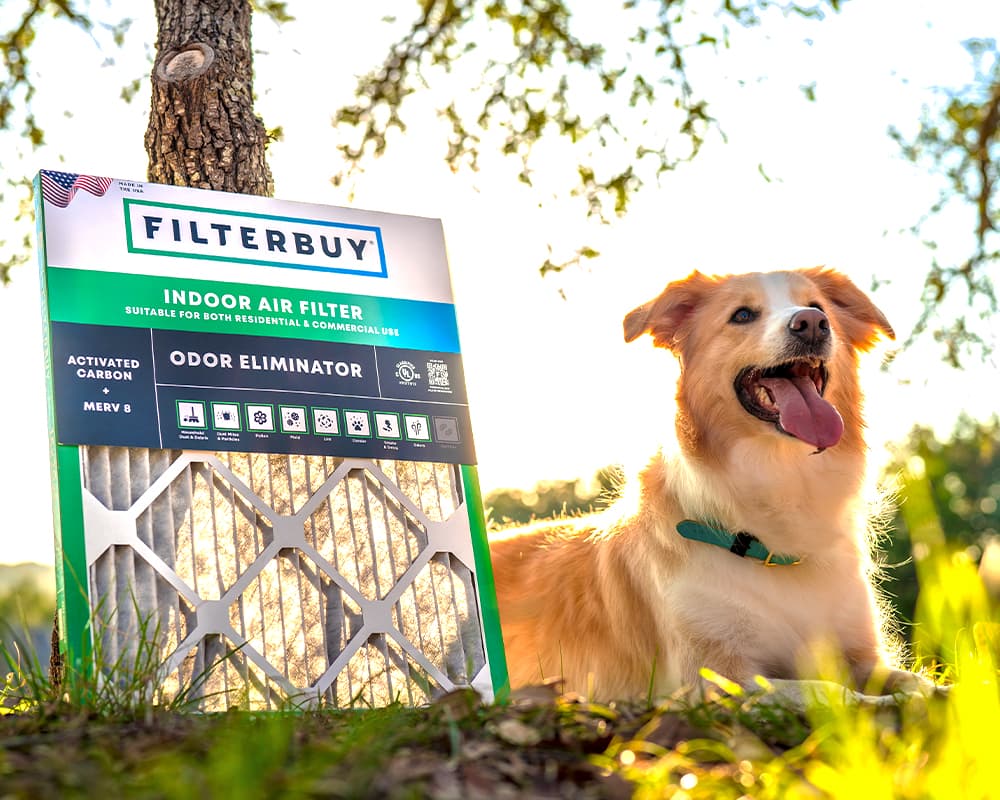
Change your filter every
2 months
to avoid shedding and odor buildup.

If you have young children...
Change your filter every
2-3 months
as having clean air is even more important with children in your home.
If someone in your home has asthma or allergies...
Change your filter every
6 weeks
to ensure indoor air quality is at its best.
If you have pets...
Change your filter every
2 months
to avoid shedding and odor buildup.
If you have young children...
Change your filter every
2-3 months
as having clean air is even more important with children in your home.
Invest in Quality 20x24x2 Furnace Filters
Filterbuy 20x24x2 furnace filters improve your home's air quality. They capture allergens, dust, and tiny pollutants that can harm your health. Their dense weave and high MERV rating provide better filtration. This reduces wear and tear on HVAC systems. It also saves you money over time. Continue for more tips to keep your home healthy.
Key Takeaways
20x24x2 furnace filters keep indoor air clean by trapping harmful particles.
High quality filters make the air healthier and protect HVAC systems. They also lower long term costs.
Pleated and electrostatic filters trap more dust and allergens than fiberglass.
Higher MERV ratings catch more pollutants, improving air quality over time.
Superior filters reduce allergens, bacteria, and viruses. This helps prevent breathing problems.
Furnace Air Filters Guide
Furnace air filters help keep your home healthy and comfortable. Understanding filter materials and how long they last helps you pick the right one.
There are three types: fiberglass, pleated and electrostatic. Fiberglass filters don't trap small particles well and need replacing often. Pleated filters are a better choice. They trap more contaminants, last longer, and improve airflow. Electrostatic filters are effective but tend to be the most expensive.
Pleated filters last up to three months. They offer the best balance of performance and cost. Filterbuy's pleated filters last three times longer than fiberglass. They improve airflow and trap harmful particles. This keeps your air cleaner for longer.
Importance of High Quality Filters
Cheap furnace filters may seem like a good deal. But they don’t last long or work well. High quality filters like pleated ones trap more dust, pollen and bacteria. This keeps air cleaner and healthier.
Low quality filters miss tiny particles that cause allergies and breathing problems. A better filter helps reduce these risks. This helps people who suffer from asthma or allergies. Top notch filters makes a healthier home.
Benefits of Filterbuy 20x24x2 Furnace Filters
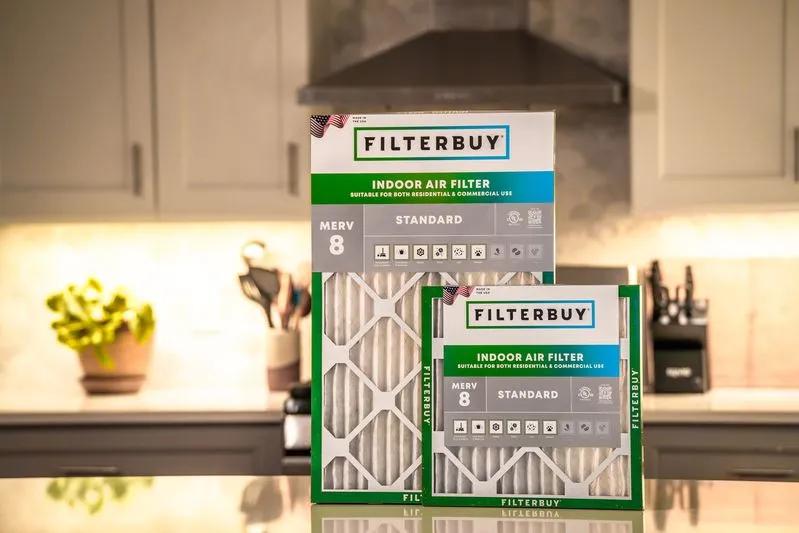
Filterbuy 20x24x2 pleated filters improve air quality and keep your furnace running smoothly. They trap dust, pollen and other particles. This helps your home stay cleaner.
These filters also protect your heating and cooling system. By reducing buildup, they prevent damage and lower maintenance costs. They last up to three months, so you don’t have to replace them as often as fiberglass filters.
Investing in Home Air Health
Clean air keeps your family healthy. Filterbuy 20x24x2 MERV filters remove allergens and pollutants that cause breathing problems.
These filters are made with advanced synthetic material which traps more particles than standard cotton ones. Their durable frame resists humidity and high temperatures. This keeps performance strong over time.
These filters cut down allergens, bacteria and viruses. They help prevent breathing problems. Your home stays safer and healthier.
Selecting the Right Air Filter
Picking the right furnace filter is easy when you focus on material and efficiency.
On material, Filterbuy 2-inch pleated filters outperform fiberglass filters. They last longer, improve airflow and trap more harmful particles.
Efficiency is measured by MERV ratings. A higher MERV rating means better filtration.
Filterbuy 20x24x2 MERV 8 air filter: Ideal for everyday use. Traps dust, pollen, and pet dander while keeping strong airflow. Best for homes without allergies.
Filterbuy 20x24x2 MERV 11 air filter: Best for homes with pets or mild allergies. Captures mold spores and fine dust while maintaining good airflow.
Filterbuy 20x24x2 MERV 13 air filter: Great for severe allergies or asthma. Removes bacteria, viruses and smoke. Check HVAC compatibility for optimal performance.
Why Choose Filterbuy Air Filters?
Filterbuy offers high performance filters that enhance air quality and HVAC efficiency. They prioritize quality and convenience to give you the best value for your filtration needs.
Key Benefits:
Fast order processing with nationwide shipping
Affordable subscription service for regular deliveries
100% American-made filters
Easy installation with clear instructions
Filters that last up to 3x longer than fiberglass alternatives
Frequently Asked Questions
What is a good MERV rating for air filters?
The best MERV ratings for home air filters are 8 to 13. They trap common allergens and particles. They also keep airflow steady.
What is the best MERV rating on air filters?
The best MERV rating depends on where the filter is used. For hospitals or clean rooms, a rating of 17 to 20 is ideal. These filters catch very fine particles, including bacteria and viruses.
What's a disadvantage of the highest MERV rated filters?
The highest MERV filters can reduce airflow a lot. This puts extra strain on the HVAC system. It may lead to higher energy bills and worn-out parts.
Does MERV matter on air filters?
Yes. MERV matters for air filters. It shows how well a filter traps different particle sizes. This affects indoor air quality and HVAC performance.
Are premium home air filters worth it?
People with allergies or asthma may need a better air filter. Costlier filters trap finer particles. They also improve indoor air quality more effectively.
Is MERV 11 too high for residential?
MERV 11 is not too high to use in residences. It is very efficient in catching dust. Also, pollen and pet dander with minimal airflow restriction in most HVACs.
What is the main drawback of using a high MERV filter?
A high MERV filter limits airflow more than a lower-rated one. This make the HVAC system work harder. It may also use more energy.
Does MERV 11 restrict airflow?
MERV 11 filters reduce airflow more than lower-rated ones. However, most home HVAC systems can handle it. Performance is not seriously affected.
Do pleated air filters restrict airflow?
Pleated filters have more surface area to trap particles. This can slightly reduce airflow. However, the extra area also improves filtration with little airflow loss.
Does higher MERV make AC work harder?
Yes, a higher MERV rating can make an AC system work harder. It restricts airflow more. The system needs more energy to push air through the filter.
Is MERV 14 too high?
MERV 14 is considered too high to be used in most residential HVACs. Because of over-restriction of airflow. It may be fitted or appropriate for environments that need higher air quality standards. Examples are in hospitals or industrial settings.
How often should air filters be changed?
Air filters should normally be replaced every 1 to 3 months, depending on the type of filter applied, the conditions within the home, and the usage.