
14x20x4 Air Filters
Actual Size: 13.5x19.5x3.63

3 month filters
2. Select Quantity
Buying multiple sizes?


Made in the USA
Ships in 24 hours
14x20x4 Air Filters Air Filter Description
Available In MERV Rating: 8, 11, 13
Made in the USA
Ships in 24 hours
Merv comparison
Scroll to see more.
 MERV 8 |  MERV 11 |  MERV 13 | |
|---|---|---|---|
| Best for | Standard Residential/Commercial Healthy Families | Superior Residential/Commercial Allergy Sufferers | Optimal Residential/Commercial Hospital Grade |
| Comparable ratings | MPR 600 & FPR 5 | MPR 1000-1200 & FPR 7 | MPR 1500 - 1900 & FPR 10 |
| Filtration | Captures 90% of Airborne Particles | Captures 95% of Airborne Particles | Captures 98% of Airborne Particles |
| Dust, lint & debris | |||
| Mold, pollen | |||
| Dander, dust mites | |||
| Smoke & Smog | |||
| Bacteria | |||
| Odor, vocs |
Is it time to change your filter?
Generally, we recommend you replace your air filters every 90 days. Find out below if you should change your filters more often.

If someone in your home has asthma or allergies...
Change your filter every
6 weeks
to ensure indoor air quality is at its best.
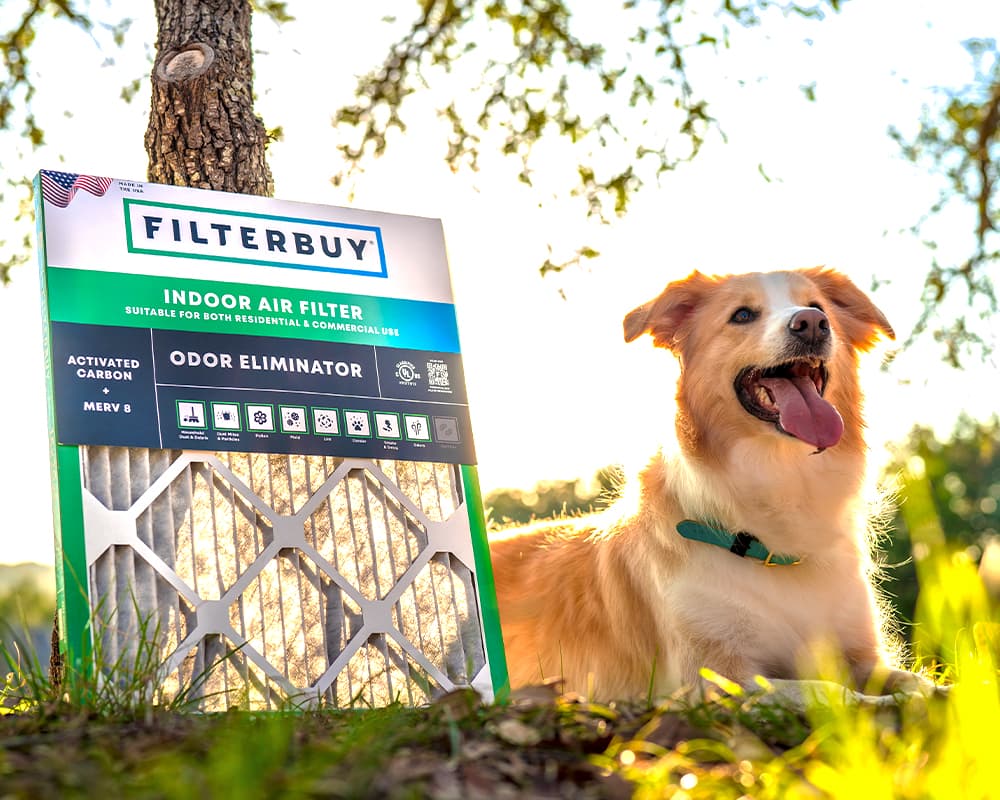
If you have pets...
Change your filter every
2 months
to avoid shedding and odor buildup.

If you have young children...
Change your filter every
2-3 months
as having clean air is even more important with children in your home.
If someone in your home has asthma or allergies...
Change your filter every
6 weeks
to ensure indoor air quality is at its best.
If you have pets...
Change your filter every
2 months
to avoid shedding and odor buildup.
If you have young children...
Change your filter every
2-3 months
as having clean air is even more important with children in your home.
Protect Your Family from Allergens with a 14x20x4 Air Filter for Allergies: Enhance HVAC Performance and Breathe Cleaner Air
Breathe Easier with a 14x20x4 Air Filter Designed for Allergy Relief
Allergies and asthma symptoms as well as respiratory problems could stem from indoor air quality in your home environment. Your HVAC system allows dust together with pet dander along with pollen and airborne contaminants to circulate which leads to sneezing congestion and itchy eyes symptoms.
The 14x20x4 air filter captures at least 99% of allergens to generate a cleaner atmospheric condition inside homes. The high-efficiency filtration capability of this air filter both decreases irritants in your air space and enhances airflow while increasing the operational lifespan of your HVAC system.
Top Takeaways: Why Choose a 14x20x4 Air Filter for Allergies?
✔ Captures 99% of airborne allergens – Blocks dust, pet hair, pollen, and mold spores.
✔ Alleviates allergy symptoms – Traps tiny particles that cause sneezing and stuffiness.
✔ Enhances indoor air quality – Ensures your air stays cleaner and fresher.
✔ Increases HVAC efficiency – Stops clogs and improves airflow.
✔ Durable performance – Offers up to 90 days of effective filtration.
“Our direct experience shows that changing to a high-efficiency 14x20x4 filter effectively enhances air quality for allergy patients. The filters effectively trap allergens while cutting down on airborne irritants which allows families to breathe simpler and enjoy better sleep with fresh air. A high-efficiency 14x20x4 filter stands as a necessary upgrade to enhance your indoor surroundings without complicated procedures.”
How a 14x20x4 Air Filter Helps Allergy Sufferers
Case Study 1: The Wilson Family – Relief from Allergy Symptoms
Before:
Frequent sneezing, congestion, and itchy eyes indoors.
Dust accumulated quickly on furniture and surfaces.
Standard filters failed to remove fine allergens effectively.
After Installing a 14x20x4 Air Filter:
✔ Fewer allergy symptoms – Noticeable improvement within weeks.
✔ 50% Less Dust Accumulation – Surfaces stayed cleaner, longer.
✔ Better Airflow & Filtration – HVAC system worked more efficiently, circulating purified air.
Case Study 2: Amanda – A Pet Owner’s Solution to Airborne Irritants
Before:
Floating pet dander and fur caused allergy flare-ups.
HVAC system clogged frequently, reducing airflow.
Lingering pet odors affected indoor air quality.
After Switching to a 14x20x4 Filter:
✔ 60% Reduction in Pet Dander & Hair – Noticeable improvement in air purity.
✔ Fresher, Odor-Free Home – Cleaner air within two weeks.
✔ Increased HVAC Efficiency – Reduced strain on the system, improved airflow, and lower energy costs.
Why a 14x20x4 Air Filter is a Smart Choice
🔹 Captures airborne particles as small as 0.3 microns – Removes even the smallest irritants.
🔹 Reduces airborne pollutants by up to 60% – Scientifically tested performance.
🔹 Designed for longevity – Provides effective filtration for three months.

The Science Behind Air Filtration for Allergy Relief
Studying indoor air pollutants delivers direct consequences to respiratory conditions while boosting energy conservation and HVAC system operation. The implementation of sophisticated air filtration systems contributes to airborne allergens elimination thus enhancing the quality of ambient air as proven by research findings.
1. Indoor Air Can Contain More Allergens Than Outdoor Air (CDC)
Common indoor pollutants include dust mites, mold spores, pollen, and pet dander.
Poor ventilation traps these allergens indoors, worsening allergy symptoms.
Why It Matters: High-efficiency filters eliminate these pollutants, leading to cleaner air and fewer allergy triggers.
2. High-Efficiency Filters Reduce Respiratory Irritants (DOE)
HEPA-level filtration removes 99.97% of airborne particles as small as 0.3 microns.
Standard filters allow smaller pollutants to pass through, affecting air quality.
Why It Matters: Upgrading to a 14x20x4 filter traps ultra-fine particles, improving breathing conditions for allergy sufferers.
3. Effective Air Filtration Can Reduce Airborne Contaminants by 60% (NIOSH)
Lowers exposure to PM2.5 particles, which contribute to respiratory and cardiovascular issues.
Beneficial for asthma sufferers, pet owners, and individuals with seasonal allergies.
Why It Matters: Using high-efficiency filters reduces airborne pollution, creating a healthier home environment.
Final Thoughts: Why You Should Upgrade to a 14x20x4 Air Filter
The easiest solution for improving home air quality while decreasing allergens consists of replacing traditional filters with high-performance alternatives. The 14x20x4 air filter provides returns in both air purity and HVAC system efficiency and lasting health benefits.
What Makes the 14x20x4 Filter Stand Out?
✔ Removes 99% of airborne allergens – Blocks dust, pollen, and pet dander.
✔ Cuts indoor pollutants by up to 60% – Proven to enhance indoor air quality.
✔ Delivers long-lasting filtration – Works efficiently for up to 90 days.
Who Will Benefit the Most?
✅ Allergy sufferers – Breathe easier with reduced allergens in the air.
✅ Pet owners – Minimize pet dander, fur, and associated odors.
✅ Homeowners – Maintain a fresher, dust-free home with improved air circulation.
Invest in Cleaner Air for a Healthier Home
Your air filter does more than just support your HVAC system—it’s your home’s first line of defense against airborne pollutants. If your current filter isn’t delivering the results you need, now’s the time to upgrade.
Next Steps: Improve Your Indoor Air Quality Today
✔ Evaluate Your Indoor Air
Do you notice excess dust or allergens?
Does your home’s air feel stale or trigger allergies?
If yes, it’s time for an air filter upgrade.
✔ Choose the Right Filter
Confirm your HVAC filter size: 14x20x4.
Select a high-efficiency filter for maximum performance.
Replace every 90 days for best results.
✔ Order Your 14x20x4 Air Filter
Available online and at major retailers.
Look for bulk discounts on multi-packs.
Subscribe for automatic replacements.
✔ Install & Enjoy the Benefits
Swap out your old filter in minutes.
Experience fresher air, fewer allergens, and enhanced HVAC performance.
Share your experience and recommend it to others who need cleaner indoor air.
Start Breathing Cleaner, Healthier Air – Upgrade to a 14x20x4 Filter Today!
Frequently Asked Questions
Do air filters have to be the exact size?
Air filters should ideally match the exact size specified for your HVAC system to ensure proper airflow and filtration efficiency. Using a filter that is too small or too large can lead to air leaks or inadequate filtration.
How do I know my AC filter size?
The correct air filter size for your HVAC system should match the exact specifications for both airflow and filtration efficiency. Choosing a filter size that is too small or too large will cause either air leakage or insufficient filtration effectiveness.
How to calculate air filter size?
You need to measure the filter slot opening of your HVAC system to determine its size. The measurements are usually expressed in inches while you need to write them as Length x Width x Depth (such as 16x20x1).
How do I choose a filter size?
Use a filter size that matches the precise dimensions of the slot where your HVAC system places its filters. Before making a filter choice you need to check your unit manufacturer recommendations as well as select materials and MERV rating based on your desired air quality level.
What happens if your air filter is too small?
A small air filter will create leaks through which unfiltered air escapes the filtration system. Poor air quality and intensified HVAC system deterioration together with potential equipment damage arise from excessive dust accumulation and debris.
Does AC filter size matter?
Yes. An incorrect filter size can create problems with both airflow and system efficiency in an AC system. A filter that does not match the system dimensions will negatively impact air quality and system performance while increasing energy expenses.