
14x14x1 Air Filters
Actual Size: 13.75x13.75x0.75

3 month filters
2. Select Quantity
Buying multiple sizes?


Made in the USA
Ships in 24 hours
14x14x1 Air Filters Air Filter Description
Available In MERV Rating: 8, 11, 13, Odor Eliminator
Made in the USA
Ships in 24 hours
Merv comparison
Scroll to see more.
 MERV 8 |  MERV 11 |  MERV 13 |  Odor Eliminator | |
|---|---|---|---|---|
| Best for | Standard Residential/Commercial Healthy Families | Superior Residential/Commercial Allergy Sufferers | Optimal Residential/Commercial Hospital Grade | ODOR ELIMINATOR Residential/Commercial Household Odors |
| Comparable ratings | MPR 600 & FPR 5 | MPR 1000-1200 & FPR 7 | MPR 1500 - 1900 & FPR 10 | MPR 1000-1200 & FPR 7 |
| Filtration | Captures 90% of Airborne Particles | Captures 95% of Airborne Particles | Captures 98% of Airborne Particles | Captures 95% of Airborne Particles |
| Dust, lint & debris | ||||
| Mold, pollen | ||||
| Dander, dust mites | ||||
| Smoke & Smog | ||||
| Bacteria | ||||
| Odor, vocs |
Is it time to change your filter?
Generally, we recommend you replace your air filters every 90 days. Find out below if you should change your filters more often.

If someone in your home has asthma or allergies...
Change your filter every
6 weeks
to ensure indoor air quality is at its best.
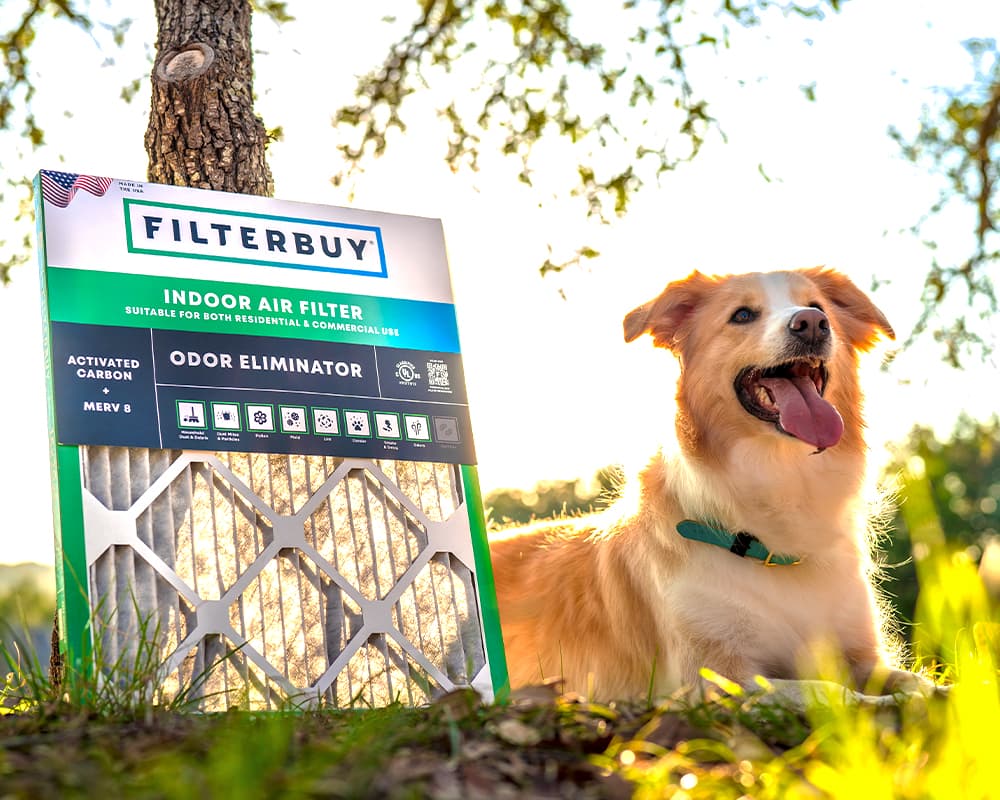
If you have pets...
Change your filter every
2 months
to avoid shedding and odor buildup.

If you have young children...
Change your filter every
2-3 months
as having clean air is even more important with children in your home.
If someone in your home has asthma or allergies...
Change your filter every
6 weeks
to ensure indoor air quality is at its best.
If you have pets...
Change your filter every
2 months
to avoid shedding and odor buildup.
If you have young children...
Change your filter every
2-3 months
as having clean air is even more important with children in your home.
Get Clean Air With Budget 14x14x1 Air Filters
14x14x1 air filters are affordable and help you breathe more easily. These filters capture small particles. Which reduces allergens and pollutants. This improves your indoor air quality. They help you breathe better and sleep better. Most importantly they reduce the risk of respiratory problems.
Let’s find out how these 14x14x1 air filters get the air clean without breaking the bank!
Key Takeaways
Affordable 14x14x1 air filters capture dust, allergens, and volatile organic compounds (VOCs), helping to improve the overall air quality indoors.
Their uniform size guarantees a seamless fit into various HVAC systems, making replacements easy and reasonably priced.
Higher MERV-rated filters offer better filtering by removing more allergens and dangerous particles from the air.
Frequent HVAC maintenance and checks, help your filters last longer and continue to function at their peak.
High-quality filters promote a healthier home and lead to noticeable energy savings over time.
Innovative Air Filter Features
Advanced air filters make improving home air quality simpler.
Employs Smart Filtration Technology: This effectively captures particles compared to traditional options. Available MERV ratings allow the selection of the appropriate filtration level based on specific needs.
Use of Eco-friendly Materials: This contributes to a reduced environmental impact. Durable frames resist humidity and temperature, ensuring long-lasting performance. This leads to fewer replacements and consistent air quality.
Regular filter changes remain crucial for maintaining efficiency. So keeping track of home air filter replacement schedule is important. Investing in advanced features significantly enhances a healthier home environment.
Advantages of 14x14x1 Air Filters
Compatibility: It makes them a versatile choice for many homes. Because of their standard air filter size compatibility problems are eliminated. This makes shopping easier.
Filter Efficiency: 14x14x1 air filters capture dust, allergens, and other stuff in the air.
Significant Savings: Using 14x14x1 air filters saves you money. Higher filter efficiency facilitates smoother operation of HVAC systems. When systems work less hard to circulate air, energy bills often decrease.
Affordability: These air conditioner 14x14x1 filters frequently cost less than specialized alternatives, enabling bulk purchases without overspending.
Don't overlook the advantages of quality air filters. Choosing a 14x14x1 option represents an investment in health and finances. Make a smart decision today!

How to Choose the Right Filter
Choosing the best 14x14x1 air filters for your home is easy. First, check how well it filters out stuff in the air. Higher efficiency leads to cleaner indoor air.
However, choosing the most efficient option isn't the sole consideration. Different filters have different pros and cons. Pleated filters are good for both price and how well they work. While electrostatic filters are great at catching small stuff but pricier.
How can you make the right choice? Begin by considering your household requirements. If you have pets or allergies then a high-quality filter is a must.
Budget constraints might make pleated filters the ideal selection. Always aim for a filter that strikes a balance between efficiency, affordability, and specific household needs.
Understanding your requirements simplifies the process significantly. With this knowledge, you will confidently make an informed choice.
Installation Tips for Optimal Performance
Proper installation of an air filter is vital for peak performance and efficiency.
Filter Orientation: Start by checking filter orientation. Ensuring airflow arrows point in the correct direction maximizing air circulation and filtration effectiveness.
Seasonal Changes: This also impacts air quality and filter performance. For example, autumn brings falling leaves and debris that can clog filters quickly. So inspect and replace them more often. During winter months, indoor air becomes drier, affecting filter efficiency.
Preparation: Clean the area around the filter slot before installation, as dust and debris can hinder functionality. After securing the filter in place, double-check for a snug fit with no gaps.
Filter Thickness: To maintain ideal airflow, avoid filters that are too thick, as this can restrict performance.
Keep a record of installation dates to remind yourself to check and replace filters regularly. Following these tips ensures efficient operation, providing clean, healthy air.
Maintaining Your Air Filters
Maintaining air filters is important for effective performance over time. Regular upkeep not only enhances air quality but also prolongs filter life, leading to cost savings in the future.
Here are three points to remember. To ensure filters remain in excellent condition.
Monthly Inspection: Check filters every month. Dust and allergens can build up quickly, making it crucial to monitor their status.
Clean or Swap: Depending on how often cleaning occurs, filters may require cleaning or replacement every 1-3 months. Noticeable airflow reduction or increased dust in living spaces are signs of filter replacement.
Manufacturer Recommendations: Always consult the manufacturer's guidelines for tailored cleaning and replacement schedules. They provide the best advice for maximizing filter longevity.
Frequently Asked Questions:
What MERV rating is good for air filters?
A good MERV rating for residential use ranges from 8 to 12. Filters with a MERV rating of 8 effectively capture dust and mold spores. While those rated 11 or 12 trap pet dander and smoke. Higher-rated filters, such as the 14x14x1 air filter MERV 13 and above are designed for more specialized environments. And can capture smaller particles, making them suitable for allergy sufferers or homes with pets.
Do I really need a MERV 11 filter?
If you need a MERV 11 filter depends on what you need. It helps catch smaller stuff in the air. Like pet dander and mold spores. This filter is also good if you have allergies or respiratory health issues.
What's the disadvantage of the highest MERV-rated filters?
The highest MERV-rated filters restrict airflow in your system. This makes the system work harder. It is potentially increasing your energy costs. And reducing the system's lifespan.
What does MERV mean when buying air filters?
MERV means Minimum Efficiency Reporting Value. It tells how good an air filter is. A higher MERV rating means the filter is better at catching the smaller particles.
Is MERV 14 too high for residential?
MERV 14 is not too high for your home. It filters smaller particles. Like bacteria and tobacco smoke. It’s useful if someone in your home has a weak immune system or if someone smokes.
Does MERV 8 restrict airflow?
A MERV 8 filter does not restrict airflow. If your system is old or not built for higher-rated MERV filters, it might work a little slower. Always check what the manufacturer says before using a better filter.
What is the main drawback of using a high MERV filter?
The higher MERV filters can restrict airflow. The filter's weave becomes tighter as the MERV rating increases. It’s harder for air to pass through. This causes your HVAC system to work harder.
How often should MERV 11 be changed?
A MERV 11 filter should be replaced every three months. Replace it more frequently. If you have pets and allergies. Or live in a dusty area.
Will MERV 12 damage my HVAC?
A MERV 12 filter won't hurt your HVAC system. But it can potentially strain it. This is because higher MERV ratings can restrict airflow. Causing your system to work harder. Over time, it makes your system wear out faster.
Do pleated air filters restrict airflow?
Pleated filters can restrict airflow if they have a high MERV rating. Because the tighter weave makes it harder for air to pass through. This isn’t an issue with lower MERV-rated pleated filters.
Is high MERV bad for AC?
High MERV filters can cause problems for air conditioning systems if they are not designed to handle the increased resistance associated with such filters. Filters with very high MERV ratings restrict airflow in your HVAC system. Which leads to lower efficiency. And potential damage over time. A MERV rating between 8 and 11 is advised for home use.
What MERV rating is best for pets?
A MERV rating between 11 and 13 is best. They are capable of capturing pet dander. As well as other common allergens but always make sure your HVAC system can handle higher-rated filters.