
Air Quality in Pennsylvania
Air quality index (AQI⁺) and PM2.5 air pollution in Pennsylvania •


Get Alerts For Unhealthy AQI In Your Area
When air quality in your area reaches unhealthy levels, we'll send you a quick alert, along with expert tips on how to reduce your exposure.
Live Air Quality Ratings in Pennsylvania
Live Most Polluted City Ranking
Real-time most polluted cities in Pennsylvania
Live Cleanest City Ranking
Real-time cleanest cities in Pennsylvania
The Right Air Filter For High AQI Days
When outdoor air quality drops, the EPA recommends upgrading to a MERV 13 filter — or the highest-rated filter your HVAC system can handle — to help capture more of the fine particulate (PM2.5) that comes with poor air quality. MERV 13 is the highest rating most residential systems can run without restricting airflow.
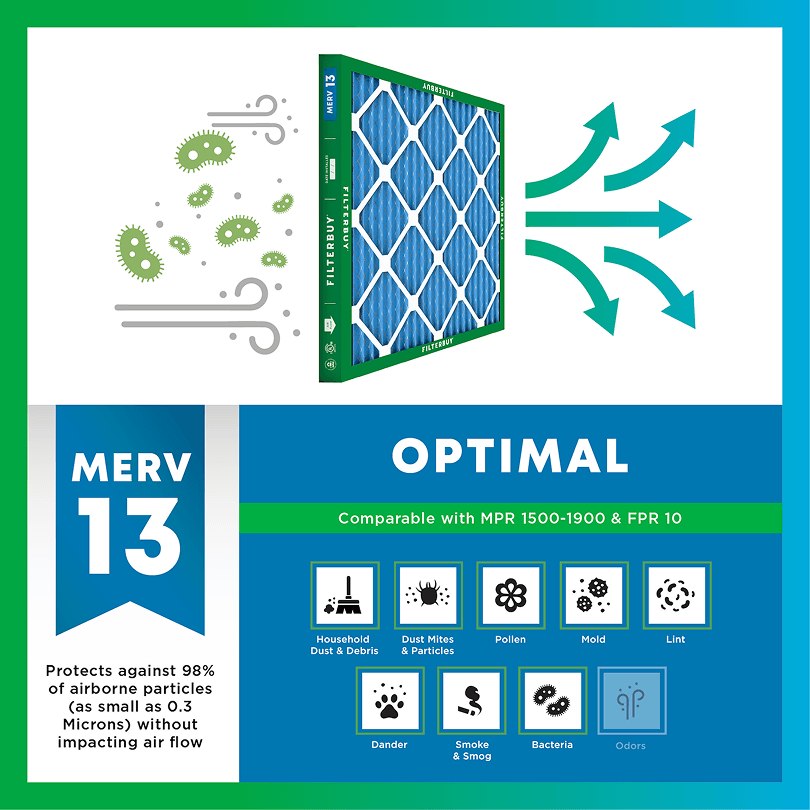
- Captures PM2.5 and other fine particulates
- Filters ash, soot, and smoke particles
- Rated to capture particles as small as 0.3 microns
- Matches the filter rating the EPA suggests during high-AQI and smoke events

AQI FAQs
What is AQI?
AQI stands for Air Quality Index, the EPA's scale for reporting daily air quality. It runs from 0 to 500. The higher the number, the greater the level of air pollution. Values at or below 100 are generally considered satisfactory; values above 100 mean air quality is unhealthy, first for sensitive groups, then for everyone as numbers climb.
What does AQI measure?
The AQI tracks five major pollutants regulated by the Clean Air Act: ground-level ozone, particle pollution (PM2.5 and PM10), carbon monoxide, sulfur dioxide, and nitrogen dioxide. The reported AQI value reflects whichever pollutant is highest at that time — most often ozone or fine particles (PM2.5).
How is AQI calculated?
Monitoring stations measure pollutant concentrations, and the EPA converts each into a standardized 0–500 score using set breakpoints. Each pollutant gets its own sub-index, and the highest sub-index becomes the reported AQI. That's why a single number can represent different pollutants on different days.
What is a good AQI?
An AQI of 0–50 is rated "Good" — air quality poses little or no risk. 51–100 is "Moderate," acceptable for most people though unusually sensitive individuals may want to limit prolonged outdoor exertion. Anything at or below 100 is generally considered satisfactory air quality.
What does an AQI of 100 (or 150) mean?
100 is the dividing line: at or below it, air quality is satisfactory for the general public. From 101–150, air is "Unhealthy for Sensitive Groups" — people with respiratory conditions, older adults, and children. From 151–200, it's "Unhealthy" and everyone may begin to feel effects.
Why is the AQI bad today?
Short-term AQI spikes usually come from wildfire smoke, temperature inversions that trap pollutants near the ground, high-ozone weather (hot, sunny, stagnant days), or heavy traffic and industrial activity. Check a real-time source like the map on this page to see which pollutant is driving today's reading in your area.
What AQI is bad for running or exercise?
Many runners follow the EPA category lines: below 50, no adjustment needed; 51–100, unusually sensitive people may shorten intense workouts; above 100, sensitive groups are advised to reduce prolonged or heavy outdoor exertion; above 150, that advice extends to everyone. Exercise increases how much air you breathe in, which is why thresholds matter more during workouts.
What AQI is safe to open windows?
A common rule of thumb is to keep windows open when the AQI is under 100 and close them when it climbs above, especially during wildfire smoke events when fine particles are elevated. When windows are closed, running your HVAC system with a fresh filter helps capture particles circulating indoors.
Should I wear a mask based on AQI?
Public health agencies generally suggest considering a well-fitted N95-style respirator outdoors when the AQI exceeds 150, particularly during smoke events. Cloth and surgical masks don't filter fine particles effectively. Follow guidance from your local health department, which may adjust recommendations during severe episodes.
Check Today's Live Real Time Air Quality Index AQI Map in Pennsylvania Now
Use the live AQI map to see current outdoor air conditions in your part of Pennsylvania. It shows one reading and a matching color for your neighborhood so you can plan time outside and decide when to focus on cleaner air indoors.
Key Takeaways
The Pennsylvania AQI map shows current outdoor air conditions for your neighborhood so you can plan time outside.
Traffic, industry, hot sunny afternoons, winter smoke, and regional wildfire smoke all affect day-to-day conditions.
Check the map before exercise, yard work, or kids’ activities, and recheck if wind or smoke changes.
Close windows, use recirculation on AC or HVAC, and avoid extra indoor smoke when the map shows higher readings.
Choose a suitable Filterbuy filter, MERV 8, 11, or 13 depending on your system and needs, to help reduce indoor particles while outdoor levels fluctuate.
How To Read Today’s Map
When you open the map, look for the reading and color over your town or ZIP code. Lower readings with cooler colors point to cleaner air and fewer limits on plans. As the reading and color rise, the air carries more pollution. That is when it makes sense to shorten outdoor time, choose lighter activity, or move exercise indoors, especially for people with asthma, COPD, or heart disease, and for young children and older adults. Check nearby areas too, as conditions can differ across short distances.
What Drives Pollution In Pennsylvania
Different sources affect different regions and seasons. The main ones you will notice are:
Traffic and industry along major corridors and in cities
Hot, sunny afternoons that raise ground-level ozone
Wood smoke from home heating on cold, still nights
Regional or Canadian wildfire smoke that can drift in during spring and summer
These patterns explain why the same county can look different from one day to the next on the live map.
Seasonal Patterns To Watch
Pennsylvania’s air shifts through the year.
In winter, calm air and temperature inversions can trap smoke and exhaust near the ground.
Spring adds windy days that move dust and pollen.
Summer heat and sunlight can increase ozone in the afternoon, and dry spells may bring wildfire smoke across the state.
Fall often has clearer stretches, but backyard burning and fire pits can add evening smoke in some neighborhoods.
A quick check of the map before going outside helps you avoid the worst hours.
Plan your day with the AQI map
Use the map like a weather app. Check in the morning and recheck if conditions change. If you work outdoors, glance again at midday so you can move heavy tasks earlier or later. If the map shows higher readings for your route, choose a path away from busy roads or wait until conditions ease.
Fast Checks Before You Head Out
Look up your town or ZIP on the live map
If readings climbed since morning, move hard exercise indoors
Pick routes farther from traffic for runs or walks
Use “recirculate” in the car during haze or congestion
Time errands for hours when the map looks better
Simple Ways To Reduce Exposure Outdoors
On days with higher readings, keep hard exercise shorter and take more breaks. Choose parks and paths away from heavy traffic. Plan errands for hours when the map looks better. If you must be outside for long periods, pace your effort and drink more water. If symptoms start—coughing, chest tightness, or shortness of breath—move activity indoors and rest.
Simple Ways To Protect Indoor Air
When outdoor pollution rises, keep windows and exterior doors closed during the worst hours. Run your AC or HVAC on a setting that recirculates indoor air rather than pulling in outside air. Avoid extra indoor smoke and strong fumes—no smoking inside, skip wood fires, and go easy on heavy sprays. If you have a portable air cleaner, run it in the bedroom or main living area so at least one room stays cleaner.

Picking The Right MERV Filter (8, 11, Or 13)
MERV tells you how well a filter captures particles.
MERV 8 is a common starting point for everyday dust and larger pollen and helps keep the system cleaner.
MERV 11 is a step up that captures more small particles like pet dander and many mold spores, which suits homes with pets or mild allergies.
MERV 13 targets finer particles often found in smoke and urban haze; use it only if your system is built for the added resistance. If you are not sure, follow the HVAC manufacturer’s guidance or ask a technician before moving higher.
Invest In Filterbuy Filters Now
Filterbuy offers U.S. made pleated filters in many standard and custom sizes so the filter seats properly and reduces air bypass. The synthetic, pleated media captures more than basic fiberglass while supporting airflow when changed on time. Many homes replace filters about every 90 days, though busy households or long AC or heat runs may need more frequent changes. Orders ship fast with free shipping in the U.S., and Auto-Delivery makes it easy to stay on schedule.
Frequently Asked Questions
How often should I check AQI?
Look once before outdoor plans and again later if weather or smoke shifts.
Do clear skies always mean clean air?
No. Ozone and fine particles can be high even when the sky looks clear.
Is it okay to exercise outside when readings rise?
Switch to lighter activity, shorten sessions, or move workouts indoors.
Should I open windows on smoky or hazy days?
Keep them closed during the worst hours and use recirculation on your AC.
Which MERV level should I start with?
Many homes start with MERV 8. Move to MERV 11 for pets or mild allergies. Use MERV 13 only if your system allows it.
How often should I replace my filter?
Most homes change filters every one to three months; check more often during heavy use.
Will a portable air cleaner help?
Yes. Run it in the room you use most, especially where you sleep.
What if I work outside?
Watch the map for your shift, pace heavy tasks, take breaks in shade or indoors, and stay hydrated.