
Fresno Real-Time AQI Tracker


Get Alerts For Unhealthy AQI In Your Area
When air quality in your area reaches unhealthy levels, we'll send you a quick alert, along with expert tips on how to reduce your exposure.
What's Actually In Fresno Air Today?
What High AQI Means for Your Lungs in Fresno
How to Read AQI
The Air Quality Index (AQI) measures how polluted the air is and how it may affect your health.
0–50 (Good): Air quality is satisfactory.
51–100 (Moderate): Acceptable, but some pollutants may pose minor concerns.
101–150 (Unhealthy for Sensitive Groups)
151–200 (Unhealthy)
201–300 (Very Unhealthy)
301+ (Hazardous)
Moderate
Still okay for most, but if you have asthma or allergies, take it easy and avoid long outdoor workouts.
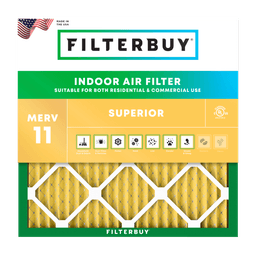
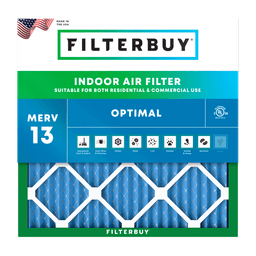
Shop MERV 11 filters→What's the Right Filter for Your AQI Level?


Check Today's Live Real Time Air Quality Index AQI Map in Fresno CA Now
Use the live AQI map to see outdoor air in Fresno and nearby towns. Search your ZIP code, note the number and color, and adjust outdoor plans or focus on indoor air if levels rise.
TL;DR Quick Answers
Live Air Quality Index (AQI) Map Now Today – Fresno, CA
Fresno's current air quality registers around 61 AQI (Moderate) with PM2.5 as the primary pollutant. At this level, air quality is generally acceptable, though sensitive groups—including those with asthma, respiratory conditions, or heart disease—may want to limit prolonged outdoor exertion.
What the numbers mean:
0-50 (Good): Safe for everyone
51-100 (Moderate): Acceptable; sensitive individuals should monitor symptoms
101-150 (Unhealthy for Sensitive Groups): Limit outdoor activity if you're in a risk category
151+ (Unhealthy to Hazardous): Everyone should reduce exposure
Check real-time maps: AirNow.gov, IQAir, or AQICN for live updates and hyperlocal station data across Fresno County.
Key takeaways
Check the live AQI map for your neighborhood and recheck if wind or smoke changes.
Inversions, truck and freight routes, agriculture, and wildfire smoke drive many higher readings in Fresno.
Keep windows closed during the worst hours, use “recirculate,” and keep at least one room cleaner.
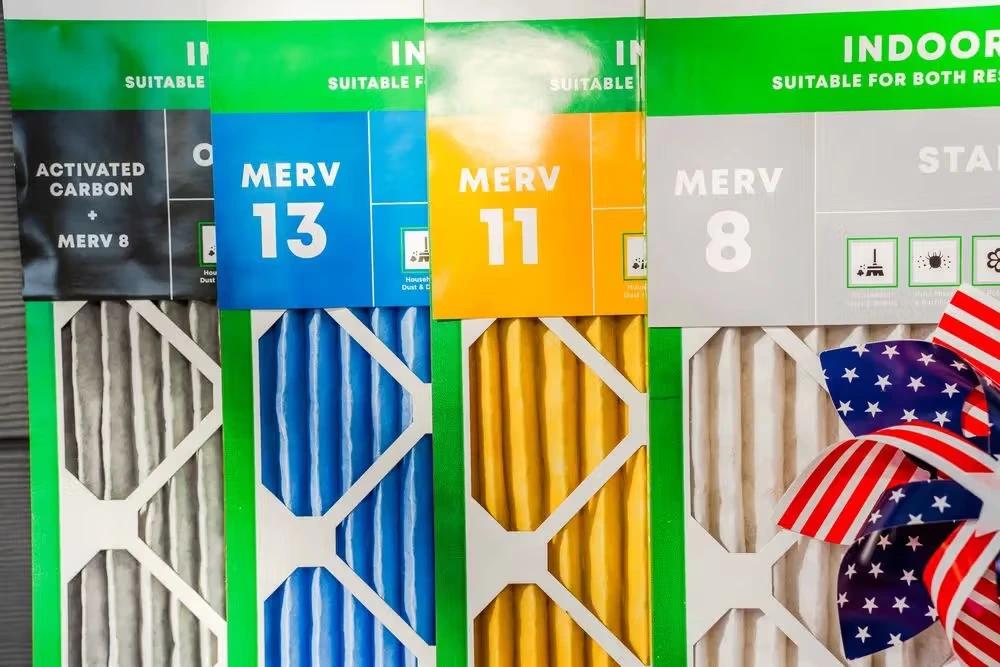
Use a Filterbuy MERV 8, 11, or 13 filter that your system supports to help reduce indoor particles while outdoor levels change.
Check the map today
Open the map, check your location, then scan nearby areas. Lower readings usually mean cleaner air. Higher readings mean more particles or ozone. If numbers climb during the day, keep outdoor time shorter or move hard activity indoors. This matters most for people with asthma, COPD, or heart disease, and for young children and older adults.
Fresno factors you should know
Fresno sits in the Central Valley, where calm weather and temperature inversions can trap pollution near the ground. Local traffic, warehouse and freight activity, agricultural dust, and seasonal wood smoke add to the load. Regional wildfire smoke can also raise fine particle levels even when skies look only hazy. In recent reporting, Fresno remains among the most polluted U.S. metros for year-round particle pollution, reflecting the persistent Valley pattern that traps dust and smoke close to where people live and work.
Fresno in the news
The American Lung Association’s 2025 report shows almost half of Americans live with unhealthy air, with Fresno-Hanford among the worst metros for year-round particle pollution.
California cities dominate the “most polluted” list for year-round particles. Fresno-Hanford ranks third, reflecting the influence of Central Valley geography and sources like agriculture and traffic.
What recent studies say about freeways and truck routes
A UC Merced assessment for Fresno found that residents in south Fresno live closer to heavy truck corridors and face higher diesel exposure. The study linked proximity to truck routes with increased risks for asthma and adverse pregnancy outcomes, and it informed a proposal to reroute trucks away from homes, schools, and clinics.
Plan your day with the AQI map
Use the map like a weather check. Look in the morning before school, outdoor work, or exercise. Recheck at midday if wind shifts, heat builds, or smoke is in the forecast. If a planned route shows higher readings than home, choose a different path or move plans inside until levels ease.
Short outdoor guide on higher-AQI hours
Keep workouts shorter and choose easier activities.
Pick routes away from long truck queues and loading zones.
Take breaks, drink water, and rest in shade or an indoor space when you can. If coughing, wheezing, chest tightness, or shortness of breath starts, go indoors and rest.
Keep more pollution out at home
Close windows during the worst hours. Run AC or HVAC on “recirculate” instead of pulling outdoor air. Avoid indoor smoke and strong sprays. If available, run a portable air cleaner in the bedroom or main living area so at least one room stays cleaner. After conditions improve, wipe hard surfaces with a damp cloth, vacuum with a HEPA-type vacuum if you have one, and wash bedding and throws.
If you rent or cannot change central HVAC
Seal gaps around a window A/C, use foam strips, and add a door draft stopper. Use “recirculate.” Choose one room to keep cleaner and run a portable air cleaner that is sized for that space.
Filter options that fit Fresno homes
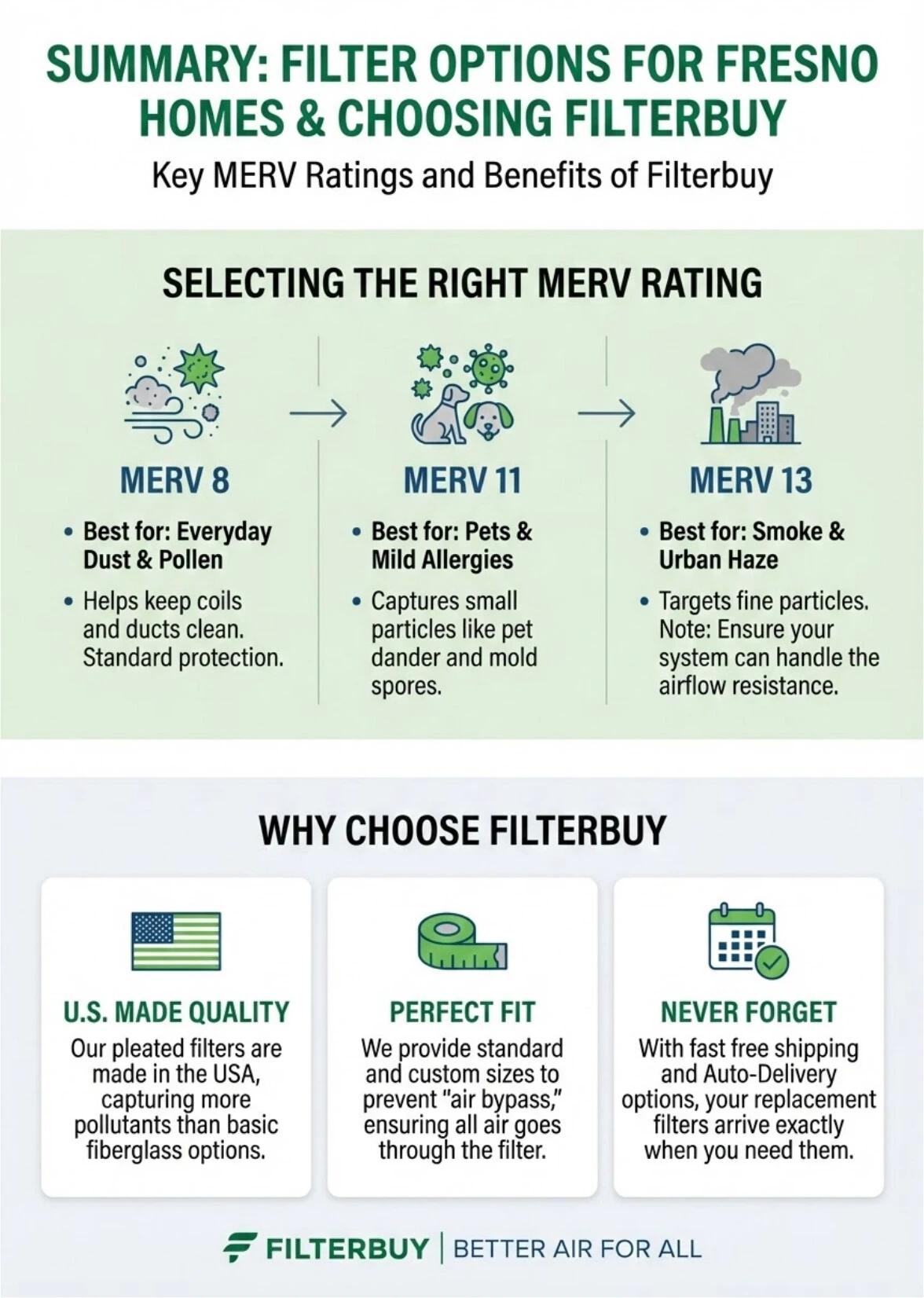
MERV shows how well a filter captures particles your system can handle.
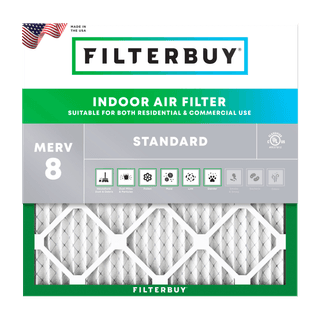
MERV 8 helps with everyday dust and larger pollen and helps keep coils and ducts cleaner.
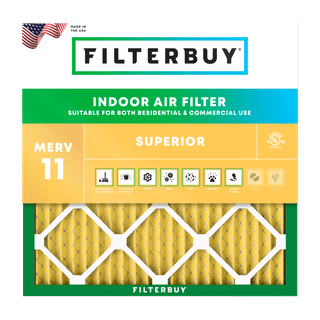
MERV 11 captures more small particles such as pet dander and many mold spores, useful for homes with pets or mild allergies.
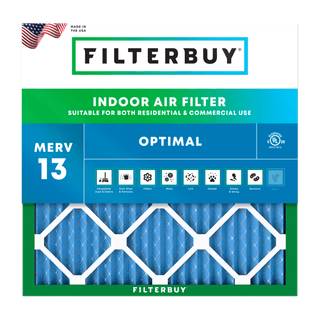
MERV 13 targets finer particles often found in smoke and urban haze. Use it only if your system is rated for higher efficiency. If you are not sure, follow the HVAC manufacturer’s guidance or ask a local technician before moving higher.
Choose Filterbuy for top-quality filters
Filterbuy provides U.S.-made pleated filters in many standard and custom sizes for a proper fit that reduces air bypass. The synthetic pleated media captures more than basic fiberglass while supporting airflow when changed on schedule. Many homes replace filters every one to three months. Orders ship fast with free shipping in the continental U.S., and Auto-Delivery helps you stay on time.
FAQs
What is the AQI map?
A live map that shows current outdoor air with one number and a matching color for your location.
How often should I check it in Fresno?
Check in the morning before plans. Recheck later if wind shifts, heat builds, or smoke is in the forecast.
Why can readings differ across Fresno neighborhoods?
Traffic, truck routes, warehouse and rail activity, ag dust, wood smoke, wind, and inversions can change conditions over short distances.
Is it safe to exercise outside when AQI is higher?
Keep workouts shorter or move them indoors. Sensitive groups should be extra careful.
Should I open windows on smoky or dusty days?
Keep them closed during the worst hours. Use recirculate on home AC and in the car.
Do masks help when smoke is present?
A well-fitting N95 or similar respirator can reduce smoke particles. Cloth and surgical masks are not designed for smoke.
What simple steps help indoors on higher days?
Close windows, use recirculation, avoid indoor smoke and strong sprays, and run a portable air cleaner in one main room if you have one.
Which HVAC filter should I use at home?
MERV 8 for basic dust, MERV 11 for homes with pets or mild allergies, MERV 13 for finer particles like smoke only if your system allows it.
How often should I replace the filter?
Many homes replace filters every 1 to 3 months. Check sooner during long heating or cooling periods or after smoke events.
Who should be most careful on high-AQI days?
People with asthma, COPD, or heart disease, pregnant people, young children, and older adults.