
Visalia Real-Time AQI Tracker


Get Alerts For Unhealthy AQI In Your Area
When air quality in your area reaches unhealthy levels, we'll send you a quick alert, along with expert tips on how to reduce your exposure.
What's Actually In Visalia Air Today?
What High AQI Means for Your Lungs in Visalia
How to Read AQI
The Air Quality Index (AQI) measures how polluted the air is and how it may affect your health.
0–50 (Good): Air quality is satisfactory.
51–100 (Moderate): Acceptable, but some pollutants may pose minor concerns.
101–150 (Unhealthy for Sensitive Groups)
151–200 (Unhealthy)
201–300 (Very Unhealthy)
301+ (Hazardous)
Moderate
Still okay for most, but if you have asthma or allergies, take it easy and avoid long outdoor workouts.
Shop MERV 11 filters→What's the Right Filter for Your AQI Level?


Check Today's Live Real Time Air Quality Index AQI Map in Visalia, CA Now
Use the live AQI map for a quick snapshot of outdoor air across Visalia–Tulare. Search your neighborhood or ZIP, note the number and color, and decide whether to keep plans outside or shift effort indoors if levels climb.
TL;DR Quick Answers
Live Air Quality Index (AQI) Map Now Today – Visalia, CA
Visalia's current AQI is approximately 42 (Good) according to IQAir, with ozone (O₃) as the main pollutant. Other monitoring sources report AQI around 63 (Moderate) with PM2.5 as the dominant pollutant.
What this means for you:
Good (0-50): Safe for outdoor activities
Moderate (51-100): Sensitive individuals should consider limiting prolonged outdoor exertion
Check real-time maps:
IQAir Visalia
AirNow.gov
PurpleAir Map
Pro tip: Visalia sits in the San Joaquin Valley, where air quality can fluctuate significantly due to agricultural activity, wildfires, and temperature inversions—check conditions before morning exercise or if you have respiratory sensitivities.
Key takeaways
Use the live AQI map for a quick read on outdoor air by neighborhood and time of day.
Heat, stagnation, ag dust, truck traffic, and wildfire smoke are common drivers of higher readings in Visalia.
Close windows, use “recirculate,” and keep one room cleaner on high-AQI days.
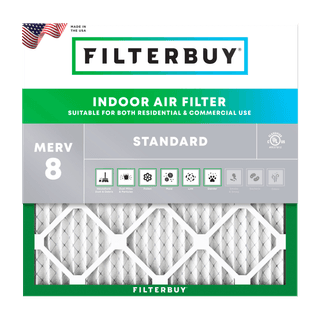
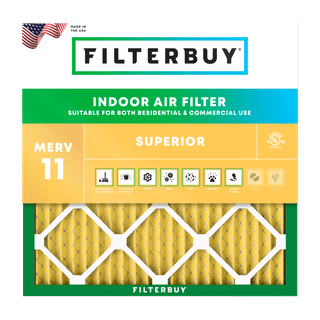
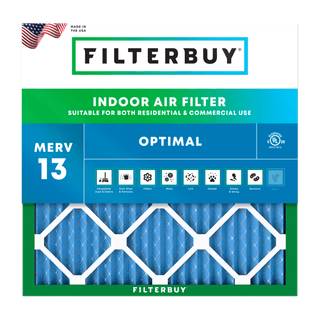
Choose a Filterbuy MERV 8, 11, or 13 filter that your system supports to help reduce indoor particles while outdoor levels change.
Local patterns to watch in Visalia
Warm, still afternoons can let ozone build. Dust from ag work and unpaved areas can rise on windy days. Truck traffic on 99 and I-5 adds to the load, and smoke from in-state or regional fires can raise fine particle levels even when the sky only looks hazy. These patterns explain why one side of town can show a higher reading than the other.
Visalia in recent reports (what the rankings mean)
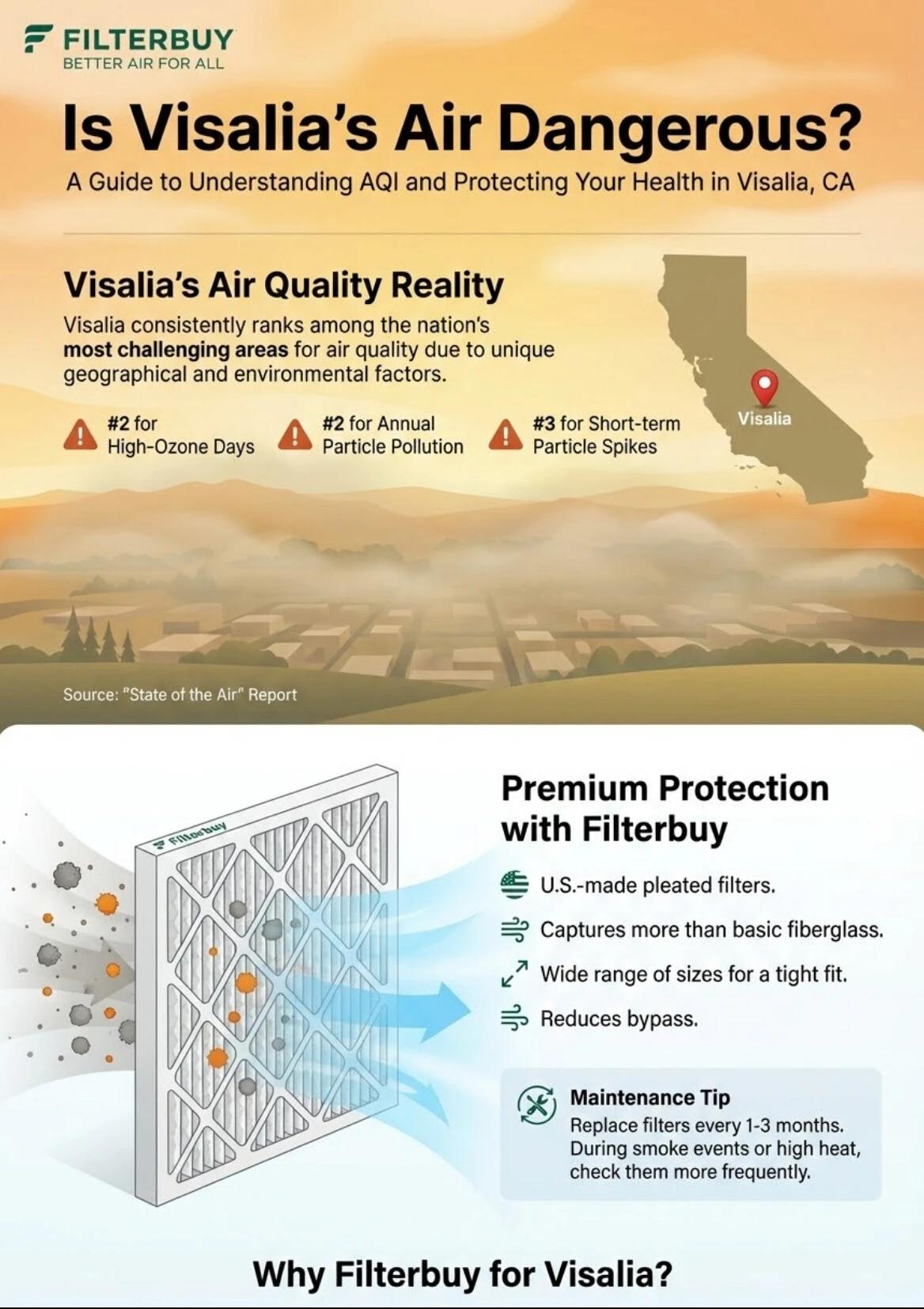
Visalia ranks among the nation’s worst metros for both ozone and particle pollution.
No. 2 for high-ozone days
No. 2 for annual particle pollution
No. 3 for short-term particle spikes
These rankings reflect how often levels rise and how many days residents face unhealthy air.
Nationally, the 2025 “State of the Air” report found 156 million people live in counties with failing grades for ozone or particle pollution, with extreme heat and 2023 wildfire smoke driving worse outcomes in many regions.
Local coverage of the same report highlights Visalia’s top-tier rankings and points to Valley topography, heavy truck routes, higher temperatures, and wildfire smoke as key contributors.
Check the map now and later
Start with your location, then compare nearby neighborhoods since readings can differ over short distances. Note the “Now” value and the outlook for the next hours. If numbers rise, cut back time outside or move hard activity indoors. This matters most for people with asthma, COPD, or heart disease, and for young children and older adults.
When should you change plans?
If the midday reading jumps compared with the morning, switch to lighter outdoor activity or move workouts inside. For youth practices or games, pick earlier hours when possible and keep rest breaks longer. If you notice coughing, wheezing, chest tightness, or shortness of breath, go indoors and rest.
Apartment and rental tips (when you cannot change central HVAC)
Seal obvious gaps around a window A/C with foam strips, use the recirculate setting, and add a draft stopper at the base of doors. Pick one “cleaner room” (often the bedroom) and run a portable air cleaner sized for that space. Avoid burning candles or indoor wood fires on high-AQI days.
On the road on higher-AQI days
Choose routes away from long queues and loading zones, when possible, set the car to recirculate, and keep windows closed during the worst hours. If smoke is visible or odor is strong, consider postponing long outdoor errands until readings ease.
Home HVAC settings that help
During the worst hours, close windows and exterior doors and run the system fan to recirculate indoor air through the filter more often. After conditions improve, let the fan run for a few hours with a clean filter, then check the filter and replace it if it looks loaded.
Picking a filter that fits your system (MERV 8, 11, 13)
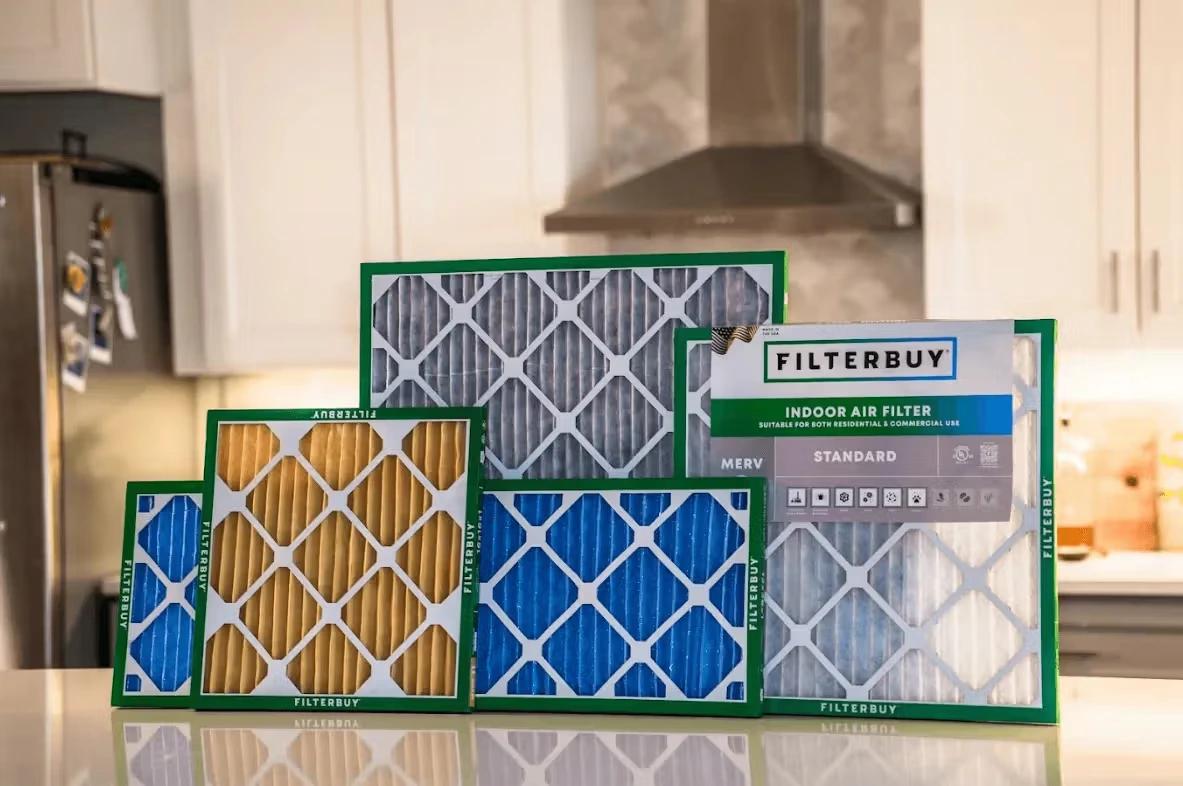
Think of MERV as capture strength for particles your system can handle:
MERV 8: Everyday dust and larger pollen; a common baseline that also helps keep coils and ducts cleaner.
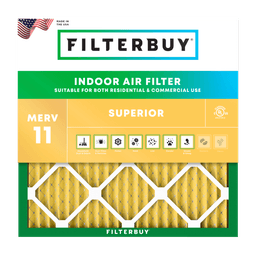
MERV 11: Better capture of smaller particles such as pet dander and many mold spores; useful for homes with pets or mild allergies.
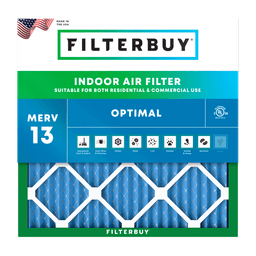
MERV 13: Finer particles found in smoke and urban haze; use only if your system is rated for the added resistance. If unsure, follow your HVAC manufacturer’s guidance or ask a local technician before moving higher.
Why Filterbuy works for Visalia homes
Filterbuy offers U.S.-made pleated filters in a wide range of standard and custom sizes so the filter seats tightly and reduces bypass. The synthetic pleated media captures more than basic fiberglass while supporting airflow when changed on time. Many homes replace filters every one to three months; busy households, long run times, or smoke events may require more frequent changes. Orders ship fast with free shipping in the continental U.S., and Auto-Delivery helps you stay on schedule.
Clean up as soon as air quality improves
When AQI drops, wipe hard surfaces with a damp cloth or microfiber, vacuum rugs with a HEPA-type vacuum if available, and wash bedding and throws. Let the HVAC fan run for a few hours with a clean filter, then check the filter and replace it if it looks loaded. These steps help bring indoor levels down faster.
FAQs
What is the AQI map?
A live map that shows current outdoor air for your location with one number and a matching color.
How often should I check it in Visalia?
Check in the morning before plans. Recheck later if wind changes, heat builds, or smoke is in the forecast.
Why can two nearby areas show different readings?
Local traffic, ag work and dust, wood smoke, and wind can change conditions over short distances.
What usually raises pollution here?
Hot sunny afternoons that form ozone, truck routes on 99 and I-5, ag dust and dairies, winter wood smoke, and regional wildfire smoke.
Is it safe to exercise outside when AQI is higher?
Shorten workouts or move them indoors. Sensitive groups should be extra careful.
Should I open windows on smoky or dusty days?
Keep them closed during the worst hours and use recirculate on AC or HVAC.
Do masks help when smoke is present?
A well-fitting N95 or similar respirator can reduce smoke particles. Cloth and surgical masks are not designed for smoke.
What indoor steps help on higher days?
Close windows, use recirculation, avoid indoor smoke and strong sprays, and run a portable air cleaner in one main room if you have one.
Which HVAC filter should I use at home?
MERV 8 for basic dust, MERV 11 for homes with pets or mild allergies, MERV 13 for finer particles like smoke only if your system allows it.
How often should I replace the filter?
Many homes change filters every 1 to 3 months. Check sooner during long heating or cooling periods or after smoke events.