
Waukesha Real-Time AQI Tracker


Get Alerts For Unhealthy AQI In Your Area
When air quality in your area reaches unhealthy levels, we'll send you a quick alert, along with expert tips on how to reduce your exposure.
What's Actually In Waukesha Air Today?
What High AQI Means for Your Lungs in Waukesha
How to Read AQI
The Air Quality Index (AQI) measures how polluted the air is and how it may affect your health.
0–50 (Good): Air quality is satisfactory.
51–100 (Moderate): Acceptable, but some pollutants may pose minor concerns.
101–150 (Unhealthy for Sensitive Groups)
151–200 (Unhealthy)
201–300 (Very Unhealthy)
301+ (Hazardous)
Moderate
Still okay for most, but if you have asthma or allergies, take it easy and avoid long outdoor workouts.
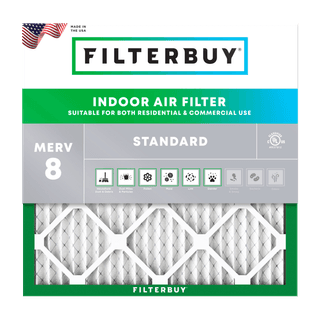
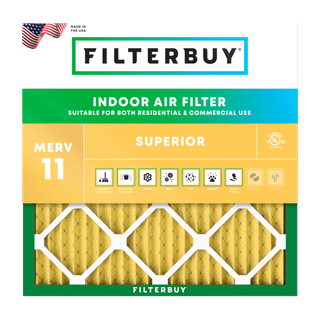
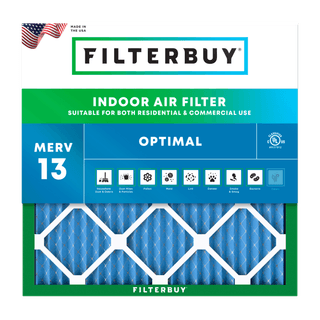
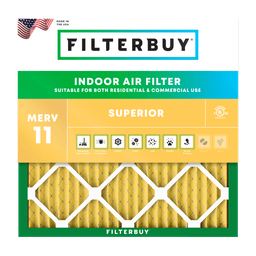
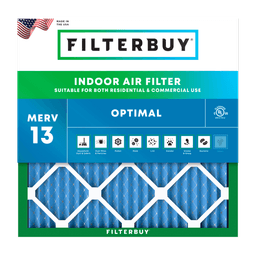
Shop MERV 11 filters→What's the Right Filter for Your AQI Level?


Check Today's Live Real Time Air Quality Index AQI Map in Waukesha, WI Now
TL;DR
Check the live map above for Waukesha's air quality index (AQI) right now. Most bad-air days here come from ground-level ozone on hot summer afternoons or from wildfire smoke, which pushed fine particles (PM2.5) past the Hazardous line in July 2026. If smoke pushes the AQI to 100, Filterbuy's rule is MERV 13 in the HVAC, the fan On, a portable HEPA air cleaner in each occupied room and the house closed up.
Reading Waukesha's Live AQI Map Before You Head Out
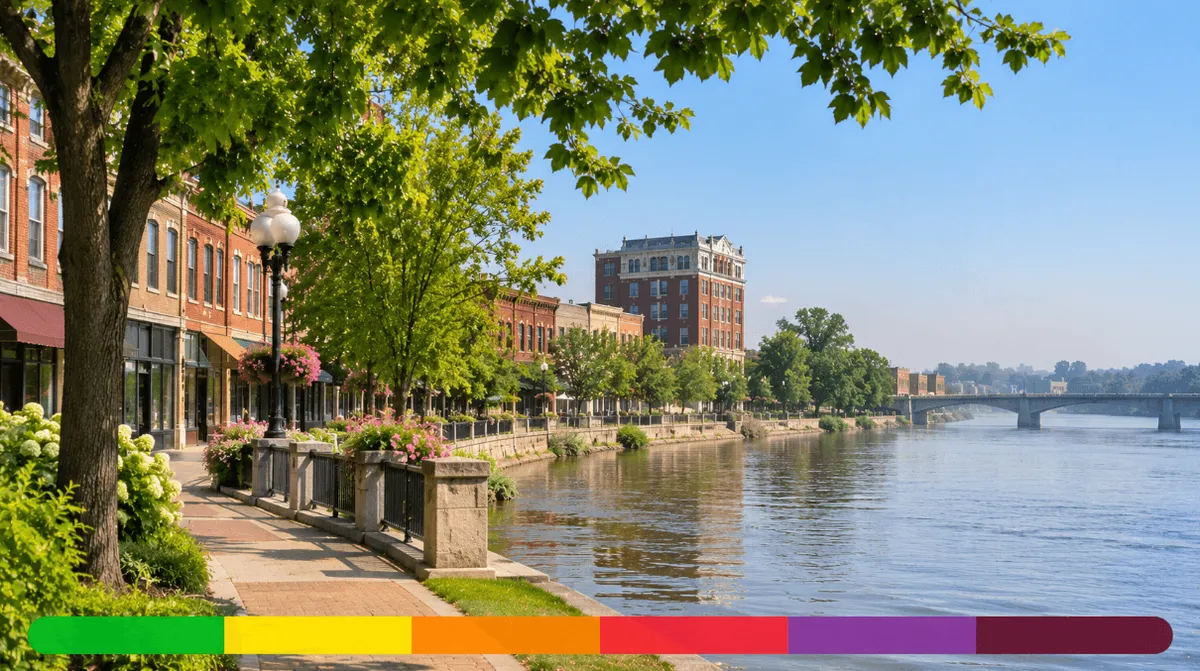
The map at the top of this page gives Waukesha's current AQI as a number from 0 to 500 and a color from green to maroon, based on whichever pollutant is highest that hour, almost always ozone or PM2.5.
We keep two habits in mind when reading it:
Check the timestamp. Readings refresh hourly and can miss an afternoon ozone climb.
Look toward Milwaukee. Ozone tends to peak near the Lake Michigan shore, about 18 miles east, so a red lakefront marker beside a yellow Waukesha one is normal. Compare Filterbuy's Milwaukee live AQI map and statewide Wisconsin AQI map.
Key Takeaways
In June 2026, Wisconsin asked the U.S. EPA to move Waukesha County into its own "Western Milwaukee" ozone area.
Waukesha's AQI was above 301 (Hazardous) on July 17, 2026, during southeast Wisconsin's worst smoke on record.
Filterbuy's smoke-day rule at AQI 100: MERV 13 in the HVAC, fan On, a portable HEPA air cleaner in each occupied room and windows shut.
Waukesha AQI Levels and What to Do at Each One
The U.S. AQI used by AirNow sorts readings into six color-coded categories, shown visually in Filterbuy's AQI Color Chart: What Green to Maroon Means. Filterbuy acts at AQI 100, the top of Moderate: on smoke days, that is when we tell customers to put MERV 13 in the HVAC, set the fan to On, run a portable HEPA air cleaner in each occupied room and close the house up.
| AQI | Category | What It Means in Waukesha | What to Do |
|---|---|---|---|
| 0–50 | Good | Common on breezy days after a cold front. | Enjoy normal activity; open windows freely. |
| 51–100 | Moderate | Warm summer afternoons as ozone builds. | Very sensitive people shorten workouts. Good time to stock MERV 13. |
| 101–150 | Unhealthy for Sensitive Groups | Typical DNR Orange advisory level. | Sensitive groups ease off. Smoke days: MERV 13, fan On, HEPA cleaner in each occupied room, windows shut. |
| 151–200 | Unhealthy | Strong ozone or smoke; DNR Red advisory territory. | Everyone limits time outside. Hold smoke steps; check the filter often. |
| 201–300 | Very Unhealthy | None recorded from 2010 until the 2023 smoke season. | Follow AirNow and DNR guidance first. Stay in a clean room; filtration is one layer. |
| 301+ | Hazardous | Reached during July 2026 smoke. | Official DNR guidance comes first. Stay indoors. |
Categories: U.S. EPA AirNow. Local context: Wisconsin DNR, Wisconsin Watch.
Why Waukesha's AQI Can Lag What You See Outside
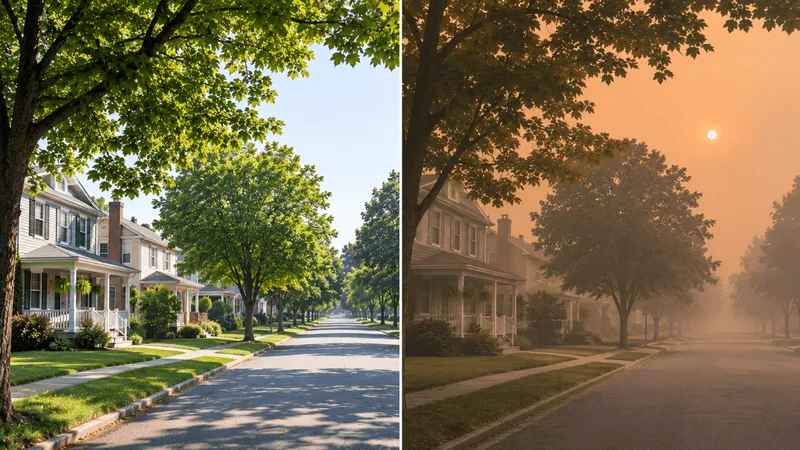
In Waukesha, the sky can look worse than the number. PM2.5 readings use the NowCast, which weights the most recent hours, so when smoke rolls in fast the AQI catches up over several hours. Smoke can also drift high overhead, turning the sky orange while ground-level readings stay Moderate.
The Wisconsin DNR runs one regulatory monitor in the city, at 1310 Cleveland Avenue, per its 2026 air monitoring network plan. The map fills gaps with nearby stations, some closer to Milwaukee or a busy road than your street.
Can You Breathe Easy in Waukesha Today?
Whether Waukesha's air is safe today comes down to the map's color. Green and yellow are fine for nearly everyone. At orange, AirNow advises sensitive groups, including people with asthma, COPD or heart disease, older adults and children, to reduce hard outdoor activity; anyone with a health condition should follow their doctor's guidance. At red or above, everyone should limit time outside.
Waukesha's air also follows a yearly calendar:
April to mid-October, ozone season: the Wisconsin DNR tracks ozone from April 1 through October 15, and levels climb on hot afternoons, so run the Fox River Trail in the morning.
June to August, smoke season: smoke drove the 2023 and 2026 events, so install MERV 13 and keep a spare before June.
Winter, fine particles: DNR data shows fine particle levels typically peak in winter.
Waukesha Forecasts and DNR Air Quality Advisories
The Wisconsin Department of Natural Resources (DNR) forecasts air quality and issues Air Quality Advisories for Waukesha County. Readings and forecasts are at airquality.wi.gov, and county Air Quality Notices or daily EnviroFlash emails are on the DNR's subscriptions page. The National Weather Service in Milwaukee/Sullivan relays them as Air Quality Alerts.
An Orange advisory means unhealthy for sensitive groups, and Red means unhealthy for everyone. On those days, move practices and recess indoors, and on smoke days close the windows early.
Ozone and PM2.5: What Drives Waukesha's Air Quality
Ground-level ozone is Waukesha's main summer pollutant. It forms when exhaust and industrial emissions react in sunlight, and Lake Michigan's lake breeze concentrates it along the shoreline, so inland Waukesha often reads lower than lakefront Milwaukee.
Fine particulate matter (PM2.5), particles 2.5 microns or smaller, takes over on smoke days and in winter, when traffic exhaust gets trapped on calm days.
Where Waukesha Stands in the Milwaukee-Racine-Waukesha Metro
In the American Lung Association's State of the Air 2026 report, the Milwaukee-Racine-Waukesha metro ranked 22nd worst in the nation for ozone, earning an F, and 46th worst for short-term particle pollution. Lakeshore Racine County logged the most high-ozone days in the metro.
Waukesha's monitor fares better. In a June 30, 2026 letter to EPA Region 5, Wisconsin said the Waukesha monitor shows attaining values once four smoke-affected 2023 ozone days are set aside.
Wildfire Smoke Over Waukesha: Lessons from July 2026
On July 16 and 17, 2026, smoke from fires in Minnesota and Canada pushed southeast Wisconsin into the Hazardous range. Milwaukee County peaked at an AQI of 644, and Waukesha was still above 301 on Friday morning. Waukesha had not recorded an AQI above 200 from at least 2010 until July 2023, according to a Wisconsin Watch analysis reported by Civic Media.
Follow Wisconsin DNR advisories and AirNow first, and track nearby fires on Filterbuy's Milwaukee wildfire smoke map. Once the map shows smoke at AQI 100 or above, this is the order Filterbuy recommends:
Put MERV 13 in the HVAC. EPA recommends MERV 13 or higher during smoke events and notes that most furnaces and HVAC systems can accommodate one when the filter is replaced often.
Set the thermostat fan to On. Auto filters only while heating or cooling, while On keeps air moving through the filter, as the EPA advises for smoke.
Run a portable HEPA air cleaner in each occupied room, bedrooms first.
Close the house up. Shut windows and doors, and skip candles, frying, smoking and vacuuming without a sealed unit.
MERV 13 treats the whole house; the portable cleaner works harder on its room. During smoke, check the filter often and replace it when it looks dirty, which can be well before its normal interval. Keep spares on hand.
Smoke Steps for Waukesha Homes Without Central Air
Homes heated by boilers or baseboard units have no ducts, so portable HEPA air cleaners are the primary defense, one per occupied room. Size each with EPA's clean-room rule: a smoke CADR of at least two-thirds of the floor area, so a 300 sq ft bedroom needs about 200. Choose a CARB-certified model, since EPA advises against ozone-producing cleaners.
Until then, a box fan with a MERV 13 filter taped to the back is a reasonable stopgap, as the Wisconsin DNR describes. EPA's DIY research calls for a certified fan made in 2012 or later; never leave an older fan running unattended. Filterbuy's guide covers a Corsi-Rosenthal box with MERV 13 filters.
Matching Your Filter to the Waukesha AQI
Our rule: match the filter to the pollutant first and the AQI number second. Filterbuy's guide to choosing a MERV rating goes deeper.
| AQI on the Map | Filter | What It Captures | Best For |
|---|---|---|---|
| 0–50 | MERV 8 | Dust, pollen and lint | Everyday use on clean-air days |
| 51–99 | MERV 11 | Finer dust, pet dander and mold spores | Allergy homes; stock MERV 13 before smoke season |
| 100–200 (smoke) | MERV 13 + portable HEPA | MERV 13: fine airborne particles house-wide. HEPA: the room it sits in | Fan On, HEPA in each occupied room, windows shut |
| 201+ (smoke) | Same setup | Filtration is one layer | Follow AirNow and DNR guidance first |
Filterbuy's action line is AQI 100. HEPA goes in a portable air cleaner, never the furnace slot. Ozone-only days do not call for an upgrade.
MERV 13 needs only the usual fit check: match your filter size. Filterbuy makes MERV 8, MERV 11 and MERV 13 air filters in standard and custom sizes for Waukesha homes.
What Filterbuy Watches in Waukesha's Air
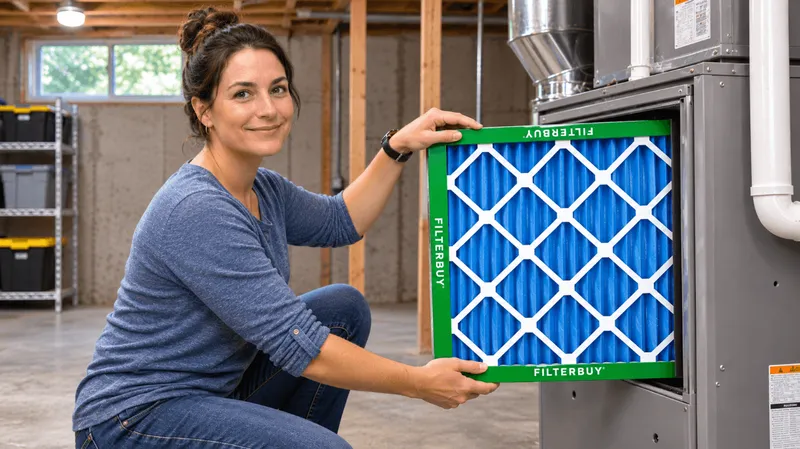
As an American air filter manufacturer, Filterbuy starts with one question: which pollutant is the map naming? The most common mistake we see in AQI advice is treating every Orange day the same. Many of Waukesha's Orange days are ozone days, and ozone breaks down indoors on its own, so a better filter does little. Smoke is different: PM2.5 lingers indoors, and MERV 13 plus a portable HEPA cleaner are what reduce it.
“In Waukesha, I check which pollutant the map names before I change anything at home. An ozone afternoon means moving my run to the morning. A smoke day means windows shut and the fan on, with a MERV 13 filter in the slot and a HEPA cleaner running in the bedroom.”
Michelle Wan, Filterbuy
One detail we stress: MERV 13 only helps if it sits flush in its slot, since any gap lets smoke slip past.
How Filterbuy built this guide: we worked from DNR monitoring and petition documents and local reporting on the July 2026 smoke, then matched each AQI level to a filtration step.
Supporting Statistics
1. 22nd worst U.S. metro for ozone
Milwaukee-Racine-Waukesha earned an F for ozone. Source: American Lung Association, 2026
2. 4 smoke days excluded at the Waukesha monitor
Without them, Waukesha shows attaining ozone values. Source: Wisconsin DNR, 2026
3. About 40% better box-fan cleaner performance with a cardboard shroud
Measured in EPA lab tests of MERV 13 DIY air cleaners. Source: U.S. EPA
Frequently Asked Questions
What is the air quality in Waukesha today?
The live map at the top of this page shows Waukesha's current AQI and its main pollutant, updated hourly. Green or yellow is fine for most people; orange and darker call for less outdoor exertion.
Is the air quality bad in Waukesha today?
Waukesha's air is considered bad once the live map turns orange, at AQI 101 or higher. Orange affects sensitive groups, while red, purple and maroon affect everyone.
What is Waukesha's PM2.5 level today?
Select a Waukesha marker on the live map to see the current PM2.5 reading. Expect it to rise during wildfire smoke and on calm winter days.
Why is Waukesha's AQI different from Milwaukee's?
Lake Michigan's lake breeze concentrates ozone along Milwaukee's lakefront, so inland Waukesha often reads lower. On smoke days, both read high.
How do I get air quality alerts for Waukesha?
Sign up for Wisconsin DNR Air Quality Notices or EnviroFlash emails, or use Filterbuy's alert sign-up on this page.
Glossary
Air Quality Index (AQI): The U.S. EPA's 0 to 500 scale with six color-coded health categories.
PM2.5: Fine particulate matter 2.5 microns or smaller, the main pollutant in wildfire smoke.
Ground-level ozone: A gas formed when pollutants react in sunlight.
NowCast: The EPA method that weights recent hours to report near-real-time AQI.
HEPA: High-efficiency particulate air filtration, used in portable air cleaners, never in a furnace slot.
MERV: Minimum Efficiency Reporting Value, a 1 to 16 rating of how well an HVAC filter captures particles.