
How Often Do I Need to Change My HVAC Filter At Home
You know, changing your HVAC filter, ranges from every month to half a year. Did you get a fiberglass filter? Those might be cost-effective, but you'll find yourself switching them out every month due to subpar filtration. Pleated filters? Ah, those are better at trapping dust and only need a swap every quarter of the year. For top-tier air cleaning, we're talking about HEPA filters. Sure, they might cost a bit more, but they only require changing every six months.
Now, how often you'll be swapping filters also depends on other factors. The size of your home, the quality of air, any pets around, and even the time of year can influence this. So, always keep an eye on your filter's condition. Ignoring this could mean higher energy bills and possible health dangers. So, feeling more confident about your HVAC filter knowledge? Good, cause cleaner air is just a filter change away!
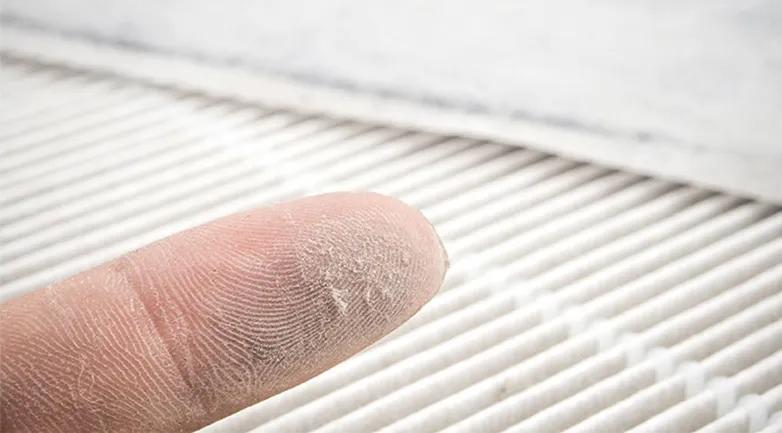
Key Takeaways
Different types of HVAC filters require different replacement frequencies: fiberglass filters need to be changed monthly, pleated filters quarterly and HEPA filters semi-annually to annually.
Larger homes, that have high levels of air pollution or contain pets may require more frequent filter changes.
Failure to replace HVAC filters on time can lead to decreased efficiency, higher utility costs, and potential health risks due to circulating pollutants.
Signs that a filter needs to be changed include decreased airflow, increased energy bills, dust buildup, and respiratory issues.
To maintain optimal HVAC performance and air quality, it is advisable to create a consistent replacement schedule and regularly monitor filter conditions.
Discovering the Function of Your HVAC Filter
Learning the fundamental role of your HVAC filter in preserving system efficiency and lifespan is essential. Imagine this component as an air quality regulator, ensuring not only purer air for you to breathe but also the smooth operation of your system.
Exploring different filter varieties, fiberglass filters, pleated ones, and advanced HEPA filters all offer unique advantages and drawbacks. While fiberglass variants are economical and easy to replace, their filtering capabilities for minute particles are lacking. Pleated filters excel in capturing dust and allergens, but neglecting regular changes can impede airflow. On the other hand, HEPA filters, considered top-tier, trap nearly everything. However, their high cost and potential need for professional setup can be downsides.
Efficiency of airflow is another fundamental term in this context. Accumulated dirt on filters can obstruct airflow, pushing your system to labor more and possibly raising your energy costs. Ignoring regular filter changes might even result in system damage. Therefore, to ensure optimal HVAC performance, knowing your filter's function is indispensable.
Variables Impacting Filter Change Frequency
Variables like home size, air quality, and filter type affect how often you should change your HVAC filter. Now, let's examine these factors in detail.
Think about the size of your dwelling first. Frequent filter replacements become necessary in expansive homes due to the increased volume of circulating air. Next, evaluate your surroundings. Regions marked by significant pollution or dust necessitate more regular filter swaps.
Different filter varieties also influence replacement schedules. Basic fiberglass filters usually require monthly replacement, while pleated variants can serve for 3 months. High-efficiency filters, on the other hand, can function effectively for up to 6 months.
Here's a simplified summary:
Home Size: Bigger dwellings need frequent replacements.
Surrounding Conditions: High pollution/dust necessitates frequent replacements.
Filter Varieties: Fiberglass needs monthly replacement, Pleated every quarter, and High-efficiency every half-year.
Pets: More furry friends mean more frequent replacements.
Don't forget your furry friends. Pet dander can quickly clog filters, demanding frequent replacements. By grasping these factors, HVAC system maintenance becomes an efficient task.
The Impact of Neglecting Filter Changes
Overlooking routine filter replacements in your HVAC system precipitates a string of issues, affecting comfort and pocketbook alike.
Gradually, dirt and dust pile up on your HVAC filter. If not replaced, this leads to a clogged filter, compelling your system to exert more effort to regulate your home's temperature. This extra effort not only diminishes energy efficiency but also inflates your utility costs. Essentially, you're feeding cash to a furnace while your HVAC system battles to maintain warmth.
However, financial repercussions aren't the sole concern. Health hazards emerge from filthy filters too, as they become less capable of capturing pollutants. Dust, pollen, and various allergens circulate your living space, which could provoke allergies or exacerbate existing respiratory issues. You might experience more frequent sneezing, or your asthma symptoms could intensify.
Recognizing When to Change Your Filter
Knowing when to change your HVAC filter will help you avoid health issues and needless expenses. While every filter has a different replacement schedule, some signs let you know when a change is about to happen.
Look out for these symptoms:
Reduced airflow: Your HVAC system may suffer due to a congested filter, which will result in less airflow.
Increasing energy costs: If your energy usage suddenly increases and is reflected in your bills, it could be a sign of a dirty filter.
Excessive dust: Accumulated dust in your home could mean your filter requires replacement.
Respiratory problems: Increased instances of allergies or breathing difficulties could be due to a polluted filter.
Don't neglect these signals. They're not just about comfort but also concern your well-being and finances. Keep an eye out for these typical signs, and make sure to replace your filter on schedule for the best possible operation from your HVAC system.
Best Practices for HVAC Filter Replacement
Signs indicating filter change necessity are now familiar to you, so let's delve into optimal HVAC filter replacement practices. Differentiate filter types, along with their replacement schedules, are vital for HVAC system efficiency.
Start by determining the best filter type for your system. Options include fiberglass, pleated, electrostatic, or HEPA filters. Each variety boasts unique advantages and disadvantages, so choose in alignment with HVAC system specifications and family health needs. Remember, there's no universal solution here, take your time.
The next step is to establish a regular replacement schedule. Pleated filters can last up to ninety days, however, fiberglass filters usually need to be changed every thirty days. High-efficiency filter types, such as HEPA or electrostatic, can endure for six to twelve months before needing to be changed. However, these durations may change depending on things like home allergy concerns, the number of pets, and usage.
Frequently Asked Questions
How often do you need to change your AC filter?
The frequency at which you need to change your AC filter depends on various factors such as the type of filter your HVAC system uses, the overall air quality in your area, whether or not you have pets, and the number of people in the household. Generally, it's recommended to change basic filters every 30-60 days, but if you have a more advanced filter, it may only need to be changed every 6-12 months.
What happens if you don't change the air filter in your house?
Not changing the air filter in your house can lead to a buildup of dust, pollen, and other particles which can not only decrease the efficiency of your HVAC system but also affect the air quality in your home. This can potentially lead to health issues, especially for those with allergies or asthma.
How do I know when my HVAC air filter needs to be replaced?
You can tell your HVAC air filter needs to be replaced if you notice a decrease in the system's efficiency, an increase in your energy bill, or if the filter looks dirty and clogged when you check it. If it's hard to see through the filter when you hold it up to the light, it's time to replace it.
How important is it to change the air filter in the house?
It's very important to change the air filter in your house regularly. A clean air filter ensures your HVAC system operates efficiently, maintains good air quality in your home, extends the lifespan of your HVAC system, and helps you save on energy costs.
What happens if you haven't changed your AC filter in a year?
If you haven't changed your AC filter in a year, your HVAC system has likely been working harder than necessary, which can lead to increased energy consumption and higher bills. Moreover, it can potentially damage your HVAC system and degrade the air quality in your home.
Will my AC work better if I change the filter?
Yes, your AC will work better if you change the filter regularly. A clean filter allows for better airflow, helping your AC run more efficiently, saving energy, and reducing your energy bills.
Can I clean my air filter instead of replacing it?
While some air filters can be cleaned instead of replaced, it's not recommended for all types. Disposable filters, for example, should be replaced, not cleaned. If you have a washable filter, follow the manufacturer's instructions for cleaning.
What happens if you wait too long to change your air filter?
Waiting too long to change your air filter can lead to a variety of problems. These include increased energy consumption, reduced HVAC efficiency, potential damage to the HVAC system, and decreased air quality in your home.
Can not change the air filter damage the AC?
Yes, not changing the air filter can damage your AC. A dirty filter restricts airflow, causing the system to work harder. This can lead to overheating and potential damage to the AC's internal components.
How do I know if my AC filter is too dirty?
If your AC filter is too dirty, you may notice a decrease in the system's efficiency, an increase in your energy bill, or problems with the AC's performance. Upon visual inspection, a dirty filter will look clogged and filled with dust and other particles.
Does changing the AC filter lower the bill?
Changing your AC filter regularly can help lower your energy bill. When the filter is clean, the AC doesn't have to work as hard to cool your home, leading to less energy consumption.
Should I turn off the AC when changing the air filter?
Yes, it's recommended to turn off your AC when changing the air filter. This ensures that no air is being pushed through the system while you're trying to change the filter, making the process safer and easier.