
Snow Squall Warning: What It Means and What to Do When One Hits
October 15, 2026
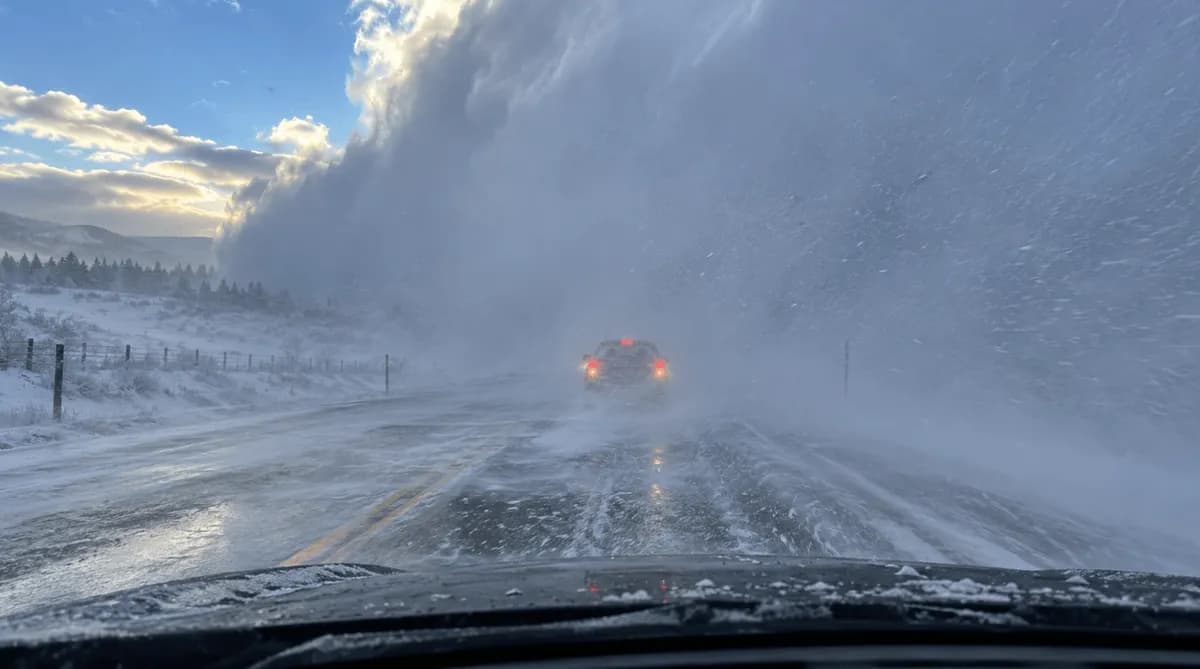
A snow squall warning usually comes just 20 to 30 minutes before the whiteout, so there's no time to prep your home once one is issued. Do it before squall season, which the National Weather Service places between November and March.
With the house sealed up against the cold, the same air passes through one filter again and again while your furnace or heat pump runs for days. If your filter is due within a few weeks, change it now. Take the quick quiz below to find the right filter for your home this winter.
What a snow squall warning means for you
1/4 mi
visibility
or less
30-60
minutes
it usually lasts
20-30
minutes of
typical lead time
The Cold Behind It Can Last Days
Your furnace or heat pump keeps running.
1. Swap a filter due within a few weeks
2. Clear snow from outdoor furnace vents
after each squall band
Source: National Weather Service. Season runs Nov to Mar.
Shop Air Filters Before Squall Season
Fast and free 2-day delivery to most US states, with auto-delivery every 30, 60, or 90 days.
Answer A Few Quick Questions And We'll Match You To The Right Filter For Winter
A snow squall warning means the National Weather Service (NWS) expects a sudden burst of heavy snow and gusty wind to drop visibility below a quarter mile in your area within minutes. The warning covers a small area and usually lasts 30 to 60 minutes. Roads can freeze almost instantly, so if you haven't left yet, wait it out.
Not on the road yet: Delay the trip until the squall passes, usually within an hour.
On the road: Exit at the next safe opportunity. If you can't, slow down gradually and turn on your headlights and hazards.
At Filterbuy, we read every squall warning as a heating forecast, too. The cold front behind a squall keeps furnaces and heat pumps running for days. Find your filter size before that stretch begins.
TL;DR
A snow squall warning is a short-fused NWS alert for a brief burst of snow and wind that brings whiteouts and icy roads, usually for 30 to 60 minutes. Delay travel until it passes, or exit safely if you're driving. At home, check your furnace filter and outdoor vents before squall season, because the cold behind a squall can keep the heat running for days.
Key Takeaways
A snow squall warning covers a 30- to 60-minute burst of heavy snow and gusty wind that cuts visibility to a quarter mile or less.
Only warnings tagged "Significant" trigger a phone alert. "General" warnings, including overnight ones, stay silent.
Squalls can turn wet roads to ice in minutes, and stopping distances on ice grow about ten times longer.
A winter storm warning comes 12 to 36 hours ahead of heavy snow or ice. A squall warning comes minutes ahead of a sudden whiteout.
Check your furnace filter and outdoor vents before squall season, which the NWS places between November and March.
What Is a Snow Squall?
A snow squall is a brief, intense burst of heavy snow, not a long snowstorm. NWS State College defines it as up to 2 inches of snow in 30 minutes, with winds over 30 mph and visibility under a quarter mile (NWS State College FAQ).
Speed, not snowfall, makes squalls dangerous. One can hit on a partly cloudy day and ice a road within minutes. NWS Detroit forecasters note that in parts of the U.S., yearly highway deaths from squalls can exceed deaths from tornadoes and floods combined.
What Triggers a Snow Squall Warning?
The NWS issues a snow squall warning when radar, satellite, or reliable reports show a squall with visibility of a quarter mile or less and either below-freezing roads or temperatures falling fast enough to flash-freeze them. No snow total is required (NWS Burlington). The whiteout and flash freeze cause the wrecks, not the snow total.
How to Read the Tags at the Bottom of a Warning
Every snow squall warning ends with two tags that tell you how confident forecasters are and whether your phone will send a Wireless Emergency Alert (NWS impact-based warning guide).
Source: National Weather Service. All NWS offices adopted these tags for winter 2023–24.
How to Time Your Trip Around a Squall
Use the warning's location, direction, and speed to estimate when the squall reaches you. NWS Detroit says lead time is usually 20 to 30 minutes, and many warnings list highways in the path (NWS Detroit/Pontiac).
Minutes until arrival = miles away ÷ speed (mph) × 60
In the NWS sample warning, a squall is moving east at 40 mph. A town 20 miles east has about 30 minutes. If your drive overlaps that window, wait, since most squalls clear a spot in under an hour.
Snow Squall Warning vs. Winter Storm Warning vs. Blizzard Warning
A snow squall warning covers minutes of whiteout, a winter storm warning covers hours of heavy snow or ice, and a blizzard warning tracks sustained wind and blowing snow.
Source: National Weather Service criteria; local thresholds vary by office.
For the longer-lasting alerts, see Filterbuy's guides to how a watch differs from a warning, blizzard warning vs. winter storm warning, and the winter weather advisory.
What to Do During a Snow Squall Warning
There is no safe place on a highway during a snow squall, so stay off the road until it passes. Filterbuy makes air filters, not forecasts, so these steps come from the NWS State College snow squall safety guide.
If You Haven't Left Yet
Wait. Most squalls pass within an hour, but a second band can follow, so check the radar and your state's 511 road conditions before leaving. Roads can stay icy after the snow stops.
If You're on the Road
Exit at the next safe opportunity. If a clear sky ahead turns to a white wall, exit before you reach it. If you can't exit in time:
Don't slam on your brakes.
Turn on your headlights and hazard lights.
Stay in your lane and increase your following distance.
If You're Caught in a Pileup
If you can, drive slowly forward to the front of the pileup. Once stopped, never stand outside your vehicle on or near the road. Move far from the roadway if it's safe; otherwise, stay buckled in your seat.
These steps matter. On March 28, 2022, a squall on Interstate 81 in Schuylkill County, Pennsylvania, set off an 80-vehicle pileup that killed 6 people and sent 24 to hospitals (WITF).
How to Prepare Your Home for Snow Squall Season
Prepare your heating system before November, because the arctic cold behind a squall can hold temperatures down for days. A sealed-up home recirculates the same air through one filter, and we've seen filters pulled in February that were completely black after 30 days.
Change your air filter if it's due within a few weeks. A clogged filter makes the blower work harder and can cause a furnace to overheat and shut off. On our manufacturing floor, a 4-inch filter carries 8 deeper pleats per foot versus 14 on a 1-inch, so it holds more dust through a long cold stretch. See how often to change your air filter.
Clear outdoor vents after each squall band. Wind-driven snow can block a high-efficiency furnace's PVC intake and exhaust pipes, shutting it down and pushing carbon monoxide back inside. The EPA advises clearing furnace vents of snow and ice.
Brush off your heat pump. HVAC.com recommends clearing at least 18 inches around the outdoor unit, and the defrost cycle should be left to run. Filterbuy's heat pump winter prep checklist covers the rest.
Test your carbon monoxide alarms. Unintentional, non-fire CO poisoning kills more than 400 Americans a year, according to the CDC. No air filter removes CO, including activated carbon filters. Learn why no air filter removes carbon monoxide.
Pro Tip: Date the frame. Write the install date on the filter in marker, and at 30 days, hold it against white paper. If it looks gray, your home is on a 30-day winter cycle. The paper test beats holding a filter up to a light, because new pleated media already blocks light.
"Most no-heat calls during a winter storm trace back to two things a homeowner can check in five minutes: a snow-blocked vent pipe and a clogged filter. Clear the vents and swap the filter before the snow starts." – David Clark, Licensed HVAC Technician
Supporting Statistics
1. Nearly 900 people die each year in U.S. crashes during snowfall or sleet. Another 76,000 are injured, according to the U.S. Federal Highway Administration.
2. Snow squalls ranked behind only floods for weather deaths in Pennsylvania over the decade ending in 2008. The finding comes from NWS Storm Data, cited by the National Weather Service in Burlington, Vermont.
3. Nearly half of a home's energy goes to heating and cooling. ENERGY STAR, the EPA's efficiency program, advises checking your air filter monthly in winter.
Frequently Asked Questions
Why did my phone get a snow squall alert?
Your phone alerts only for snow squall warnings the NWS tags "Significant," meaning the squall poses a substantial threat to travel. Other squall warnings appear in weather apps and on NOAA Weather Radio without a phone alert.
Is there a snow squall watch?
No. The NWS doesn't issue a snow squall watch. Forecasters flag squall potential hours to days ahead in the Hazardous Weather Outlook and Special Weather Statements, then issue a warning when a squall is imminent.
Can a snow squall warning and a winter storm warning be in effect at the same time?
Usually not. NWS Detroit's guidance is to skip squall warnings while a winter storm warning is in effect, though it may issue one during a winter weather advisory. Practices vary by office.
Should I change my furnace filter before snow squall season?
Yes, if it's due within a few weeks. That's Filterbuy's rule of thumb for any winter warning, because the cold behind a squall line can keep your furnace running almost nonstop. If you can't remember your last change, it's overdue.
Where can I see active snow squall warnings?
Check the NWS active alerts page, or enter your ZIP code at weather.gov. Squall warnings can expire in under an hour, so a phone weather app or NOAA Weather Radio is the fastest way to hear about one.
Get Your Home Ready Before the First Squall
Filterbuy cuts every filter to order in the USA in more than 600 sizes. Set up auto-delivery every 30, 60, or 90 days so a fresh filter arrives before squall season, and check your local air quality while you wait out the weather.
About the Author and Reviewer
Michelle Wan is a Brand Manager at Filterbuy who writes its air quality guides with input from the U.S. manufacturing team. David Clark, a Licensed HVAC Technician with Filterbuy HVAC Solutions, reviews Filterbuy's maintenance guidance. Filterbuy is a family-owned manufacturer that has made filters in Alabama, Florida, Pennsylvania, and Utah since 2013.
Glossary
Filterbuy: A family-owned U.S. manufacturer of HVAC air filters, founded in 2013, that makes MERV 8, MERV 11, MERV 13, and Odor Eliminator filters to order in 600+ sizes.
National Weather Service (NWS): The U.S. federal agency, part of NOAA, that issues official weather watches, warnings, and advisories.
Snow squall: A brief, intense burst of heavy snow and gusty wind, usually under an hour, that drops visibility below a quarter mile.
Snow squall warning (SQW): A short-fused NWS alert, typically 30 to 60 minutes long, for a small area facing whiteout conditions and icy roads.
Impact-based warning tag: A machine-readable line at the end of an NWS warning that states the source of the information and the severity of the threat.
Wireless Emergency Alert (WEA): A free government alert pushed to mobile phones within a warned area.
Flash freeze: A rapid temperature drop that turns wet roads to ice within minutes.
Whiteout: Falling or blowing snow so dense that visibility drops to near zero.