
Portland Real-Time AQI Tracker


Get Alerts For Unhealthy AQI In Your Area
When air quality in your area reaches unhealthy levels, we'll send you a quick alert, along with expert tips on how to reduce your exposure.
What's Actually In Portland Air Today?
What High AQI Means for Your Lungs in Portland
How to Read AQI
The Air Quality Index (AQI) measures how polluted the air is and how it may affect your health.
0–50 (Good): Air quality is satisfactory.
51–100 (Moderate): Acceptable, but some pollutants may pose minor concerns.
101–150 (Unhealthy for Sensitive Groups)
151–200 (Unhealthy)
201–300 (Very Unhealthy)
301+ (Hazardous)
Moderate
Still okay for most, but if you have asthma or allergies, take it easy and avoid long outdoor workouts.
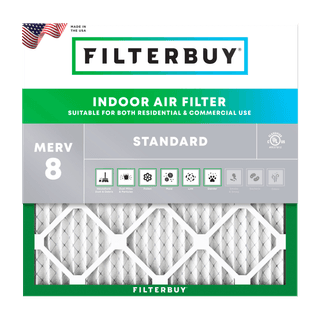
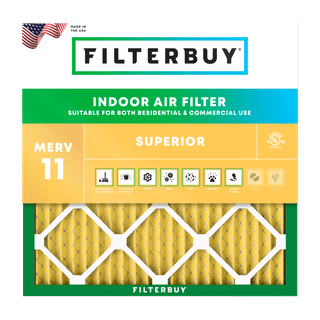
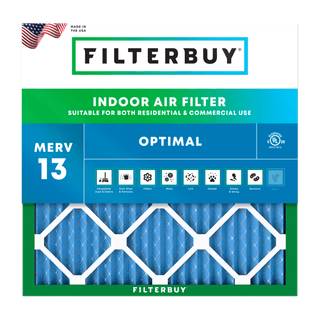
Shop MERV 11 filters→What's the Right Filter for Your AQI Level?
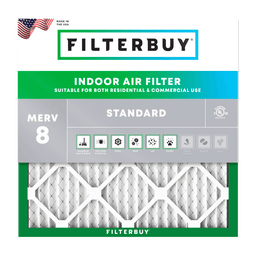
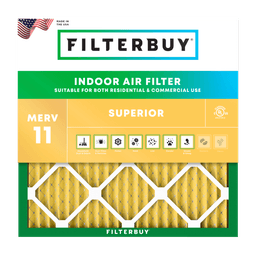
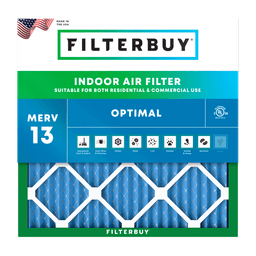

Check Today's Live Real Time Air Quality Index AQI Map in Portland, OR Now
By the time a Portland sky actually looks hazy, the AQI has usually already crossed Unhealthy. The live map at the top of this page reads the air directly, not the view from your window, so you know what's really outside before your eyes do.
TL;DR Quick Answers
Live Air Quality Index Now Today in Portland, OR
Portland's real-time air quality index appears on the live map above, pulled hourly from EPA and Oregon DEQ monitoring stations. Most days run Good (0 to 50) or Moderate (51 to 100). During wildfire smoke events and winter inversions, readings can climb into Unhealthy (151+) within hours.
Best Live AQI Sources for Portland
AirNow Fire and Smoke Map: the best wildfire-season view, combining federal monitors with PurpleAir sensors
Oregon DEQ Air Quality Today: the official state map, with Portland-area monitors at the Portland Postal Building and SE Lafayette
OregonAir mobile app: the same DEQ data, optimized for phone alerts and burn-ban notifications
AQI Scale Quick Reference
0 to 50 Good: no precautions needed
51 to 100 Moderate: unusually sensitive people should limit prolonged outdoor exertion
101 to 150 Unhealthy for Sensitive Groups: kids, older adults, and people with asthma or heart disease should cut back on outdoor activity
151 to 200 Unhealthy: everyone should limit prolonged outdoor exertion
201 to 300 Very Unhealthy: avoid outdoor activity entirely and run a cleaner room indoors
301+ Hazardous: emergency conditions, stay indoors with HVAC on recirculate
Seasonal Note for Portland
Winter brings wood-burning PM2.5 and temperature inversions. Late summer brings wildfire smoke. Warm sunny months bring ozone along I-5 and I-84. The pollutant changes with the season, but the response stays the same. Check the map, adjust your plans, and keep your filter cabinet stocked.
Top Takeaways
Portland air quality follows a seasonal rhythm. Wood-burning PM2.5 dominates winter, wildfire smoke takes over in late summer and fall, and ozone builds along the freeways through warm months.
Conditions can flip from Moderate to Unhealthy in a single afternoon during fire season, so a morning AQI check isn't enough on smoke days.
MERV 11 covers the everyday Portland particle load. MERV 13 is the upgrade for active wildfire smoke, but only if your HVAC system is rated for the added airflow resistance.
Indoor air is where you have control. Recirculate the HVAC, seal off one cleaner room, and stock spare filters before fire season starts.
Zoom out from city-level data with Oregon's statewide AQI snapshot, which shows how Portland readings compare to the rest of the state on the same day.
How to Read Today's Portland Air Quality Map
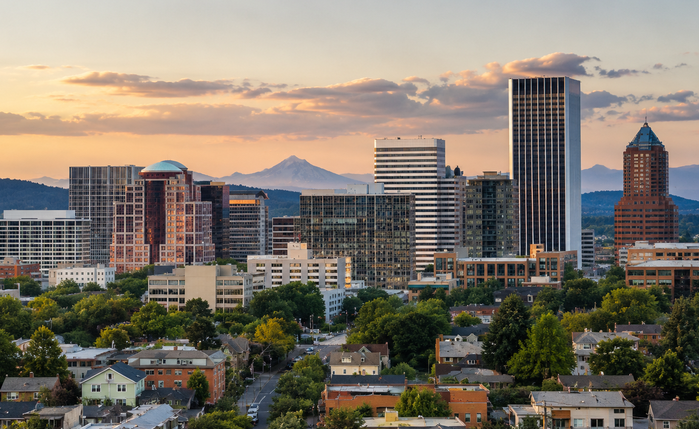
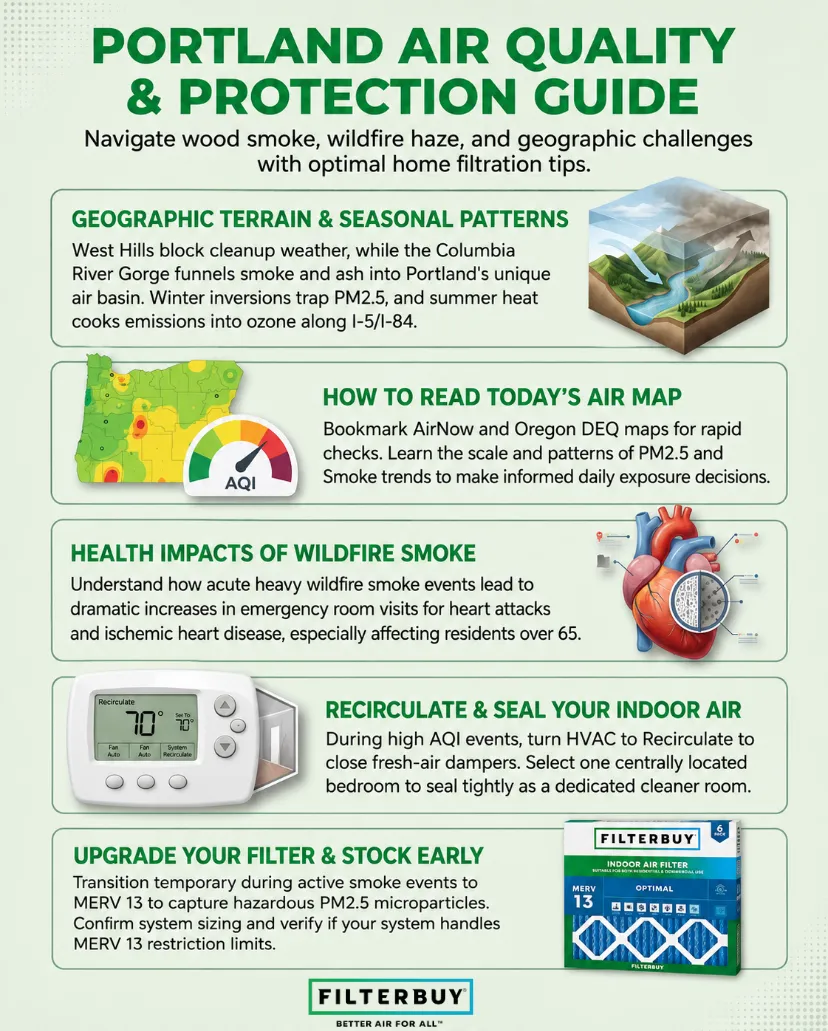
Each colored dot on the map shows a live AQI reading from a nearby monitor, ranging from green for clean air to maroon for hazardous. Portland's terrain matters more than in most cities. The West Hills block westerly weather, the Columbia River Gorge funnels smoke in from the east, and the I-5 corridor pumps traffic exhaust through the spine of the metro. Two monitors a few miles apart can read very differently on the same morning, so check more than one dot if you live or work between zones. Anyone with asthma, COPD, or heart disease should track this daily, along with young kids, pregnant residents, and adults over 65.
What Drives Poor Portland Air Quality
Portland air quality follows a seasonal rhythm. Winter dumps PM2.5 from residential wood stoves into the air that gets pinned against the Willamette Valley floor on calm, cold nights. Late summer and early fall bring wildfire smoke, sometimes from Oregon's own forests, sometimes drifting in from California, Washington, or British Columbia. Warm sunny months work differently. Vehicle exhaust and industrial emissions cook into ground-level ozone along the I-5 and I-84 corridors, where the smog can hang through afternoon commutes.
For a closer look at what fine particles actually do once they reach your lungs, see our resource on the long-term effects of wildfire smoke.
Portland Air Quality Trends Since 2017
Portland's AQI has trended worse since the mid-2010s. The 2017 wildfire season pushed PM2.5 to record levels across western Oregon. Then came September 2020. Hazardous air settled over the metro for days and broke the records set just three years earlier. Fire seasons since have run longer and more actively than the 2000-to-2015 baseline, with smoke-affected days now arriving as early as July and lingering into October. The EPA tightened the PM2.5 AQI breakpoints in 2024, so today's numbers can look higher than older charts on identical air. The scale itself got more protective.
When and How Often Portland Residents Should Check the AQI
Build a routine that matches the season. On normal days, a single morning check before outdoor plans is enough. During wildfire season, with fires active within 200 miles, look at the map every two to four hours. A wind shift can flip Moderate to Unhealthy fast. During winter inversions, the air is usually cleanest at midday and worst before dawn and after dinner. Treat the AQI like a weather check on days when conditions change.
What to Do Outside on High-AQI Days in Portland
When the map turns orange or worse, shorten outdoor time and move strenuous activity inside or to the cooler morning hours. Pick routes away from heavy traffic, because PM2.5 from cars stacks on top of whatever else is in the air. Cap kids' outdoor play above an AQI of 100 and pull them inside entirely above 150. Watch for coughing, chest tightness, or a sudden headache. Those signals mean your body wants you indoors with water and rest until conditions clear.
Protecting Indoor Air in Your Portland Home
Indoor air is where you actually have control. During smoke events, set your HVAC to recirculate and keep the fresh-air damper closed. Pick one room you can seal off as a cleaner space, ideally a bedroom with few exterior walls and a portable air cleaner running high. Stock filters before fire season starts, not when smoke is already in the air. Most Portland homes run well on MERV 11 year-round, with MERV 13 swapped in during smoke events if the system supports it.
Filterbuy's guide on how to choose the best home filter for your loved ones walks through how to match a MERV rating to your system. For odor and gaseous pollutants like the chemical smell that lingers after a smoke event, an activated carbon and charcoal filter adds protection that a fiber-only filter can't.
After manufacturing filters for over a decade and serving more than two million households, we've watched Pacific Northwest orders spike within hours of a Cascades wildfire igniting. Portland families don't need a fancier filter when smoke arrives. They need the right MERV rating already in place and a spare on the shelf, because once smoke is in the air, the shipping window closes fast.
— Filterbuy Team
7 Trusted Sources Every Portland Resident Should Bookmark
These resources cover Portland air quality from the agencies and organizations doing the underlying science. Each one comes from a different official source, so the picture you get is full rather than the same data repeated.
AirNow Fire and Smoke Map (EPA and U.S. Forest Service): the federal real-time smoke layer that combines regulatory monitors, temporary smoke-event monitors, and PurpleAir sensors. The single best view during active fire season. Visit the Fire and Smoke Map.
Oregon DEQ Air Quality Today: Oregon's state-run AQI page with more than 37 monitoring stations statewide, including the Portland Postal Building and SE Lafayette sites. Open the Oregon DEQ AQI page.
EPA Health and Environmental Effects of Particulate Matter: the federal explainer on what PM2.5 and PM10 actually do to your lungs and heart, who is most at risk, and why particle size matters. Read the EPA particle pollution overview.
CDC Wildfires and Your Safety: the CDC's plain-English hub on protecting yourself before, during, and after a wildfire, including who carries the highest risk from smoke. See the CDC wildfire safety hub.
American Lung Association State of the Air, Portland-Vancouver-Salem Metro Report: an annual letter-grade report card on ozone and particle pollution across the Portland metro, broken down by county. View the Portland metro report card.
Ready.gov Wildfires: FEMA's preparedness page covering household readiness, evacuation planning, and smoke protection. The Five Ps of Evacuation are worth memorizing before fire season. Read the Ready.gov wildfire guide.
National Weather Service Wildfire Ready: the NWS preparedness page that ties together fire weather forecasts, smoke advisories, and household readiness checklists. Open the NWS wildfire preparedness page.
3 Portland Air Quality Numbers Worth Knowing
These numbers shape what Portland residents are actually breathing. Each one comes from a peer-reviewed or institutional source.
Roughly 7 million Americans live in communities exposed to elevated residential wood smoke, according to a study indexed on PubMed (NIH). Portland sits in the heart of that exposure map, because wood burning drives a large share of the city's wintertime PM2.5.
Source: https://pubmed.ncbi.nlm.nih.gov/25642637/
Emergency room visits jump 42 percent for heart attacks and 22 percent for ischemic heart disease within a day of dense wildfire smoke exposure, per research cited by the American Heart Association. Adults over 65 see the sharpest spike, which matters across the Portland metro.
The Pacific Northwest saw 4,466 wildfires burn nearly 500,000 acres in 2025, according to the USDA Forest Service Pacific Northwest Region annual summary. Even a moderate fire year produces multiple smoke advisory days in Portland, because smoke travels hundreds of miles from where it starts.
Source: https://www.fs.usda.gov/r06/planning/fire-resiliency
Our Honest Take on Portland's Smoke Season
Most Portlanders only think about their filter the same week they smell smoke. That's the worst possible time to start, because shipping across the Northwest slows down, and the MERV 13 sizes built for smoke sell out first. Years of supplying Portland homes have taught us a better rhythm. Order filters in July. When the map turns orange, set your HVAC to recirculate and keep it there. Pick one room to keep cleaner than the rest, ideally a bedroom, and retreat there during the worst hours. None of these costs much, and together it protects your family better than any single product purchase. Portland air won't warn you before it changes. The map will, and your filter cabinet should already be ready before it does.
Your 5-Minute Action Plan Before Smoke Season Returns
Work through this list once before fire season starts, and you'll be ready when the AQI map turns colors you don't want to see.
Bookmark this page and the AirNow Fire and Smoke Map on your phone's home screen for one-tap access.
Find your HVAC filter size and confirm the MERV rating your system is built to handle. Most residential systems tolerate MERV 11 without issue. MERV 13 is the smoke-event upgrade if your blower can handle the added resistance.
Order two spare filters now, not one. You want one in the system and one on the shelf for when smoke arrives, and shipping windows tighten.
Pick a cleaner room in your home, ideally a bedroom with few exterior walls, and pre-position a portable air cleaner there if you own one.
Save your local NWS office number and sign up for Multnomah County emergency alerts, so smoke advisories reach you before you wake up to a hazy morning.
Frequently Asked Questions
Stock Smoke-Ready Filters for Your Portland Home
Clean indoor air on Portland's worst smoke days starts with the filter already in your HVAC when the smoke arrives. Find your filter size in under a minute, and stock two spares before fire season starts. A correctly-rated filter installed early does more for your family than the fanciest filter ordered the day a wildfire ignites.
Shop Portland-ready filters by entering your filter size and MERV rating.
Read the MERV rating guide to confirm your HVAC system can handle the upgrade you want.