
Fayetteville Real-Time AQI Tracker


Get Alerts For Unhealthy AQI In Your Area
When air quality in your area reaches unhealthy levels, we'll send you a quick alert, along with expert tips on how to reduce your exposure.
What's Actually In Fayetteville Air Today?
What High AQI Means for Your Lungs in Fayetteville
How to Read AQI
The Air Quality Index (AQI) measures how polluted the air is and how it may affect your health.
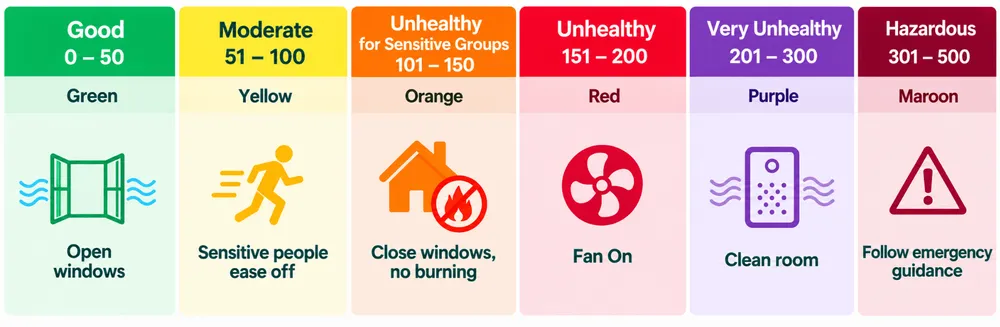
0–50 (Good): Air quality is satisfactory.
51–100 (Moderate): Acceptable, but some pollutants may pose minor concerns.
101–150 (Unhealthy for Sensitive Groups)
151–200 (Unhealthy)
201–300 (Very Unhealthy)
301+ (Hazardous)
Moderate
Still okay for most, but if you have asthma or allergies, take it easy and avoid long outdoor workouts.
Shop MERV 11 filters→What's the Right Filter for Your AQI Level?
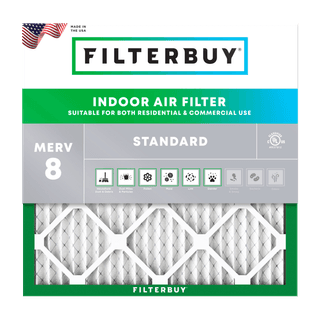
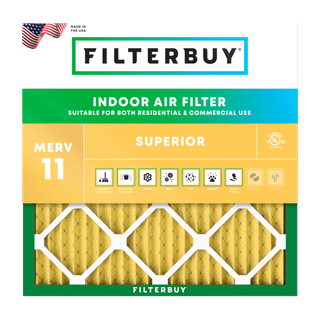
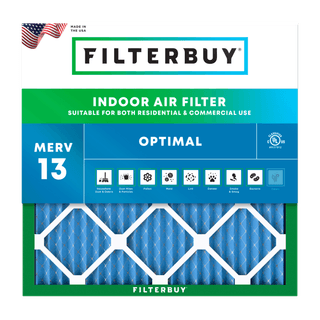


Check Today's Live Real Time Air Quality Index AQI Map in Fayetteville, NC Now
TL;DR
Filterbuy's live AQI map above shows current air quality for Fayetteville, North Carolina, from EPA AirNow data, including Cumberland County's monitors. Most days are Good or Moderate, except for ozone on hot summer afternoons and prescribed-burn smoke, mostly December through April. If the map reads 100 or higher, put in a MERV 13 filter, set the thermostat fan to On, run a portable HEPA air cleaner in each occupied room, and close the house up.
Key Takeaways
Three N.C. DAQ monitors cover Cumberland County: Wade and Honeycutt for ozone, and William Owen School for particles.
At an AQI of 100 or higher, Filterbuy recommends MERV 13, fan On, portable HEPA cleaners and a closed-up house.
How to Read the Live Fayetteville AQI Map
The AQI on the map is a 0 to 500 score set by whichever pollutant scores highest that day, so check which pollutant is driving it. In Fayetteville, that's usually ground-level ozone on summer afternoons or PM2.5, the fine particles that make up most of smoke, on burn days.
When the Filterbuy team mapped Cumberland County's air monitors, we found only three, all listed on the N.C. Division of Air Quality's Fayetteville Region monitoring page. Wade, northeast of the city, and Honeycutt measure ozone, while William Owen School measures particles. With so few sites, trust your eyes too: smoke over Hope Mills or Spring Lake can reach your street before a monitor catches it.
What Each AQI Color Means for Your Day in Cumberland County
North Carolina forecasters use AQI color codes, so a Code Orange alert means an AQI of 101 to 150. Filterbuy acts one point sooner, at 100, the top of the Moderate range. At 100 or higher, check AirNow and N.C. DAQ guidance first, then take four steps: put a MERV 13 filter in your HVAC system, set the thermostat fan to On, run a portable HEPA air cleaner in each occupied room (bedrooms first), and close the house up, with no candles, frying, smoking or vacuuming while smoke is in.
Source: AQI ranges and categories from the U.S. EPA Air Quality Index; color codes from the N.C. Division of Air Quality. Recommended actions are Filterbuy's.
Why the Fayetteville AQI Can Look Wrong
Filterbuy's Fayetteville AQI map can disagree with your senses for three reasons. Hourly readings use NowCast, a weighted average that smooths sudden changes, so a fast plume can arrive before the map shows it. Monitors sit miles apart. And pollen is not part of the AQI, so Sandhills pine dust each spring can leave the map Green while your sinuses disagree.
In May 2024, the EPA also lowered the top of the Good range for PM2.5 from 12.0 to 9.0 micrograms per cubic meter, according to its AQI fact sheet. Some days that used to read Green now read Yellow, though the air hasn't changed.
When they disagree, the Filterbuy team runs a quick three-step check:
Look for smoke from above. The state's AIR tool maps satellite-detected fires and smoke overhead.
Check the wind. A west or southwest wind can carry Sandhills burn smoke toward the city.
Read tomorrow's forecast. It shows whether ozone or PM2.5 is expected to rise.
Is It Safe to Be Outside in Fayetteville Today?
For most people, yes, while the map reads Good or Moderate. From 101, sensitive groups should cut back on long or hard outdoor exertion, and from 151, everyone should. These thresholds come from the EPA's Air Quality Index.
Fayetteville Air Quality Forecasts and Code Orange Alerts
The N.C. Division of Air Quality publishes a daily air quality forecast for all 100 counties. Ozone forecasts run March 1 through October 31, and PM2.5 forecasts run all year. Get free email alerts through EnviroFlash or sign up for Filterbuy's alerts on this page.
On a Code Orange Air Quality Action Day, sensitive family members should plan indoor afternoons. Burning waits too, because state law prohibits open burning of yard waste and land-clearing debris on Code Orange days or worse.
What's Actually in Fayetteville's Air
Ozone, Fayetteville's warm-season pollutant, forms when nitrogen oxides from vehicles and industry react in strong sunlight, which is why readings peak on hot, still afternoons. Traffic on I-95 and the Fayetteville Outer Loop (I-295) supplies nitrogen oxides locally, and more ozone drifts in from upwind.
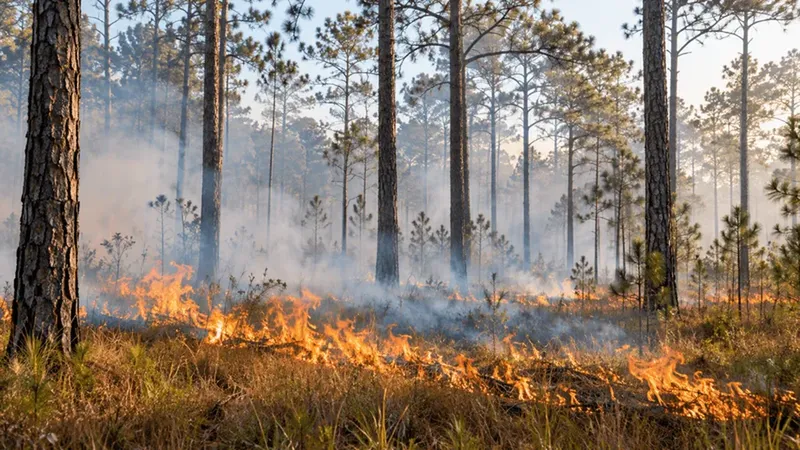
In the cooler months, fine particles take over. Fort Bragg's forestry program burns roughly 55,000 acres a year (a 2017 figure) to maintain longleaf pine habitat, and prescribed fire across North Carolina peaks in February and March, according to the N.C. Air Quality Portal. Most burns cause brief, localized PM2.5 spikes, but a southwest wind can carry smoke over the city. Distant fires matter too: Canadian wildfire smoke put all of North Carolina under Code Orange or Code Red on June 7, 2023.
How Fayetteville Compares with Other NC Metros
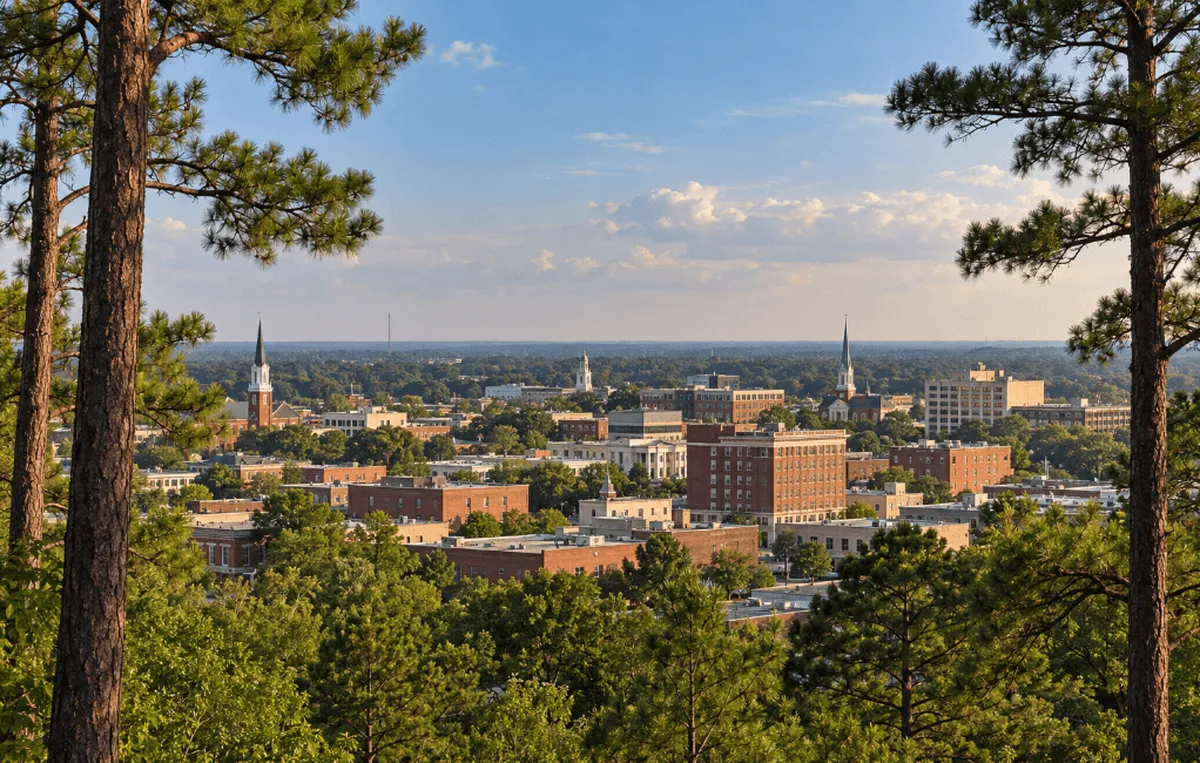
Fayetteville grades better than the state's larger metros. In the American Lung Association's 2026 State of the Air report, the Fayetteville-Lumberton-Pinehurst metro earned a B for ozone, ranking 169th worst nationally. Raleigh-Durham-Cary also earned a B at 143rd, and Greensboro-Winston-Salem-High Point ranked 100th with a C. Compare today's readings on the live Raleigh air quality map or the statewide North Carolina AQI map.
Smoke Days in Fayetteville: Local and Often Planned
On January 23, 2024, a smoke plume spread across Cumberland County and pushed parts of the area into Code Red. For live fire locations and a smoke-day checklist, see Filterbuy's Fayetteville wildfire and smoke map.
No Central Air? Options for Fayetteville Rentals
In homes cooled by window units, there's no filter slot, so a portable HEPA air cleaner is the main defense on a smoke day. Size it with the EPA's cleaner air room guidance: its smoke CADR (clean air delivery rate) should be at least two-thirds of the room's square footage, so a 300 sq ft bedroom needs a smoke CADR of about 200. Skip ionizers and ozone generators, since the EPA advises against air cleaners that produce ozone. In rentals and on-post housing with central air, tenants can usually replace the filter themselves.
Fayetteville Has Two Air Seasons
Our four steps don't change with the season, but the step doing the most work does.
From late spring through summer, ozone is usually the driver. Ozone breaks down on indoor surfaces, so indoor levels typically run 0.2 to 0.7 times outdoor levels, according to ASHRAE, the HVAC engineering society. That's good news, because standard HVAC filters are not designed to remove ozone, so on ozone days, a closed-up house does most of the work. Ozone falls after sunset, so evenings are the time to air out.
From December through April, burn smoke usually drives the number. PM2.5 slips indoors and lingers for hours, but a pleated filter catches it, so MERV 13 and portable HEPA cleaners carry more of the load.
“A July orange is usually ozone, and closing the windows does most of the work. A February orange is usually burn smoke, and that's when the filter earns its keep.”
Michelle Wan, Brand Manager and Air Quality Writer, Filterbuy
Matching Your Filter to the Fayetteville AQI
At an AQI of 100 or higher, MERV 13 goes in whatever the pollutant. Below that, the season decides.
According to EPA smoke guidance, central HVAC systems should run a MERV 13 or higher filter during smoke events, and most furnaces and HVAC systems handle MERV 13 without equipment problems as long as the filter is replaced often. Filterbuy reviewer David Clark, a licensed HVAC technician, checks fit first, since a loose filter lets air slip around its edges. MERV 13 in the system and a portable HEPA unit in the room do different jobs, so use both on smoke days, with windows shut; even a MERV 13 air filter can't keep up with open windows. During smoke, check the filter and replace it when it turns dark brown or black, which can be well before the usual interval. On ordinary days, MERV 11 air filters are plenty.
Filterbuy's Fayetteville Filter Calendar
Each change lands just before its season on the state's burn and ozone calendars.
Early December: put in a fresh MERV 13 before burn season.
Early March: replace it again as peak burning and pine pollen overlap.
June: MERV 8 or MERV 11 is fine on ordinary days; keep a MERV 13 spare for any reading of 100 or higher.
Filterbuy makes its filters in the USA in more than 600 sizes, plus custom air filters for older homes with odd-sized returns. Filter auto-delivery can time shipments to this calendar so a spare is always on hand.
Supporting Statistics
0.060 ppm: Cumberland County's ozone level
14% under the 0.070 ppm federal limit.
Takeaway: ozone here is occasional, not chronic.
B: Fayetteville's ozone grade
Takeaway: most days are clean, so check the live map.
0.2 to 0.7 times: indoor ozone vs. outdoor
Takeaway: on ozone days, closed windows do the heavy lifting.
Frequently Asked Questions
What is the air quality in Fayetteville today?
Filterbuy's live map above shows the current Fayetteville AQI from EPA AirNow data and updates through the day.
Is the air quality bad in Fayetteville today?
Check the map. A reading of 101 or higher is unhealthy for sensitive groups, and 151 or higher is unhealthy for everyone. Most days here fall in the Good or Moderate range.
What is the PM2.5 level in Fayetteville today?
When PM2.5 drives the AQI on the live map, that is the number to watch. The William Owen School monitor measures particles.
Why does Fayetteville's air get smoky in winter and spring?
Prescribed burns on Fort Bragg and across the Sandhills run mostly in cooler months, peaking in February and March.
What MERV filter should I use in Fayetteville?
MERV 13 is the tier for smoke, burn season and any reading of 100 or higher. MERV 8 air filters or MERV 11 work on ordinary days, and Filterbuy's filter calendar above shows when to switch.
Glossary
AQI (Air Quality Index): A 0 to 500 scale with six color-coded categories. The EPA sets it.
Code Orange Air Quality Action Day: A North Carolina forecast for AQI 101 to 150.
Ground-level ozone: A lung irritant formed in sunlight; Fayetteville's warm-season pollutant.
PM2.5: Fine particles 2.5 micrometers or smaller, the main component of smoke.
MERV: Minimum Efficiency Reporting Value, the 1 to 16 HVAC filter efficiency scale.
HEPA: High-efficiency filtration used in portable room air cleaners, not in HVAC systems.