
Chesapeake Real-Time AQI Tracker


Get Alerts For Unhealthy AQI In Your Area
When air quality in your area reaches unhealthy levels, we'll send you a quick alert, along with expert tips on how to reduce your exposure.
What's Actually In Chesapeake Air Today?
What High AQI Means for Your Lungs in Chesapeake
How to Read AQI
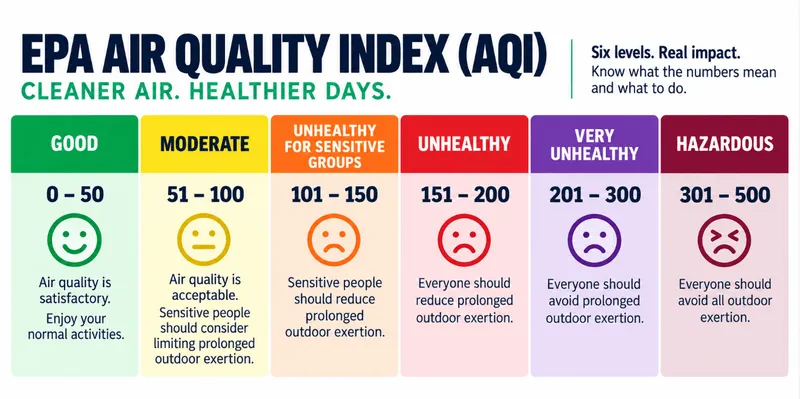
The Air Quality Index (AQI) measures how polluted the air is and how it may affect your health.
0–50 (Good): Air quality is satisfactory.
51–100 (Moderate): Acceptable, but some pollutants may pose minor concerns.
101–150 (Unhealthy for Sensitive Groups)
151–200 (Unhealthy)
201–300 (Very Unhealthy)
301+ (Hazardous)
Moderate
Still okay for most, but if you have asthma or allergies, take it easy and avoid long outdoor workouts.
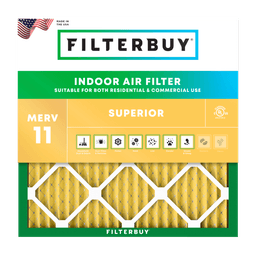
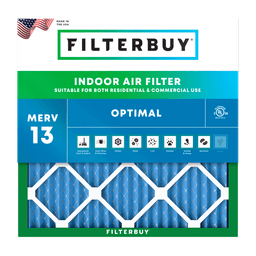
Shop MERV 11 filters→What's the Right Filter for Your AQI Level?



Check Today's Live Real Time Air Quality Index AQI Map in Chesapeake, VA Now
TL;DR
The live AQI map above shows Chesapeake’s current air quality, drawn from EPA-monitored stations and refreshed through the day. Under 50 is Good, and once it climbs past 100 sensitive groups should ease off outdoor exertion. Ozone drives the summer swings while fine particulate drives the sharp spikes, including smoke off the Great Dismal Swamp along the city’s southwestern edge. Filterbuy builds the filters that decide how much of that reaches your living room, which is why this page is written from the indoor side.
Reading Chesapeake’s Live AQI Map Before You Step Outside
Start with the map above. It color-codes readings into the six official AQI categories, so the color tells you what to do before the number does: green and yellow mean carry on, orange and above means sensitive groups scale back. The map also names the pollutant behind the reading, and that matters, because ozone and fine particulate behave nothing alike once they get indoors. Chesapeake is also the largest city by land area in Hampton Roads, so a single reading cannot describe both the Bowers Hill interchange and the farmland below Hickory.
Key Takeaways
The live map is this page’s only current-conditions source. Chesapeake’s AQI moves hour to hour with wind, heat, traffic and smoke.
Ozone and PM2.5, the fine particles in smoke and exhaust, set nearly every reading, and ozone season runs April through September.
Chesapeake borders the Great Dismal Swamp, where peat fires burned 121 days in 2008 and 111 in 2011. DEQ issues Code Orange, Red and Purple alerts for Hampton Roads.
The EPA recommends MERV 13 during smoke events, or the highest rating your system supports.
Every Band on the Scale, and the Call It Asks You to Make
The U.S. AQI runs from 0 to 500 across six categories, each colored differently. Find the color the live map is showing and read across.
Categories and precautions per EPA AirNow guidance. Follow the category shown on the live map above.
What to Do When Chesapeake’s AQI Reaches 100
AQI 100 is where Filterbuy tells customers to move. That threshold is ours, not the EPA’s. The EPA recommends a high-efficiency filter rated MERV 13 or higher in a central system during smoke events, but it sets no AQI number for making the switch. We picked 100 because it is the top of Moderate, and waiting for the category to change costs you the day you needed the filter.
Before anything else, check AirNow and Virginia DEQ guidance for the region. Then four steps, in this order.
Put MERV 13 in the HVAC, or the highest rating your system supports. The central system moves far more air than any portable unit, so this is the whole-home layer.
Set the thermostat fan to On rather than Auto. Auto only filters while the system is heating or cooling. On filters continuously.
Run a portable HEPA air cleaner in each occupied room, bedrooms first. Size it by smoke CADR at about two-thirds of the room’s square footage, so a 300-square-foot bedroom wants a smoke CADR near 200. Skip anything that produces ozone, which the EPA advises against.
Close the house up. Windows and doors shut, and don’t add to the load indoors with candles, frying, or vacuuming without a sealed unit.
These two layers do different jobs, so don’t treat them as a choice. MERV 13 sits in the system and works on the whole house. A portable HEPA unit sits in one room and works that room harder than the central system can. While smoke is in, check the filter rather than the calendar: replace it when it looks dirty, dark brown or black, which can be well before the normal interval. Keep spares on hand.
Is the Air Safe to Breathe in Chesapeake Today?
Safe depends on two things the number won’t tell you: who is in the house, and how long they will be outside. An hour of yard work at AQI 110 is not a two-hour soccer practice. If you manage asthma, COPD or a heart condition, follow the plan your doctor gave you and the guidance at AirNow rather than a number on a screen.
When the Number and the Sky Disagree
Sometimes the air smells like woodsmoke and the dial still says yellow. That isn’t a broken sensor. The EPA reports current AQI as a NowCast, an average of up to twelve previous hours, so during a moving plume the number lags what your nose already knows. Monitor spacing adds to it, since DEQ runs 36 sites across Virginia and the one nearest you may sit in a neighboring city. When your eyes and the index disagree, trust your eyes and check the AirNow Fire and Smoke Map.
How Air Quality Shifts Across Chesapeake’s ZIP Codes
Chesapeake is not one air shed. The northern ZIP codes sit against an industrial waterfront and three interstates, while the southern ones sit against a peat bog, and on many days the two are not breathing the same air.
Local pollution sources by area. For current readings, use the live map above.
What Is Actually in Chesapeake’s Air
Six criteria pollutants feed the AQI, and whichever scores highest sets the number. In Chesapeake that is almost always ozone or fine particulate. PM2.5 here comes off diesel exhaust, marine and rail operations, and wood or wildfire smoke.
What matters more than the chemistry is how each behaves at your threshold. Ozone breaks down indoors, so shutting the windows handles it. Fine particulate does not cooperate: it drifts in around doors and windows and stays suspended for hours. Only one of the two is a filtration problem, and it is the one that lingers.
What the Index Does Not Track Here
The AQI has a blind spot. It doesn’t track pollen, mold spores or odor at all.
The gap matters more here than in most cities. Chesapeake is a humid, wooded coastal plain on a high water table, so a spring morning can leave you wheezing while the map still reads Good. If your symptoms track the tree line rather than the traffic, the index is the wrong tool. Indoors is a different story, though. Pollen and mold spores sit squarely in the range a MERV 11 or MERV 13 panel captures, which is why a filter upgrade can do more for a Chesapeake spring than for a July ozone afternoon.
How Chesapeake Compares with the Rest of the Country
Chesapeake’s air is better than its industrial geography suggests. The American Lung Association ranked Hampton Roads 149th worst nationally for ozone in 2025, and the EPA redesignated the area to ozone attainment back in 2007. A three-year average says nothing about this afternoon, though, which is the whole reason the map at the top of this page exists. Compare with the rest of the state on the Filterbuy Virginia air quality map.
Peat Fires and Drifting Smoke: Chesapeake’s Episodic Risk
Most cities import their smoke. Chesapeake grows it.
The Great Dismal Swamp National Wildlife Refuge sits on the city’s southwestern border, over drained peat that burns underground for months once it catches. The South One Fire, ignited by logging equipment in June 2008, burned for 121 days, the longest on record in Virginia. Lightning started the Lateral West Fire in the same footprint in August 2011, and it burned 111 days, smoldering on after Hurricane Irene dropped a foot of rain and pushing smoke as far as Washington and the Outer Banks.

Canadian smoke now stacks on top of all that. In June 2023 the Hampton Roads AQI hit 168, unhealthy for everyone.
One thing Filterbuy has learned building filters for smoke is that peat is not a grass fire. It burns cool and wet, so the smoke arrives low and heavy with odor rather than as a visible plume. A pleated filter captures particles, and odor is gas-phase, so we pair MERV 13 with an activated carbon Odor Eliminator here rather than expecting MERV alone to cover both. Run the four steps above, skip the outdoor workout, and track active fires on our live Virginia wildfire and smoke map.
The Chesapeake Air Year, Season by Season
None of this arrives at random. Chesapeake’s air follows a rhythm you can plan around, and here’s the year as Filterbuy sees it, from the filter side.
A seasonal pattern, not a forecast. Current conditions come from the live map above.
Forecasts, Alerts, and What a Code Orange Day Means for You
Virginia DEQ posts next-day forecasts for Hampton Roads on its air quality forecast page, and AirNow carries the same data with free EnviroFlash alerts. When the forecast turns unhealthy, DEQ issues an Air Quality Alert: Code Orange for sensitive groups, Code Red for everyone, Code Purple when it is very unhealthy. Treat one like a frost warning, as a forecast with a deadline attached.
If Your Home Has No Ductwork
A humid coastal summer makes central air close to mandatory here, so most Chesapeake homes have a filter slot. Older housing in South Norfolk and ductless mini-split homes don’t, which means every MERV recommendation on this page is useless to them. Filterbuy would rather say that than sell something that won’t fit. For these readers a portable HEPA air cleaner is the primary defense rather than a supplement, sized by the same CADR rule above and placed in the room where you sleep. Don’t seal yourself into a hot house doing it, though. The EPA warns that closing up without cooling is dangerous.
Our Take: What Filterbuy Notices in Chesapeake’s Numbers
Most air quality pages stop at the outdoor number. Filterbuy manufactures the filters that decide what happens after that air is inside, and we have been shipping them to Hampton Roads for over a decade. It’s a narrow vantage point, but a real one.
What we keep coming back to is duration. In most markets we serve, filtration is a seasonal question. Chesapeake is the outlier, because the hazard on the city line is measured in months rather than days. So the advice here is unfashionable: stock the filter before the season instead of during the event, because nothing else survives a fire that outlasts the news coverage.
“A swamp fire does not give you a bad afternoon. It gives you a bad month. The Chesapeake families who handle that best are the ones who treated filtration as preparation rather than a response.”
Matching a Filter to What the Map Is Showing
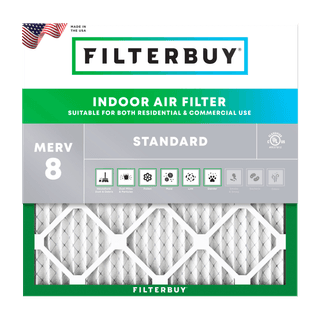
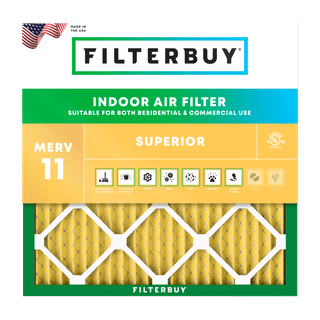
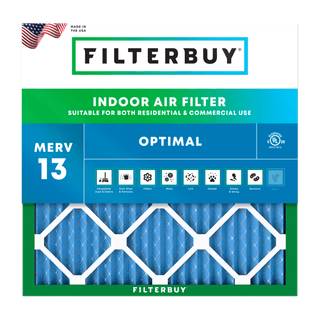
This is the part Filterbuy makes, so here is how we choose. The EPA recommends MERV 13 during smoke events, or the highest rating your system safely supports, and it’s what we run at home. Shop Filterbuy MERV 8, MERV 11, MERV 13 or custom sizes.
Fitting MERV 13 is a size question. The EPA notes that most furnaces and HVAC systems accommodate MERV 13 without equipment problems when the filter is replaced often.
“Fitting MERV 13 is a size question, not a gamble. Confirm the slot depth the way you would confirm any filter size, then change it on schedule. The systems I see around Chesapeake accommodate it without trouble.”
Supporting Statistics for Chesapeake Homeowners
Peat Smoke Sends People to the Emergency Room
In counties under the plume of a June 2008 peat fire in the same peatlands as the Great Dismal Swamp, asthma emergency visits rose 65 percent, COPD 73 and heart failure 37.
Source: Rappold et al., Environmental Health Perspectives, NIEHS (2011).
Virginia’s Adult Asthma Rate Is Climbing
Adult asthma prevalence in Virginia rose from 8.6 percent in 2018 to 10.9 percent in 2024, and hospitalizations peak between ages 20 and 44.
Source: Virginia Department of Health, Chronic Disease in Virginia.
Outdoor Smoke Gets Inside, and Filtration Changes How Much
Unfiltered, indoor PM2.5 during a smoke event reaches 49 to 76 percent of outdoor levels in a typical home, and HVAC filtration cuts that infiltration roughly in half. Closing the windows on its own is not enough.
Frequently Asked Questions
Glossary
AQI: The EPA’s 0 to 500 pollution scale, in six color-coded categories from Good to Hazardous.
PM2.5: Fine particulate 2.5 micrometers or smaller. It drives Chesapeake’s sharpest spikes and is what high-MERV filtration targets.
Code Orange: A Virginia DEQ alert meaning pollution may turn unhealthy for sensitive groups. Code Red and Purple mark the levels above.
Ozone (O3): A lung irritant formed at ground level when sunlight reacts with vehicle and industrial emissions. Virginia’s ozone season runs April through September.
NowCast: The EPA algorithm behind current AQI. It averages up to twelve previous hours, weighting the most recent ones more heavily.
Peat fire: A fire in dense organic soil rather than surface vegetation. It smolders underground and resists rain, and can smoke for months.
MERV: Minimum Efficiency Reporting Value, the 1 to 16 scale for how well a filter captures particles.
HEPA: High-Efficiency Particulate Air, a filter capturing 99.97 percent of 0.3-micron particles.
Breathe Easier Before the Next Alert
Check AirNow and Virginia DEQ first whenever the map runs high, then handle the part you control indoors. Filterbuy makes MERV 13 in 600-plus sizes plus full custom, American-built and shipped factory-direct. Find your size and get one into the return before smoke season, not during it.