
Memphis Real-Time AQI Tracker


Get Alerts For Unhealthy AQI In Your Area
When air quality in your area reaches unhealthy levels, we'll send you a quick alert, along with expert tips on how to reduce your exposure.
What's Actually In Memphis Air Today?
What High AQI Means for Your Lungs in Memphis
How to Read AQI
The Air Quality Index (AQI) measures how polluted the air is and how it may affect your health.
0–50 (Good): Air quality is satisfactory.
51–100 (Moderate): Acceptable, but some pollutants may pose minor concerns.
101–150 (Unhealthy for Sensitive Groups)
151–200 (Unhealthy)
201–300 (Very Unhealthy)
301+ (Hazardous)
Moderate
Still okay for most, but if you have asthma or allergies, take it easy and avoid long outdoor workouts.
Shop MERV 11 filters→What's the Right Filter for Your AQI Level?
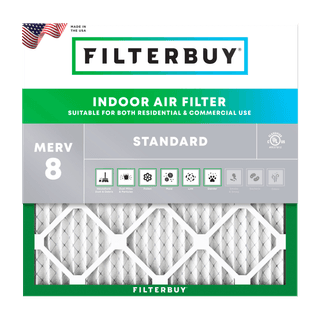
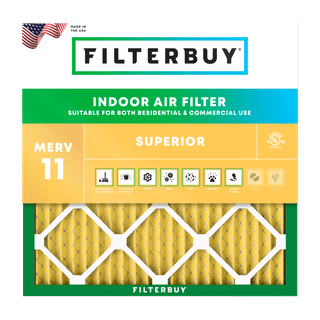
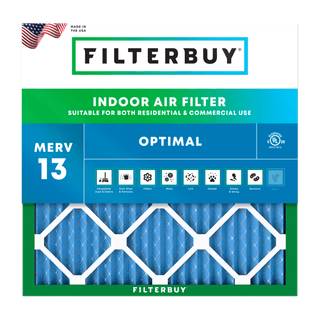



Check Today's Live Real Time Air Quality Index AQI Map in Memphis, TN Now
The Mississippi River does more than push barges past Memphis. It carries warm, humid air over Shelby County that holds onto everything the freight corridor, Memphis International Airport, the river-bank refinery, and seasonal Delta burn-piles put into it. By 8 a.m. on most still mornings, what your family is actually breathing has been sitting in place for hours.
The live AQI map at the top of this page shows what's in the air over your block right now. We built the rest of this page to help you act on what the map shows, since the number alone protects nobody inside the house.
TL;DR Quick Answers
What is the air quality in Memphis today?
Read the live AQI map at the top of this page. It shows real-time readings from every EPA-certified monitor in Memphis and the surrounding bi-state airshed. The color of the dot nearest your address tells you today's air quality category and what to do about it.
What is the current AQI in Memphis right now?
The live map above pulls current readings every hour. Find the monitor closest to your location to see the current AQI number for that part of the city. Readings can differ by 20 to 40 points across Shelby County on a typical day because pollutant sources are not evenly distributed.
Is the air quality bad in Memphis today?
If today's reading is in the orange band (101 to 150) or higher, the air is unhealthy for sensitive groups, including children, older adults, pregnant individuals, and anyone with asthma or heart disease. Red and above (151+) is unhealthy for everyone. Green and yellow days are safe for most outdoor activities.
What is the PM2.5 level in Memphis today?
The live map displays whichever pollutant is currently highest, which in Memphis is most often PM2.5 outside of peak summer ozone season. Click a monitor dot to see the specific PM2.5 micrograms-per-cubic-meter reading and how it compares to the federal annual standard of 9 micrograms per cubic meter.
Is it safe to go outside in Memphis today?
Green and yellow days are safe for most people. On orange readings, sensitive groups should reduce prolonged outdoor exertion. Red and above means everyone should stay indoors where possible and let indoor filtration carry the protective load until conditions improve.
Top Takeaways
Fine particulate matter leads the Memphis AQI more often than ozone, driven by the I-40 and I-55 freight corridor, Memphis International Airport, agricultural burning across the Mississippi Delta, and winter wood smoke.
Shelby County earned an F grade for ozone smog in the most recent American Lung Association State of the Air report, the worst grade of any county in Tennessee.
Memphis sits inside a bi-state ozone nonattainment area for the 2008 ozone NAAQS that also covers Crittenden County, Arkansas, and northern DeSoto County, Mississippi.
Pollen peaks earlier in Memphis than in East Tennessee thanks to the warmer Mississippi River Valley climate, with cedar in late winter, oak and grass in spring, and ragweed dominating from late August through October.
Indoor filtration is the most controllable defense any Memphis household has on bad-air days. A MERV 13 filter inside an HVAC system cuts the particulate load reaching the people in the home far more than any outdoor measure they can take.
Memphis Air Quality Right Now, Read Through the Live Map
That live map pulls real-time readings from the network the Shelby County Health Department operates across the metro, with additional monitors covering Crittenden County, Arkansas, and northern DeSoto County, Mississippi. Each dot reports the higher of two pollutants federal regulators watch most closely on a given day, ground-level ozone and fine particle pollution known as PM2.5. The dot color is the first thing to read. It tells you the action recommendation before any number gives you a single piece of context.
How to Read Today's Memphis AQI Map at a Glance
The U.S. AQI runs across six color bands. Green covers 0 to 50 and means the air is good. Yellow runs 51 to 100, which qualifies as moderate. Orange (101 to 150) flags the air as unhealthy for sensitive groups, which is the first warning band for children, older adults, pregnant individuals, and anyone living with asthma or heart disease. Red, 151 to 200, means unhealthy for everyone. Purple covers 201 to 300, very unhealthy. Maroon at 301 and above means hazardous, the level where outdoor exertion of any kind becomes a real health risk. The Wikipedia entry on the Air Quality Index is the cleanest one-page technical reference we've found for how the index gets calculated.
Read the map the way an air quality forecaster reads it. Find the monitor nearest your home or workplace and note its color. The number under each dot tells you which pollutant is currently driving the reading, almost always ozone or PM2.5 in this metro.

Where Memphis Air Monitors Are Located
The Memphis metro has five continuously operating air quality monitors. Three sit inside Shelby County. Two more cover the adjacent Arkansas and Mississippi counties that share the same airshed with us. The Shelby County monitors anchor at Shelby Farms, the Frayser area, and a near-road site at Southwest Tennessee Community College. The Shelby Farms NCore station, established in 2009, is the only National Core Monitoring Station and Photochemical Assessment Monitoring Station operating anywhere in Tennessee. Sites closer to industry and the freight corridor tend to read higher on bad days, which is exactly what they're there to catch.
South Memphis carried no dedicated monitor for more than a decade despite holding the heaviest concentration of industrial sources in the county. The Health Department received federal funding in late 2024 to stand up a new monitoring site there, with installation expected in the 2025 to 2026 window. When the South Memphis monitor goes online, the map will show data from a part of the city that has been a blind spot for far too long.
What's Actually in Memphis Air, Source by Source
Aggregator sites give you the number but rarely explain why the number looks the way it does on any given day. Memphis air carriers have a specific signature shaped by freight traffic, an industrial corridor along the river, and seasonal agricultural burning in two neighboring states. Knowing the source helps you predict the pattern, and predicting the pattern helps you time outdoor decisions for the people in your house.
Particulate Matter (PM2.5 and PM10) in Memphis
Fine particle pollution leads the Memphis AQI more often than ozone, and more often than in any other Tennessee metro. Diesel exhaust from the I-40 and I-55 freight corridor running through the heart of the city is the largest single contributor. Jet engine emissions from Memphis International Airport, which moves more air cargo than almost any other facility on the planet, add to that load. Refinery operations along the river contribute on still days. Seasonal agricultural burning across the Mississippi Delta in adjacent Arkansas and northern Mississippi pushes another layer over the city during planting and harvest windows. Memphis International Airport alone emitted 1,077 tons of nitrogen oxides in 2020 per the most recent EPA National Emissions Inventory, which makes it the largest stationary source of ozone precursors in Shelby County by a wide margin.
Memphis PM2.5 readings climb on a handful of recognizable patterns. Still, summer afternoons trap particles when there's no breeze to disperse them. Fall agricultural burning windows, especially mid-October through mid-November when Delta farms clear stubble, push readings up for hours at a time. Winter mornings under temperature inversions hold wood smoke and diesel exhaust close to the ground until the sun pulls the air back up. Early spring tree pollen days quietly add to the particulate load, too. If today's PM2.5 number is high and the wind is calm, plan for the reading to stay that way until conditions change.
Ground-Level Ozone in Memphis
Ground-level ozone forms when vehicle and industrial exhaust react with sunlight on hot days. Memphis has exceeded the federal ozone NAAQS standard four years running. The American Lung Association assigned Shelby County an F grade for ozone in the most recent State of the Air report, the worst grade of any county in Tennessee. The Memphis metro climbed from 32nd to 27th worst in the nation on the same measure between the two most recent annual reports.
Memphis sits inside a bi-state ozone nonattainment area for the 2008 ozone NAAQS that covers Shelby County, Crittenden County in Arkansas, and northern DeSoto County in Mississippi. Three different state agencies share enforcement responsibility across that boundary, which slows action on bad-air days. Newer industrial sources keep adding pressure. Environmental groups petitioned the EPA in 2025 to designate Memphis as nonattainment under the current ozone standard, citing emissions from the new xAI data center gas turbines in South Memphis as one of the latest concerns on a system already running at the limit.
Pollen and Allergens in Memphis Through the Year
Memphis sits in the Mississippi River Valley, where warm humidity stretches the pollen season at both ends compared to East Tennessee. Cedar arrives first, often by late January, well before the rest of Tennessee sees any tree pollen at all. Oak takes over from late March through mid-May. Bermuda grass dominates from late May into July. The hardest stretch for most allergy sufferers runs from late August through October, when ragweed peaks and the falling humidity does nothing to slow it down. The Asthma and Allergy Foundation of America placed Memphis at number five on its 2025 Allergy Capitals ranking, and at number three nationally for asthma-related emergency department visits in the corresponding Asthma Capitals report.
Pollen and the AQI move on separate calendars, which means a high-pollen morning can land on a green AQI day while a red AQI afternoon can hit when pollen happens to be low. Track both signals separately when planning outdoor time, especially if a child in your house has seasonal asthma.
What Today's Memphis AQI Number Means for You
The table below converts each AQI band into a household action plan tuned for Memphis conditions. Save it, screenshot it, or pin it where the family can find it every morning during ozone or smoke season.
| AQI Range | Color | Category | What to Do in Memphis |
|---|---|---|---|
| 0 - 50 | Green | Good | Open the windows. Outdoor exercise is fine for everyone. Normal HVAC filter operation. |
| 51 - 100 | Yellow | Moderate | Unusually sensitive individuals may notice symptoms. Most Memphis residents can plan normally. Run the HVAC fan on circulate during peak heat to keep indoor air moving. |
| 101 - 150 | Orange | Unhealthy for Sensitive Groups | Children, older adults, pregnant individuals, and anyone with asthma should reduce prolonged outdoor exertion. Close the windows. Upgrade to a MERV 11 filter if you are not on one already. |
| 151 - 200 | Red | Unhealthy | Everyone should limit outdoor exertion. Keep windows closed. Run HVAC continuously on circulate. A MERV 13 filter is the right call for households with sensitive members. |
| 201 - 300 | Purple | Very Unhealthy | Avoid outdoor activity. Treat indoor space as the primary protection zone. Consider a portable HEPA cleaner for primary sleeping rooms. |
| 301+ | Maroon | Hazardous | Stay indoors. Seal gaps if smoke is the driver. Follow local emergency guidance from the Shelby County Health Department. |
What to Do Indoors When Memphis Air Turns Unhealthy
Indoor air is the part of the picture that Memphis families control completely on any bad-air day. For orange AQI readings and above, close the windows now and switch your HVAC fan from auto to circulate so the filter keeps pulling air through whenever anyone is home. MERV 11 handles routine particulate loads in this metro. MERV 13 is the right call for households with anyone in a sensitive group, because it captures a much larger share of the fine particles driving Memphis PM2.5 readings on smoke days. For statewide context on how Memphis compares to Nashville, Knoxville, and Chattanooga, the Tennessee statewide AQI hub maps the same conditions across all four metros.
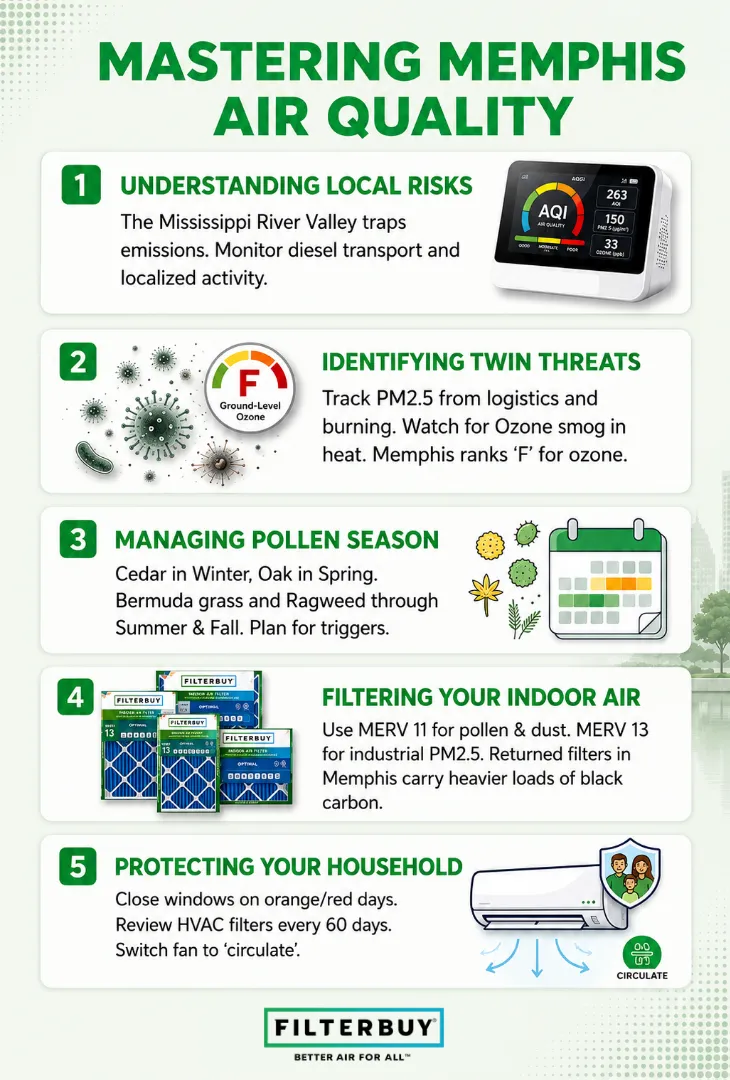
After manufacturing filters for over a decade and serving more than two million households, what we see coming back from Memphis customers is unmistakable: the particulate residue on returned filters carries a heavier load of black carbon and organic fragments than almost any other metro we serve in the Southeast, and the filters from the spring ragweed shoulder season tell us families here are protecting their indoor air against two pressures at once.
— Filterbuy Team
Seven Essential Memphis Air Quality Resources Every Mid-South Household Should Bookmark
Each link below points to the source we trust for a specific question about Memphis air. Every link comes from a different domain, so you can find the right answer quickly without bouncing between aggregator sites.
1. AirNow: How to Use the U.S. Air Quality Index —
EPA's official guide to reading the AQI, with band-by-band cautionary statements written for the general public.
Source: https://www.airnow.gov/aqi/aqi-basics/using-air-quality-index/
2. EPA: Health Effects of Ground-Level Ozone Pollution —
How ozone actually affects lung function, asthma severity, and outdoor worker health, written by the federal agency that sets the standard.
Source: https://www.epa.gov/ground-level-ozone-pollution/health-effects-ozone-pollution
3. Shelby County Health Department: Ambient Air Monitoring Program —
Local program page covering every monitor site in Shelby County, including the NCore and PAMS stations, the only ones operating in Tennessee.
Source: https://www.shelbytnhealth.com/167/Ambient-Air-Monitoring
4. TDEC: Tennessee Air Quality Monitoring and Forecasting —
State-level air monitoring portal from the Tennessee Department of Environment and Conservation, with the annual monitoring network plans and forecast maps.
Source:https://www.tn.gov/environment/air/monitoring-forecasting.html
5. American Lung Association: Tennessee State of the Air Report Card —
Annual ozone and particle pollution grades for every monitored Tennessee county, including the Shelby County F grade for ozone.
Source: https://www.lung.org/research/sota/city-rankings/states/tennessee
6. CDC: Air Pollutants and Your Health —
Plain-language overview of PM10, PM2.5, ozone, and other criteria pollutants from the federal public health agency, written for households making everyday decisions.
Source: https://www.cdc.gov/air-quality/pollutants/index.html
7. AAFA: 2025 Allergy Capitals Report (Memphis Ranked #5) —
The Asthma and Allergy Foundation of America's annual ranking places Memphis among the most challenging U.S. cities for pollen allergies, with the pollen, medicine use, and specialist data behind the rank.
Source: https://aafa.org/wp-content/uploads/2025/03/aafa-2025-allergy-capitals-report.pdf
Three Numbers That Reframe How Seriously to Take Today's Memphis AQI
Specific numbers carry more weight than general warnings. The three figures below come from three different research sources, and they put real scale on what bad-air days are doing to public health.
1. PM2.5 has been linked to higher mortality risk since the 1993 NIEHS Six Cities Study —
The National Institute of Environmental Health Sciences documents that the landmark Six Cities Study first established the association between fine particulate matter and mortality more than three decades ago. Every subsequent major study has reinforced the finding that no safe threshold for PM2.5 exposure has been identified.
Source: https://www.niehs.nih.gov/health/topics/agents/air-pollution
2. 21,300 deaths every year in the United States are tied to air pollution above ATS recommended levels —
The American Thoracic Society's Health of the Air report calculates that meeting the society's recommended PM2.5 and ozone standards would prevent roughly 21,300 deaths annually in the United States, along with thousands of new lung cancer cases and tens of thousands of cardiovascular and respiratory events.
3. Air pollution contributed to 7.9 million deaths globally in 2023 —
The Health Effects Institute's 2025 State of Global Air report identifies air pollution as the leading environmental risk factor for death worldwide, with 86 percent of those deaths now linked to noncommunicable diseases, including heart disease, COPD, lung cancer, and dementia.
Final Thoughts on Memphis Air, From an Indoor Air Manufacturer's Perspective
Memphis air quality conversations skew toward ozone alerts and bad-air-day headlines. The year-round particulate load is the quieter story, and it's the one shaping long-term health outcomes for kids growing up in Whitehaven, Frayser, and South Memphis right now. Waiting for a red AQI day to change anything at home means everyone in the house has already absorbed days, weeks, or months of moderate exposure before the alert ever arrives.
The household that treats a MERV 13 filter as the baseline rather than as an emergency response is the household that closes the gap between outdoor monitoring and indoor protection. That single change reduces what the people inside actually breathe across the long stretches of yellow and orange days that aggregate into most of the lung damage in this region. Indoor air is the part of the picture that Memphis families control completely. Use it.
Your Next Steps After Checking Today's Memphis AQI
If you opened this page to decide whether today is safe for a specific outdoor plan, work through the steps below before you close the tab.
Read the live map above and note the band, not just the number. Color triggers faster action than a three-digit reading.
If today reads orange or worse, close the windows now and switch your HVAC fan from auto to circulate so the filter is actively pulling air through whenever anyone is home.
Check the filter in your return grille. If it has been in place longer than 60 days during ozone or pollen season, replace it today, not next week.
Subscribe to EnviroFlash email alerts through AirNow so the next bad-air morning sends a notification before anyone heads outside.
Add a portable HEPA cleaner to the bedroom of anyone in the house with asthma or other respiratory sensitivity. A clean sleeping space gives the lungs eight hours of recovery every night.
Frequently Asked Questions About Memphis Air Quality
Protect the Air Inside Your Memphis Home Starting Today
Checking today's Memphis AQI is a step. Replacing the filter inside your HVAC system is the step that actually protects the people in your house from what the outdoor readings show. Pick the right MERV-rated filter for your system, and we'll ship it from our American manufacturing facility to your door, often within two business days.