
What AQI Levels Are Unsafe for Sensitive Groups?
May 18, 2026
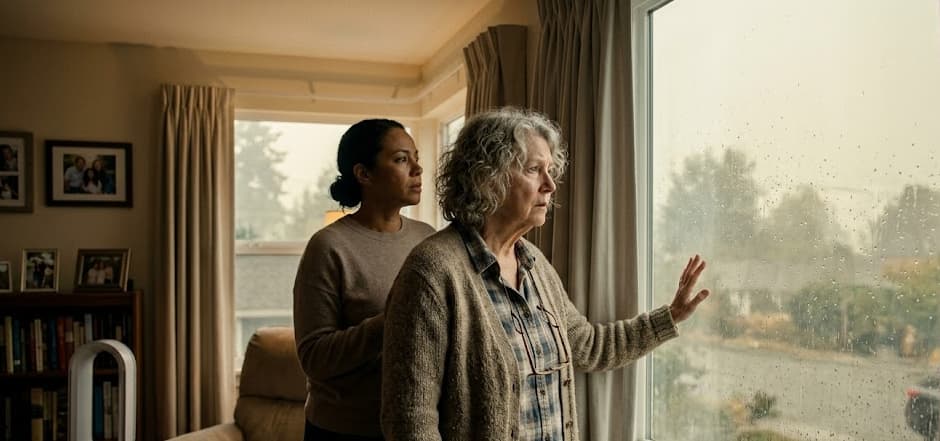
When your weather app shows an "Unhealthy for Sensitive Groups" alert, it’s natural to ask: Does this apply to me? Is it safe for my kids to play outside? Should I close the windows? Air quality changes fast, often due to wildfires, ozone, or stagnant air patterns.
According to the EPA, even a small rise in pollution can increase health risks for 4 in 10 Americans classified as "sensitive," including children, the elderly, and those with asthma or heart conditions. This guide explains who is most at risk, the AQI thresholds to monitor, and actionable steps to protect indoor air quality as outdoor levels rise.
So, What AQI Is Unsafe for Sensitive Groups?
Here's the truth: unsafe air for AQI sensitive groups starts at 101 (Orange: 101–150).
While the general public may not experience effects until higher AQI levels, risk increases quickly for sensitive individuals once the AQI reaches this threshold. If the AQI is 101 or higher, you should reduce outdoor exposure and start indoor protection steps immediately.
Key Takeaways
AQI of 101 or Higher Poses Risks for Sensitive Groups: Sensitive individuals, including those with pre-existing conditions, children, and the elderly, should take precautions once AQI levels reach 101 (Orange category).
Indoor Air Quality Matters: When outdoor AQI levels rise, ensuring clean indoor air by using air purifiers, sealing windows, and reducing pollutant sources is vital.
Act Quickly at High AQI Levels: Reducing outdoor exposure and implementing indoor protection strategies immediately can help minimize health risks.
Stay Informed: Regularly monitor AQI levels through reliable sources and adjust activities accordingly to protect yourself and your loved ones.
What Does “Sensitive Groups” Mean in AQI Alerts?
The term "sensitive groups" isn't just a vague label; it refers to specific populations identified by health organizations like the EPA and the American Lung Association as being at higher risk from air pollution. These individuals may experience health effects at lower AQI levels than the general healthy population.
Generally, you fall into this category if you are:
Living with lung disease: This includes asthma, chronic obstructive pulmonary disease (COPD), emphysema, and chronic bronchitis.
Living with heart disease: Conditions like coronary artery disease or heart failure make the cardiovascular system more vulnerable to pollutants.
A child or teenager: Their lungs are still developing, and they tend to breathe more air per pound of body weight than adults, often while being more active outdoors.
An older adult: Age can sometimes decrease lung function or be accompanied by undiagnosed heart or lung conditions.
Important Note: Even if you are healthy, you may feel the effects of poor air quality during intense exercise. However, for sensitive groups, "unhealthy" air can trigger symptoms even during normal daily activities.
AQI Levels Explained (Exactly When It Becomes Unsafe)
The Air Quality Index (AQI) ranges from 0 to 500. The higher the AQI value, the greater the level of air pollution and the greater the health concern.
Here is how the numbers break down, with a focus on when safety becomes a concern for vulnerable individuals.
| AQI Range & Color | EPA Category | What It Means | What Sensitive Groups Should Do |
|---|---|---|---|
| 0–50 (Green) | Good | Air quality is satisfactory; air pollution poses little or no risk. | Enjoy outdoor activities. |
| 51–100 (Yellow) | Moderate | Air quality is acceptable. However, there may be a risk for some people who are unusually sensitive to air pollution. | Watch for symptoms (coughing, shortness of breath). Most can continue normal activities. |
| 101–150 (Orange) | Unhealthy for Sensitive Groups | Members of sensitive groups may experience health effects. The general public is less likely to be affected. | Take Action. Reduce prolonged or heavy exertion outdoors. It's time to focus on indoor air quality. |
| 151–200 (Red) | Unhealthy | Everyone may begin to experience health effects; members of sensitive groups may experience more serious health effects. | Avoid prolonged or heavy exertion. Move activities indoors or reschedule them. |
| 201–300 (Purple) | Very Unhealthy | Health warnings of emergency conditions. The entire population is more likely to be affected. | Avoid all outdoor physical activity. Keep indoor air clean. |
| 301+ (Maroon) | Hazardous | Health alert: everyone may experience more serious health effects. | Everyone should remain indoors and keep activity levels low. |
Source: Adapted from AirNow and EPA guidance.
Why AQI 101 Is the “Take Action” Threshold
Many people wait until the air "looks" bad or until the AQI hits Red (151+) to change their behavior. However, if you or a family member falls into a sensitive group, waiting for Red is often too late to prevent symptoms.
AQI 101 (Orange) is your specific warning sign.
At this level, ozone or particle pollution concentrations have reached a point where your body may struggle to compensate. This isn't a "borderline" safe zone; it is the official threshold where safety precautions should begin.
Pro Tip: If you see the forecast predicting unhealthy for sensitive groups AQI levels later in the day, plan your outdoor walks or errands for the morning when levels are typically lower.
The Two Pollutants That Most Often Drive Unhealthy Days
While the AQI tracks five major air pollutants, two are responsible for the vast majority of unhealthy air quality days in the United States.
Ozone: This is often the culprit during warmer months. Ground-level ozone is created by chemical reactions between oxides of nitrogen (NOx) and volatile organic compounds (VOCs) in the presence of sunlight. This is why ozone alerts often occur on hot, sunny afternoons.
Particulate Matter (PM2.5): These are tiny particles—smaller than the width of a human hair—that can travel deep into the lungs and even the bloodstream. High PM2.5 levels are common during wildfires, wood-burning seasons, or industrial events.
Note: The AQI reported for your area is based on whichever pollutant is highest at that moment. Your symptoms might vary depending on whether the trigger is ozone (often chest tightness) or smoke/PM2.5 (often eye irritation and coughing).
What To Do at Each Level (Sensitive Groups Quick Guide)
When the numbers start climbing, here is your quick-reference guide on how to react.
51–100 (Yellow): Monitor
Activity: It is generally safe to be outside.
Precaution: If you are unusually sensitive to ozone, consider reducing heavy exertion. Pay attention to how you feel.
101–150 (Orange): Modify
Activity: It is time to change plans. Reduce prolonged or heavy outdoor exertion. "Prolonged" means doing an activity for several hours; "heavy" means intense breathing (like jogging).
Precaution: Take more breaks during outdoor activities. If you have asthma, keep your quick-relief medicine handy.
151–200 (Red): Avoid
Activity: Shift all exercise indoors. Avoid outdoor exertion entirely.
Precaution: The air is now considered unhealthy for everyone, but the risk of serious health effects is much higher for you.
201+ (Purple/Maroon): Stay Protected
Activity: Avoid all outdoor exposure.
Precaution: Follow local health officials' guidance. Keep indoor air as clean as possible.
How to Reduce Exposure Indoors
When the outdoor air quality is poor, your home should be your sanctuary. However, outdoor air can easily seep inside through open windows, doors, and cracks. Here is a checklist to keep your indoor air safer when the AQI rises above 100.
1. Close the envelope
Keep windows and doors closed. If you have a window air conditioner unit, close the fresh air intake so you are recirculating indoor air rather than pulling in polluted outdoor air.
2. Reduce indoor pollution sources
Don't add to the problem. When outdoor ventilation is limited, avoid:
Burning candles or incense.
Frying food or cooking at high heat (which creates smoke and grease particles).
Using wood-burning stoves or fireplaces.
Vacuuming (unless your vacuum has a HEPA filter), as this can kick up dust.
3. Run your HVAC system (wisely)
If you have a central heating and cooling system, run the fan on "recirculate" mode. This moves the air through your filter system without pulling in hot or smoky air from outside.
4. Check your air filter
Your HVAC filter is your first line of defense against particulate matter like PM2.5. However, not all filters are created equal.
Standard filters (MERV 1-4): Designed mostly to protect the equipment, not your lungs. They catch big dust bunnies but miss fine smoke particles.
Higher efficiency filters (MERV 8-13): These are much more effective at trapping smaller particles like mold spores, dust mites, and smoke.
If the AQI is high, inspect your filter and replace it promptly if it's dirty. A clogged filter limits airflow and reduces its ability to trap new pollutants effectively.
Although a high-quality HVAC filter can substantially decrease particulate matter, it cannot eliminate all gases or ozone. Always adhere to medical advice tailored to your health condition.
Filterbuy offers high-quality air filters that are essential for quality filtration, especially on areas where the air quality index is compromised.
Frequently Asked Questions
What AQI is unsafe for sensitive groups?
Unsafe conditions for sensitive groups begin at AQI 101. This is the start of the "Orange" category, which signifies that members of sensitive populations may experience health effects, while the general public is less likely to be affected.
Is AQI 150 dangerous?
Yes, AQI 150 falls at the very top of the "Unhealthy for Sensitive Groups" range, bordering on "Unhealthy" (Red) for everyone. At this level, sensitive individuals face a high risk of adverse health effects and should avoid prolonged outdoor exertion.
What does “Unhealthy for Sensitive Groups” mean?
This designation means that outdoor air pollution levels are high enough to pose a risk to specific populations—including children, the elderly, and those with heart or lung disease—even though the general public may not yet be affected.
Should sensitive groups stay indoors when AQI is orange?
You do not necessarily need to stay indoors all day, but you should modify your behavior. The EPA recommends reducing prolonged or heavy exertion outdoors. If the air quality is worsening, or if you feel symptoms, moving indoors to a filtered environment is the safest choice.