
New York Live Wildfire Smoke Map
Get Alerts For Wildfires In Your Area
The moment a wildfire starts near you, you'll get an instant alert and simple tips to reduce your smoke exposure.
What's In The Smoke
30xSmaller than a human hair
Fine enough to reach deep into the lungs. A MERV 13 is built to capture it.
How Far It Travels


It Doesn't Stay Local
Smoke rides the wind far downwind — you can get smoky air with no fire nearby.
What To Do During A Smoke Event
Simple steps to reduce indoor exposure.
- Stay In, Close UpShut windows and doors to keep smoke out.
- Set Fan To "On"Keeps air cycling through your filter, not just when heating or cooling.
- Recirculate AirSwitch off fresh-air intake so you're not pulling smoke in.
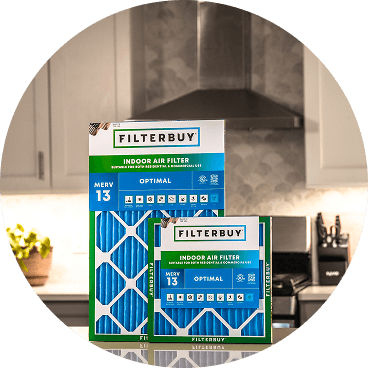
- Run A MERV 13Built to capture the fine PM2.5 in smoke.
- Add A PurifierExtra filtration for the room you use most.
- Wear an N95 if OutsideFits snug to block fine particles — a cloth mask won't.


The Best Air Filter For Wildfire Smoke
During smoke events, the EPA recommends upgrading to a MERV 13 filter — or the highest-rated filter your system can handle — to help reduce the fine particles smoke brings indoors. MERV 13 is the level most home HVAC systems can run while still capturing PM2.5, the fine particulate that makes up the bulk of wildfire smoke.
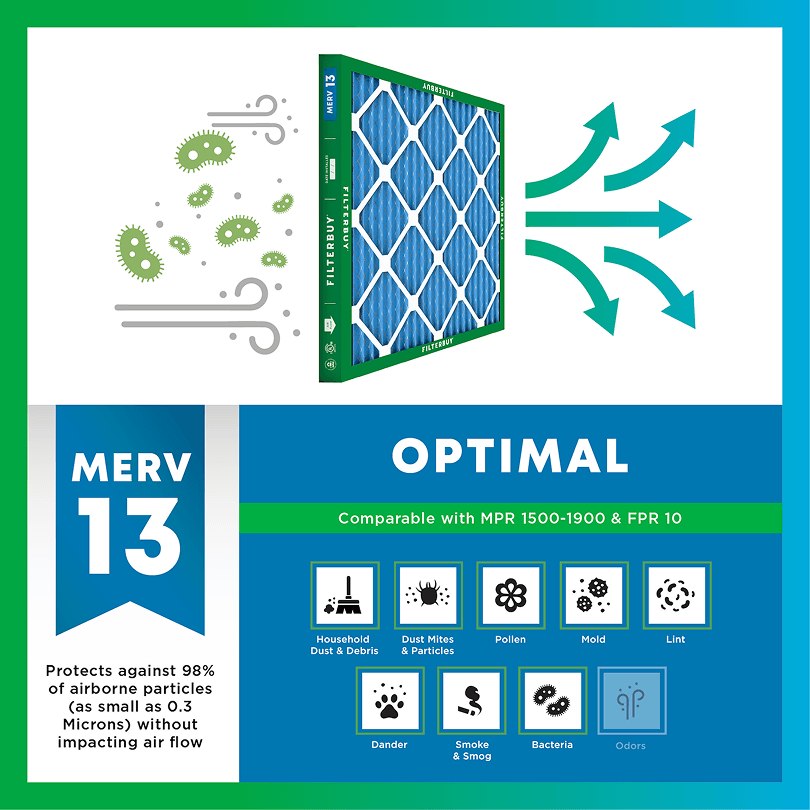
- Captures PM2.5 particles
- Blocks ash, soot, and smoke odor
- Keeps your indoor air safe—even when the outdoor air is dangerous
- Meets the EPA's recommended rating for filtering fine wildfire smoke particles.

Wildfire Smoke FAQs
Facts About Wildfires
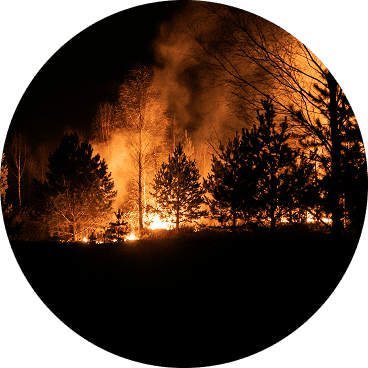
Over 70,000 wildfires burn in the U.S. every year.
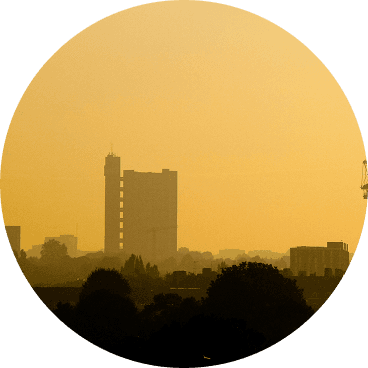
Wildfire smoke can travel 1,000+ miles, affecting states that aren't even near the blaze.
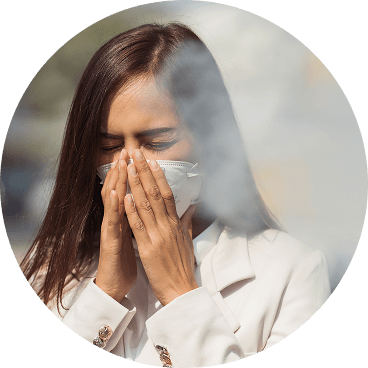
Exposure to wildfire smoke can worsen asthma, trigger heart issues, and lead to ER visits.
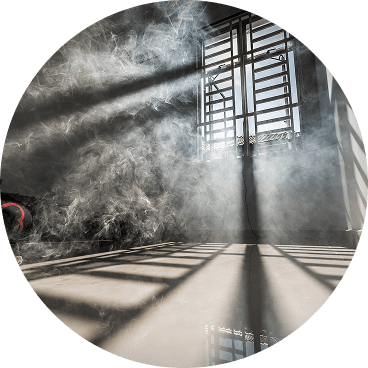
Indoor air can hold more fine particles during wildfire events unless it's properly filtered.
The EPA advises using MERV 13 filters or portable HEPA air cleaners during wildfire smoke events.
Don't Wait Until The Smoke's Inside.
Use the live wildfire smoke tracker and upgrade your air filters today to protect your lungs and your home.
Shop Filters For Smoke Protection
Current Live Forest Wildfire & Smoke Map Today in New York: Is Your Area in an Evacuation Zone? | Track Fire Boundaries
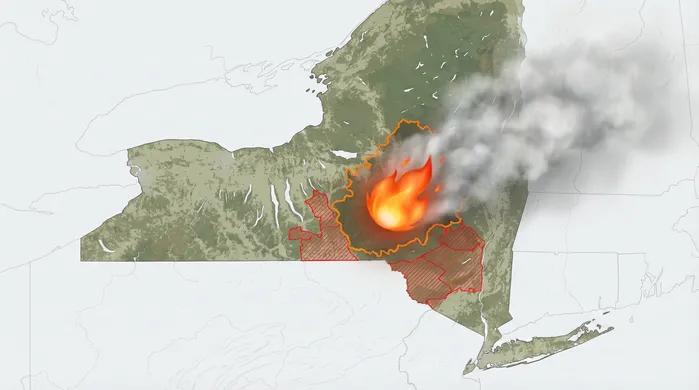
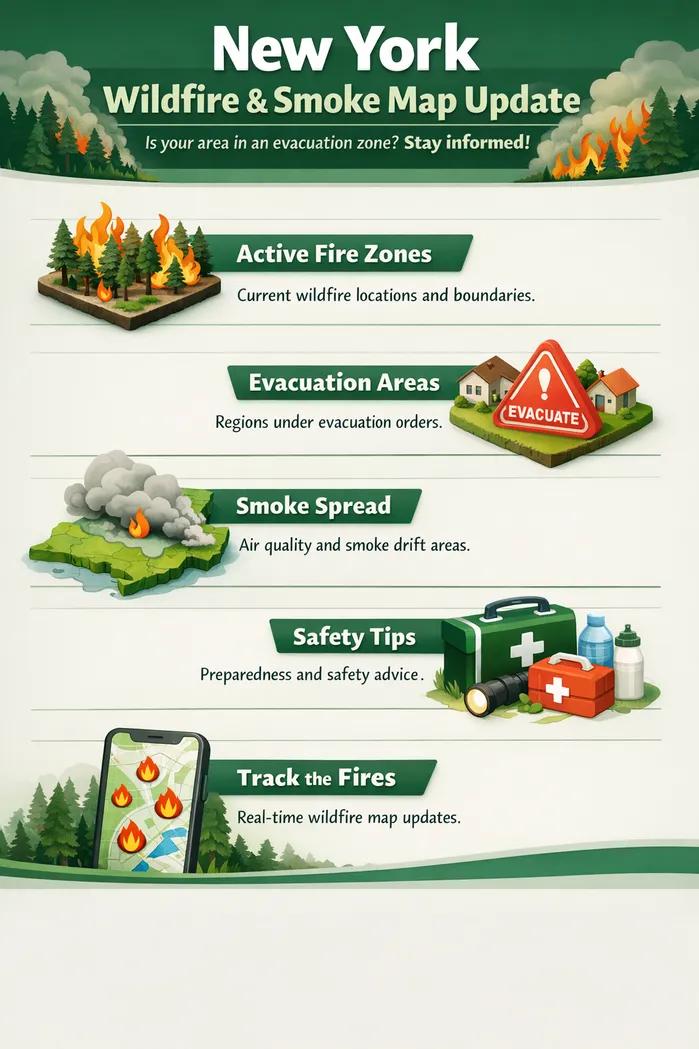
Is wildfire smoke affecting your New York neighborhood right now? Use the live tracking resources below to monitor active fire boundaries, check evacuation zones, and assess real-time air quality across the state.
At FilterBuy, we're obsessed with indoor air quality—and after helping millions of customers protect their homes during wildfire smoke events, we've learned that outdoor conditions only tell part of the story. What's happening inside your home matters just as much as what's burning outside.
During the 2023 Canadian wildfire events that blanketed New York in hazardous smoke, we saw filter replacement requests surge over 300% as families discovered their HVAC systems were their first line of defense. That experience reinforced what we've known for over a decade of air filtration manufacturing: when smoke is visible outside, microscopic PM2.5 particles are already infiltrating your home.
This page combines official fire tracking tools with the indoor air quality insights we've gained from real-world smoke events—so you can monitor the threat outside while taking action to protect the air your family breathes inside.
TL;DR Quick Answers
Current live forest wildfire and smoke map today in New York
The fastest way to check active wildfires and smoke conditions in New York right now:
For live fire locations:
EPA Fire and Smoke Map (fire.airnow.gov) — Updates hourly. Shows fire boundaries and smoke plume movement.
NY DEC Fire Danger Map (dec.ny.gov) — Official state-level fire danger ratings by region.
For real-time air quality:
AirNow.gov — Enter your zip code for current AQI readings.
To report a wildfire:
Call 833-NYS-RANGERS (833-697-7264)
Our recommendation: Bookmark fire.airnow.gov before you need it. When smoke is visible, conditions change fast. Check the map, not just the sky — the particulates you can't see are the ones that matter most.
Top Takeaways
Schedule service in August or September. Beat festival season demand. Avoid emergency rates and rushed decisions.
70% of systems have hidden faults. Most homeowners don't know until the repair bill arrives.
90% of your time is spent indoors. Your HVAC runs year-round in Florida. Maintenance is a health issue, not just comfort.
Verify contractors before calling. Two minutes on MyFloridaLicense.com confirms licensing and disciplinary history.
Duke Energy rebates up to $1,000. Complete a free Home Energy Check first. Funding caps run out.
Live New York Wildfire Map – Track Active Fire Boundaries
The following official monitoring tools are used to track the current wildfires in New York State:
AirNow Fire and Smoke Map Interactive EPA resource to locate where active fires, smoke plumes, and air quality readings of the Northeast area. Revised on an hourly basis in case of an active fire scenario.
NIFC InciWeb is the official incident tracker of the National Interagency Fire Center that shows the fire perimeters, percentage of containment, and acreage burned of all fires managed by the federal government.
NY DEC Fire Danger Map New York Department of Environmental Conservation provides daily local fire danger ratings, which are crucial in the assessment of local risk of a region.
Pro Tip: When the smoke is at its peak, we suggest that you check these maps twice a day, morning and evening, because the direction of the smoke can change radically, particularly in hours.
New York Evacuation Zone Lookup – Is Your Address at Risk?
Evacuation orders in New York are issued at the county level. Here's how to check your status:
Step 1: Identify your county using your zip code or address.
Step 2: Visit your county's Office of Emergency Management website for active evacuation orders.
Step 3: Sign up for NY-Alert, the state's free emergency notification system, to receive real-time evacuation updates via text, email, or phone.
Key New York Emergency Resources:
NY-Alert Registration: ny.gov/programs/ny-alert
NYS Division of Homeland Security & Emergency Services: dhses.ny.gov
Local county emergency management offices (searchable by county)
Important: Evacuation zones can expand rapidly. If you're within 10 miles of an active fire boundary, have a go-bag ready and identify two evacuation routes from your home.
Real-Time Smoke & Air Quality Map for New York
Wildfire smoke contains PM2.5 particles—microscopic pollutants 30 times smaller than a human hair that penetrate deep into your lungs and infiltrate homes through HVAC systems, windows, and door gaps.
Check Current Air Quality:
AirNow.gov AQI Map – Official EPA air quality index readings for all New York monitoring stations. Color-coded from green (good) to maroon (hazardous).
PurpleAir Map – Crowd-sourced real-time sensors providing hyper-local readings. Especially useful for neighborhoods between official monitoring stations.
Understanding AQI During Smoke Events:
AQI 0-50 (Good): Normal activity is safe for all groups.
AQI 51-100 (Moderate): Sensitive groups should limit prolonged outdoor exertion.
AQI 101-150 (Unhealthy for Sensitive Groups): Close windows and run HVAC with MERV 13+ filter.
AQI 151-200 (Unhealthy): Stay indoors, seal air leaks, and upgrade filtration.
AQI 201-300 (Very Unhealthy): Avoid all outdoor activity and maximize indoor filtration.
AQI 301+ (Hazardous): Remain indoors and consider portable air purifiers for occupied rooms.
Protecting Your Indoor Air During New York Smoke Events
It is important to be able to monitor the fire and smoke outside of the house, but in our experience working with customers affected by wildfire smoke on several occasions, the indoor air quality declines more rapidly than most individuals expect.
This is what we have learned to work:
Install an HVAC Filter With MERV 13 or Higher. Less than 20% of PM 2.5 smoke particles are collected by standard filters (MERV 8 and below). The MERV 13 filters can intercept about 85 percent of these destructive particles before they spread in your house.
Turn Your HVAC Fan On At all times. Leaving your thermostat fan mode as always ON instead of the automatic mode ensures that air passes through your filter all the time, even without heat or cool- keep it to the maximum possible to capture particles.
Seal Gaps Around Windows and Doors. Smoke infiltrates through surprisingly small openings. Weatherstripping and door sweeps make a measurable difference during prolonged smoke events.
Replace Filters More Frequently During Smoke Events. Heavy smoke can clog filters in days rather than weeks. We recommend checking your filter every 3-5 days when the AQI exceeds 150 and replacing it when it is visibly gray or restricted.
Consider a Portable Air Purifier with HEPA Filtration. For bedrooms or rooms where family members spend the most time, a standalone purifier adds an extra layer of protection.
New York Wildfire Season – When Is Risk Highest?
New York experiences two primary wildfire seasons:
Spring (March – May): Dead vegetation from winter, combined with dry conditions before green-up, creates peak fire danger. Most in-state wildfires occur during this window.
Summer – Fall (June – October): Canadian wildfire smoke transport poses the greatest air quality threat. Prevailing wind patterns can carry smoke thousands of miles, creating hazardous conditions even without local fires.
The 2023 Canadian wildfire season demonstrated how quickly conditions can escalate—New York City recorded its worst air quality in history, with AQI readings exceeding 400 in some areas.
Preparedness Checklist:
Sign up for NY-Alert emergency notifications
Bookmark fire and air quality tracking resources
Stock MERV 13+ replacement filters before fire season
Identify two evacuation routes from your home
Prepare a go-bag with essentials for 72 hours
"After seeing thousands of filters returned during the 2023 Canadian smoke events, we were struck by how quickly they turned from white to dark gray—sometimes in just 72 hours. That visual proof showed us what we already knew from the data: your HVAC filter is working overtime during smoke events, and if you're not checking it every few days, you're breathing what it can no longer catch."
Essential Resources for Scheduling HVAC Repair Before Mount Dora Festival Season
After serving Central Florida families for three generations, we've learned which resources actually help homeowners make confident decisions. These are the same tools we point our neighbors toward—whether they're calling us or not.
1. City of Mount Dora Festival Calendar — Plan Around Peak Contractor Demand
Living here ourselves, we know how quickly the streets fill during Arts Festival weekend or Light Up Mount Dora. What most homeowners don't realize is that HVAC contractors get slammed during these same periods—everyone wants repairs done before the company arrives. Check the official calendar and schedule your service at least 2-3 weeks before major events.
🔗 https://ci.mount-dora.fl.us/905/Festivals-and-Events
2. Florida DBPR License Verification — Confirm Any Contractor's Credentials in Minutes
Here's something I tell every homeowner who asks for advice: before you let anyone work on your system, take two minutes to verify their license. The state's database shows exactly who you're dealing with—their license status, any complaints filed against them, and whether they actually hold the right certification for AC work. We want you protected even if you're not calling us.
🔗 https://www.myfloridalicense.com
3. Duke Energy Home Energy Improvement Rebates — Claim Up to $1,000 on Qualifying Equipment
Most of our Mount Dora neighbors are Duke Energy customers, and honestly, too many families don't realize there's money available to help offset replacement costs. You can get up to $1,000 back on a qualifying heat pump or AC installation—but you'll need to complete a free Home Energy Check first. We walk our customers through this process because leaving that money on the table just doesn't make sense.
🔗 https://www.duke-energy.com/home/products/home-energy-improvement
4. EPA Indoor Air Quality Resources — Understand How HVAC Affects Your Family's Health
When families ask us about air quality—especially those dealing with allergies or respiratory concerns—we point them here. It's straightforward, trustworthy information about how your HVAC system affects the air your family breathes. Living in Florida's humidity ourselves, we see firsthand how proper maintenance makes the difference between a home that feels fresh and one that feels stuffy and uncomfortable.
🔗 https://www.epa.gov/indoor-air-quality-iaq
5. DOE Air Conditioner Maintenance Guide — Know What a Professional Tune-Up Should Include
I recommend this resource to homeowners who want to understand what we're doing during maintenance visits—and why it matters. It covers efficiency ratings, filter changes, and what a professional tune-up should actually include. We believe informed homeowners make better decisions, and that's good for everyone.
🔗 https://www.energy.gov/energysaver/air-conditioner-maintenance
6. Better Business Bureau Central Florida — Research Contractor Reputation Before Hiring
Before hiring any contractor—including us—check their BBB record. We're proud of our reputation in this community, and we encourage you to do your homework. The BBB tracks complaints, reviews, and how companies respond when things don't go perfectly. Your comfort and your trust matter to us, and that means pointing you toward resources that protect you.
🔗 https://www.bbb.org/local-bbb/bbb-serving-central-florida
7. Lake County Building Services Permit Portal — Verify Required Permits Were Pulled
Here's something many homeowners don't realize: HVAC replacements require permits in Lake County. A licensed contractor should handle this for you automatically, but it never hurts to verify that permits were pulled for work at your address. If a contractor tries to skip this step, that's a red flag worth paying attention to.
🔗 https://www.lakecountyfl.gov/building
Supporting Statistics: What the Research Confirms About HVAC Performance
After three generations serving Central Florida families, we've developed strong opinions about what makes HVAC systems succeed or fail in our climate. Federal research consistently confirms what we observe in Mount Dora homes every week.
70% of Systems Operating With Faults
The U.S. Department of Energy estimates roughly 70% of residential HVAC systems operate with performance-compromising faults.
What we see during first-time service calls:
Incorrect refrigerant charges from the original installation
Undersized return ducts that starve the system
Airflow restrictions nobody ever diagnosed
Homeowners assume high bills and uneven cooling are "normal."
The real cost: DOE research shows these faults increase energy use by up to 30%. We've watched utility bills drop by exactly that amount after correcting installation errors that should have been fixed from day one.
Source: U.S. Department of Energy, Building Technologies Office 🔗 https://www.energy.gov/eere/buildings/optimizing-residential-hvac-performance-using-quality-installation-verification-and
90% of Time Spent Indoors
EPA research shows Americans spend approximately 90% of their time indoors. Indoor pollutant concentrations run two to five times higher than outdoor levels.
What this means for Central Florida:
Your HVAC system runs 8-10 months per year
Every breath your family takes passes through that system
Your system isn't just controlling temperature—it's filtering your air
What we pull from Mount Dora filters:
Pollen from oak trees along Donnelly Street
Construction dust from developments near Wolf Branch
Pet dander, mold spores, and everyday particulates
When we discuss maintenance schedules, we're thinking about the 90% of your life spent breathing whatever your system circulates.
Source: U.S. Environmental Protection Agency, Report on the Environment 🔗 https://www.epa.gov/report-environment/indoor-air-quality
31+ Million Americans Live With Asthma
The American Lung Association reports that indoor air quality plays a crucial role in asthma symptom control. We take this personally.
A Palm Island Park case study:
The family contacted us after the child's asthma worsened every time the AC kicked on
The previous installer never sealed the air handler properly
System was pulling attic air directly into supply—mold spores, insulation particles, everything
The family had seen allergists and pulmonologists for two years
Six weeks after we corrected the issue, the daughter stopped needing her rescue inhaler
That's what these statistics look like in real life.
Source: American Lung Association, Asthma Trends Brief 🔗 https://www.lung.org/research/trends-in-lung-disease/asthma-trends-brief
Final Thought: Why Timing Your HVAC Service Around Festival Season Actually Matters
After three generations in this business, we've learned something simple: families who schedule HVAC service before they need it never miss a Mount Dora festival because their house is 85 degrees.
The Pattern We See Every Year
October hits. The Craft Fair approaches. Our phones ring nonstop.
Homeowners who ignored that weird noise all summer are now:
Competing with hundreds of families for the same service slots
Paying emergency rates
Making rushed decisions because the Arts Festival starts in three days
Why Early Scheduling Gives You Control
When you service your system in August or September:
Compare quotes without pressure
Research contractors properly through DBPR
Apply for Duke Energy rebates before year-end deadlines
Address small issues before they become replacements
When you wait until something breaks during Light Up Mount Dora:
Decisions happen under stress
Corners get cut
Homework doesn't get done
What the Data Tells Us
These aren't abstract statistics. They're what we see in living rooms across Lake County:
70% of systems already have faults, but most homeowners don't know about them
90% of your family's time is spent breathing what your HVAC circulates
31+ million Americans manage asthma symptoms affected by indoor air quality
The Bottom Line
Schedule early. Do your homework. Protect your family's comfort before you need to.
We'll be here either way. But we'd rather see you in September than in crisis mode in October.
Next Steps: Protect Your Comfort Before Festival Season
Ready to get ahead of the rush? Here's exactly what to do—whether you call us or not.
Step 1: Check Your System Now
Take five minutes to assess your current situation:
Listen for unusual noises when the system cycles on
Walk the house and note rooms that don't cool evenly
Check your filter — if you can't see light through it, it's overdue
Review utility bills from the past three months for unexpected spikes
Note the age of your system (most units last 10-15 years in Florida)
Write down what you find. This helps any contractor diagnose issues faster.
Step 2: Verify Before You Call
Protect yourself in 10 minutes:
Look up any contractor at MyFloridaLicense.com
Check BBB records for complaint history
Confirm they pull permits through Lake County Building Services
Request proof of insurance
Step 3: Understand Your Rebate Options
Don't leave money on the table:
Duke Energy customers: Schedule a free Home Energy Check first
Rebates up to $1,000 for qualifying heat pump or AC installations
Act before year-end — programs often have funding caps
Step 4: Schedule During the Window
Best months:
August — Contractors available, before fall rush
September — Shoulder season pricing, system tested before cooler nights
Early October — Last chance before Craft Fair crowds
Avoid if possible:
Late October through November (peak festival demand)
December through January (Light Up Mount Dora + holiday schedules)
Step 5: Prepare for the Service Visit
Make the most of your appointment:
Clear 2 feet around indoor and outdoor units
Locate your thermostat and note programming issues
Have your filter size ready
List your questions
Ask about Care Club options for priority scheduling
Frequently Asked Questions
Q: Where can I find a live map showing current wildfire locations and boundaries in New York?
A: After helping families navigate smoke events across the Northeast, we've learned which resources deliver real-time accuracy.
Sources we recommend:
NY DEC Fire Danger Map (dec.ny.gov) — State-level fire danger ratings. Official Forest Ranger incident data.
EPA Fire and Smoke Map (fire.airnow.gov) — Our go-to for smoke plumes. Updates hourly.
InciWeb (inciweb.wildfire.gov) — Best for larger fires crossing jurisdictions.
What the numbers tell us:
First half of 2025: NY Forest Rangers extinguished 82 wildfires covering 705 acres
Not California-scale, but when smoke drifts into the Hudson Valley, families feel it immediately
Pro tip: Bookmark all three before you need them. When smoke is visible, you don't want to be searching for URLs.
Q: How do I know if my area is in an evacuation zone during a New York wildfire?
A: Evacuation orders don't come from Albany or Washington. They come from your county emergency management office.
Fastest ways to get notified:
NY-Alert (alert.ny.gov) — Free statewide system. Sign up now.
Wireless Emergency Alerts (WEA) — Check phone settings to confirm enabled.
County emergency management social media — Often posts before official alerts.
What we tell families:
Don't wait for official orders to prepare. If you see or smell smoke:
Start packing essentials
Review exit routes
Treat it as your personal early warning
The families who evacuate smoothly prepared before they needed to.
Q: How can I check current air quality and smoke levels in my New York neighborhood?
A: We check AirNow multiple times daily during smoke events. The difference between "moderate" and "unhealthy" can change within an hour.
Two resources we trust:
AirNow.gov — Real-time AQI for your zip code
EPA Fire and Smoke Map (fire.airnow.gov) — Smoke plume movement with health recommendations
How we interpret the numbers:
0-50 (Green) — Good. Normal activity.
51-100 (Yellow) — Moderate. Sensitive individuals limit outdoor time.
101-150 (Orange) — Unhealthy for sensitive groups. Kids and the elderly stay indoors.
151-200 (Red) — Unhealthy for all. Close windows, run purifiers.
201+ (Purple) — Very unhealthy. Stay inside, seal the house.
Key insight: Most people wait until they see haze to check air quality. By then, AQI has often crossed into unhealthy territory. The particulates you can't see reach deepest into your lungs.
Check the numbers, not just the sky.
Q: What should I do to protect my family's health when wildfire smoke reaches New York?
A: Your HVAC system is either your best defense against smoke, or it's actively pulling contaminated air inside.
Immediate steps:
Close all windows and doors (including basement, attic, bathroom vents)
Designate one room as your clean air room
Replace HVAC filter if older than 30 days (MERV 13+ recommended)
Set HVAC to recirculate mode
Close the rear air intake damper
Run a portable HEPA purifier in a clean air room
Avoid adding indoor particles (vacuuming, candles, gas stoves)
What we've seen in the field:
Families crank the AC during smoke events without realizing:
The filter is already clogged
The fresh air damper is wide open
The system pulls smoky air inside
A five-minute HVAC check before smoke arrives makes all the difference.
If trapped: Call 911. Turn on the lights to help rescuers locate you.
Q: How far in advance can I track wildfires and smoke headed toward New York?
A: Forecasting tools provide 12-72 hours of lead time. But wind shifts can change conditions rapidly.
Tools that give you a warning:
National Weather Service — Fire Weather Watches 12-72 hours ahead
NOAA HRRR-Smoke Model — Smoke movement forecasts up to 48 hours
AirNow Smoke Forecast Outlooks — Fire-specific predictions for major incidents
What NY DEC data reveals:
28% of NY wildfires caused by campfires
22% caused by debris burning
These aren't random lightning strikes — they're preventable ignitions
Our perspective:
Families who handle smoke events best:
Bookmarked resources in April
Checked HVAC filters in May
Bought HEPA purifiers before fire season
Preparation time = weeks. Response time = hours. Use the weeks wisely.
Track New York Wildfires Today — Then Protect Your Indoor Air
Now that you know where to monitor fire boundaries and smoke conditions, make sure your HVAC system is ready to keep your family breathing clean air. Schedule a system check before the next smoke event reaches your area.