
Does Outdoor AQI Affect Indoor Air Quality?
May 18, 2026
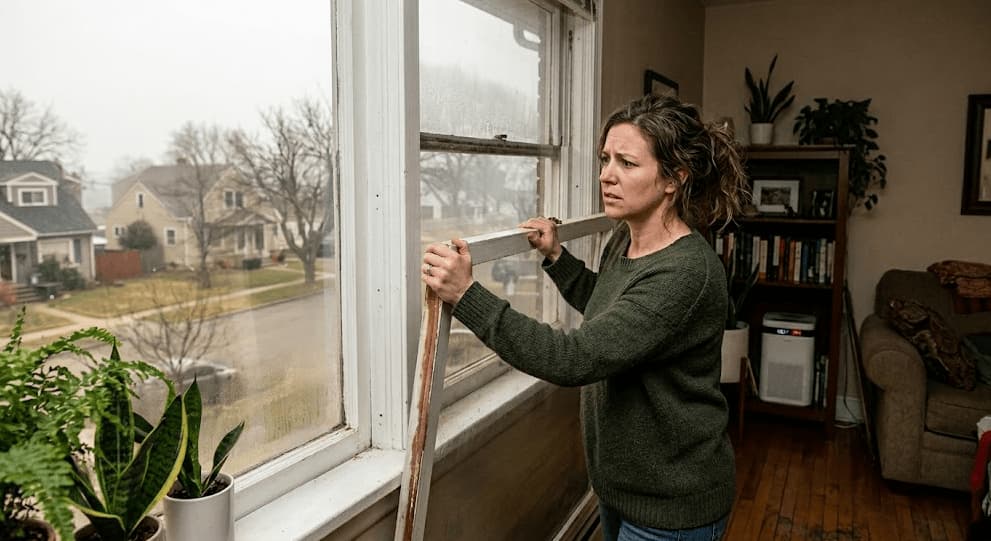
Does outdoor air quality affect the air inside your home? Many homeowners wonder about this, especially during wildfire season or when pollen levels soar. While closing windows and doors helps, homes aren’t airtight.
Outdoor pollutants can enter through cracks, vents, and HVAC systems, affecting indoor air quality. This guide dives into how outdoor pollution infiltrates your home, the differences between indoor and outdoor air quality, and steps to keep your air clean during high AQI events.
Key Takeaways
Outdoor air pollution can easily enter your home through cracks, vents, and HVAC systems, impacting indoor air quality.
Indoor air quality is not automatically better than outdoor air quality and requires active management.
Understanding the sources of pollution and how air moves between indoors and outdoors is critical for maintaining a healthier home environment.
Simple measures like using air purifiers, sealing windows and doors, and monitoring AQI levels can significantly reduce exposure to harmful pollutants during high AQI events.
Does Outdoor AQI Affect Indoor Air Quality?
The short answer is yes. Outdoor Air Quality Index (AQI) levels directly affect indoor air quality.
When outdoor air quality is poor, whether due to smog, industrial emissions, or wildfire smoke, pollutants can enter your home through a process called infiltration, according to the U.S. Environmental Protection Agency (EPA), outdoor air enters homes through natural ventilation (windows and doors), mechanical ventilation (fans and HVAC systems), and infiltration (cracks and leaks).
While indoor air is often safer during pollution events, it is rarely 100% free of outdoor contaminants. If the AQI outside reaches unhealthy levels, pollutant concentrations inside your home will likely rise unless you take specific mitigation steps.
How Outdoor Pollution Gets Inside Homes
Understanding how pollution infiltrates your home is the first step in keeping it out. Even if you keep everything shut tight, air exchange is a natural part of a building's physics.
Air Infiltration
Most homes are not airtight. They breathe. Air infiltration occurs when outdoor air enters through cracks, joints, and openings in walls, floors, and ceilings. Common entry points include gaps around windows and door frames, utility lines, and even the foundation.
This "accidental" ventilation means that microscopic particles, such as PM2.5 (particulate matter), can seep inside. On days with poor AQI, this leakage allows outdoor pollution to bypass your defenses and settle in your living room.
Open Windows and Doors
This is the most obvious pathway. Natural ventilation—opening windows and doors—is the fastest way to replace indoor air with outdoor air. On days with a low AQI (good air quality), this is beneficial. It flushes out stale indoor air and reduces concentrations of indoor pollutants like CO2 or cooking fumes.
However, during high AQI events, opening a window can bring pollution indoors. If there is wildfire smoke or heavy smog outside, an open window rapidly equalizes indoor and outdoor air quality, reducing the protection your home provides.
HVAC Systems and Air Movement
Your Heating, Ventilation, and Air Conditioning (HVAC) system is designed to move air. While most residential systems primarily recirculate indoor air, they are not hermetically sealed loops.
Outdoor air can enter your ductwork through leaks, especially if ducts run through unconditioned spaces such as attics or crawl spaces. Furthermore, as the system runs, it creates pressure differences that can pull outdoor air in through the cracks mentioned earlier (infiltration). This is why the quality of your system's filtration is critical—it serves as the last line of defense against particles entering the airflow.
What's the Difference Between Indoor vs. Outdoor Air Quality
It is a common misconception that indoor air is always cleaner than outdoor air. The truth is that indoor air quality (IAQ) is a dynamic mix of outdoor infiltration and indoor-generated pollutants.
Outdoor Air: Influenced by weather, traffic, industrial activity, and natural events (like fires or pollen seasons).
Indoor Air: Influenced by outdoor air entering the home plus indoor sources like cooking emissions, cleaning chemicals (VOCs), pet dander, and dust mites.
In some cases, the EPA notes that indoor air can actually be more polluted than outdoor air because pollutants become concentrated in confined spaces. However, during a high AQI event (like a wildfire), the outdoor air is significantly more hazardous.
The key takeaway is that your indoor air quality is inextricably linked to the outdoors, but it is also something you can control. By managing the amount of outdoor air that enters and filtering the air already inside, you can maintain a safe environment even when the AQI is hazardous.
When Outdoor AQI Has the Biggest Impact Indoors
Not every fluctuation in outdoor air quality will ruin your indoor environment. However, there are specific scenarios where the impact is most severe:
High PM2.5 Days: Events involving fine particulate matter, such as wildfire smoke or heavy industrial smog, are the most pervasive. These tiny particles penetrate cracks and gaps more easily than larger particles like dust.
Prolonged Poor AQI: If the air quality remains bad for several days, the slow rate of infiltration eventually catches up, and indoor levels will match outdoor levels without intervention.
Older Construction: Older homes tend to be draftier (leakier) than modern, energy-efficient homes, allowing more outdoor pollution to enter.
How Air Filters Help Reduce Indoor Exposure
While you cannot hermetically seal your home, you can clean the air that circulates within it. This is where your HVAC air filter plays a vital role.
What HVAC Air Filters Can Do
A high-quality air filter acts as a sieve for your home's air. As your HVAC system recirculates air, the filter captures airborne particles—including dust, pollen, and the fine particulate matter associated with poor AQI.
By running your fan during high pollution events, you force the air through the filter repeatedly. Over time, this significantly reduces the concentration of indoor particles, effectively "scrubbing" the air even if some pollution has leaked in.
What Air Filters Can’t Do
It is important to have realistic expectations. Standard HVAC filters capture particles (solids and liquid droplets). They generally do not capture gases, odors, or volatile organic compounds (VOCs) unless they are specialized carbon filters.
Furthermore, a filter cannot stop pollution from entering the home in the first place. It can only treat the air that passes through the system. Therefore, filters work best when paired with a strategy of keeping windows closed to minimize the load on the filter.
Why Filter Efficiency Matters
Not all filters are created equal. They are rated by MERV (Minimum Efficiency Reporting Value).
Low MERV (1-4): Mostly catches lint and dust bunnies. Not effective for smoke or fine pollution.
Medium MERV (8-11): Catches mold spores, dust mites, and pet dander. A good baseline for standard homes.
High MERV (13+): Capable of capturing smaller particles, including bacteria and smoke.
If you are concerned about outdoor AQI affecting your home, upgrading to a higher-efficiency filter (like a MERV 13) ensures that the system captures the fine particles that are most harmful to health. However, always check that your system can handle the increased restriction of a higher-rated filter.
Simple Steps to Protect Indoor Air When AQI Is High
If the forecast predicts a "Code Orange" or "Code Red" air quality day, take these proactive steps to keep your indoor environment healthy:
Monitor Outdoor AQI: Use apps or websites like AirNow.gov to track real-time conditions.
Close Up Shop: Keep windows and doors firmly shut. Seal any obvious large gaps with draft stoppers or tape if the pollution is severe (like nearby smoke).
Reduce Indoor Sources: Don't add to the problem. Avoid burning candles, using wood fireplaces, or frying food at high heat, which adds particulate matter to the air.
Run Your System: Turn your HVAC fan to "On" (rather than "Auto") to circulate air continuously through the filter.
Upgrade Your Filter: Ensure you are using a clean, properly sized air filter with an adequate MERV rating to capture fine particles.
Take the Next Step Toward Better Indoor Air
Now that you understand how outdoor AQI affects your indoor air, it's time to take action. While you can't control outside pollution, you have the power to improve the air inside your home.
Your first step? Check your current air filter. If it's dirty or has a low MERV rating, it's time for an upgrade. Swapping it for a fresh, higher-efficiency option, like a pleated filter from Filterbuy, can make a huge difference. This small change is highly effective at keeping outdoor pollutants outside.
Frequently Asked Questions
Does outdoor AQI affect indoor air quality?
Yes. Outdoor pollution can enter homes through gaps, airflow, and HVAC systems, which can affect indoor air—especially during high AQI events.
Is indoor air always cleaner than outdoor air?
Not always. Indoor air can be cleaner or more polluted depending on outdoor conditions, indoor activities, ventilation, and filtration.
How does pollution get inside homes?
Pollution enters through air infiltration (cracks and leaks), open windows and doors, normal airflow, and sometimes through HVAC system duct leakage.
Can air filters protect against outdoor air pollution?
Air filters can help reduce indoor exposure to airborne particles by capturing pollution that has entered the home and preventing it from recirculating.
Should I keep windows closed when AQI is high?
Yes. Closing windows and doors during poor AQI helps limit how much outdoor pollution enters your home, making your filtration efforts more effective.