
Pennsylvania Live Wildfire Smoke Map
Get Alerts For Wildfires In Your Area
The moment a wildfire starts near you, you'll get an instant alert and simple tips to reduce your smoke exposure.
What's In The Smoke
30xSmaller than a human hair
Fine enough to reach deep into the lungs. A MERV 13 is built to capture it.
How Far It Travels


It Doesn't Stay Local
Smoke rides the wind far downwind — you can get smoky air with no fire nearby.
What To Do During A Smoke Event
Simple steps to reduce indoor exposure.
- Stay In, Close UpShut windows and doors to keep smoke out.
- Set Fan To "On"Keeps air cycling through your filter, not just when heating or cooling.
- Recirculate AirSwitch off fresh-air intake so you're not pulling smoke in.
- Run A MERV 13Built to capture the fine PM2.5 in smoke.
- Add A PurifierExtra filtration for the room you use most.
- Wear an N95 if OutsideFits snug to block fine particles — a cloth mask won't.


The Best Air Filter For Wildfire Smoke
During smoke events, the EPA recommends upgrading to a MERV 13 filter — or the highest-rated filter your system can handle — to help reduce the fine particles smoke brings indoors. MERV 13 is the level most home HVAC systems can run while still capturing PM2.5, the fine particulate that makes up the bulk of wildfire smoke.
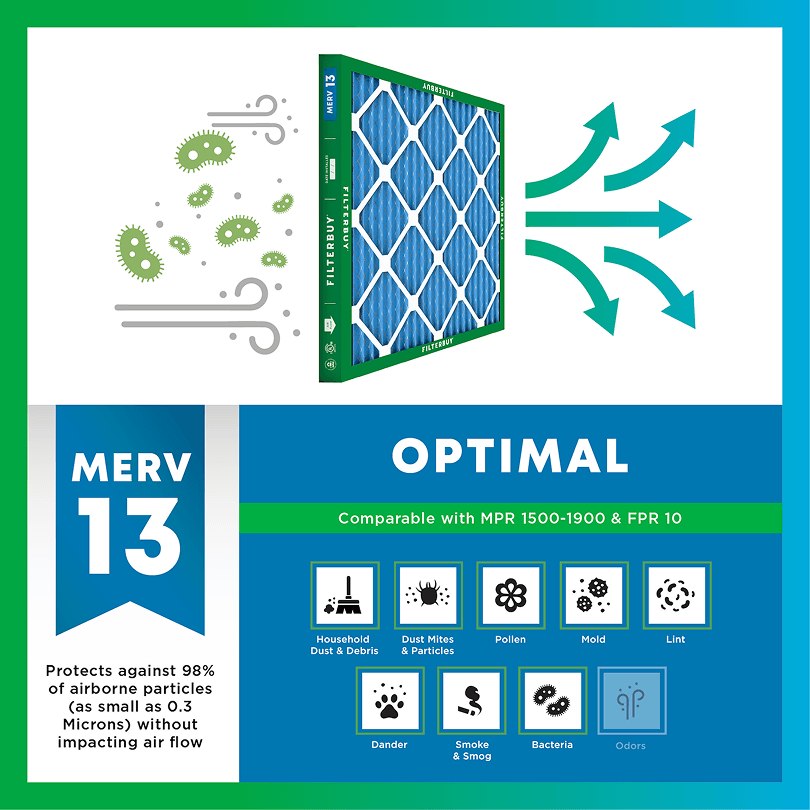
- Captures PM2.5 particles
- Blocks ash, soot, and smoke odor
- Keeps your indoor air safe—even when the outdoor air is dangerous
- Meets the EPA's recommended rating for filtering fine wildfire smoke particles.

Wildfire Smoke FAQs
Facts About Wildfires
Over 70,000 wildfires burn in the U.S. every year.
Wildfire smoke can travel 1,000+ miles, affecting states that aren't even near the blaze.
Exposure to wildfire smoke can worsen asthma, trigger heart issues, and lead to ER visits.
Indoor air can hold more fine particles during wildfire events unless it's properly filtered.
The EPA advises using MERV 13 filters or portable HEPA air cleaners during wildfire smoke events.
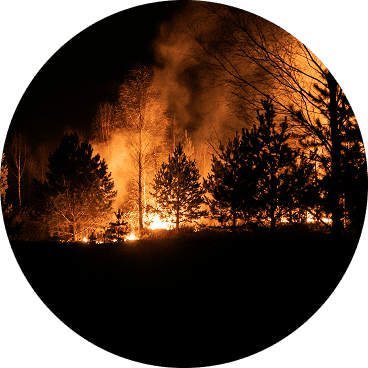
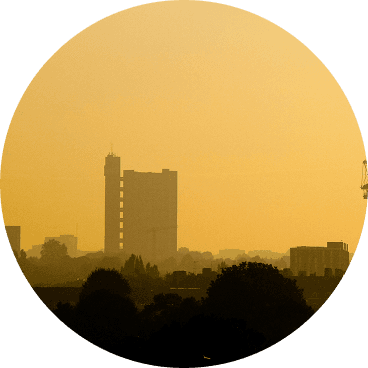
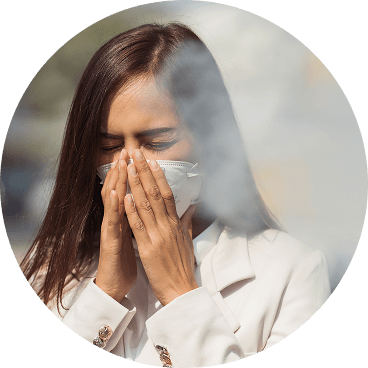
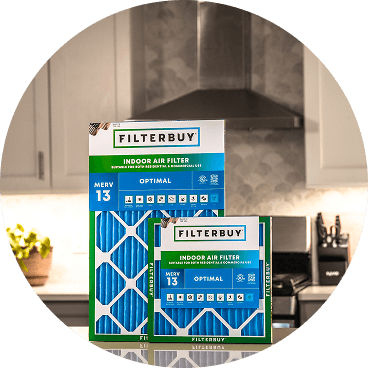
Don't Wait Until The Smoke's Inside.
Use the live wildfire smoke tracker and upgrade your air filters today to protect your lungs and your home.
Shop Filters For Smoke Protection
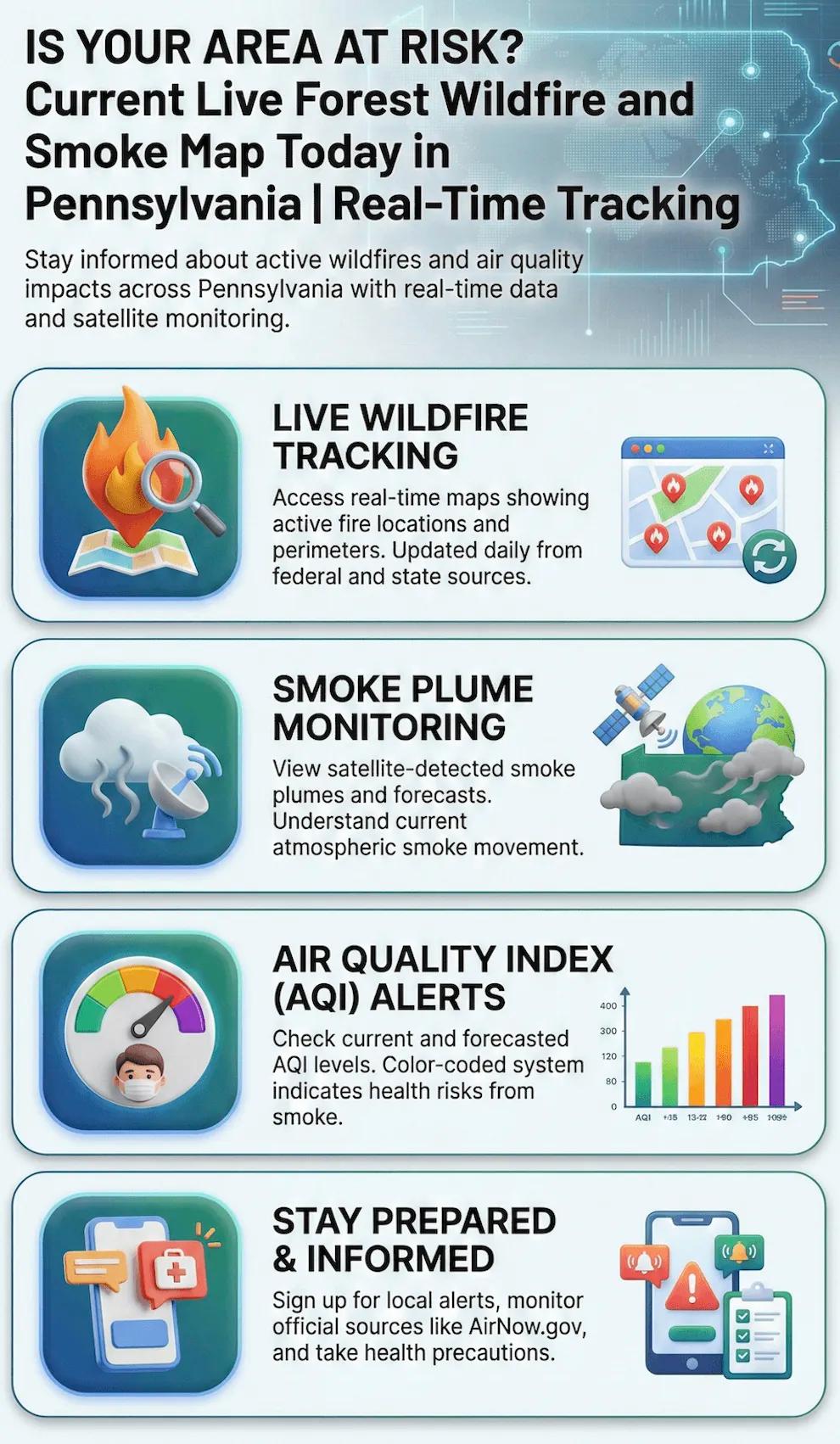
Is Your Area at Risk? Current Live Forest Wildfire and Smoke Map Today in Pennsylvania | Real-Time Tracking
Is wildfire smoke drifting toward your Pennsylvania home right now? As air filtration experts who've spent over a decade obsessing over what families breathe indoors, we can tell you firsthand — forest fire smoke is one of the most dangerous and overlooked threats to your home's air quality. We've seen it in our own customer data: during active wildfire events across Pennsylvania, homeowners report faster filter clogging, increased allergy symptoms, and HVAC systems working overtime to keep up.
That's exactly why we built this real-time wildfire and smoke tracking resource. From our experience manufacturing millions of air filters and working directly with families navigating poor air quality events, we know that the first step to protecting your indoor air is knowing what's happening outside — and most people don't have a reliable, up-to-date source for that information.
Below you'll find live interactive maps powered by data from the National Interagency Fire Center (NIFC), AirNow.gov, and Pennsylvania DCNR showing active fire locations, smoke plume movement, and air quality levels across the Commonwealth today. Plus, we've included the indoor air protection steps we recommend to our own customers when wildfire smoke is in the forecast — practical guidance you won't find on generic fire-tracking sites.
Check the live maps below to see if your area is affected, then keep scrolling for expert tips on keeping wildfire smoke out of your home.
TL;DR Quick Answers
Current Live Forest Wildfire and Smoke Map Today in Pennsylvania
The best real-time wildfire and smoke tracking resources for Pennsylvania include:
EPA AirNow Fire and Smoke Map (fire.airnow.gov) — live AQI readings, smoke plumes, and fire locations searchable by zip code
NOAA Hazard Mapping System (ospo.noaa.gov) — satellite-detected smoke plumes and active fire hotspots updated multiple times daily
Pennsylvania DCNR Wildfire Dashboard — state-level fire activity, burn bans, and risk conditions specific to PA counties
What we tell our customers: Don't wait until you smell smoke to check these maps. From years of helping homeowners protect their indoor air during smoke events, we've learned that fine particulate matter (PM2.5) often reaches unhealthy levels before smoke is even visible. Bookmark these tools now and take indoor air protection steps as soon as your local AQI hits Orange (101) — including running your HVAC fan on "ON" with a clean MERV 11 or higher filter in place.
Top Takeaways
Your air filter is your first line of defense. Check it now. If it's gray, darkened, or 60+ days old — replace it before the next smoke event.
Standard filters can't stop wildfire smoke. Upgrade to MERV 11 or higher for effective PM2.5 protection.
Prepare before fire season — not during it. Know your HVAC settings. Stock a backup filter. Set up AQI alerts in advance.
Don't wait for Red-level air quality alerts. Start protecting your indoor air at Orange (AQI 101).
Share this page with your neighbors. Smoke crosses property lines. Families with young children, elderly members, or respiratory conditions need these resources most.
How to Use Pennsylvania's Live Wildfire and Smoke Maps
It is not hard to track the active wildfires in Pennsylvania when you know where to look. Interactive maps on this page draw real time information on federal and state fire surveillance networks, providing you with the current hourly image of what is being burnt and where the smoke is drifting across the Commonwealth.
All you have to do is to zoom in on your location on the map and observe active fire boarders in red, smoke plume projections in gray gradients, and color coded air quality index (AQI) displays of your county. From our experience helping customers respond to poor air quality events, we recommend checking these maps at least twice daily during active fire season — conditions can shift dramatically within hours as wind patterns change.
Where Pennsylvania Wildfires Are Most Common
The threat of wildfire is not evenly distributed throughout Pennsylvania. The regions of the state most prone to fires are usually concentrated in the Pocono Mountains, the area of the Pine Barrens, the Allegheny National Forest and the Ridge and Valley Province that pass through central Pennsylvania. Such regions are rich in dry vegetation and rough lands that may make the fire spread faster especially in spring drought seasons and dry fall seasons.
Most Pennsylvanians do not know that although there might be a fire that is 50 or 100 miles away, the smoke may spread all over the state within hours, depending on the direction of the wind and atmospheric conditions.
Understanding Air Quality Index Readings During Wildfire Events
The Air Quality Index is your most important number to watch when wildfires are active. Here's what each level means for your family:
Green (0–50): Air quality is satisfactory with minimal risk
Yellow (51–100): Acceptable for most people, but unusually sensitive individuals should limit prolonged outdoor exposure
Orange (101–150): Unhealthy for sensitive groups including children, elderly, and anyone with asthma or respiratory conditions
Red (151–200): Unhealthy for everyone — limit outdoor activity and take steps to protect your indoor air
Purple (201–300): Very unhealthy — stay indoors with windows closed and your HVAC system running with a quality filter
Maroon (301+): Hazardous — remain indoors and take immediate steps to seal and filter your home's air
Pro Tip: After working with millions of customers through air quality events, we've found that most families wait until conditions hit the Red level before taking action. Our recommendation is to start protecting your indoor air at Orange. By the time you can smell smoke inside your home, fine particulate matter has already been circulating through your HVAC system and your lungs.
How Wildfire Smoke Enters Your Home and Affects Indoor Air Quality
Many buildings have windows and doors shut but the wildfire smoke finds its way inside. It finds its way under very small holes around windows, door gaskets, dryer vents, and most importantly under the fresh air intake of your HVAC system. Wildfire smoke contains the small particles of particulate matter (PM 2.5) so tiny that they can make it through your duct system and even into your living rooms pass through the duct system without any filtering at all.
This is something we see reflected directly in our filter performance data. When there are large smokes of a wild fire air filters known to last 90 days can be seen to be visibly darkened and clogged within two to three weeks. It is not just dust, that discoloration is the particles of combustion and ash and the volatile organic compounds that your filter filtered before it could get into the lungs of your family.
Protecting Your Indoor Air When Wildfire Smoke Is in the Forecast
When the maps above show smoke heading toward your area, here are the steps we recommend based on our decade-plus of air filtration expertise:
Check and replace your air filter immediately. A dirty or clogged filter during a smoke event is worse than useless — it restricts airflow while letting the smallest and most dangerous particles pass through. Start any wildfire smoke event with a fresh filter rated MERV 11 or higher for effective fine particle capture.
Keep your HVAC system running continuously. Set your thermostat fan to the "ON" position rather than "AUTO" so air is constantly cycling through your filter, even when the system isn't actively heating or cooling. This turns your entire HVAC system into a whole-home air purification system.
Seal obvious entry points. Close all windows, exterior doors, and fireplace dampers. If you can see daylight around door frames or feel drafts near windows, use towels or weatherstripping to temporarily seal those gaps.
Monitor conditions and plan for more frequent filter changes. During extended smoke events, inspect your filter weekly. If it's visibly gray or darkened, replace it regardless of how recently you installed it. This is one situation where sticking to a standard replacement schedule doesn't apply — your filter is working harder than normal and filling up faster.
Key Pennsylvania Wildfire and Emergency Resources
Stay connected to official information sources during active wildfire events:
Pennsylvania DCNR Wildfire Information — official state fire reports and burn ban status
AirNow.gov — real-time EPA air quality monitoring with zip code–level detail
National Interagency Fire Center (NIFC) — federal wildfire tracking and incident reports
PA Emergency Management Agency (PEMA) — evacuation orders and emergency alerts
Ready.gov Wildfires — federal preparedness and safety guidelines
Bookmark this page and check back regularly during fire season. We keep these maps and resources updated so you always have a single reliable source for Pennsylvania wildfire and smoke conditions — plus the indoor air quality expertise to know exactly what to do about it.
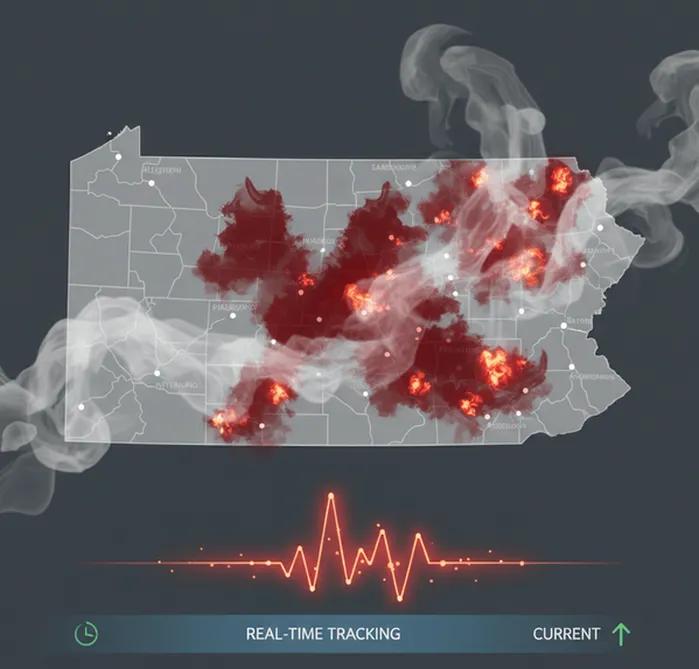
"After manufacturing millions of air filters and working with families through countless wildfire smoke events, we've learned that the biggest mistake homeowners make is waiting until they can smell smoke indoors to take action — by that point, fine particulate matter has already been cycling through your HVAC system and your family's lungs for hours."
7 Essential Wildfire and Smoke Tracking Resources Every Pennsylvania Homeowner Needs Bookmarked
After helping millions of homeowners protect their indoor air during wildfire smoke events, we know that fast access to reliable information is your first line of defense. These are the seven official resources we recommend to our own customers — organized by priority so you can quickly find what matters most when smoke is in the forecast.
1. AirNow Fire and Smoke Map — See What's in Your Air Right Now at the Zip Code Level
This EPA-powered map combines active fire locations with real-time PM2.5 air quality readings, giving you an immediate picture of wildfire smoke impact in your specific area. Enter your zip code to see current conditions and determine whether it's time to take indoor air protection steps.
🔗 https://fire.airnow.gov
2. Pennsylvania DCNR Wildfire Information — Your Official State Source for Active Fires and Burn Bans
The PA Department of Conservation and Natural Resources publishes daily observed and forecast wildfire danger maps covering the Commonwealth's 17 million acres of protected wildlands. Check here first for Pennsylvania-specific fire reports, burn restriction status, and official state-level wildfire updates.
🔗 https://www.pa.gov/agencies/dcnr/programs-and-services/community-outreach-and-development/wildfire
3. NIFC National Incident Map — Track Large Wildfires Across State Lines Before Smoke Reaches You
The National Interagency Fire Center's incident map shows active fire perimeters, containment status, and resource deployment across all 50 states. This is critical for Pennsylvania homeowners because wildfire smoke frequently drifts in from fires burning in neighboring states — and this map helps you see it coming.
🔗 https://www.nifc.gov/fire-information/maps
4. InciWeb Incident Information System — Get Ground-Level Updates Directly from Fire Personnel
InciWeb delivers the most detailed incident-specific information available on active wildfires, updated directly by crews on the ground. Access containment percentages, evacuation notices, fire behavior updates, photos, and official contact information for each active incident affecting Pennsylvania.
🔗 https://inciweb.wildfire.gov
5. AirNow Pennsylvania State Air Quality — Monitor Daily AQI Forecasts and Health Guidance
This EPA resource provides current and forecast Air Quality Index readings across every monitored location in Pennsylvania, including health recommendations for each AQI category. Use this to plan outdoor activities and determine when sensitive family members — especially children, elderly, and those with asthma — should stay indoors.
🔗 https://www.airnow.gov/state/?name=pennsylvania
6. Pennsylvania Emergency Management Agency (PEMA) — Access Evacuation Orders and Emergency Alerts in Real Time
PEMA operates a 24/7 watch center that maintains real-time situational awareness of all hazards across the Commonwealth, including wildfire emergencies. This is where you'll find official evacuation orders, emergency proclamations, and daily operations reports during active disaster events.
🔗 https://www.pa.gov/agencies/pema
7. National Weather Service PA Fire Weather Page — Understand How Wind and Weather Will Move Smoke Toward Your Area
The NWS fire weather page provides Pennsylvania-specific forecasts that directly affect fire behavior and smoke travel patterns. Check here for Red Flag Warnings, wind direction and speed data, humidity levels, and links to DCNR fire danger maps — the data you need to predict where smoke will be tomorrow, not just where it is today.
🔗 https://www.weather.gov/ctp/FireWeather
Why This Matters for Your Indoor Air: From our experience manufacturing air filters and working with Pennsylvania families through wildfire smoke events, we've seen that the homeowners who avoid the worst indoor air quality impacts are the ones who monitor these resources before conditions deteriorate. When the AQI hits Orange on the AirNow map, that's your signal to check your air filter, seal entry points, and set your HVAC fan to "ON" — not wait until you can smell smoke inside your home. Bookmark this page so these seven resources are always one click away when your family needs them most.
Supporting Statistics: What the Data Confirms About Wildfire Smoke and Your Home's Air Quality
We've spent over a decade manufacturing air filters and working directly with families during wildfire smoke events. These statistics aren't just data to us — they confirm what we observe firsthand in our facility, in customer feedback, and in filters that come back visibly darkened after just days of heavy smoke exposure.
99% of Pennsylvania Wildfires Are Caused by Human Activity
Source: Pennsylvania DCNR — Wildfire Information
The numbers tell a clear story about Pennsylvania's persistent fire risk:
~600 wildfires suppressed annually across the Commonwealth
~6,000 acres burned each year across public and private wildlands
Two distinct fire seasons — spring (March–May) and fall (October–November)
99% human-caused — primarily from debris burning, equipment use, and campfires
From our experience, Pennsylvania's dual-season fire risk is something most homeowners underestimate. Unlike western states with a single predictable fire season, families here face two annual windows when smoke can quietly compromise indoor air quality. That dual exposure pattern is exactly why we built this real-time tracking resource and why we factor it into our filter replacement recommendations for Pennsylvania customers.
🔗 https://www.pa.gov/agencies/dcnr/programs-and-services/community-outreach-and-development/wildfire
52% of All U.S. Fine Particle Pollution Comes from Wildland Fires
Source: U.S. EPA — 2020 National Emissions Inventory
Wildfire smoke is now the nation's single largest source of PM2.5 — the microscopic particles most dangerous to your health. Here's why that matters for your home:
PM2.5 particles are small enough to bypass low-efficiency filters entirely
They penetrate deep into lung tissue and can enter your bloodstream
During smoke events, we see filters that normally last 90 days become visibly loaded with dark combustion particles in as little as 2–3 weeks
More than half of America's fine particle pollution now originates from wildfire smoke
When the largest source of dangerous airborne particles is wildfire smoke, your air filter isn't just a maintenance item. It's your home's primary health barrier.
🔗 https://www.epa.gov/air-research/wildland-fire-research-reducing-exposures
EPA Research Confirms — Your Air Filter Is the Most Critical Factor During Smoke Events
Source: U.S. EPA — Wildland Fire Research: Reducing Exposures
EPA researchers studying indoor air quality during wildfire smoke episodes identified HVAC maintenance as the deciding factor between safe and unhealthy indoor conditions. Their key findings align with what we've told customers for years:
Replacing dirty filters was identified as crucial to preventing unhealthy indoor smoke levels
Buildings with proper HVAC maintenance showed significantly lower indoor PM2.5 concentrations
A fresh MERV 11+ filter running continuously turns your HVAC system into whole-home air purification
A dirty or clogged filter during a smoke event is worse than no filter — it restricts airflow while letting the most dangerous particles pass through
Our recommendation: Start every wildfire smoke event with a clean filter. Don't wait for your scheduled replacement date. If smoke is in the forecast, check your filter now.
🔗 https://www.epa.gov/air-research/wildland-fire-research-reducing-exposures
Final Thought: Why Real-Time Wildfire Tracking Is Only Half the Equation
Knowing where wildfires are burning and where smoke is heading is critical. That's why we built this resource — to give Pennsylvania homeowners a single reliable page with every live map, official data source, and emergency contact they need during active fire events.
But here's what most wildfire tracking sites won't tell you — and it's something we've learned after manufacturing millions of air filters and working with families through countless smoke events:
Monitoring outdoor conditions means nothing if you're not simultaneously protecting your indoor air.
Most Pennsylvania homeowners make the same mistake during wildfire smoke events. They focus entirely on what's happening outside while ignoring the single biggest vulnerability inside their home:
They check fire maps and watch AQI numbers ✓
They close windows and stay indoors ✓
They follow every official recommendation ✓
They overlook a filter that's already 60 days old, partially clogged, and completely unprepared for the sudden surge of fine particulate matter that wildfire smoke delivers ✗
We've seen it happen thousands of times. A family does everything right — and still wakes up with scratchy throats and irritated eyes because their overworked filter couldn't keep up. The smoke found its way in through the very system designed to protect them.
Our perspective after over a decade in this industry is straightforward:
Wildfire preparedness isn't just about evacuation plans and emergency alerts
Your home is only as protected as the filter inside your HVAC system
A live fire map tells you when to act — a fresh, properly rated air filter is the action
Here's what we recommend:
Bookmark this page and check the maps regularly during fire season
When conditions trend toward Orange on the AQI scale, don't just close the windows — check your filter first
That one step is what most people miss, and from our experience, it's the one that makes the biggest difference for your family's health when smoke is in the air
Next Steps: Protect Your Family Before the Next Wildfire Smoke Event
You've got the maps, resources, and knowledge. Now it's time to act. Based on our experience helping millions of homeowners navigate poor air quality events, here are seven steps in order of priority:
Step 1: Bookmark This Page for Instant Access
Wildfire conditions change fast. Save this page now so every live map, AQI tracker, and emergency resource is one click away when smoke approaches.
Step 2: Check Your Air Filter Right Now
Don't wait for smoke to find out your filter is overdue. Pull it out and inspect it today:
Visibly gray or darkened — replace immediately
In use 60+ days — replace before fire season
Unsure of last change — replace now and reset your timeline
A clean filter is your home's first line of defense. Starting a smoke event with a dirty one puts your family at a disadvantage.
Step 3: Upgrade to MERV 11 or Higher
Standard low-efficiency filters can't capture the fine particulate matter in wildfire smoke. For effective PM2.5 protection:
MERV 11 — strong baseline protection for most homes
MERV 13 — enhanced capture of fine particles including smoke, bacteria, and virus carriers
Check your HVAC specs — some older systems require a specific MERV range for proper airflow
Step 4: Know Your HVAC Settings Before an Emergency
When smoke arrives, act immediately — don't troubleshoot your thermostat. Familiarize yourself now:
Locate your fan setting — know how to switch from "AUTO" to "ON"
Identify your filter location for quick swaps during an event
Check for air leaks around windows, doors, and fireplace dampers
Test your system to confirm it runs properly before you need it
Step 5: Set Up AQI Alerts for Your Zip Code
Don't rely on checking maps manually. Get automatic notifications when air quality drops:
Visit AirNow.gov — sign up for EnviroFlash email alerts
Download the AirNow mobile app for push notifications
Set your alert threshold to Orange (AQI 101) — that's when indoor air protection steps should begin, not Red
Step 6: Stock an Extra Filter Before Fire Season
During major smoke events, filter demand spikes and availability drops. Almost no one thinks about this until it's too late:
Keep at least one backup filter on hand in the correct size for your system
Order before spring and fall fire seasons — March and October in Pennsylvania
Know your exact filter size so you're not guessing during an emergency
Step 7: Share This Resource with Your Neighbors
Wildfire smoke doesn't stop at property lines. The families around you are breathing the same air. Share this page with:
Neighbors — especially those with young children or elderly family members
Local community groups and neighborhood social media pages
Anyone with asthma, allergies, or respiratory conditions
The bottom line: Real-time wildfire tracking gives you awareness. These seven steps give you the action plan. Don't wait for smoke on the horizon — prepare your home now.
Frequently Asked Questions
Q: How can I check if wildfire smoke is affecting my area in Pennsylvania right now?
A: After helping millions of homeowners navigate smoke events, we always recommend these real-time tracking tools:
EPA's AirNow Fire and Smoke Map — live AQI readings by zip code
NOAA Hazard Mapping System — current smoke plumes and active fire locations
Bookmark both before fire season starts. From what we've seen, smoke conditions can shift dramatically within hours — even in areas nowhere near the actual fire. Having instant access eliminates the panic of scrambling for information when the air outside turns hazy.
Q: Can wildfire smoke from other states affect air quality in Pennsylvania?
A: Absolutely — and this catches Pennsylvania homeowners off guard every year. Wildfire smoke travels hundreds or thousands of miles from its source. We've consistently tracked this pattern with our customers:
Canadian wildfires — a frequent and growing source of Pennsylvania smoke events
Western U.S. fires — smoke regularly drifts east across the entire country
Mid-Atlantic neighboring states — local regional fires compound the impact
The smoke often arrives before anyone expects it. That's why we recommend real-time monitoring even when local skies look clear.
Q: What AQI level should I start taking action to protect my indoor air?
A: Based on what we've learned through countless smoke events, we recommend acting at Orange (AQI 101) — not Red. Waiting for Red is one of the most common mistakes we see. By that point, fine particles have already circulated through your home for hours.
At Orange, take these steps immediately:
Switch your thermostat fan from "AUTO" to "ON" to keep air moving through your filter
Close all windows and doors — including fireplace dampers
Confirm your filter is clean and rated MERV 11 or higher
We've seen this early-action approach make a measurable difference — especially for families with children, elderly members, or anyone with respiratory sensitivities.
Q: When is wildfire smoke season in Pennsylvania?
A: From years of tracking customer demand patterns and smoke-related filter replacements, Pennsylvania faces two primary local risk windows:
Spring (March–May) — local brush and forest fire activity peaks
Fall (October–November) — second peak for regional fire activity
But here's what many homeowners don't anticipate: long-range smoke can impact Pennsylvania throughout summer as well. We've seen major smoke events hit in June, July, and August with little warning.
Our recommendation:
Set up year-round AQI alerts through AirNow.gov
Keep a backup filter on hand regardless of season
The pattern we've observed is clear — smoke doesn't follow a predictable calendar.
Q: How does wildfire smoke affect my HVAC system and air filter?
A: This is where our manufacturing expertise gives us a perspective most resources won't share. Wildfire smoke contains extremely fine particulate matter (PM2.5) that loads onto filter media far faster than normal household pollutants.
What we've seen during smoke events:
Filters that normally last 90 days can clog in just days — not weeks
Clogged filters force your HVAC system to work harder and reduce airflow
Overloaded filters allow more pollutants to bypass into your living space
Our recommendations during active smoke events:
Check your filter daily for visible darkening
Replace immediately if you notice reduced airflow from vents
Stock at least one backup filter before fire season — demand spikes every major event and availability drops fast
Having the right filter ready means your home stays protected when it matters most.
Don't Let Wildfire Smoke Catch Your Home Unprotected — Check Your Air Filter Today
Now that you have real-time tracking tools to monitor wildfire smoke in Pennsylvania, make sure your home is ready to defend against it. Shop FilterBuy's MERV 11 and MERV 13 filters to keep your family breathing cleaner air when the next smoke event hits.