
6x10x1 Air Filters
Actual Size: 6.0x10.0x0.75

3 month filters
2. Select Quantity
Buying multiple sizes?


Made in the USA
Ships in 24 hours
6x10x1 Air Filters Air Filter Description
Available In MERV Rating: 13, 11, 8
Made in the USA
Ships in 24 hours
Merv comparison
Scroll to see more.
 MERV 8 |  MERV 11 |  MERV 13 | |
|---|---|---|---|
| Best for | Standard Residential/Commercial Healthy Families | Superior Residential/Commercial Allergy Sufferers | Optimal Residential/Commercial Hospital Grade |
| Comparable ratings | MPR 600 & FPR 5 | MPR 1000-1200 & FPR 7 | MPR 1500 - 1900 & FPR 10 |
| Filtration | Captures 90% of Airborne Particles | Captures 95% of Airborne Particles | Captures 98% of Airborne Particles |
| Dust, lint & debris | |||
| Mold, pollen | |||
| Dander, dust mites | |||
| Smoke & Smog | |||
| Bacteria | |||
| Odor, vocs |
Is it time to change your filter?
Generally, we recommend you replace your air filters every 90 days. Find out below if you should change your filters more often.

If someone in your home has asthma or allergies...
Change your filter every
6 weeks
to ensure indoor air quality is at its best.
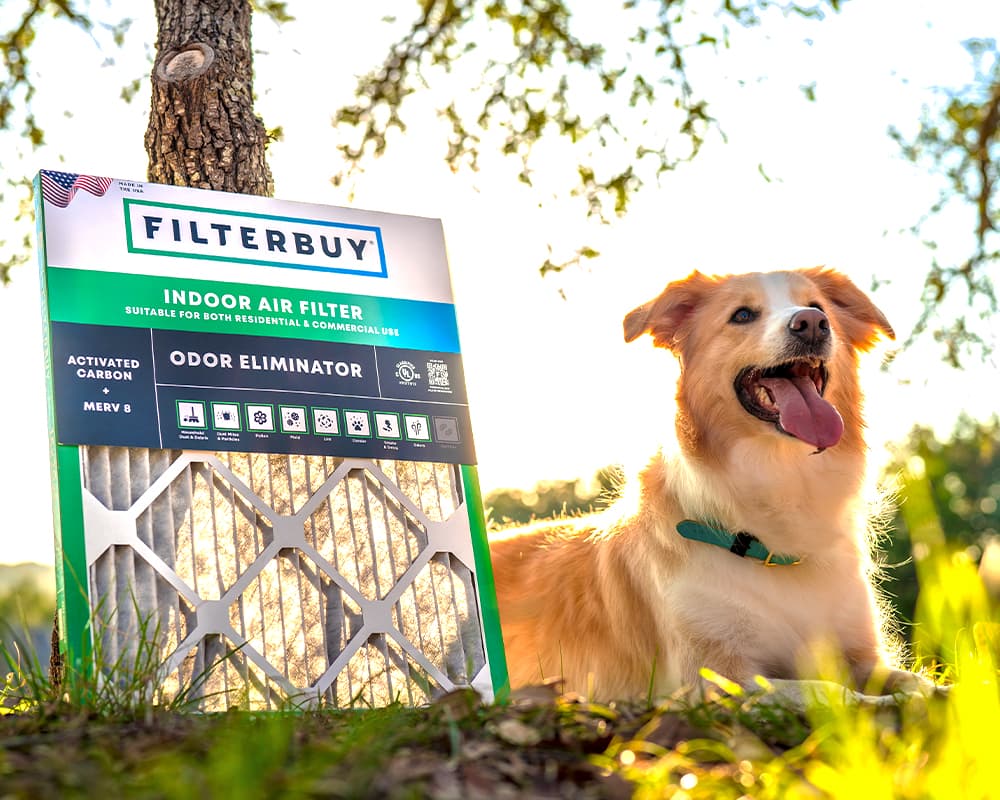
If you have pets...
Change your filter every
2 months
to avoid shedding and odor buildup.

If you have young children...
Change your filter every
2-3 months
as having clean air is even more important with children in your home.
If someone in your home has asthma or allergies...
Change your filter every
6 weeks
to ensure indoor air quality is at its best.
If you have pets...
Change your filter every
2 months
to avoid shedding and odor buildup.
If you have young children...
Change your filter every
2-3 months
as having clean air is even more important with children in your home.
Best 6x10x1 Air Filter for Allergies – Improve Indoor Air Quality with Top HEPA and MERV Options for Sensitive Breathers
Best 6x10x1 Air Filters for Allergy Relief
If allergies make breathing hard indoors, your air filter could be part of the problem. Many people with allergy sensitivities don’t realize how much a low-quality or poorly fitting filter can allow irritants like dust, pollen, and pet dander to circulate. This guide highlights the best 6x10x1 air filters for allergy relief, featuring top-rated HEPA and MERV options that are designed to capture microscopic particles and improve your home’s air quality fast.
Finding the right air filter for allergy relief starts with the right size—and the 6x10x1 filter, though less common, is essential for systems that require a compact yet high-performing solution. For individuals with allergies, asthma, or sensitivity to airborne particles, a basic fiberglass filter simply won’t cut it. What you need is a high-efficiency pleated filter that captures allergens before they circulate through your home.
Filters with MERV ratings between 11 and 13 are ideal for allergy control. They trap fine particles like pollen, mold spores, pet dander, and even smoke. For maximum filtration, HEPA-grade filters—which capture up to 99.97% of particles as small as 0.3 microns—offer superior protection, though not all systems are compatible with them.
Filterbuy offers custom-fit 6x10x1 filters made in the USA, with fast shipping and dependable performance. Their electrostatically charged, pleated media improves airflow while maximizing particle capture—ideal for allergy sufferers who want cleaner air without compromising HVAC efficiency.
In short, the best 6x10x1 air filters combine the right fit, high filtration power, and proven allergen control—helping you breathe easier, sleep better, and live more comfortably indoors.
🔍 Top Takeaways
Size and fit matter.
A properly sized 6x10x1 filter ensures better airflow and allergen control.
Choose high-efficiency filters.
MERV 11–13 or HEPA filters are best for capturing allergy-triggering particles.
Allergy relief starts with clean air.
The right filter can significantly reduce dust, dander, and pollen indoors.
Regular replacement is essential.
Change filters every 60–90 days to maintain performance and air quality.
Buy from trusted sources.
Custom-fit, pleated filters from reputable suppliers deliver lasting results.
🧪 Real-World Examples: 6x10x1 Filters That Delivered Allergy Relief in Florida
1. Davie, FL – Family Allergy Relief
Family struggled with dust and spring allergies.
Original filter was low-grade and poorly fitted.
Result: Fresher air and fewer allergy symptoms within days.
2. Hialeah, FL – Better Air in a Small Apartment
Residents had asthma issues and visible dust indoors.
Used a generic flat filter with poor performance.
Replaced it with a high-efficiency 6x10x1 MERV filter.
Result: Easier breathing and cleaner air in under a week.
3. Orlando, FL – Expert Technician Advice
Compact systems often react poorly to low-quality filters.
Improper fit allows allergens to bypass the filter.
Recommendation: Use snug-fitting, pleated, MERV-rated filters.
Insight: Smaller filters need just as much filtration power as larger ones.
Using a properly fitted, high-MERV 6x10x1 filter makes a big difference—even in compact systems. Florida homeowners saw noticeable improvements in air quality and allergy relief just days after switching to custom pleated filters designed for better performance.

“In our experience working with allergy-sensitive households, the biggest improvements always come from two things: using the right filter size and upgrading to a high-efficiency MERV or HEPA filter. When a 6x10x1 filter fits correctly and is replaced regularly, it doesn't just protect the HVAC system—it genuinely improves how people feel in their homes.”
📊 Supporting Statistics: Why Air Filters Matter for Allergy Relief
1. Indoor air is often more polluted than outdoor air
People spend 90% of their time indoors.
Indoor air can be 2–5 times more polluted than outside. 👉 EPA Indoor Air Quality
2. MERV-rated filters improve indoor air
Higher MERV filters capture more allergens.
Proper fit is essential for best performance. 👉EPA Learn about Indoor Air Quality
3. HEPA filters can remove 99.97% of airborne particles
CDC reports up to 65% reduction in exposure with HEPA filtration.
HEPA or high-MERV filters greatly benefit allergy sufferers. 👉 CDC Air Cleaners and Purifiers
To control allergies effectively, use high-efficiency filters like MERV or HEPA that capture more airborne particles. Always choose the correct size—such as 6x10x1—for a proper seal and optimal filtration. Regularly replacing your filter helps maintain cleaner air and keeps your HVAC system running efficiently.
🧠 Final Thought & Opinion: Small Filter, Big Impact
Summary: When it comes to managing allergies, the right air filter can make a noticeable difference. The 6x10x1 filter size, though compact, can deliver powerful results when paired with high-efficiency MERV or HEPA technology.
Expert Perspective:
Allergies often worsen due to poor filtration and improper filter fit.
From hands-on experience, we've seen how a snug MERV-rated filter improves air quality within days.
Small filters deserve the same attention to quality and performance as larger ones.
Our Opinion:
Don’t underestimate the impact of a properly sized, high-quality air filter. Even in tight systems, a well-chosen 6x10x1 filter can help reduce allergens, protect your HVAC unit, and create a noticeably healthier home environment.
✅ Next Steps: Breathe Easier with the Right 6x10x1 Filter
1. Confirm Your Filter Size
Double-check that your HVAC system uses a 6x10x1 filter.
2. Choose the Right Filter Type
For allergy relief, go with MERV 11–13 or HEPA (if compatible).
Look for custom-fit pleated filters from reputable brands like Filterbuy.
4. Install It Properly
Turn off your system, follow the airflow arrow, and ensure a snug fit.
5. Set a Replacement Reminder
Change your filter every 60–90 days, or more often if you have pets or severe allergies.
💡 Pro Tip: Keep an extra filter on hand so you’re always prepared for the next replacement cycle.
Frequently Asked Questions
Is MERV 11 too high for residential?
MERV 11 is generally not too high for residential use; it provides a good balance of filtration efficiency and airflow, capturing allergens like pollen and pet dander while still allowing adequate air circulation.
Is it okay to buy cheap air filters?
While cheap air filters may save money upfront, they often lack efficiency and durability. Investing in higher-quality filters can improve indoor air quality and reduce the workload on your HVAC system.
What MERV rating is best for airflow?
A MERV rating of 8 to 10 is typically considered best for airflow, as these filters strike a balance between capturing particulates and maintaining good air circulation in residential settings.
What is the highest MERV for a house?
The highest MERV rating suitable for a typical house is usually around MERV 13. Filters with this rating can capture smaller particles but may require more frequent changing and may affect airflow if not properly matched to the HVAC system.
What MERV rating is good for clean rooms?
For clean rooms, a MERV rating of 14 or higher is recommended, as these filters can effectively capture very small particles, ensuring a high level of air cleanliness necessary for sensitive environments.