
Baltimore Real-Time AQI Tracker


Get Alerts For Unhealthy AQI In Your Area
When air quality in your area reaches unhealthy levels, we'll send you a quick alert, along with expert tips on how to reduce your exposure.
What's Actually In Baltimore Air Today?
What High AQI Means for Your Lungs in Baltimore
How to Read AQI
The Air Quality Index (AQI) measures how polluted the air is and how it may affect your health.
0–50 (Good): Air quality is satisfactory.
51–100 (Moderate): Acceptable, but some pollutants may pose minor concerns.
101–150 (Unhealthy for Sensitive Groups)
151–200 (Unhealthy)
201–300 (Very Unhealthy)
301+ (Hazardous)
Moderate
Still okay for most, but if you have asthma or allergies, take it easy and avoid long outdoor workouts.
Shop MERV 11 filters→What's the Right Filter for Your AQI Level?

Check Today's Live Real Time Air Quality Index AQI Map in Baltimore, MD Now
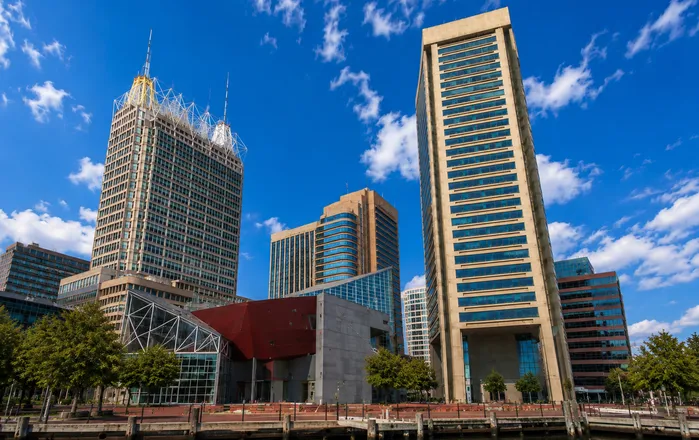
Baltimore's air can flip from Good to Code Orange in the time it takes to drive from Federal Hill to Towson. A southerly breeze pushes ozone up the I-95 corridor on a hot afternoon, and a clean morning quietly becomes a Code Orange recess by lunch. The live air quality index AQI map below pulls real-time readings from EPA AirNow stations across the metro, so you get the actual number before you decide about windows, recess, or your evening run.
TL;DR Quick Answers
What Is the Air Quality in Baltimore Today?
The live map above shows today's Baltimore AQI, pulled directly from EPA AirNow monitors. Readings vary by neighborhood, so check the station closest to your zip code rather than a city-wide average. Baltimore typically sits in the Good or Moderate range on cool, breezy days and climbs into Unhealthy for Sensitive Groups on hot summer afternoons or during wildfire smoke transport.
Is the Air Quality Bad in Baltimore Right Now?
Tap your nearest monitor on the live map for the answer in real time. As a quick rule: AQI under 50 means you can open the windows, 51 to 100 is acceptable for most, 101 to 150 is unhealthy for sensitive groups (children, older adults, asthma and heart patients), and anything above 150 means everyone should limit outdoor exertion.
What Is Baltimore's PM2.5 Level Today?
The live map displays PM2.5 in micrograms per cubic meter beside the overall AQI category. Baltimore PM2.5 usually runs Good (under 12 μg/m³) but spikes fast during wildfire smoke events and winter inversions in the Patapsco and Jones Falls valleys. Tap any monitor for a full pollutant breakdown, including PM2.5, PM10, ozone, and NO2.
How Often Does the Baltimore AQI Map Update?
The map pulls from EPA AirNow, which refreshes hourly under normal conditions and more often during active events. Refresh the page after wind direction changes or news of incoming smoke. Maryland Department of the Environment also issues a daily forecast that runs about 24 hours ahead of the live reading.
Top Takeaways
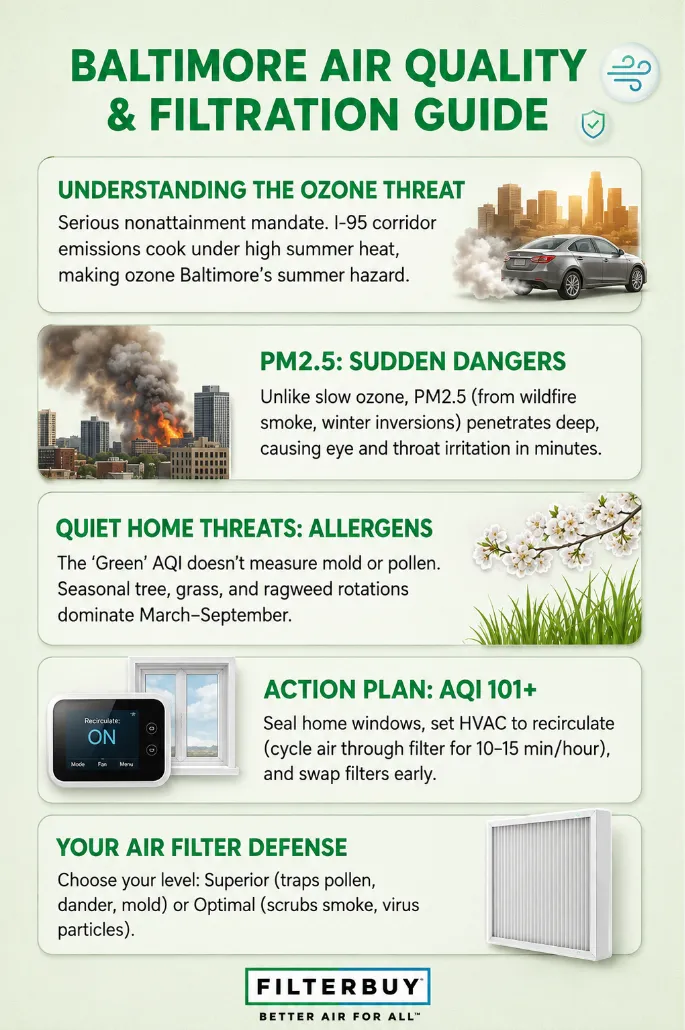
Baltimore sits in a Serious ozone nonattainment area, so Code Orange days are routine, not exceptional.
PM2.5 spikes during summer wildfire smoke transport and winter wood-burning inversions, often well outside the regulated ozone season.
Check the live AQI map before any outdoor workout, especially May through September when ozone peaks.
Close windows and set the HVAC to recirculate the moment your zip code reads 101 or higher.
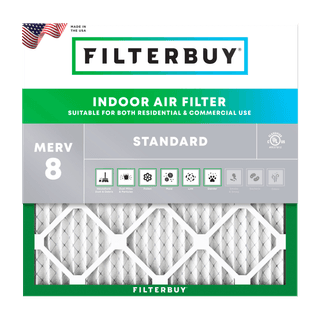
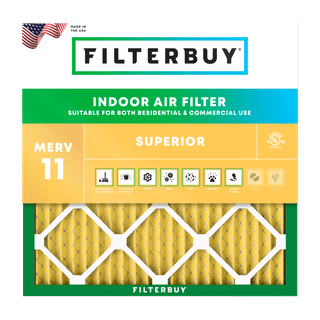
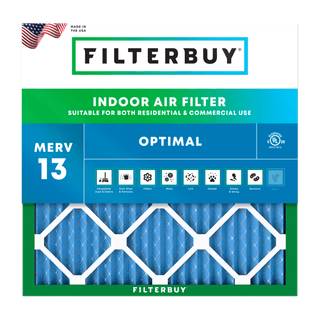
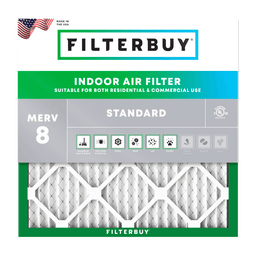
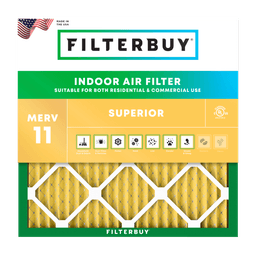
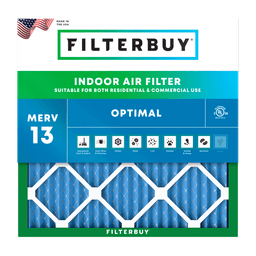
Match your MERV to the day: MERV 8 for everyday dust, MERV 11 for pets and pollen, MERV 13 for smoke when your system can handle the airflow.
What's Actually Driving Baltimore's Air Quality Readings
The Air Quality Index (AQI) is the 0 to 500 scale the EPA uses to translate raw pollutant readings into one health-focused number, color-coded so a glance tells you whether to open the windows or keep them shut. In Baltimore, the daily reading is mostly driven by ground-level ozone, fine particulate matter, and seasonal allergens. Each one peaks during a different stretch of the year, and each calls for a different response inside your home.
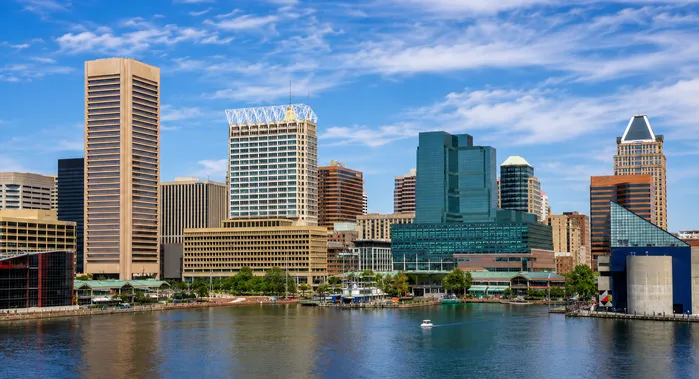
Ground-Level Ozone Drives Baltimore's Summer Code Orange Days
Ozone is the pollutant most Baltimore households should plan around from May through September. The EPA reclassified the Baltimore metro from Moderate to Serious ozone nonattainment effective August 1, 2024, with a federal attainment deadline of August 3, 2027. That designation isn't bureaucratic noise. It means hot summer afternoons reliably push ozone above the federal health standard, and the local pollution profile is the reason. I-95 traffic combined with the Sparrows Point and Curtis Bay industrial corridors releases the nitrogen oxides and volatile organic compounds that bake into ozone whenever temperatures climb past the upper 80s and the wind drops. Late July and early August are the worst stretches, especially when overnight temperature inversions trap yesterday's pollutants close to the ground.
Fine Particulate Matter Spikes Without Warning
PM2.5 is the pollutant most Baltimore households notice first because it irritates eyes and throats within an hour of exposure. Two patterns drive most of the local spikes. Summer brings long-range wildfire smoke transport, which pushed Baltimore readings into Code Red during the 2023 Canadian wildfire events and still arrives whenever a high-pressure system parks over the Mid-Atlantic. Winter brings cold-air inversions in the Patapsco and Jones Falls valleys, when overnight settling traps residential wood-smoke emissions until the morning sun breaks the layer.
Pollen, Mold, and Allergens Are the Quiet Trigger Behind Green-AQI Symptoms
The AQI tracks regulated pollutants, not biological particles. That gap matters in Baltimore. A green-reading day can still trigger symptoms when oak, maple, and birch pollen peaks from late March through May, when grass pollen takes over through June, or when ragweed climbs in August and September. Humidity-driven mold spores stay elevated all summer and spike after every soaking rain. For Baltimore households with allergy or asthma sufferers, the AQI is one input on a longer list, which is why MERV 11 is the practical floor for any Mid-Atlantic home where someone deals with seasonal symptoms.
After manufacturing filters for over a decade and serving more than two million households, I've watched Mid-Atlantic customers get caught off guard by the same pattern. A clear-sky Baltimore morning turns into a Code Orange afternoon, and they realize the filter they meant to swap last month is already loaded by dinner. Treat your HVAC filter as the second air monitor in the house. Check it after every bad-AQI stretch and swap it early when the pleats look dark.
— Filterbuy Team
7 Essential Resources for Tracking Baltimore Air Quality
Bookmark the ones that match how you actually use air quality data, whether that means a thirty-second check before stepping outside or a regulatory record for a school district conversation.
1. EPA AirNow Baltimore Live Monitor Map: The Federal Real-Time Reading
The federal real-time monitor map for the Baltimore metro pulls live readings from EPA-validated stations across the city and surrounding counties. This is the authoritative number to check before opening windows, sending kids to recess, or starting an outdoor workout.
2. Maryland Department of the Environment Daily Air Quality Forecast
MDE operates the state's regulatory air monitoring network and issues the Code Orange and Code Red forecasts that drive every local school and youth-sports advisory. Bookmark this for tomorrow's outlook, not just today's reading.
3. CDC Particle Pollution and Your Health Guidance
Plain-language CDC guidance on PM2.5 health effects and household protective steps. Send this to a family member with asthma or heart disease who needs to understand why a Code Orange day matters and what to do about it.
4. American Lung Association State of the Air Maryland Report Card
The annual county-by-county air quality report card grades every monitored Maryland jurisdiction on ozone and particle pollution. The county-by-county breakdown shows how Baltimore ranks year over year and which neighboring counties run cleaner air.
5. National Weather Service Baltimore Washington Forecast Office Outlook
The local NWS office covering central Maryland weather, including the temperature inversions and stagnant air patterns that drive bad-air days. Check the wind and temperature outlook to gauge whether tomorrow's AQI will hold steady or break.
6. NIEHS Air Pollution Health Effects Research Summary
The National Institute of Environmental Health Sciences research summary on short-term and long-term health effects of the pollutants showing up in Baltimore readings. Worth reading when you want the science behind the daily forecast.
7. EPA Green Book Maryland Nonattainment Areas Record
The EPA's official record of which Maryland counties carry nonattainment designations for which pollutants under the National Ambient Air Quality Standards. Pull this up if you want the regulatory backstory behind Baltimore's air quality picture.
3 Numbers That Tell the Real Baltimore Air Story
1. August 3, 2027: Baltimore's Federal Deadline to Hit Ozone Attainment
Effective August 1, 2024, the EPA approved Maryland's request to reclassify the Baltimore metro from Moderate to Serious ozone nonattainment under the 2015 8-hour ozone NAAQS, setting a federal attainment deadline of August 3, 2027.
2. 11 Maryland Counties Plus Baltimore City Carry Ozone Nonattainment Status
Maryland's ozone nonattainment counties span the Baltimore area (Anne Arundel, Baltimore, Carroll, Harford, Howard, plus Baltimore City), the Washington DC area (Calvert, Charles, Frederick, Montgomery, Prince George's), and Cecil County in the Philadelphia-Wilmington-Atlantic City area.
3. NOAA Tracked Record Wildfire Smoke Transport Into the Mid-Atlantic in 2023
NOAA's Hazard Mapping System Fire and Smoke Product documented record Canadian wildfire smoke transport into the Mid-Atlantic during summer 2023, including events that pushed Baltimore AQI readings into the Code Red range for multiple consecutive days.
Final Thoughts: Why Baltimore's Real Air Story Hides in the PM2.5 Numbers
Most Baltimore air quality coverage talks about ozone because the regulatory pressure is on ozone. The Serious nonattainment designation, the 2027 deadline, the State Implementation Plan revisions — those are real, and they matter for long-term policy. But the readings that send people to urgent care and the ones that drive most of the filter complaints we hear from Baltimore zip codes are PM2.5 events: long days of wildfire smoke pushing south, winter inversions over the row-house blocks, and even hours of grilling exhaust drifting on a still summer evening. The ozone forecast tells you about tomorrow afternoon, while the PM2.5 map tells you about the next two hours. Both belong on your morning check, but PM2.5 is the one more likely to change your day.
Baltimore's pattern is one slice of a national picture. The live AQI map for the United States lets you check readings in any other city you might be in this week.
Next Steps for Baltimore Households When the AQI Climbs
When your zip code reads 101 or higher on the live map above, work through these steps in order. Each one closes off a different way outdoor air can reach your family indoors.
Close windows and exterior doors. Even with the HVAC running, an open window pulls outdoor air directly across your face.
Switch your HVAC to recirculate, with the fresh-air damper closed. If your thermostat has a "circulate" or "fan on" setting, run it 10 to 15 minutes per hour so indoor air cycles through the filter more often.
Check the filter. Darkened pleats or a harder-running fan both mean it's loaded, and a loaded filter restricts the airflow you need most when the AQI is high. Swap it early rather than waiting for the calendar reminder.
Move outdoor workouts to a treadmill, indoor pool, or an early-morning window when ozone is at its daily low.
Run a HEPA portable purifier in the bedroom of any household member with asthma, COPD, or cardiovascular disease.
Wear a well-fitting N95 if you have to be outside during heavy wildfire smoke. Cloth and surgical masks do not stop PM2.5.
Frequently Asked Questions
Get Your Baltimore Household Ready Before the Next Code Orange Day
Set your Baltimore household up so the next bad-air day finds you ready instead of scrambling. Filterbuy makes pleated MERV 8, MERV 11, and MERV 13 filters in every standard size, plus a custom size for everything else, all made in the USA with free shipping. Turn on Auto Delivery, and a clean filter arrives before the next AirNow alert does.