
Canada Real-Time Air Quality Map
Air quality index (AQI⁺) and PM2.5 air pollution in Canada •
Live Air Quality Ratings in Canada
Live city rankings are temporarily unavailable.
What's the Right Filter for Your AQI Level?

AQI FAQs
What is AQI?
AQI stands for Air Quality Index, the EPA's scale for reporting daily air quality. It runs from 0 to 500. The higher the number, the greater the level of air pollution. Values at or below 100 are generally considered satisfactory; values above 100 mean air quality is unhealthy, first for sensitive groups, then for everyone as numbers climb.
What does AQI measure?
The AQI tracks five major pollutants regulated by the Clean Air Act: ground-level ozone, particle pollution (PM2.5 and PM10), carbon monoxide, sulfur dioxide, and nitrogen dioxide. The reported AQI value reflects whichever pollutant is highest at that time — most often ozone or fine particles (PM2.5).
How is AQI calculated?
Monitoring stations measure pollutant concentrations, and the EPA converts each into a standardized 0–500 score using set breakpoints. Each pollutant gets its own sub-index, and the highest sub-index becomes the reported AQI. That's why a single number can represent different pollutants on different days.
What is a good AQI?
An AQI of 0–50 is rated "Good" — air quality poses little or no risk. 51–100 is "Moderate," acceptable for most people though unusually sensitive individuals may want to limit prolonged outdoor exertion. Anything at or below 100 is generally considered satisfactory air quality.
What does an AQI of 100 (or 150) mean?
100 is the dividing line: at or below it, air quality is satisfactory for the general public. From 101–150, air is "Unhealthy for Sensitive Groups" — people with respiratory conditions, older adults, and children. From 151–200, it's "Unhealthy" and everyone may begin to feel effects.
Why is the AQI bad today?
Short-term AQI spikes usually come from wildfire smoke, temperature inversions that trap pollutants near the ground, high-ozone weather (hot, sunny, stagnant days), or heavy traffic and industrial activity. Check a real-time source like the map on this page to see which pollutant is driving today's reading in your area.
What AQI is bad for running or exercise?
Many runners follow the EPA category lines: below 50, no adjustment needed; 51–100, unusually sensitive people may shorten intense workouts; above 100, sensitive groups are advised to reduce prolonged or heavy outdoor exertion; above 150, that advice extends to everyone. Exercise increases how much air you breathe in, which is why thresholds matter more during workouts.
What AQI is safe to open windows?
A common rule of thumb is to keep windows open when the AQI is under 100 and close them when it climbs above, especially during wildfire smoke events when fine particles are elevated. When windows are closed, running your HVAC system with a fresh filter helps capture particles circulating indoors.
Should I wear a mask based on AQI?
Public health agencies generally suggest considering a well-fitted N95-style respirator outdoors when the AQI exceeds 150, particularly during smoke events. Cloth and surgical masks don't filter fine particles effectively. Follow guidance from your local health department, which may adjust recommendations during severe episodes.
Live Air Quality Index (AQI) Map in Canada Today
See current air quality across Canada with our live AQI map. Look up your city, check today’s number and color, and take simple steps to protect your household when air quality is poor.
Key Takeaways
Check the live air quality index AQI map for your location and recheck after weather changes.
Keep the home closed and run HVAC on “recirculate” during poor air.
Use the right MERV filter for your system and add a HEPA purifier for one cleaner room.
Plan outdoor time for the cleanest part of the day and use an N95 if smoke is heavy.
What the AQI Tells You and Why It Matters
AQI is a scale that shows how clean or polluted the air is right now and how it may affect health. Lower numbers mean cleaner air. Colors on the map match the level so you can scan quickly:
0–50 Good
51–100 Moderate
101–150 Unhealthy for Sensitive Groups
151–200 Unhealthy
201–300 Very Unhealthy
301+ Hazardous
AQI matters because it turns complex pollution data into a single, easy-to-read number that tells you how today’s air may affect health. It helps you decide when to move activities indoors, who should take extra care, and what steps to take at home.
Guides daily choices: exercise, school sports, outdoor work.
Protects sensitive groups: children, older adults, and people with asthma or heart/lung disease.
Triggers home actions: close windows, set HVAC to recirculate, use the right MERV filter, run a HEPA purifier.
Aids travel planning: check routes and choose cleaner times or stops.
Use The Live AQI Map
Search by city or postal code to see current AQI and the main pollutant.
Click nearby locations to compare conditions across your area.
Recheck during the day if wind shifts, wildfire smoke moves in, or a temperature inversion sets up.
Canada-Specific Factors To Watch
Wildfire season (spring through late summer) can send smoke hundreds of kilometers, lowering air quality far from the fire.
In many cities during colder months, temperature inversions trap pollution near the ground on calm days.
Summer heat and sun can increase ground-level ozone in urban areas, especially in the afternoon.
Local conditions also vary by region: coastal wind, prairie dust, and mountain valleys can all shift readings from one area to the next.
Indoor Protection On Poor-Air Days
Close windows and doors. Set central A/C or HVAC to recirculate.
Use a snug, high-quality HVAC filter and replace on schedule.
Run a True HEPA purifier in one bedroom or main living area and keep that door mostly closed.
Reduce extra indoor sources: keep frying brief, avoid candles and incense, and limit long runs of kitchen or bathroom exhaust fans.
Outdoor Planning and Travel
Before school runs, sports, or outdoor work, check the live AQI map and adjust plans if air is poor. If you must be outside in heavy smoke or high PM2.5, wear a well-fitting N95. Keep car windows up and set the cabin air to recirculate. When traveling between provinces, review AQI along your route and choose rest stops where the air is cleaner.

Choose The Right MERV for Your Home
Match your filter to your needs and to what your system can support.
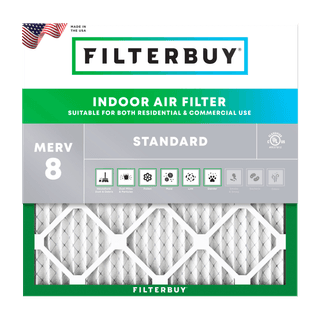
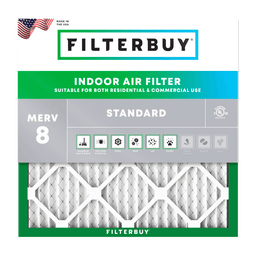
MERV 8: Everyday dust and lint. Lowest resistance.
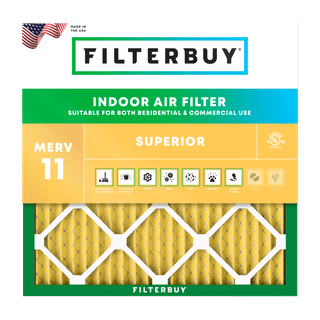
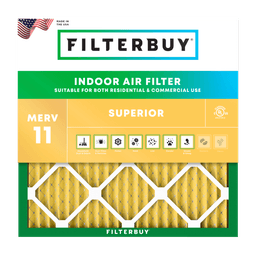
MERV 11: Smaller particles common in homes with pets or mild allergies.
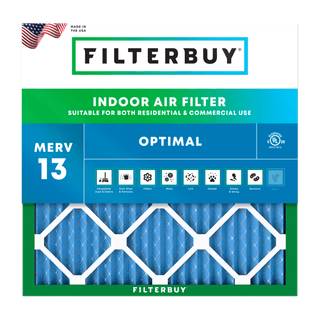
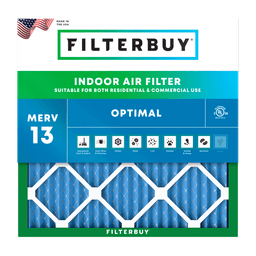
MERV 13: Finer particles including wildfire smoke and smaller allergens, only if airflow and comfort stay normal.
Filterbuy offers pleated HVAC filters in MERV 8, MERV 11, and MERV 13 in standard and custom sizes for a tight fit. Filters are made in the USA and ship fast with free U.S. delivery. Set Auto Delivery so you have a new filter ready whenever AQI conditions worsen.
Frequently Asked Questions
What is AQI?
A single number that summarizes current outdoor air quality and likely health impact. Lower is better.
Why do I sometimes see “AQHI” instead of “AQI”?
Canada often uses the Air Quality Health Index (AQHI) scale. If your area shows AQHI, follow that scale’s legend on the map.
How often does the map update?
Readings refresh throughout the day. Recheck if wind shifts, smoke moves in, or visibility changes.
Which pollutants are shown?
Commonly PM2.5 (fine particles) and ozone; some areas also show PM10 or other pollutants depending on available monitors.
What AQI/AQHI level should change my plans?
When levels enter the “Unhealthy for Sensitive Groups” range (or AQHI guidance indicates elevated risk), limit strenuous outdoor activity—especially for children, older adults, and people with heart or lung conditions.
Can outdoor air affect indoor air?
Yes. Outdoor pollution can enter through small leaks and openings. Close windows/doors and set HVAC to “recirculate” during poor air.
Do masks help with smoke?
A well-fitting N95 helps filter fine smoke particles. Cloth or loose surgical masks are not designed for fine particle filtration.
What can I do at home to improve the air?
Use a snug, correctly sized MERV 8/11/13 filter (choose the highest your system can handle without hurting airflow) and run a True HEPA purifier in one room.
Why is my city’s number different from a nearby town?
Local sources, terrain, and wind can vary block to block. Use your postal code on the map for the closest reading.
Is AQI relevant for pets?
Yes. Pets can be affected by smoke and ozone. Limit vigorous outdoor time when air quality is poor and provide clean indoor air.