
Richmond Real-Time AQI Tracker


Get Alerts For Unhealthy AQI In Your Area
When air quality in your area reaches unhealthy levels, we'll send you a quick alert, along with expert tips on how to reduce your exposure.
What's Actually In Richmond Air Today?
What High AQI Means for Your Lungs in Richmond
How to Read AQI
The Air Quality Index (AQI) measures how polluted the air is and how it may affect your health.
0–50 (Good): Air quality is satisfactory.
51–100 (Moderate): Acceptable, but some pollutants may pose minor concerns.
101–150 (Unhealthy for Sensitive Groups)
151–200 (Unhealthy)
201–300 (Very Unhealthy)
301+ (Hazardous)
Moderate
Still okay for most, but if you have asthma or allergies, take it easy and avoid long outdoor workouts.
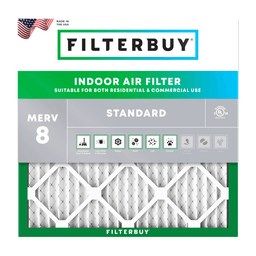
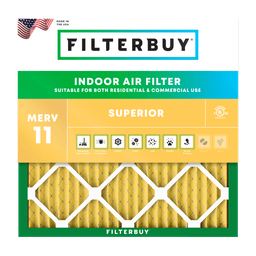
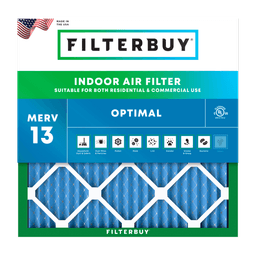
Shop MERV 11 filters→What's the Right Filter for Your AQI Level?
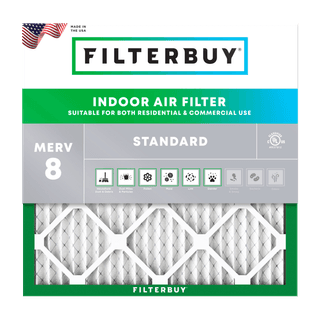
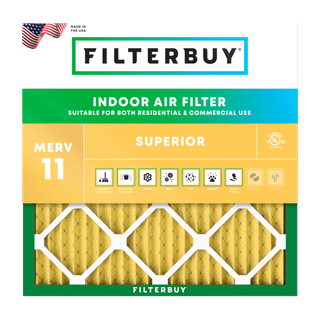
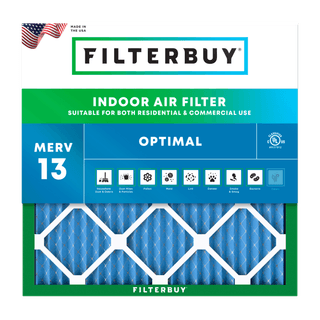


Check Today's Live Real Time Air Quality Index AQI Map in Richmond, CA Now
TL;DR
The live AQI map above shows real-time air quality in Richmond, California, the West Contra Costa County city on San Francisco Bay. A reading under 50 is Good, and above 100, people with asthma or heart disease, children and older adults should limit time outdoors. Wildfire smoke causes the worst days, while the Chevron Richmond Refinery is tracked separately by fenceline monitors and county alerts. At AQI 100, Filterbuy’s action line, put a MERV 13 filter in the HVAC, set the fan to On, run a portable HEPA air cleaner in each occupied room and close the house up.
Key Takeaways
Readings vary between Richmond’s shoreline and hills, so check your ZIP.
Fine particulate (PM2.5, particles small enough to reach deep into the lungs) and ozone set most readings.
The AQI does not measure refinery gases such as benzene; fenceline monitors do.
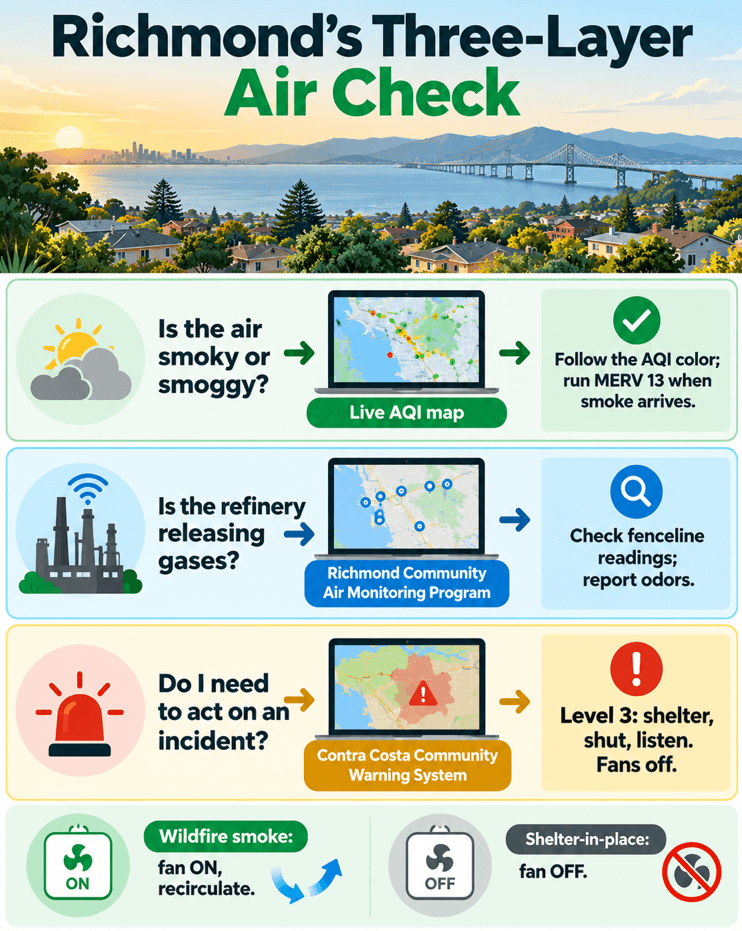
For wildfire smoke, keep the HVAC fan On. For a shelter-in-place, turn fans off.
The Richmond metro is on all three of the American Lung Association’s 2026 worst-25 lists.
Reading Richmond’s Live AQI Map: What the Colors Tell You Right Now
The live Richmond AQI map above shows the current reading, color category and main pollutant. Green and yellow are normal days; orange and above mean sensitive groups should cut back. Conditions can shift between Point Richmond and Hilltop within an hour, so zoom in or search your ZIP on our live U.S. air quality map.
Richmond AQI Ranges, Explained: What Each Color Asks of You
The air quality index in Richmond uses the U.S. AQI scale from 0 to 500. It has six categories set by the EPA. Match the color on the map to the row below.
Is the Air Quality Bad in Richmond Today?
It depends on the live reading. Under 100, the air is acceptable for most people. Above 100, people with asthma, COPD or heart disease, children and adults over 65 should limit time outdoors; above 150, everyone should.
Filterbuy acts one point before the official sensitive-groups category. AQI 100 is our action line: put a MERV 13 filter in the HVAC, set the thermostat fan to On, run a portable HEPA air cleaner in each occupied room, bedrooms first, and close the house up. With a health condition, follow your doctor’s plan and AirNow guidance.
Why the Map Can Lag Behind What You See or Smell
A Richmond AQI reading can trail real conditions for three reasons. AirNow calculates current AQI from a weighted average of recent hours, so fast smoke can outrun it. The AQI also skips refinery gases, and the dial can show ozone on a smoky day if no particle monitor is nearby.
Planning Ahead: Richmond’s Forecast and Spare the Air Alerts
The Bay Area Air District forecasts Richmond’s air and sends Spare the Air alerts by text, email or app. In Contra Costa County, ozone peaks in summer and fine particulate in winter, though both rarely exceed standards west of the East Bay hills.
From November 1 through February 28, a Winter Spare the Air Alert makes it illegal to burn wood or any solid fuel for 24 hours. Since October 2025, alerts trigger at a lower PM2.5 threshold, so expect more no-burn days. Gas, propane and electric fireplaces stay legal.
Richmond Air Quality by Neighborhood and ZIP Code
Air quality varies across Richmond because sources cluster around the Chevron refinery, the Port of Richmond, rail yards, I-580 and I-80. Point Richmond, North Richmond and the Iron Triangle (94801) sit closest to the refinery and rail, Marina Bay (94804) is near the port, and Richmond Annex and Hilltop (94803–94806) follow the freeways.
The Chevron-funded Richmond Community Air Monitoring Program reports fenceline and neighborhood readings every five minutes. A 50-monitor network from PSE Healthy Energy and the Asian Pacific Environmental Network found Hilltop, Point San Pablo, Point Richmond and May Valley ran above average.
What’s in Richmond’s Air, From PM2.5 to Refinery Gases
PM2.5 and ozone set most Richmond AQI readings. Ozone breaks down indoors, so closing windows helps; PM2.5 stays suspended for hours and has to be filtered out.
The Air District’s Path to Clean Air plan names refining, shipping, rail and freight traffic as Richmond’s main sources. A February 2024 settlement committed Chevron to an estimated 70 percent cut in particulate from its fluid catalytic cracking unit under Rule 6-5, whose limits took effect July 21, 2026.
Where Richmond Ranks for Air Pollution Nationally
State of the Air 2026 ranked the San Jose–San Francisco–Oakland metro, which includes Richmond, 14th worst for ozone and 20th for short-term particle pollution, yet the region also hit its lowest-ever particle pollution. See the worst air quality cities in the U.S., or compare our Oakland, Berkeley and California maps.
How to Handle Wildfire Smoke in Richmond
Follow AirNow and Contra Costa Health guidance first, then take these four steps. The 2018 Camp Fire brought nearly two weeks of the Bay Area’s worst air on record.
Put a MERV 13 filter in the HVAC. EPA guidance notes most systems take MERV 13 without problems when it is replaced often.
Set the thermostat fan to On. On Auto, the system filters only while heating or cooling.
Run a portable HEPA air cleaner in each occupied room, bedrooms first. Per the EPA, its smoke CADR should be at least two-thirds of the room’s square footage: about 200 for a 300-square-foot bedroom. Skip ionizers and ozone generators.
Close the house up. Shut windows and doors; skip candles, frying, smoking and unsealed vacuuming.
Replace the filter when it turns dark brown or black, often before its normal interval, and keep spares. Outdoors, wear a fitted N95 rather than a cloth mask. For smoke smell, which is a gas, use the Odor Eliminator line. Track fires on our California wildfire and smoke map.
Refinery Incidents and Richmond’s Warning System
Contra Costa County’s Community Warning System (CWS) rates refinery and industrial incidents from Level 0 to 3. Level 1, such as flaring over 20 minutes, needs no action; Level 3 means shelter in place: go inside, close doors and windows, and turn off fans, heaters and AC. That is the opposite of the smoke advice.
After the 2012 Chevron refinery fire, more than 15,000 residents sought medical treatment. Sign up at cwsalerts.com; Richmond’s 18 sirens are tested at 11 a.m. on the first Wednesday of each month.
No Central AC or No Ducts? Filtering Older Richmond Homes
Only about half of San Francisco metro households have air conditioning. A forced-air furnace still filters with a MERV 13 and the fan On. Apartments, wall heaters and ductless mini-splits have no whole-home layer, so portable HEPA air cleaners are the primary defense. In smoke plus heat, use the county’s cooling centers rather than sealing up an overheating home.
Filterbuy’s Take: What the AQI Number Misses in Richmond
Richmond needs three air checks: the live AQI for smoke, fenceline monitors for refinery gases, and CWS alerts for incidents. As a U.S. filter maker founded in 2012 with a California distribution center, we see filtration as preparation: a filter ordered when the sky turns orange arrives late, so get MERV 13 in before fire season.
Matching Your Filter to Richmond’s AQI Reading
MERV 13 is Filterbuy’s tier for smoke. The EPA recommends MERV 13 or higher in central systems during smoke events. Filterbuy says to switch at AQI 100.
Supporting Statistics
Chevron Richmond Refinery particulate causes an estimated $52.5–118 million a year in health damage. Rule 6-5 controls could cut related deaths 13–23 percent. Source: Bay Area Air District (2021)
Americans spend about 90 percent of their time indoors, where some pollutants run 2–5 times higher than outside. Source: U.S. EPA, Report on the Environment
44 percent of Americans, 152.3 million people, live where air quality earns a failing grade. The Richmond metro is on all three worst-25 lists. Source: American Lung Association, State of the Air 2026
Frequently Asked Questions
What is the air quality in Richmond today?
The live map at the top of this page shows Richmond air quality today. Under 50 is Good; above 100, sensitive groups should limit time outdoors.
What MERV rating do I need for wildfire smoke in Richmond?
MERV 13, paired with a portable HEPA air cleaner in each occupied room.
Does the AQI include pollution from the Chevron refinery?
Partly. It counts particulate and sulfur dioxide but not benzene or hydrogen sulfide, which fenceline monitors track.
What should I do during a shelter-in-place in Richmond?
Go inside, shut doors and windows, and turn off fans, heaters and AC until Contra Costa Health gives the all-clear.
Can I filter wildfire smoke without air conditioning?
Yes. With a forced-air furnace, use MERV 13 and set the fan to On. Without ducts, use portable HEPA air cleaners.
Glossary
Filterbuy: A U.S. air filter manufacturer founded in 2012 in Talladega, Alabama, that makes pleated HVAC filters in MERV 8, 11 and 13 and publishes live air quality maps for cities across the country.
AQI (Air Quality Index): The EPA’s 0-to-500 scale for six air pollutants: Good (0–50), Moderate (51–100), Unhealthy for Sensitive Groups (101–150), Unhealthy (151–200), Very Unhealthy (201–300), Hazardous (301+).
PM2.5: Fine particulate matter 2.5 micrometers or smaller, found in wildfire smoke, wood smoke and diesel exhaust. MERV 13 is the filter tier Filterbuy recommends during smoke.
Ground-level ozone: A lung irritant formed when sunlight reacts with vehicle and industrial emissions; a mainly summer pollutant in the Bay Area.
AirNow: The EPA’s national air quality reporting site and app, which publishes current AQI readings, forecasts and the Fire and Smoke Map.
CADR (Clean Air Delivery Rate): A rating of how much filtered air a portable air cleaner delivers; the EPA advises a smoke CADR of at least two-thirds of a room’s square footage.
MERV: Minimum Efficiency Reporting Value, the 1-to-16 scale for how well an HVAC filter captures particles.
HEPA: High-Efficiency Particulate Air filtration, capturing 99.97 percent of 0.3-micron particles; used in portable air cleaners, never in a home HVAC filter slot.