
Oakland Real-Time AQI Tracker


Get Alerts For Unhealthy AQI In Your Area
When air quality in your area reaches unhealthy levels, we'll send you a quick alert, along with expert tips on how to reduce your exposure.
What's Actually In Oakland Air Today?
What High AQI Means for Your Lungs in Oakland
How to Read AQI
The Air Quality Index (AQI) measures how polluted the air is and how it may affect your health.
0–50 (Good): Air quality is satisfactory.
51–100 (Moderate): Acceptable, but some pollutants may pose minor concerns.
101–150 (Unhealthy for Sensitive Groups)
151–200 (Unhealthy)
201–300 (Very Unhealthy)
301+ (Hazardous)
Moderate
Still okay for most, but if you have asthma or allergies, take it easy and avoid long outdoor workouts.
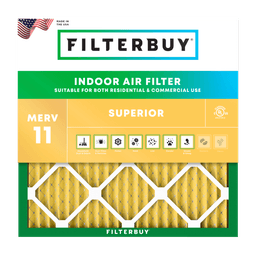
Shop MERV 11 filters→What's the Right Filter for Your AQI Level?


Check Today's Live Real Time Air Quality Index AQI Map in Oakland, CA Now
Oakland’s air can shift fast with wind, heat, or regional smoke. Check the live AQI map for your block and a few nearby neighborhoods, then plan outdoor time and simple indoor steps. If smoke or haze pushes AQI higher, set your HVAC to recirculate and use the highest MERV your system safely supports.
TL;DR Quick Answers
Live Air Quality Index (AQI) Map in Oakland, California
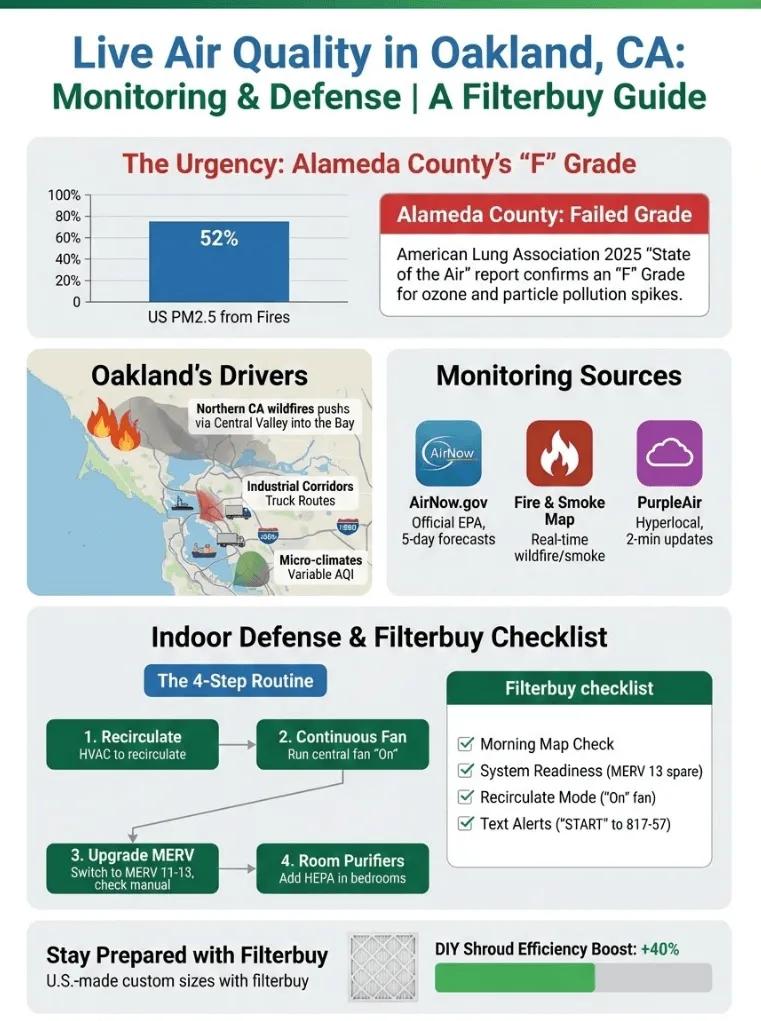
Oakland's AQI can read Green in the hills and Orange near the port within the same hour. Check these three sources for the most complete picture:
AirNow (airnow.gov) — official EPA readings by address with a five-day forecast.
Fire and Smoke Map (fire.airnow.gov) — real-time wildfire locations, smoke plumes, and PM2.5 from government and PurpleAir sensors on one screen.
PurpleAir (map.purpleair.com) — block-by-block readings updated every two minutes. Set conversion to "US EPA" for the most accurate smoke data.
What to do with the reading:
Search your address. Then check two or three nearby spots — readings shift fast near I-880, the port, and industrial corridors.
Compare the "Now" value with the hourly trend. A rising curve means moving activity indoors.
When AQI passes 100, close windows, set HVAC to recirculate, run the central fan continuously, and add a HEPA purifier where you sleep.
Step up to the highest MERV your system supports. Most newer Oakland homes handle MERV 13 during smoke events.
After shipping filters to Bay Area homes through every major smoke season, the pattern we see is clear — the households that check the map every morning and keep a spare MERV 13 in the closet handle air quality swings with far less disruption than those reacting after the haze rolls in.
Key Takeaways
Check the live AQI for your block and one nearby spot before planning outdoor time.
When AQI climbs, close windows, set HVAC to recirculate, run the central fan, and add a HEPA room purifier where you sleep.
Use the highest MERV your system safely supports (often MERV 11–13 for smoke and urban haze). Filterbuy offers standard and custom sizes for a snug fit and easy reordering with free shipping.
Inspect filters more often during smoke events; replace early if airflow drops or the media looks gray.
After conditions improve, wipe hard surfaces with a damp cloth and vacuum with a HEPA vacuum.
What Shapes Oakland’s Air
Regional smoke events. Summer and fall fires in Northern California and the Pacific Northwest can send smoke down the valley and into the Bay. The amount that reaches ground level varies by day and by neighborhood.
Local corridors and industry. Busy truck and rail corridors, port activities, and industrial yards can raise particle levels near fencelines and along major roadways. Recent enforcement in East Oakland requires multi-year fenceline monitoring at an aggregate recycling site near the Coliseum. That data will help flag dust episodes and guide fixes.
Neighborhood monitoring. Mobile street-level mapping that began in West Oakland is expanding statewide. More sensors mean better visibility block by block, which helps residents time outdoor plans and alerts agencies to hot spots that need action.
How To Use Today’s AQI
Search your address, then glance at nearby monitors. Readings can change across short distances near freeways, truck routes, or the waterfront.
Compare the “Now” value to the hourly outlook. If numbers trend upward, move hard activity indoors and protect sensitive groups first.
Set a simple routine. Close windows, run the central fan so air passes the filter more often, and add a HEPA room purifier in the bedroom or main living space.
Indoor Steps That Work On Smoky Or Dusty Days
Keep outdoor air out: windows closed, exterior vents closed, HVAC on recirculate.
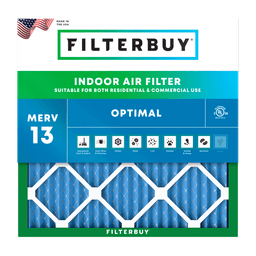
Use the highest MERV your system supports without hurting comfort. Many systems accept MERV 11 or MERV 13. During wildfire episodes, experts recommend using MERV 13 filters like those from Filterbuy, if your system can handle it. Pair the central filter with a HEPA purifier in the room where you sleep.
Run time: Use “On” or a circulate setting so air passes the filter more often.
Short-term backup: A newer certified box fan with a well-sealed MERV 13 filter can help when used safely and attended.
Picking The Right Filter For Oakland Homes
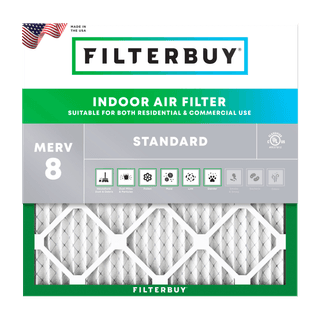
MERV 8 helps with everyday dust and larger pollen while keeping coils and ducts cleaner.
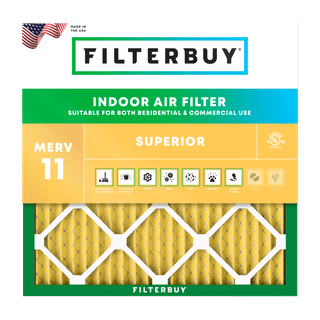
MERV 11 captures more small particles, including pet dander and many mold spores.
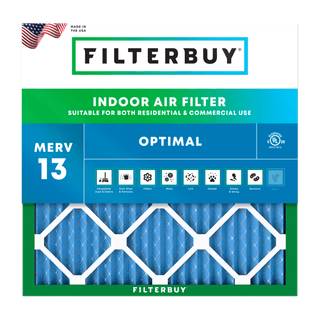
MERV 13 targets finer particles often present in smoke and urban haze. Use it only if your system is rated for the added resistance. Not sure what your system supports? Check your HVAC manual or ask a local technician.
For a snug fit that prevents bypass, Filterbuy can make custom sizes, and you can set auto-delivery, so replacements arrive on schedule during smoke season.

Neighborhood Tips For Oakland
Near freeways or truck routes: Check AQI more often in the afternoon when ozone and traffic can spike. Keep a purifier running in street-facing rooms.
Near industrial areas or busy yards: Watch for short particle spikes when wind shifts. Invest in top-quality filters like Filterbuy and keep doors closed to work yards or garages that connect to living spaces.
Apartments and condos: Confirm if your building uses corridor make-up air. A door sweep and weatherstrips can help reduce hallway infiltration during smoke days.
When AQI Drops And Skies Clear
Replace a visibly loaded HVAC filter early, especially after a long smoke spell. Wipe hard surfaces with a damp microfiber cloth and vacuum rugs with a HEPA vacuum. Rinse or replace pre-filters on purifiers per the manual. Clean supply and return grilles and confirm the condensate drain is clear.
Quick Planning Checklist
Morning map check for your block and two nearby spots
Recirculate on, windows closed, central fan running
Highest safe MERV in place, purifier on in the bedroom
Extra check after wind or frontal changes
Light activity outdoors if numbers rise
Choose Filterbuy For Bay Area Homes
You need filters that fit, arrive on time, and keep airflow comfortable. Filterbuy offers U.S. made standard and custom sizes with free shipping and an easy size finder. When air is at its worst, run a HEPA room purifier where you sleep or study, and step up to MERV 13 on the central system if it is compatible.
"In Oakland, AQI can read Green on the hills and Orange two miles away near the port or a truck corridor—that's why we always tell homeowners to check the map at their actual address, not just the citywide number, and to keep a MERV 13 filter ready to swap in the moment smoke season hits."
Essential Resources for Tracking Oakland Air Quality
After manufacturing millions of filters shipped to Bay Area homes, we know Oakland's air can read Green in the hills and Orange near the port within the same hour. These seven resources help you stay ahead of shifts so your HVAC filter and indoor setup are never caught off guard.
1. AirNow Interactive Map — Official EPA Readings for Your Exact Oakland Address
Enter your street address to see the current AQI from regulatory-grade monitors for ozone and PM2.5, plus a five-day forecast you can use to plan outdoor time and decide when to step up your filter game.
Source: https://www.airnow.gov/
2. AirNow Fire and Smoke Map — See Active Wildfires, Smoke Plumes, and PM2.5 on One Screen
This EPA and U.S. Forest Service tool layers fire locations, drifting smoke, and ground-level particle data from government monitors and PurpleAir sensors. When customers call us mid-smoke event asking whether to upgrade to MERV 13, this is the first link we send them.
Source: https://fire.airnow.gov/
3. BAAQMD Current Air Quality — Hourly Bay Area Readings From the Regional Authority
The Bay Area Air Quality Management District posts hour-by-hour AQI for all nine counties and issues Spare the Air Alerts when particulate or ozone levels are forecast to exceed federal health standards. Bookmark this page so you know the moment conditions call for closing windows and setting HVAC to recirculate.
Source: https://www.baaqmd.gov/about-air-quality/current-air-quality
4. Spare the Air Alerts — Free Text, Email, and Phone Notifications Before Air Turns Unhealthy
Sign up once and get automatic warnings when ozone or fine particle levels are forecast to spike. Text "START" to 817-57 for the fastest setup. Homes that pair these alerts with a fresh MERV 13 on standby handle smoke events with far less scrambling.
Source: https://www.sparetheair.org/connect-with-us/sign-up-for-alerts
5. PurpleAir Real-Time Map — Block-by-Block Oakland Readings Updated Every Two Minutes
Community-owned sensors give you hyperlocal data near freeways, the port, and industrial corridors where AQI can swing dramatically within a few blocks. Set the conversion to "US EPA" for the most accurate smoke readings. This kind of block-level detail is exactly why we offer custom filter sizes — because one neighborhood's needs are not the same as another's.
Source: https://map.purpleair.com/
6. EPA AQI Basics — Understand Every Color Category and What It Means for Your Health
The official guide breaks down all six AQI levels from Good through Hazardous, names the five regulated pollutants, and lists specific action steps for sensitive groups, including children, older adults, and people with asthma or heart disease. We reference this guide constantly when helping customers match the right MERV rating to real-world conditions.
Source: https://www.airnow.gov/aqi/aqi-basics/
7. East Oakland Community Air Monitoring Project — Hyperlocal Data for Oakland's Most Impacted Corridors
A multi-year partnership between BAAQMD, Communities for a Better Environment, and UC Berkeley places monitors near industrial sites, truck routes, and port operations to capture pollution spikes that citywide averages miss. Residents near these corridors often need to inspect and replace filters more frequently — data from this project helps you set the right schedule.
Supporting Statistics
1. Alameda County Earns Failing Air Quality Grades Year After Year
The San Jose–San Francisco–Oakland metro area lands on all three of the American Lung Association's most polluted cities lists.
Unhealthy ozone days. Fail.
Short-term particle pollution spikes. Fail.
Year-round particle pollution. Fail.
Alameda County has earned an F for ozone in every reporting period the ALA has tracked.
What we see at Filterbuy. Order volume for MERV 13 filters to Oakland zip codes tracks almost perfectly with these grades. Demand spikes every time the smoke season overlaps with the ozone season. Customers who wait until conditions turn unhealthy often find standard sizes temporarily backordered. That pattern taught us to stock deeper for Bay Area addresses starting in April, months before most homeowners think about smoke. If your county carries an F, your filter schedule should be tighter than what the packaging suggests.
Source: American Lung Association, "State of the Air" 2025
https://www.lung.org/research/sota/city-rankings/states/california/alameda
2. Wildland Fires Produce More Than Half of All U.S. Fine Particle Pollution
EPA's 2020 National Emissions Inventory found that 52 percent of all PM2.5 emitted in the United States came from wildland fires. That single number explains what we see on the filters themselves.
Customers near the Oakland hills and along I-880 send us photos of MERV 13 panels pulled after just two to three weeks of heavy smoke.
The pleats are uniformly gray from edge to edge. Almost no white media is visible.
A filter that looks like that has done its job — but it has also hit its limit.
Our advice. Keep at least one spare MERV 13 on hand at all times. Half the nation's fine particle load comes from fire events that arrive with little warning. When smoke is the source, your filter ages in days, not months.
Source: U.S. Environmental Protection Agency, Wildland Fire Research: Reducing Exposures
https://www.epa.gov/air-research/wildland-fire-research-reducing-exposures
3. A Zero-Cost Upgrade Boosted DIY Air Cleaner Performance by 40 Percent
EPA testing confirmed that adding a simple cardboard shroud to a box-fan-and-MERV-13 setup increased its clean air delivery rate by 40 percent — no extra money required.
Why this matters for Oakland renters and condo residents.
You may not be able to modify a shared HVAC system.
A single MERV 13 panel sealed snugly against a certified box fan with a cardboard frame creates measurable particle reduction in the room where you sleep or work.
Filterbuy ships standard and custom sizes that fit common 20-inch fan faces. Free shipping.
Stage two or three spares in a closet before the first smoke advisory hits.
The pattern we see. The families who handle smoke events best built their backup setup in May. The ones scrambling in August are already breathing what their filter should have caught.
Source: U.S. Environmental Protection Agency, Research on DIY Air Cleaners to Reduce Wildfire Smoke Indoors
https://www.epa.gov/air-research/research-diy-air-cleaners-reduce-wildfire-smoke-indoors
Final Thought and Opinion
Oakland's air quality is not a single number. It is a patchwork that shifts block by block, hour by hour, depending on which way the wind pushes port diesel, freeway exhaust, or wildfire smoke. The live AQI map gives you the read. The resources above give you the context. The statistics confirm what residents already feel — this metro area fails federal air quality standards repeatedly, and the pattern is not improving fast enough to outpace fire seasons that start earlier and last longer every year.
After manufacturing millions of air filters and shipping them to Bay Area homes through every major smoke event of the past decade, we hold a view that most general guidance misses. The standard advice — check the AQI, close your windows, run your system — is a starting point, not a plan.
What actually separates households that stay comfortable during a two-week smoke siege from those that do not comes down to three decisions made before the first advisory hits.
Know your system's true MERV limit. Not what a neighbor uses. Not what a forum recommends. Your system, confirmed by your manual or your technician. A MERV 13 that fits and seals properly will outperform a MERV 16 that gaps at the edges or starves your blower.
Own your replacement schedule instead of following a generic calendar. Alameda County's F grades exist because Oakland's air demands more from a filter than a home in a passing county. We watch order data across thousands of Bay Area addresses. Homes that reorder every 30 to 45 days during smoke season consistently report better airflow and fewer complaints than homes stretching a single filter to 90 days because the package says they can.
Build your backup layer before you need it.
HEPA room purifier in the bedroom.
DIY box-fan-and-MERV-13 setup with a cardboard shroud in the living space.
Spare filters are already in the closet.
These are not panic purchases. They are the Oakland equivalent of keeping an umbrella by the door in Seattle.
The honest truth is that no filter eliminates every particle. But the right combination brings measurable relief.
A well-matched MERV rating in a properly sealed slot.
A HEPA purifier where you sleep.
HVAC set to recirculate.
A replacement schedule that respects what the AQI is actually doing to your filter media.
We have seen it in lab results, in customer feedback, and in the condition of filters returned to us after real smoke events.
Oakland deserves block-level air data, and it is finally getting it through expanded monitoring. Filterbuy's role is making sure the filter side of the equation is just as precise — the right MERV, the right size down to the fraction of an inch, delivered before you need it and replaced before it stops working. That is not a sales pitch. It is what air-obsessed looks like when the AQI turns orange.
Next Steps
You have the data. You have the resources. Put them to work before the next smoke event makes the decision for you.
Step 1. Bookmark Your Monitoring Stack
airnow.gov — official EPA readings at your exact address.
fire.airnow.gov — active wildfires and drifting smoke plumes.
map.purpleair.com — block-by-block readings updated every two minutes.
Text "START" to 817-57 for free Spare the Air Alerts.
Three bookmarks. One text message. Under two minutes.
Step 2. Confirm Your Filter Size and MERV Limit
Pull your current filter. Read the dimensions on the frame. Write them down.
Check your HVAC manual or unit label for the maximum MERV rating your system supports.
No manual? Ask your technician at the next service visit.
Most newer Oakland systems handle MERV 11 every day and MERV 13 during smoke.
If you are running MERV 8 or lower, upgrading is the single highest-impact change you can make before fire season.
Step 3. Order Your Filter and at Least One Spare
Visit Filterbuy.com and use the size finder to match your exact dimensions — including custom sizes.
Select MERV 11 or MERV 13 based on your system's limit.
Add at least one spare. Heavy smoke can load a filter in two to three weeks instead of three months.
Set up auto-delivery, so replacements arrive on schedule.
Free shipping. No minimum.
Step 4. Build a Backup Layer Where You Sleep
Option A. Place a HEPA room purifier in the bedroom or main living space.
Option B. Build a DIY air cleaner with a certified box fan and a MERV 13 panel. Add a cardboard shroud for a 40 percent performance boost at zero extra cost.
Run either unit whenever the AQI exceeds 100 or visible haze appears outside.
Renters and condo residents who cannot modify a shared HVAC system — start here.
Step 5. Set a Smoke Season Routine
Check the AQI map each morning. Your block plus two nearby spots.
Close windows. Set HVAC to recirculate.
Switch the central fan to "On" or circulate so air passes the filter more often.
Inspect the filter every two to four weeks during active smoke. Replace early if the media looks gray or if the airflow drops.
After conditions clear — wipe hard surfaces with a damp cloth, vacuum with a HEPA vacuum, swap in a fresh filter if the current one took heavy load.
The families who breathe easier during Oakland's worst air days are not lucky. They are prepared. Start with Step 1 today.
Frequently Asked Questions
Why did today's AQI jump in Oakland?
Common causes include:
Wind shifts are pulling wildfire smoke into the Bay.
Hot sunny afternoons cooking ozone from vehicle and industrial exhaust.
Port operations, truck corridors along I-880, and industrial yards in East Oakland are nudging readings up on a single block.
Oakland has hyperlocal triggers that most cities do not. After years of watching order surges from specific zip codes, we can often tell which corridor got hit just by where filter reorders come from.
How should I use the live AQI map?
Check your exact address first.
Check two or three nearby spots. Readings near freeways, the waterfront, and industrial zones can differ sharply from hillside neighborhoods just a mile away.
Compare the "Now" value with the hourly trend line.
If the curve is climbing, move hard activity indoors or shift your schedule earlier.
Customers who built this into a morning habit — the same way you check the weather before dressing — tell us they stopped being caught off guard by mid-afternoon spikes.
Who should be most careful when AQI is elevated?
Highest-risk groups include:
Children.
Older adults.
People who are pregnant.
Anyone managing asthma, COPD, or heart disease.
Outdoor workers and endurance athletes.
We hear from parents and caregivers most often during smoke events. The first thing we recommend is a HEPA purifier in the child's bedroom paired with the highest MERV the central system supports. Protecting the room where vulnerable family members sleep gives you the most health return per dollar.
What simple indoor steps help on smoky days?
Four steps done together make the difference:
Close every window.
Set HVAC to recirculate.
Switch the fan to "On" or circulate so air passes through the filter continuously — not just when heating or cooling calls for it.
Add a HEPA room purifier in the bedroom or main living space.
The filter is doing the real work. Recirculate mode just makes sure the air reaches it more often. Homes that do all four at the same time see noticeably better indoor air than homes that only close windows and hope for the best.
Which MERV rating should I use?
MERV 11. Handles everyday Oakland dust, pollen, and pet dander.
MERV 13. Step up during active smoke if your system supports the added resistance.
Check your HVAC manual or ask a local HVAC technician if you are not sure.
The mistake we see most often is homeowners jumping to MERV 16 without confirming their system can handle it. A MERV 13 that fits snugly and seals properly will outperform a higher-rated filter that gaps at the edges or restricts your blower.
How does Filterbuy fit in?
U.S.-made standard and custom sizes for a flush fit with no bypass around the edges.
Free shipping on every order. No minimum.
Optional auto-delivery so replacements arrive on schedule without store runs.
Custom builds down to the fraction of an inch for older furnaces, wall units, and nonstandard returns.
That precision is the difference between a filter that works and a filter that just sits in the frame while particles slip around it.
Do I need a true HEPA filter in my furnace?
Almost certainly not. Most residential HVAC systems are not designed for that level of airflow resistance. Forcing one in can:
Starve the blower.
Raise energy costs.
Shorten equipment life.
The better approach. Run the highest compatible MERV in your central system and place a separate HEPA room purifier where you sleep. That combination gives you whole-home baseline filtration plus medical-grade capture in the room that matters most.
What if my home is near busy roads or industrial sites?
Expect short particle spikes at commute times and during site activity.
Keep windows closed during peak hours.
Maintain a tighter filter inspection schedule than homes in quieter neighborhoods.
Add a HEPA purifier in any room that faces the source.
Customers along I-880 and near the port run purifiers in street-facing rooms year-round — not just during smoke events. The diesel and dust load in those corridors is steady enough that even a MERV 13 filter loads faster than the same filter in the Oakland hills.
How often should I change filters during smoke season?
Inspect every two to four weeks when smoke is active.
Pull the filter out and look at it.
If the media appears gray or matted across the pleats, replace it.
If airflow feels reduced at the vents — replace it.
Keep spares on hand and let the media tell you when it is done. Not the calendar.
During heavy smoke, we have seen Oakland customers go through two or three filters in the span of one filter that would normally last. That is not a flaw. It means the filter is catching what it should.
What should I do after conditions improve?
Wipe hard surfaces with a damp microfiber cloth to capture settled particles instead of stirring them back into the air.
Vacuum rugs and upholstery with a HEPA vacuum.
Clean supply and return grilles.
Check the condensate drain.
Replace any filter that took a heavy load — even if it has only been in the system a few weeks.
A filter that carried a home through a two-week smoke siege has earned its retirement. Starting the next clean-air stretch with fresh media means your system recovers faster and indoor air resets to baseline sooner.
Oakland's Live AQI Map Tells You When Air Quality Is Shifting — Filterbuy Makes Sure Your Filter Is Ready Before It Does
Check your address on the map today, then visit Filterbuy.com to find the exact size and MERV rating your system needs with free shipping and auto-delivery, so replacements arrive before the next smoke event, not after.