
Are Cabin Air Filters Worth It?
May 22, 2026
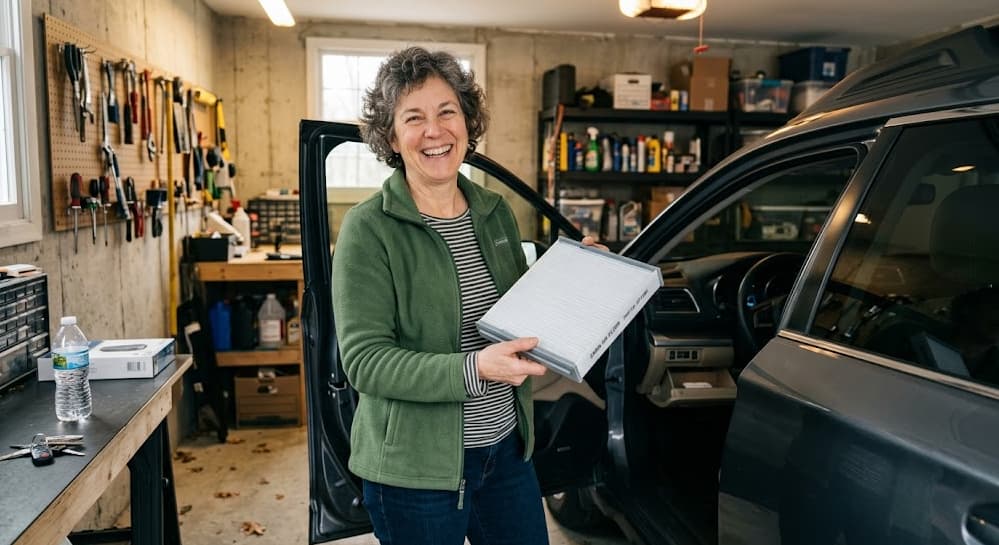
It is easy to assume cabin air filters are just another upsell at the mechanic. You are sitting in the waiting room, and someone hands you a leaf-covered square, asking for an extra fifty bucks.
Ever wonder why your car smells a bit musty after it rains? Or why your vents seem to blow less air than they used to? These are common signs of a dirty filter that drivers often ignore.
So, are cabin air filters worth it? Yes, cabin air filters are worth it for most drivers because they improve interior air quality, reduce dust and allergens, help eliminate odors, and protect your HVAC system from buildup and airflow restrictions.
Let us break down exactly what these filters do and why keeping a clean one in your vehicle is a smart move.
Key Takeaways
Improved Air Quality: Cabin air filters help keep the air inside your vehicle clean by trapping dust, pollen, and other airborne particles.
Health Benefits: A clean filter reduces allergens and improves the breathing environment, especially for those with sensitivities or respiratory conditions.
Odor Control: By filtering out contaminants, cabin air filters can help eliminate unpleasant smells from the air entering your car.
HVAC System Protection: Regularly replacing your cabin air filter prevents buildup and ensures optimal airflow, prolonging the life of your HVAC system.
Cost-Effective Maintenance: Keeping your cabin air filter clean can save you money by preventing unnecessary strain on your air system.
What Does a Cabin Air Filter Actually Do?
Think of a cabin air filter as the lungs of your car's climate control system. It stands between the outside world and the air you breathe inside your vehicle.
How Cabin Air Filters Work
Your car pulls in air from the outside to heat or cool the cabin. Before that air reaches you, it passes through the cabin air filter.
This filter traps unwanted debris so it does not end up in your lungs or on your dashboard. A good filter will catch pollen, dust, mold spores, smoke particles, smog, and even pet dander.
Cabin Air Filter vs Engine Air Filter
People often confuse these two filters, but they serve completely different purposes.
A cabin air filter cleans the air entering your vehicle through the heating and air conditioning system, while an engine air filter protects the engine from dirt and debris. Your car needs both to run smoothly and comfortably.
Do Cabin Air Filters Make a Difference?
You might wonder if changing a piece of pleated fabric actually changes your driving experience. The short answer is yes.
Air Quality Improvements
A fresh filter leads to a noticeable reduction in airborne particles. You will enjoy a cleaner-smelling cabin and less visible dust buildup on your dashboard and console.
Allergy & Respiratory Benefits
If you live in a high-pollen area or deal with urban pollution, a fresh filter is a game-changer. It is also incredibly helpful if you are exposed to wildfire smoke or have a long daily commute. A high-quality cabin air filter may help reduce exposure to these airborne irritants.
Better HVAC Performance
Your heating and air conditioning system works hard to keep you comfortable. A clean filter allows for better airflow. This means faster defrosting in winter and less strain on your blower motor year-round.
Cabin Air Filter Benefits Most Drivers Actually Notice
You do not need to be a mechanic to feel the benefits of a fresh filter. Here are the most common improvements you will notice right away.
Cleaner Air Inside the Vehicle
The air simply feels fresher. You are no longer breathing in the exhaust from the truck idling in front of you.
Reduced Odors From Traffic & Mildew
Old filters trap moisture and bacteria. Replacing yours eliminates that stale, musty smell that happens when you turn on the AC.
Stronger Airflow From Vents
A clogged filter acts like a wall. A new one opens up the airflow, cooling down or heating your car much faster.
Less Dust Settling Inside the Cabin
Notice how quickly dust gathers on your touchscreen? A clean filter catches that dust before it settles inside your car.
Improved Comfort During Allergy Season
Keeping pollen out of your cabin means fewer sneezes and itchy eyes while driving.
Better Defrosting in Cold or Humid Weather
Your defroster relies on strong airflow to clear foggy windows. A clean filter ensures that air hits your windshield with full force.
What Happens If You Never Replace It?
A dirty cabin air filter usually does not fail dramatically. Instead, it slowly makes your vehicle less comfortable.
Weak Airflow
As the filter clogs with dirt, your blower motor has to work twice as hard to push air through. The result is a weak breeze coming from your vents.
Foggy Windows
When airflow drops, your HVAC system struggles to remove moisture from the cabin. This leads to windows that constantly fog up.
Musty Smells
Leaves, bugs, and moisture get trapped in the filter. Over time, this debris rots and pushes a foul smell directly into your face.
Increased HVAC Wear
Making your blower motor work harder generates excess heat. This can lead to premature motor failure, turning a cheap maintenance item into an expensive repair.
Dust & Allergens Circulating Inside
When a filter is totally blocked, contaminated air will find a way around it. This pushes raw dust and allergens right into your car.
How Often Should You Replace a Cabin Air Filter?
Most auto manufacturers recommend replacing your cabin air filter every 12,000 to 15,000 miles, or about once a year.
However, your driving environment matters. You should replace it more frequently if you drive in dusty climates, high pollen regions, or areas prone to wildfire smoke. Heavy urban driving also clogs filters faster due to smog and exhaust soot.
If you notice weak airflow or musty smells, it is time for a change, regardless of your mileage.
Are Expensive Cabin Air Filters Worth It?
Not all filters are created equal. When you shop for a replacement, you will generally choose between a standard filter and a premium HEPA filter.
Standard vs HEPA Cabin Air Filters
| Feature | Standard Filter | HEPA Filter |
|---|---|---|
| Dust capture | Moderate | Excellent |
| Smoke filtration | Limited | Strong |
| Pollen reduction | Basic | Advanced |
| Fine particle capture | Lower | Higher |
| Airflow quality | Varies | Premium-grade |
Standard filters are fine for basic dust. But if you want real protection from microscopic pollutants, upgrading to a HEPA filter is absolutely worth the few extra dollars.
Why Filter Fit Matters More Than Most Drivers Realize
Buying a high-quality filter means nothing if it does not fit properly. Poor fit leads to bypass air.
Bypass air happens when unfiltered air leaks around the edges of a cheap, poorly sized filter. Exact OEM (Original Equipment Manufacturer) tolerances matter. Cheap generic filters often leave gaps, rendering the filter nearly useless.
Recommended HEPA Upgrade Option
Filterbuy auto cabin air filters use HEPA-certified synthetic media to trap 99.97% of airborne particles as small as 0.3 microns, which includes bacteria, pollen, mold spores, smoke, and pet dander.
Every filter is manufactured 100% in the USA to exact OEM tolerances, with advanced hydrocharging technology that permanently magnetizes every fiber for maximum particle capture without restricting airflow.
Available for hundreds of vehicles across all major makes and models, use the vehicle selector at Filterbuy to find the right fit for your car.
What Makes HEPA Cabin Filtration Different?
Our HEPA cabin air filters are designed for maximum performance and convenience. They feature:
HEPA-certified synthetic media
Hydrocharging technology for magnetic particle capture
Exact OEM fit for an airtight seal
Recyclable materials
Tool-free installation for most vehicles
QR code installation instructions right on the box
Subscription availability so you never forget to replace it
So, Are Cabin Air Filters Really Worth It?
For most drivers, replacing a cabin air filter is one of the cheapest ways to improve everyday driving comfort.
It is a low-cost maintenance item that delivers noticeable improvements. You get stronger airflow, better air quality, and protection for your expensive HVAC system. It is especially worthwhile for daily commuters, allergy sufferers, city drivers, and families.
Do your lungs and your car a favor. Upgrade to HEPA cabin filtration and breathe easier on your next drive with Filterbuy filters.
Frequently Asked Questions
Are cabin air filters really necessary?
Yes. Cabin air filters help trap dust, pollen, smoke, and airborne contaminants before they enter your vehicle through the HVAC system.
Do cabin air filters improve AC performance?
A clean cabin air filter can improve airflow through your heating and air conditioning system, especially if the old filter is clogged.
How do I know if my cabin air filter is bad?
Common signs include weak airflow, musty odors, increased dust inside the vehicle, and foggy windows.
Is it okay to drive without a cabin air filter?
Your vehicle may still run normally, but airborne contaminants can more easily enter the cabin, and HVAC components may accumulate more debris over time.
Are HEPA cabin air filters worth it?
HEPA cabin air filters may help capture finer airborne particles than standard filters, including pollen, smoke, and PM2.5 particles.
Can a dirty cabin air filter make your car smell?
Yes. A clogged or damp cabin air filter can contribute to musty odors inside the vehicle.
How long does it take to replace a cabin air filter?
You can replace cabin air filters in under 15 minutes, and many vehicles require no tools.
Do cabin air filters help with allergies?
Cabin air filters may help reduce exposure to pollen, dust, and other airborne particles that can trigger allergy symptoms while driving.