May 19, 2026
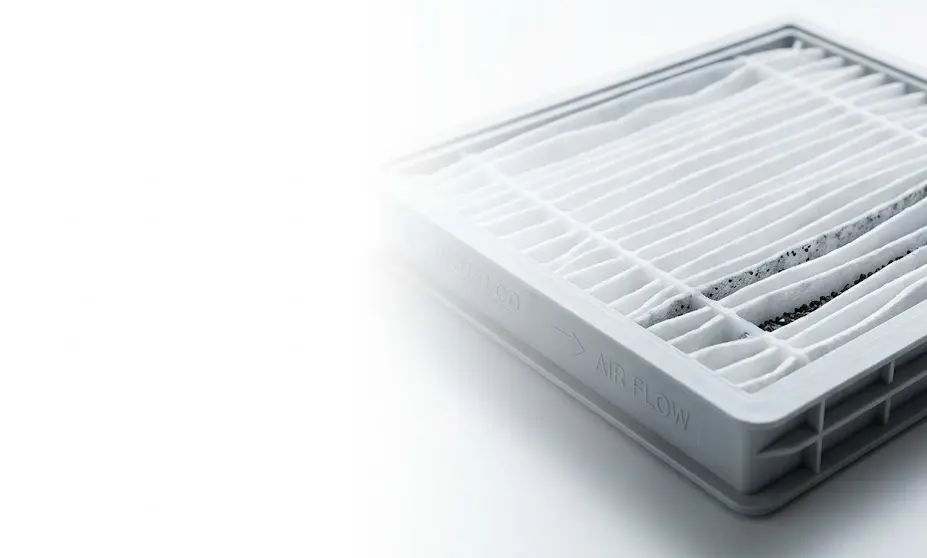
While most drivers know their car has a cabin air filter, many are curious about what it actually does. As you navigate daily commutes, construction zones, and pollen-filled air, your cabin air filter plays a vital role in keeping the air you breathe fresh and clean.
So, what does a cabin air filter do? It depends on the filter type. Standard filters handle the basics, while HEPA filters trap microscopic particles. Let's look at exactly what gets blocked and what sneaks through.
Cabin air filters are essential: They protect the air quality inside your vehicle by filtering out pollutants, allergens, and debris.
Filter types matter: Standard filters capture larger particles, while HEPA filters are more advanced and can trap microscopic contaminants.
Understanding your filter's role: Knowing what your cabin air filter can and cannot block helps you make informed decisions about maintenance and upgrades.
Regular replacement is crucial: A clogged or dirty cabin air filter can reduce its effectiveness, impacting both air quality and your vehicle’s ventilation system.
A cabin air filter filters the air entering your vehicle’s heating and air conditioning system. It helps trap dust, pollen, mold spores, smoke particles, road debris, and other airborne contaminants before they circulate inside the cabin.
This filter acts as a shield for your vehicle's HVAC system. It keeps debris from clogging up your fans and ducts. It also improves your overall comfort and protects the air quality inside your car.
A cabin air filter is an essential component of your vehicle that helps ensure the air you breathe while driving is clean and free of harmful particles. It plays a crucial role in maintaining a healthy, comfortable environment in your car, especially during long journeys or in areas with high air pollution.
Road dust kicks up every time you drive. Construction debris floats through the air on your commute. A good filter catches these fine airborne particles before they coat your dashboard.
Spring allergy season brings a heavy dose of yellow dust. Typical pollen particle sizes range from 10 to 1000 microns. A quality cabin air filter with a pollen and dust barrier traps these allergens easily. Allergy sufferers often notice an immediate benefit from a fresh filter.
Moisture can build up in HVAC systems over time. This leads to mold spores and bacterial growth. If you smell musty odors from your vents, poor air quality is likely the culprit.
Driving near urban traffic pollution exposes you to exhaust fumes. Wildfire smoke or cigarette smoke can also seep into your car. Advanced filters help capture these smoke particles and reduce strong VOCs and odors.
PM2.5 refers to fine particulate matter that is 2.5 microns or smaller. These tiny particles easily bypass cheap filters and travel deep into your lungs. Upgraded filters block PM2.5 particles much more effectively.
Not every filter does the same job. Filter quality determines what actually gets through your vents.
These are basic filters made of plain paper or fabric. They capture larger particles, such as leaves, bugs, dust, and pollen. They do not block gases or tiny smoke particles.
Activated carbon filtration adds a layer of specially treated charcoal. This helps capture odors, exhaust gases, and volatile organic compounds (VOCs). They are highly useful for city driving and heavy traffic.
HEPA filters are the gold standard for clean air. They capture ultrafine particles that other filters miss. They are much better for blocking smoke, PM2.5, and microscopic allergens. Filterbuy auto cabin air filters use HEPA-certified synthetic media to trap 99.97% of airborne particles as small as 0.3 microns.
Yes, a clean filter makes a big difference. It may help reduce exposure to common triggers like pollen, dust, pet dander, and mold spores. They are designed to trap airborne particles that can trigger allergy symptoms.
Does a cabin air filter help allergies disappear completely? No. But it significantly improves the air you breathe while driving.
Even the best filters have limits. Basic filters will not block gases, viruses, or bacteria. Also, an open window bypasses your filtration system instantly.
Poorly fitting filters are another major problem. If a filter does not match exact OEM tolerances, air will sneak around the edges. This is called bypass air. You want an airtight fit to ensure all air passes through the filter media.
Most experts recommend changing your cabin filter every 12,000 to 15,000 miles. You might need more frequent changes if you live in wildfire areas or pollen-heavy regions. Here are the dirty cabin air filter symptoms to watch for.
Weak Airflow
A clogged filter restricts airflow through your vents. If your AC feels weak, check the filter first.
Musty Smells
Trapped moisture and organic debris cause bad odors. A sour or musty smell usually means mold is growing on the filter.
Foggy Windows
Poor airflow prevents your defroster from clearing condensation. If your windows stay foggy, your filter might be choked with dirt.
More Dust Inside the Cabin
Notice a thick layer of dust on your dashboard? Your filter is likely full, allowing dirt to bypass the system.
Worsening Allergy Symptoms
If you sneeze every time you turn on the AC, your filter is no longer effectively trapping pollen.
Cheap filters often use thin materials that tear easily. They lack the density required to capture small particles. A poor fitment causes bypass air, making the filter nearly useless.
Higher-quality filters prevent pressure drops and airflow restriction. Look for features such as exact OEM fit, USA-made manufacturing, and advanced hydrocharging technology. Most cabin air filters catch the obvious stuff. Filterbuy goes further.
Filterbuy auto cabin air filters use HEPA-certified synthetic media to trap 99.97% of airborne particles as small as 0.3 microns, including bacteria, pollen, mold spores, smoke, and pet dander.
Every filter is manufactured 100% in the USA to exact OEM tolerances, with advanced hydrocharging technology that permanently magnetizes every fiber for maximum particle capture without restricting airflow. Available for hundreds of vehicles across all major makes and models, use the vehicle selector at filterbuy.com to find the right fit for your car.
Tool-free installation
QR code instructions
Subscription option
Free 2-day shipping
Multi-pack options
Find the right HEPA cabin filter for your vehicle today.
Cabin air filters do a lot of heavy lifting. They block way more than just road dust. Filter quality significantly affects indoor air quality. HEPA and activated carbon filters offer broader protection for you and your passengers.
Routine replacement matters. Don't wait until your car smells musty to make a change. Check Filterbuy for a compatible filter for your car and breathe easier on your next drive.
It filters the air coming through your vehicle’s HVAC system. It traps dust, pollen, and debris before they enter the cabin.
Yes. Standard and premium filters are designed to capture both dust and pollen particles effectively.
Standard filters cannot. You need an activated carbon or HEPA filter to effectively block tiny smoke particles and odors.
They do. By trapping pollen, pet dander, and mold spores, they help reduce exposure to common allergens inside your car.
A HEPA filter captures 99.97% of airborne particles down to 0.3 microns. This includes PM2.5, smoke, bacteria, and ultrafine dust.
Check your owner's manual, but generally every 12,000 to 15,000 miles. Replace it sooner if you drive in heavy traffic or dusty areas.
It will clog completely. This causes weak AC airflow, bad odors, and puts excess strain on your blower motor.
Yes. A clogged filter severely restricts airflow, forcing your AC to work much harder to cool your car's interior. This reduced efficiency can lead to a noticeable decrease in cooling performance and put extra strain on the entire AC system.
Standard filters struggle with PM2.5. HEPA cabin filters are highly effective at capturing these fine particles.
Standard filters catch large debris like leaves and dust. HEPA filters capture microscopic particles, including smoke and bacteria.
