May 19, 2026
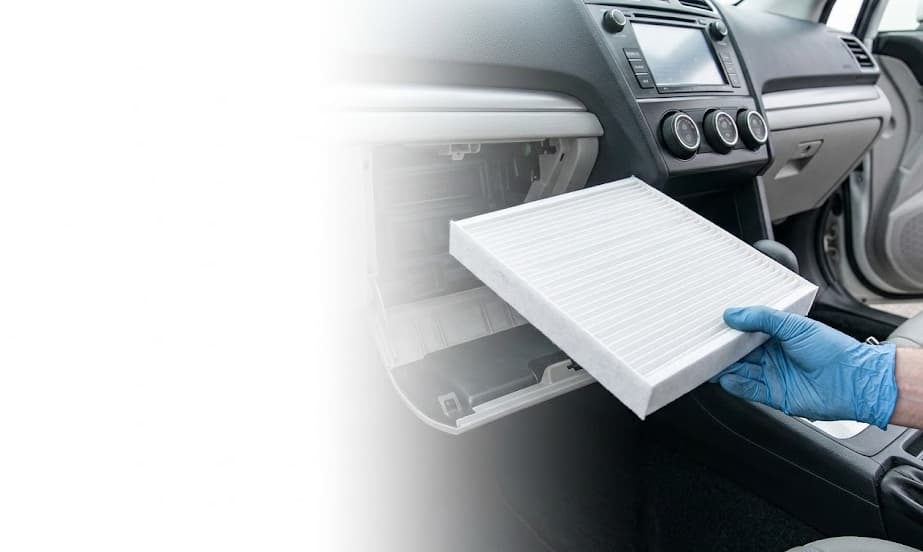
Ever notice a funky smell from your car's AC? Or a windshield that won't defog? You might have a dirty cabin air filter.
While most drivers are diligent about oil changes and tire rotations, the cabin air filter is often overlooked.
So, what is it? It's a small filter in your dashboard that cleans the air that blows through your vents.
If you've never checked yours, you're not alone. Let's look at what this filter does, why it matters, and how replacing it can improve your daily drive.
A cabin filter is a small filter that cleans the air entering your car's cabin, trapping dust, pollen, and other pollutants.
A clean filter means healthier air to breathe inside your car and helps your AC and heating systems run more efficiently.
Most manufacturers suggest replacing cabin air filters every 12,000 to 15,000 miles to keep the air fresh and your vents clear.
Replacing these filters can lead to cleaner air, fewer allergens, better airflow, and a more pleasant driving experience overall.
A cabin air filter is a vital piece of your vehicle’s heating, ventilation, and air conditioning (HVAC) system. Its main job is very simple. It cleans the outside air before it blows into your car.
As you drive, fresh air gets pulled into the cabin. This air passes through a tightly pleated material that catches unwanted debris.
Your filter regularly traps:
Dust and loose dirt
Pollen and seasonal allergens
Mold spores
Exhaust fumes and thick smog
Road debris and tiny pollutants
Think of it as the lungs of your car’s interior. Your engine air filter keeps the engine running smoothly. Meanwhile, your vehicle cabin air filter keeps you and your passengers breathing comfortably.
Automakers usually hide these filters in clever spots. Most cabin air filters are located in places like:
Directly behind the glove box
Tucked under the dashboard
Near the windshield cowl beneath the hood
Because it stays securely tucked away, many drivers do not even realize it exists. This hidden location is the biggest reason the filter gets totally ignored.
At a basic level, a cabin air filter forces incoming air through a synthetic medium. This material captures harmful particles before they ever enter the cabin.
Here is what that means for your daily driving experience:
Cleaner air while driving: This is incredibly helpful in heavy traffic, dense cities, or dusty rural environments.
Better protection from allergens: A clean filter is a lifesaver if you deal with sneezing, itchy eyes, or chronic sinus issues.
Reduced exposure to pollution: High-quality filters help block harmful particles from thick exhaust and smog.
Improved HVAC performance: A fresh filter keeps airflow from your air conditioner and heater strong and consistent.
Some higher-end filters also include activated carbon. This extra layer helps reduce nasty odors from heavy traffic, cigarette smoke, and musty outside air.
This is where many drivers get easily confused. Your vehicle actually uses two completely different air filters.
Engine air filter
This protects your engine. It cleans the outside air used in internal combustion engines, keeping dirt out of your engine block.
Cabin air filter
This protects you. As it cleans the air you breathe inside the car.
Both filters are incredibly important for your vehicle. However, they serve completely different purposes and require separate replacements.
Even though it plays a major role in your comfort and health, the cabin air filter is highly overlooked. Here are the main reasons why drivers skip this easy maintenance step.
Since it stays hidden behind plastic panels or the glove box, you never actually look at it. It is very easy to forget it exists.
Unlike a sudden flat tire or a dead car battery, a dirty filter does not fail all at once. Airflow gradually weakens over many months, and odors slowly build up.
Drivers naturally prioritize oil changes and brake pads. A cabin air filter often feels optional, even though it directly affects your personal air quality.
Cabin air filters only became a standard feature in most vehicles in the early 2000s. Many older drivers simply never built the habit of replacing them.
Ignoring your cabin air filter leads to more than just a slightly stuffy car interior. A clogged filter causes several frustrating issues.
Reduced airflow
A badly clogged filter makes it much harder for air to pass through. This significantly weakens the performance of your AC and heater.
Poor air quality
Dust, allergens, and local pollutants can quickly build up inside your car. This is especially true when you drive with the windows completely closed.
Unpleasant odors
Musty or stale smells usually come from a dirty, moisture-filled filter.
Increased strain on your HVAC system
Your blower motor has to work much harder to push air through a dirty filter. This reduces fuel efficiency and leads to expensive mechanical wear over time.
Most major automakers recommend replacing your cabin air filter at a specific interval. Check your owner's manual, but generally, you should replace it every:
12,000 to 15,000 miles, or
Once a full calendar year
You may need to replace the filter much sooner if you:
Drive in heavy bumper-to-bumper traffic or polluted urban areas
Live in a dusty environment with dirt roads
Have severe seasonal allergies or respiratory sensitivities
Notice suddenly weak airflow or terrible odors
Watch out for these very common warning signs:
Unusually weak airflow coming from the dashboard vents
Musty, sour, or generally unpleasant smells
A sudden increase in dust coating your dashboard and interior
More frequent allergy symptoms while you are driving
Foggy windows that take much longer to clear up
If you notice one or more of these obvious issues, your filter is likely overdue for a quick change.
In most modern vehicles, replacing a cabin air filter is very straightforward. It usually requires:
No heavy tools
5 to 15 minutes of your time
No prior mechanical experience
Many drivers can easily do it themselves. You just access the plastic housing behind the glove box, slide out the old filter, and swap in the new one.
If you are upgrading your filter, you should definitely look at higher-efficiency options. You want something that actually protects your lungs.
Filterbuy auto cabin air filters use HEPA-certified synthetic media to trap 99.97% of airborne particles. They easily catch particles as small as 0.3 microns. That includes dangerous bacteria, heavy pollen, mold spores, smoke, and stubborn pet dander.
Every filter is manufactured 100% in the USA to exact OEM tolerances. We use advanced hydrocharging technology that permanently magnetizes every single fiber. This ensures maximum particle capture without ever restricting your daily airflow. We carry sizes for hundreds of vehicles across all major makes and models.
This means vastly better air quality inside your car, without sacrificing your AC power.
A cabin air filter is incredibly easy to ignore because you never see it. But you absolutely feel it every single time you drive.
Taking a few minutes to swap it out provides cleaner air, better airflow, and much more comfortable rides. For a part that costs far less than major mechanical repairs, it delivers a surprisingly high return on your investment.
So, grab a fresh filter from Filterbuy today.
A cabin air filter cleans the outside air entering your car. It safely traps dust, heavy pollen, pollutants, and other airborne particles before they ever reach the main cabin.
Yes. It drastically improves the overall air quality inside your vehicle. It also helps your entire HVAC system run smoothly and efficiently.
Common signs include noticeably weak airflow, bad odors, increased interior dust, and sudden allergy symptoms while driving.
You technically can, but it is highly recommended that you do not. Without it, raw dust, outside debris, and heavy pollutants enter your car directly and can permanently damage your HVAC blower motor.
Standard paper filters typically range from $20 to $50. Higher-efficiency options like HEPA filters can cost slightly more depending on the exact filtration level and specific vehicle model.
