
5 Signs Your Cabin Air Filter Needs Replacing | Filterbuy
May 19, 2026
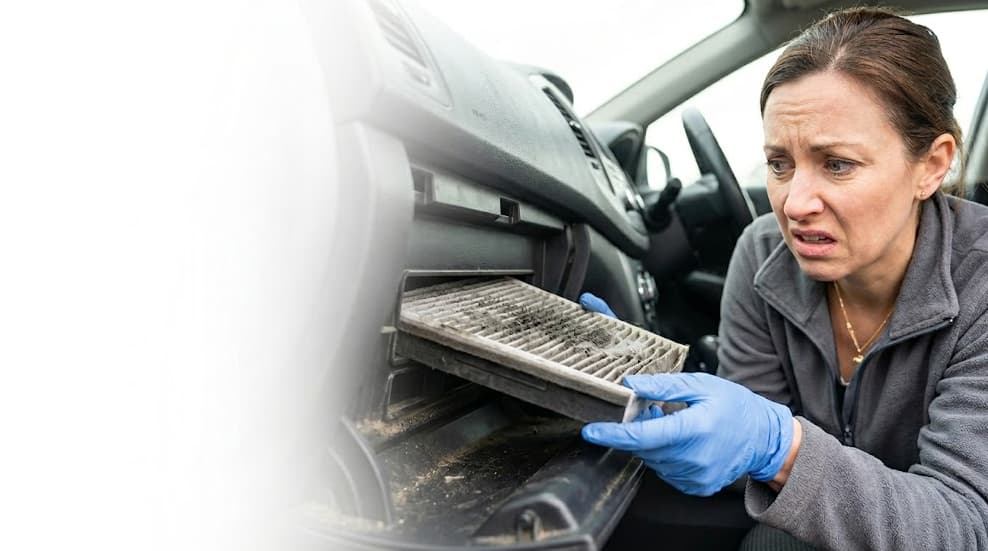
You turn your car's air conditioning on full blast, but you barely feel a breeze. Or worse, a musty smell hits you the second the fan starts spinning. If this sounds familiar, your cabin air filter likely needs to be replaced.
This small but mighty filter is crucial for keeping your car's air fresh and clean. When it gets clogged with dust and debris, you'll notice issues like weak airflow, strange odors, and foggy windows. A dirty filter also forces your car's HVAC system to work harder, which can lead to costly repairs.
Most drivers should replace their cabin air filter every 12,000 to 30,000 miles, but how do you know for sure? Here are the top five signs to watch for.
Key Takeaways
Essential Component: The cabin air filter plays a vital role in maintaining clean air inside your vehicle and ensuring your comfort.
Signs of Wear: Weak airflow, unusual odors, and foggy windows are common indicators of a clogged filter.
Regular Maintenance: Replace your cabin air filter every 12,000 to 30,000 miles to prevent HVAC strain and costly repairs.
Preventative Action: Keeping an eye out for these signs will help you address issues early and maintain your vehicle's performance.
Why Your Cabin Air Filter Matters More Than You Think
Your cabin air filter acts as a shield between the outside world and the air inside your car. As you drive, your vehicle pulls in outside air for heating and cooling. This air is full of dust, pollen, exhaust fumes, and road debris.
The filter traps these pollutants before they reach your lungs. This greatly improves the air quality inside your vehicle. It is especially important for allergy sufferers and anyone who spends a lot of time stuck in traffic.
Beyond your health, the filter protects your car's HVAC system. A clean filter allows air to flow freely. This keeps your air conditioning and heater running efficiently without straining the blower motor.
5 Signs Your Cabin Air Filter Needs to Be Replaced
Are you experiencing symptoms of a bad cabin air filter? Look out for these five common warning signs.
1. Weak or Reduced Airflow From Vents
You set the fan to high, but the air feels incredibly weak. This is usually the very first symptom drivers notice.
A clogged filter physically blocks airflow into the cabin. This weak airflow from car vents makes it much harder to cool down your car on a hot summer day. If your fan sounds like it is working hard but little air is coming out, check your filter.
2. Musty or Moldy Smells From the A/C
Does it smell like dirty gym socks when you turn on the air? A musty smell from your car's AC is a massive red flag.
Over time, your filter traps organic material, such as leaves, dust, and moisture. This creates the perfect breeding ground for mold and mildew. If your car's AC smells bad every time you start the engine, a saturated cabin filter is almost always the culprit.
3. Foggy Windows That Take Longer to Clear
Reduced airflow does not just make you uncomfortable. It can actually become a safety hazard.
Your car relies on strong airflow to clear condensation off the windshield. If your windows fog up easily and take a long time to defrost, a dirty filter may be restricting airflow. Clear visibility is crucial, making this a symptom you should never ignore.
4. Loud or Unusual Fan Noises
Listen closely to your vents when you turn up the fan speed. Do you hear a high-pitched whistling or a loud humming sound?
When a filter is severely clogged, the blower motor has to work much harder to push air through the debris. This strain often creates unusual noises. It is a sign that your HVAC system is struggling to breathe.
5. Increased Allergy Symptoms While Driving
Your car should be a safe haven from outdoor allergens. If you find yourself sneezing, coughing, or dealing with itchy eyes during your commute, your filter is failing.
A filter clogged with dirt can no longer trap particles effectively. In some cases, it might even blow trapped pollen and dust back into the cabin.
How Often Should You Replace Your Cabin Air Filter?
The standard cabin air filter replacement interval is every 12,000 to 15,000 miles, or about once a year. Some manufacturers allow up to 30,000 miles under ideal driving conditions.
However, your driving environment plays a massive role in filter lifespan. You will need shorter intervals if you regularly drive in:
Dusty or rural environments.
Areas with very high pollen counts.
Heavy stop-and-go city traffic with lots of exhaust fumes.
When in doubt, pull the filter out and hold it up to a light. If light cannot easily pass through the material, it is time for a replacement.
What Happens If You Don’t Replace It?
Ignoring a dirty filter causes a domino effect of problems. First, you will experience poor air quality and worsened allergy symptoms.
Next, your HVAC system will suffer. The restricted airflow forces the blower motor to work incredibly hard. This constant strain can cause the motor to burn out entirely. Replacing a blower motor is far more expensive than buying a simple air filter.
Ready to Replace Your Cabin Air Filter?
If you are noticing any of these signs, it is time for an upgrade. Filterbuy auto cabin air filters use HEPA-certified synthetic media to trap 99.97% of airborne particles as small as 0.3 microns. This includes bacteria, pollen, mold spores, smoke, and pet dander.
Every filter is manufactured 100% in the USA to exact OEM tolerances. We use advanced hydrocharging technology that permanently magnetizes every fiber to capture more particles, all without restricting your airflow.
They are available for hundreds of vehicles across all major makes and models. Use the vehicle selector at filterbuy.com to find the perfect fit for your car.
Why Upgrade to a HEPA Cabin Air Filter?
Standard paper filters only catch large dust and debris. A HEPA cabin air filter captures much finer microscopic particles. It significantly reduces your exposure to allergens and harsh pollutants while maintaining the optimal airflow your HVAC system needs.
Upgrade to a HEPA cabin air filter today and experience cleaner, fresher air in your vehicle. Visit Filterbuy to find the perfect fit for your car!
Frequently Asked Questions
How do I know if my cabin air filter is bad?
Look for weak airflow from your vents, musty or moldy smells, loud fan noises, and increased allergy symptoms. Foggy windows that clear very slowly are another strong indicator.
What happens if you don’t replace your cabin air filter?
Failing to replace it leads to poor air quality and restricted airflow. This puts intense strain on your AC and heating system, which can eventually cause expensive blower motor failure.
Can a dirty cabin air filter affect AC performance?
Yes. A clogged filter blocks air from flowing freely into the cabin. This makes your AC feel weak and forces the system to work harder to cool the vehicle.
How long does a cabin air filter last?
Most cabin air filters last between 12,000 and 30,000 miles, or about one year. Driving in dusty areas or heavy traffic will shorten the filter's lifespan.
Can a cabin air filter cause a bad smell in my car?
Absolutely. Trapped moisture, dirt, and leaves can grow mold and mildew inside the filter. This causes a musty, dirty smell whenever the fan is turned on.