
Everett Real-Time AQI Tracker


Get Alerts For Unhealthy AQI In Your Area
When air quality in your area reaches unhealthy levels, we'll send you a quick alert, along with expert tips on how to reduce your exposure.
What's Actually In Everett Air Today?
What High AQI Means for Your Lungs in Everett
How to Read AQI
The Air Quality Index (AQI) measures how polluted the air is and how it may affect your health.
0–50 (Good): Air quality is satisfactory.
51–100 (Moderate): Acceptable, but some pollutants may pose minor concerns.
101–150 (Unhealthy for Sensitive Groups)
151–200 (Unhealthy)
201–300 (Very Unhealthy)
301+ (Hazardous)
Moderate
Still okay for most, but if you have asthma or allergies, take it easy and avoid long outdoor workouts.
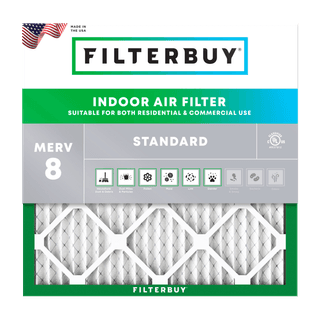
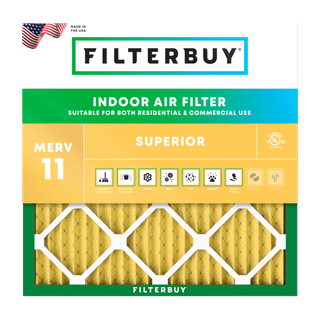
Shop MERV 11 filters→What's the Right Filter for Your AQI Level?
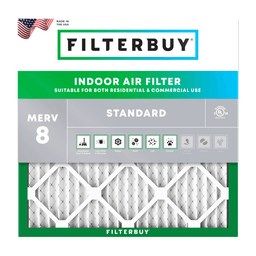
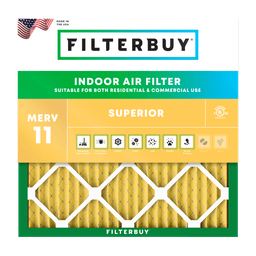
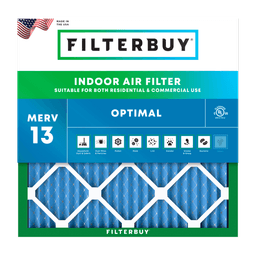


Check Today's Live Real Time Air Quality Index AQI Map in Everett, WA Now
TL;DR
The live map on this page shows Everett's current AQI and the pollutant behind it. Most days are Good or Moderate. Bad days come from wildfire smoke on east winds in late summer and fall, or wood smoke trapped by still winter air. At AQI 100 or higher, follow PSCAA and AirNow guidance, close up, and use both filtration layers below.
Key Takeaways
In State of the Air 2026, Snohomish County had the metro's worst short-term particle pollution: 11.3 unhealthy days a year (F).
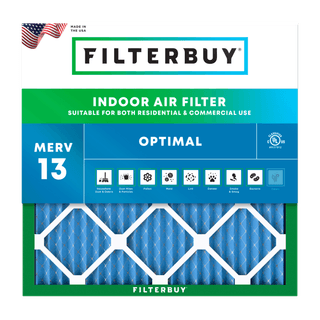
When the AQI reaches 100, Filterbuy recommends two layers: MERV 13 in the HVAC with the fan set to On, plus a portable HEPA air cleaner in each occupied room.
Filterbuy's view: Everett needs smoke-season readiness, not a year-round upgrade.
Reading the Everett AQI Map: What the Number and Color Tell You
The big number on the map is the U.S. Air Quality Index (AQI), the EPA's 0 to 500 health scale, where higher means dirtier.
Next, check the dominant pollutant. In Everett it is usually PM2.5, the fine particles in smoke and exhaust, though ozone can take over on hot summer days. The AQI reports the single worst pollutant, not an average, so one bad reading sets the color. Filterbuy's guide to how the Air Quality Index is calculated walks through the math.
Finally, scan the station dots. Paine Field and the waterfront can read differently while a plume passes, so trust the trend and cross-check the AirNow Fire and Smoke Map. For nearby areas, see the Seattle AQI map and Washington AQI map.
What Each AQI Level Means for Your Day in Everett
Each color lines up with an EPA PM2.5 range. A May 2024 update lowered the top of Good from 12.0 to 9.0 µg/m³.
Source: U.S. EPA AQI categories and 2024 PM2.5 breakpoints. The action column is Filterbuy guidance, not EPA guidance.
Is the Air Quality Bad in Everett Today?
It depends on the color showing now. Green or yellow is fine for nearly everyone; orange calls for precautions by sensitive groups; red or worse means everyone limits time outdoors. With asthma, COPD, or heart disease, follow your provider and official guidance.
Filterbuy's AQI 100 Action Line
At AQI 100, Filterbuy recommends four steps. That's still the top of EPA's Moderate range; it's where we tell customers to act.
MERV 13 in the HVAC. This is the whole-home layer.
Thermostat fan set to On. Auto filters only while heating or cooling; On filters continuously.
A portable HEPA air cleaner in each occupied room, bedrooms first.
The house closed up. Shut windows and doors, and skip candles, frying, smoking, and vacuuming without a HEPA vacuum.
At 201 or higher, follow AirNow and PSCAA guidance first. Filtration is one layer, not the whole answer.
Why Everett's AQI Can Lag or Look Wrong
The number sometimes trails what you see and smell. Two reasons explain the gap:
Smoothing. AirNow's NowCast method blends recent hours of PM2.5, so you may smell a Cascade plume before the AQI catches up.
New monitoring. Washington's Department of Ecology added a regulatory PM2.5 monitor at Everett-Beverly Park Rd in 2024–2025, per its 2025 Everett Community Report. Sensors on the Puget Sound Clean Air Agency's fine particle sensor map respond faster but are less precise.
Where to Check Everett's Air Quality Forecast and Alerts
For the official daily forecast, start with the Puget Sound Clean Air Agency (PSCAA), the regional air regulator. Also bookmark:
Snohomish County's Public Safety Hub smoke page, with health guidance and a list of clean-air centers.
Washington Smoke Information, a multi-agency smoke forecast blog covering the whole state.
What an Air Quality Alert or Burn Ban Means for Your Day
An Air Quality Alert means unhealthy PM2.5 is forecast, so close up early. In winter, cold, stagnant air traps wood smoke, and PSCAA calls air quality burn bans. In Snohomish County, Stage 1 starts when PM2.5 is forecast to top a 30 µg/m³ daily average within 72 hours; it bars fireplaces, uncertified stoves, and outdoor fires. Stage 2 adds certified and pellet stoves. Check current burn ban status before lighting a fire.
What Pollutes Everett's Air, and Where It Comes From
Fine particles are the main concern, and Ecology lists Everett among 16 Washington communities overburdened by air pollution. Four sources drive most of it:
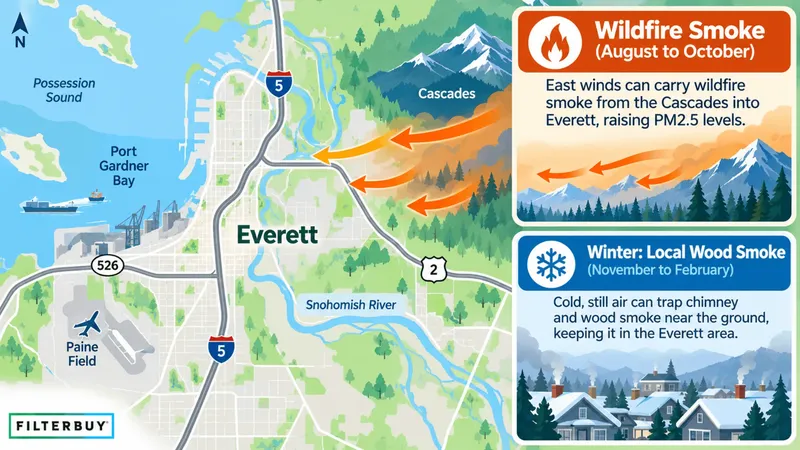
Wildfire smoke, which drives most of Everett's worst days, usually from August through October.
Wood smoke from stoves and fireplaces, which builds up on cold, still winter nights.
Traffic and diesel along I-5, US 2, and SR 526. PSCAA estimates diesel exhaust drives over 70% of the region's potential cancer risk from air pollution.
Industry, led by Boeing's Everett plant, a listed criteria pollutant source.
How Everett's Air Stacks Up Against Other Cities
In the American Lung Association's State of the Air 2026, Everett shows clean everyday air but smoke spikes among the nation's worst.
Sources: American Lung Association, State of the Air 2026; Washington State Department of Ecology, 2025 Everett Community Report.
Wildfire Smoke Season in Everett: When East Winds Bring the Haze
Everett's worst air usually arrives on an east wind. Marine air off Puget Sound normally keeps smoke away, but offshore winds carry Cascade and Eastern Washington smoke west toward I-5. Filterbuy's quick check: when fires are burning and the forecast turns to east winds, close up and run the fan On until west winds return. Recent events:
Sources: The Everett Herald (Aug 5, 2026; Oct 15, 2022); KIRO 7 (Sept 21, 2022).
No Ducts? Protecting an Everett Home Without Central HVAC
Without ducts, there is no filter slot, so portable HEPA air cleaners are your primary defense, not a supplement. Baseboard heaters and mini-splits don't filter the whole house. Protect one room at a time:
Make a cleaner-air room. Pick the bedroom where you sleep and keep its window and door shut.
Size a portable HEPA cleaner to that room. The EPA's sizing chart calls for a smoke CADR of at least two-thirds of the floor area, so a 300-square-foot bedroom needs a CADR of about 200. Skip ionizers and ozone generators, which EPA advises against.
Add a box-fan filter as a stopgap. EPA research found a box fan with a MERV 13 filter reduces smoke indoors. Use a certified fan made in 2012 or later, and don't leave it running unattended. It doesn't replace a certified air cleaner.
Filterbuy doesn't sell portable air cleaners, but here one is the right first purchase.
Filterbuy's Take: In Everett, Readiness Beats Reaction
Filterbuy has manufactured HVAC filters in U.S. plants since 2013. Everett's air stays clean most of the year and turns smoky in short, predictable stretches, so we plan by season, not by day.
For Everett homes, the smart filter move happens before smoke season: have the right size on the shelf by the first east wind of August.
Michelle Wan, Brand Manager and Air Quality Writer, Filterbuy
Filterbuy's Everett Air Calendar: What to Do and When
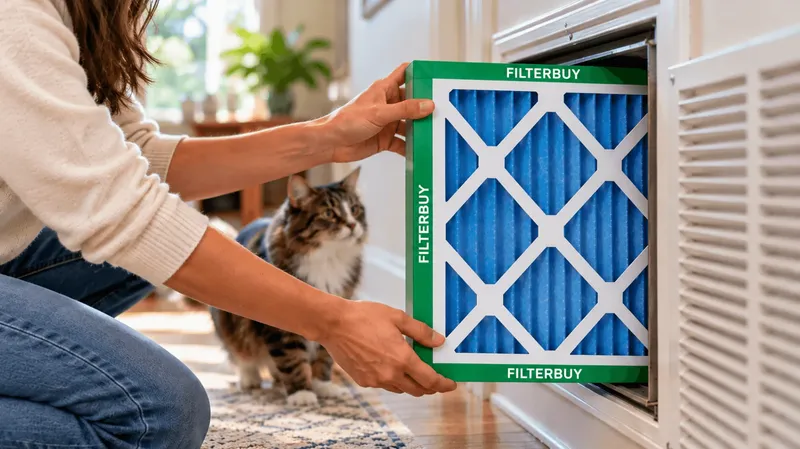
Most furnaces and HVAC systems can use MERV 13 without equipment problems when the filter is replaced often, according to the EPA. Just confirm the fit. Pleated filters capture particles, not gases, so they won't remove smoke odor; for household odors, see Filterbuy's Odor Eliminator line and MERV rating chart.
From Filterbuy's production line: the mistake we see most often involves size, not MERV rating. A slightly small filter lets air slip past the frame unfiltered.
Before smoke season, find MERV 13 in your exact size among Filterbuy's 600+ American-made MERV 13 air filters, and keep a spare coming with free-shipping auto-delivery.
Supporting Statistics: The Research Behind This Page
PM2.5 takes a measurable toll in Everett.
Ecology estimates long-term PM2.5 is linked to about 20 adult deaths a year (ages 18 to 84) in its Everett study area.
A few smoke weeks carry most of the risk.
Snohomish County logged 6 Unhealthy days and 1 Very Unhealthy day in 2020.
That September, wildfire smoke pushed every Puget Sound monitor to harmful levels on 12 days.
Source: PSCAA 2020 Data Summary
Why it matters: Smoke loads filters fast. EPA advises keeping extra filters on hand and replacing them when they look dirty.
Your HVAC filter sits idle most of the time.
Home heating and cooling systems typically run less than 25% of the time in season.
Why it matters: Setting the fan to On during smoke events keeps air moving through the filter.
Everett Air Quality FAQs
What Is the Air Quality in Everett Today?
Check the live map at the top of this page, then match its color to the levels table.
What Is Everett's PM2.5 Level Right Now?
When PM2.5 is dominant, the map shows its reading. Under the EPA's current scale, 9.0 µg/m³ or less over 24 hours is Good.
What MERV Rating Do I Need for Wildfire Smoke in Everett?
MERV 13. EPA recommends a MERV 13 or higher filter in a central HVAC system during smoke events. Filterbuy recommends making the switch when the AQI reaches 100.
When Is Wildfire Smoke Season in Everett?
Smoke most often reaches Everett from August through October, usually on east winds. Have MERV 13 installed and a spare on hand by July.
Who Issues Air Quality Alerts and Burn Bans in Everett?
The Puget Sound Clean Air Agency forecasts Everett's air quality and calls burn bans for Snohomish County. The National Weather Service issues Air Quality Alerts with the agency.
Everett Air Quality Glossary
AQI (Air Quality Index): The EPA's 0 to 500 health-based air quality scale.
PM2.5: Airborne particles 2.5 micrometers or smaller; the main pollutant in smoke.
NowCast: The EPA method that weights recent hours for a near-real-time AQI.
PSCAA (Puget Sound Clean Air Agency): Forecasts air quality and calls burn bans for Snohomish County.
MERV (Minimum Efficiency Reporting Value): A 1 to 16 rating of how well an HVAC filter captures particles.
HEPA: Captures at least 99.97% of 0.3-micron particles; used in portable air cleaners, not home HVAC.
CADR (clean air delivery rate): Filtered airflow from a portable cleaner, in cubic feet per minute.