
San Francisco Real-Time AQI Tracker


Get Alerts For Unhealthy AQI In Your Area
When air quality in your area reaches unhealthy levels, we'll send you a quick alert, along with expert tips on how to reduce your exposure.
What's Actually In San Francisco Air Today?
What High AQI Means for Your Lungs in San Francisco
How to Read AQI
The Air Quality Index (AQI) measures how polluted the air is and how it may affect your health.
0–50 (Good): Air quality is satisfactory.
51–100 (Moderate): Acceptable, but some pollutants may pose minor concerns.
101–150 (Unhealthy for Sensitive Groups)
151–200 (Unhealthy)
201–300 (Very Unhealthy)
301+ (Hazardous)
Moderate
Still okay for most, but if you have asthma or allergies, take it easy and avoid long outdoor workouts.
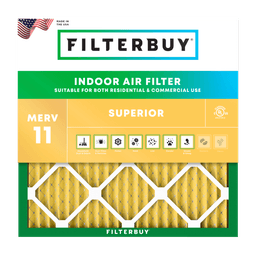
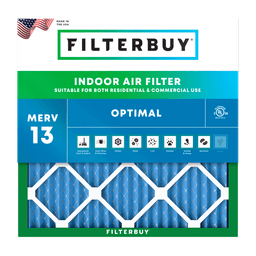
Shop MERV 11 filters→What's the Right Filter for Your AQI Level?


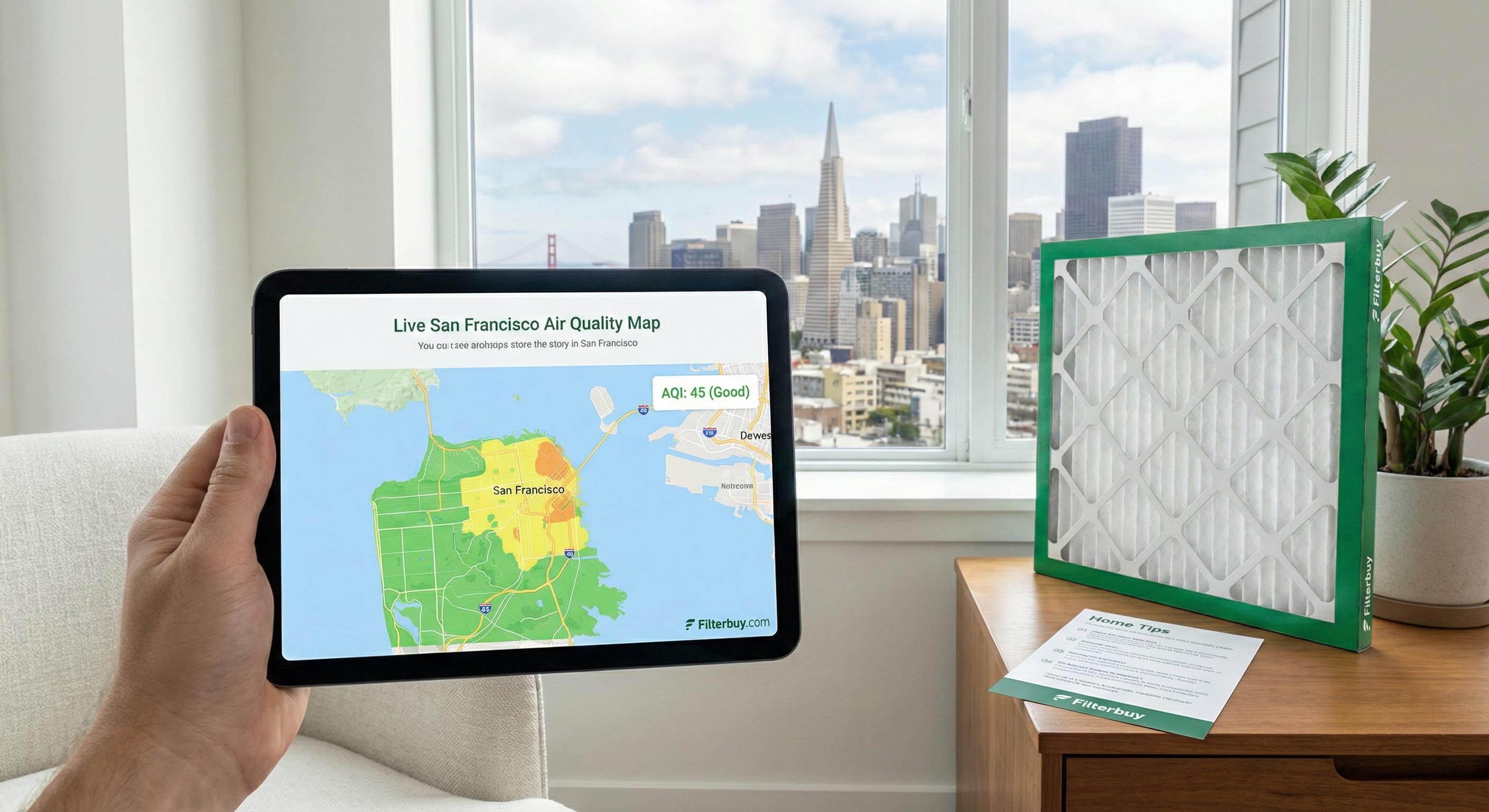
Check Today's Live Real Time Air Quality Index AQI Map in San Francisco, CA Now
San Francisco’s air can shift quickly with wildfire smoke and warm afternoons that raise ozone. Check the live AQI map for your block and a few nearby spots, so you can plan well before the numbers increase.
Live Air Quality Index (AQI) Map Now Today – San Francisco, CA
Current San Francisco AQI: San Francisco's Air Quality Index is currently rated Good, though conditions fluctuate throughout the day based on weather, traffic, and seasonal factors.
Where to Check Live AQI Maps:
AirNow.gov – EPA's official real-time monitoring
IQAir.com – Global air quality tracking with forecasts
BAAQMD.gov – Bay Area Air Quality Management District local data
What This Means for Your Home:
Even when outdoor air quality reads "Good," indoor air can be 2-5x more polluted due to trapped particles from cooking, pets, dust, and HVAC systems recirculating contaminants.
Quick Indoor Air Action Steps:
Check your HVAC filter monthly—a clogged filter works harder and filters less
During Spare the Air alerts, keep windows closed and run your HVAC to filter indoor air
Upgrade to a MERV 11 or MERV 13 filter for better particle capture during poor outdoor air days
Pro tip: Your HVAC system is your first line of defense against outdoor pollution entering your home. A quality air filter does the heavy lifting—so you can breathe easier inside, no matter what the AQI says outside.
Key takeaways
Check the live AQI for your block and the rest-of-day outlook before planning outdoor time.
Drift smoke and ozone spikes can happen fast. Conditions differ by neighborhood and hour.
Indoors: seal up, recirculate, and run a HEPA purifier in the main room.
Use the highest MERV your system supports. Consider MERV 13 on heavy smoke days if airflow stays normal). Filterbuy’s US-made pleated filters with custom sizes and free shipping make timely swaps easier.
Do a quick wipe-down and filter check after conditions improve.
The Bay Area still ranks high for ozone and particles; steady habits at home help reduce exposure.
What’s been driving Bay Area air lately
Wildfire smoke from outside the region can drift in. In late September 2025, smoke from Oregon’s Moon Complex Fire mixed into the marine layer and pushed an advisory for the Bay Area. Officials noted conditions can shift quickly and not all smoke reaches the ground. The EPA recommends using a MERV 13 filter (like that from Filterbuy) to remove even small particles in wildfire smoke.
Northern California fires have triggered repeated advisories. In July 2025, smoke from the Orleans Complex and Green fires moved down the Sacramento Valley, with the air district warning that ground-level impacts vary by location and hour.
Ozone and particle pollution remain regional challenges. The American Lung Association ranks the Bay Area among the nation’s worst metros for ozone and annual particle pollution, with county grades varying across the region.
Quick check, then plan your day
Check your location and a few nearby spots. Readings can differ across short distances.
Look at “Now” and the hourly outlook. If numbers trend upward, shorten outdoor time or move strenuous activity inside.
Close windows, set HVAC to recirculate, and run the central fan so air passes the filter more often. Use the highest MERV your system supports (often MERV 11–13 during smoke). If you need a non-standard size, Filterbuy offers custom cuts for a snug fit. Add a HEPA room purifier in the bedroom or main living space.
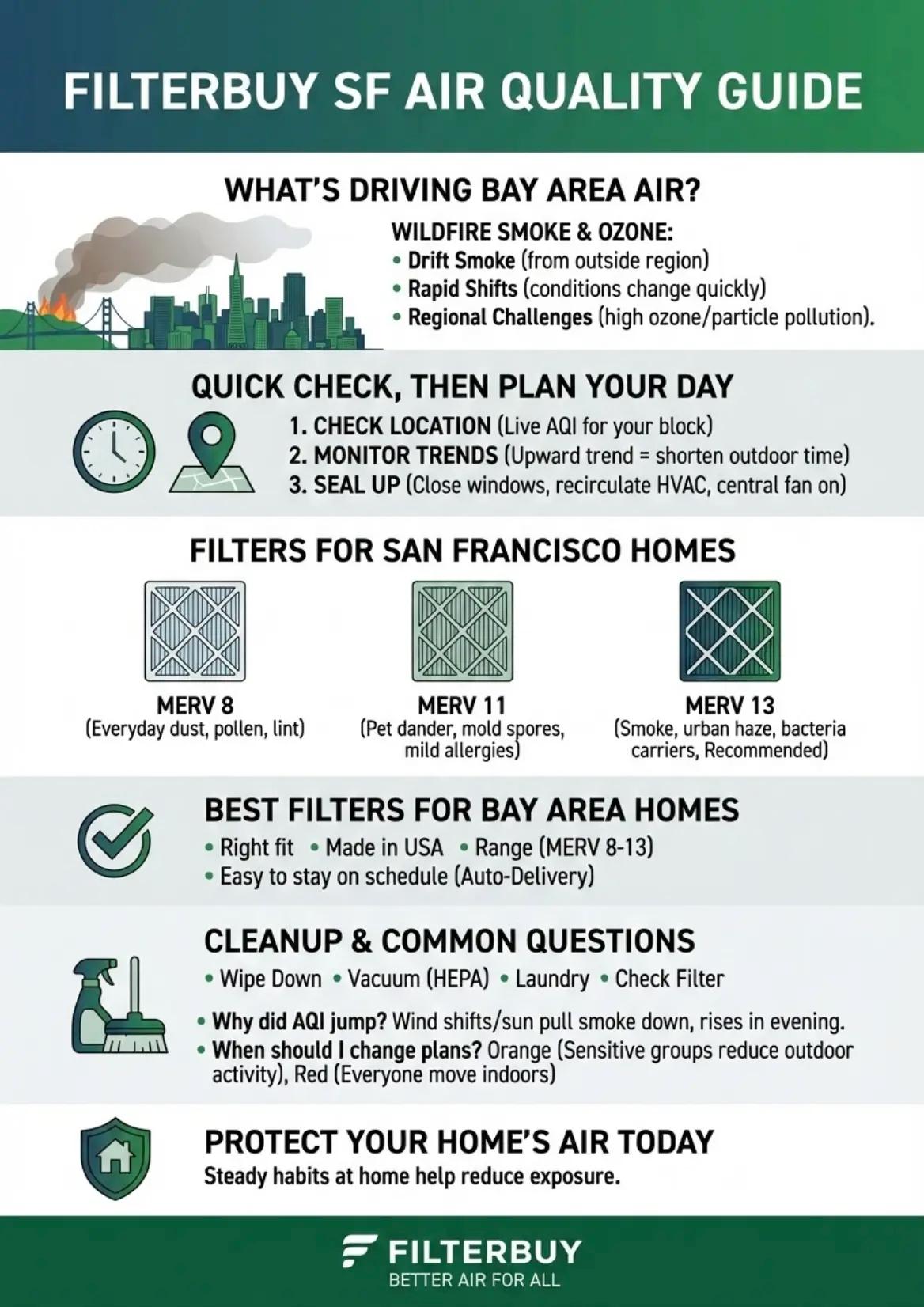
Filters for San Francisco homes (MERV 8, 11, 13)
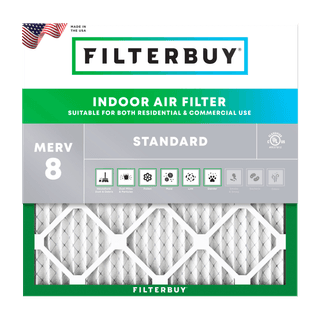
MERV 8: everyday dust and larger pollen; helps keep coils and ducts cleaner.
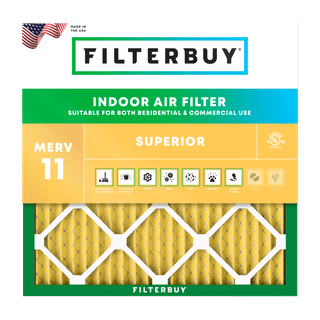
MERV 11: better capture of smaller particles like pet dander and many mold spores; good for homes with pets or mild allergies.
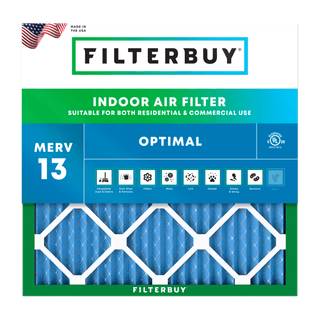
MERV 13: finer particles often present in wildfire smoke and urban haze; use it if your system can handle the extra resistance without hurting airflow or comfort.
Not sure what your system supports? Check your HVAC manual or ask a local technician.
Free shipping from Filterbuy helps you replace on time during smoke season.
Best filters that work for Bay Area homes
If you are looking for high-quality filters for your homes, check Filterbuy.
Right fit without hassle. Standard and custom sizes help you get a snug fit, which improves filtration and reduces particles slipping around the frame.
Made in the USA. Consistent build quality and media performance.
Easy to stay on schedule. Free shipping and optional Auto-Delivery make it simpler to change filters on time, especially during smoke season when media loads faster.
Range you can use. From MERV 8 to MERV 13 so you can match efficiency to what your system supports and what the day’s AQI needs.
After-smoke cleanup
As soon as AQI improves, wipe hard surfaces with a damp cloth or microfiber, vacuum rugs with a HEPA-type vacuum if available, wash bedding/throws, and replace any filter that looks gray or matted.
FAQs
Why did the AQI jump this afternoon when the morning looked fine?
Wind shifts and stronger sun can pull smoke or ozone down to the surface. Readings often rise from late morning into early evening, then ease overnight.
What AQI level should make me change plans?
At orange (101–150), children, older adults, anyone pregnant, and people with asthma, COPD, or heart disease should cut down on outdoor activity. At red (151–200), most people should move strenuous activity indoors.
How do I cut indoor smoke quickly?
Close windows and doors, set HVAC to recirculate, and run the central fan so air passes the filter more often. Use a HEPA room purifier in the bedroom or main living area.
What furnace filter should I use on smoky days?
Use the highest MERV your system safely supports. Many homes can run MERV 13 during smoke episodes. If airflow drops or the system strains, use MERV 11 and add a HEPA room purifier.
How often should I replace filters during a smoke event?
Check weekly. Replace early if the media looks gray or matted, airflow at vents feels weaker, or allergy or asthma symptoms increase.
Do I need a HEPA filter in my HVAC?
Most residential systems are not designed for true HEPA. Pair a MERV 11 to 13 HVAC filter with a separate HEPA room purifier.
What about my car?
Drive with windows closed, set the cabin vents to recirculate, and make sure the cabin air filter is in good condition. Avoid idling in smoky zones.
Are “worst in the nation” headlines permanent?
No. Those rankings reflect short episodes such as wildfire smoke or high ozone days. Conditions can improve within hours or days, so recheck the live map.
Any quick cleanup after the smoke clears?
Damp wipe hard surfaces, vacuum with a HEPA vacuum, launder bedding and throws, and replace any filter that looks loaded.
Where do I get a snug fit without hunting multiple stores?
Choose standard or custom filter sizes so the filter seals well in the return. Filterbuy offers both options, which makes staying stocked simpler without extra add-ons.