
Anchorage Real-Time AQI Tracker


Get Alerts For Unhealthy AQI In Your Area
When air quality in your area reaches unhealthy levels, we'll send you a quick alert, along with expert tips on how to reduce your exposure.
What's Actually In Anchorage Air Today?
What High AQI Means for Your Lungs in Anchorage
How to Read AQI
The Air Quality Index (AQI) measures how polluted the air is and how it may affect your health.
0–50 (Good): Air quality is satisfactory.
51–100 (Moderate): Acceptable, but some pollutants may pose minor concerns.
101–150 (Unhealthy for Sensitive Groups)
151–200 (Unhealthy)
201–300 (Very Unhealthy)
301+ (Hazardous)
Moderate
Still okay for most, but if you have asthma or allergies, take it easy and avoid long outdoor workouts.
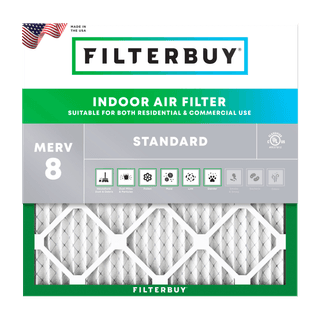
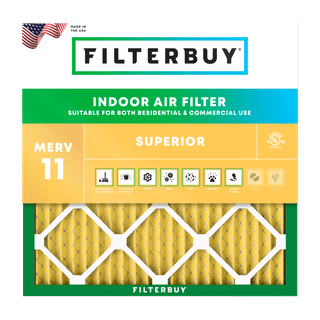
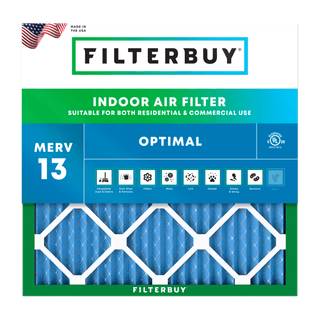
Shop MERV 11 filters→What's the Right Filter for Your AQI Level?
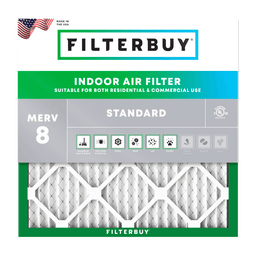
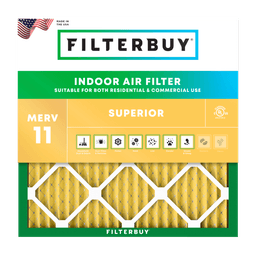
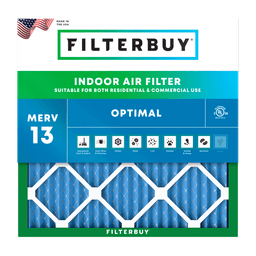

Check Today's Live Real Time Air Quality Index AQI Map in Anchorage, AK Now
TL;DR
The live AQI map on this page shows Anchorage's current air quality. The American Lung Association ranks the metro among the nation's cleanest for year-round particle pollution. When the index climbs, the cause is usually windblown dust in spring and fall or wildfire smoke in summer. Volcanic ash is rare. Filterbuy's advice follows that pattern: handle everyday dust well, and be ready for smoke days.
Anchorage Air Quality Now: What the Live Map's Colors Tell You
Start with the map above, which color-codes Anchorage's current Air Quality Index to the six EPA categories. Then look at which pollutant is setting the number. In Anchorage, it's often PM10, the coarse dust that blows off riverbeds and roads, rather than PM2.5, the fine particulate in smoke.
Key Takeaways
Anchorage meets all six federal air standards, though coarse dust (PM10) sometimes approaches its limit.
EPA recommends a MERV 13 or higher filter in a central HVAC system during smoke events.
Filterbuy's action line is AQI 100: MERV 13 in the HVAC, the fan set to On, a portable HEPA air cleaner in each occupied room and the house closed up.
Anchorage AQI Levels Explained: A Color-by-Color Action Guide
The U.S. AQI runs from 0 to 500. EPA splits it into six color-coded categories.
Categories and outdoor precautions per EPA AirNow; follow the category on the live map.
Filterbuy's action line is AQI 100. That's the top of the Moderate category, and Filterbuy acts at that threshold instead of waiting. At AQI 100 and above, take these four steps:
Put a MERV 13 filter in your HVAC system.
Set the thermostat fan to On so the system filters continuously.
Run a portable HEPA air cleaner in each occupied room, bedrooms first. If you can buy only one, start with the bedroom.
Close windows, doors and fresh-air intakes, including an HRV, and skip candles, frying and vacuuming.
Above 150, inspect the filter more often and keep replacements on hand. Above 200, follow AirNow and Anchorage Health Department guidance first. Filtration is only one layer.
Why Anchorage's Map Can Disagree with the Sky
In Anchorage, brown haze on a dry, windy day is usually dust, while a campfire smell on a calm day points to smoke. The map may lag, because current AQI is an EPA NowCast that averages up to 12 hours of readings. Smoke that rolls in quickly shows up late.
Three regulatory monitors cover Eagle River to Girdwood, and Laurel sits beside heavy traffic on purpose to catch peak road dust. The Municipality's daily AQI report summarizes yesterday, forecasts today and doesn't update on weekends.
Is It Safe to Be Outside in Anchorage Today?
Whether Anchorage's air is safe depends on today's AQI on the live map. Under 50, the air is good for everyone. Once it passes 100, sensitive groups should limit hard outdoor activity, and above 150 everyone should cut back. Those are AirNow's precautions; our asthma and COPD guide explains who counts as sensitive. With a diagnosed condition, follow your doctor's plan.
Anchorage Air Quality Forecasts, Advisories, and What They Mean for Your Day
The Anchorage Health Department posts a daily AQI report and forecast each weekday by 9 a.m. Its Air Quality Hotline is (907) 343-4899. For hourly readings by monitor, use the Alaska Department of Environmental Conservation (DEC) AQI dashboard. During fire season, add DEC smoke advisories and UAF's UAFSMOKE forecasts, and the Alaska Volcano Observatory (AVO) for volcano alerts.
The Health Department issues air quality health advisories when pollution turns unhealthy.
Airport Heights to Eagle River: How Readings Vary Across the Municipality
Busy arterials run dustier in spring, and Eagle River sits closer to the Knik River dust corridor. For other cities, see our Alaska air quality map.
Monitor purposes per DEC site descriptions.
Dust, Smoke, and a Winter Legacy: What Anchorage Breathes
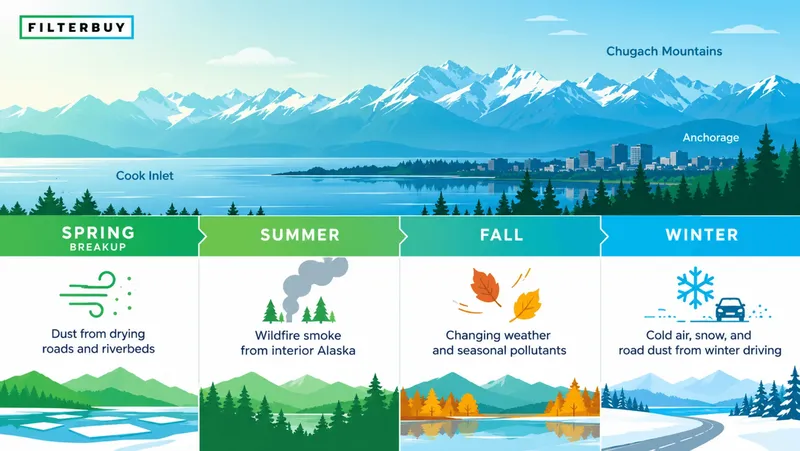
Anchorage's dust has two sources.
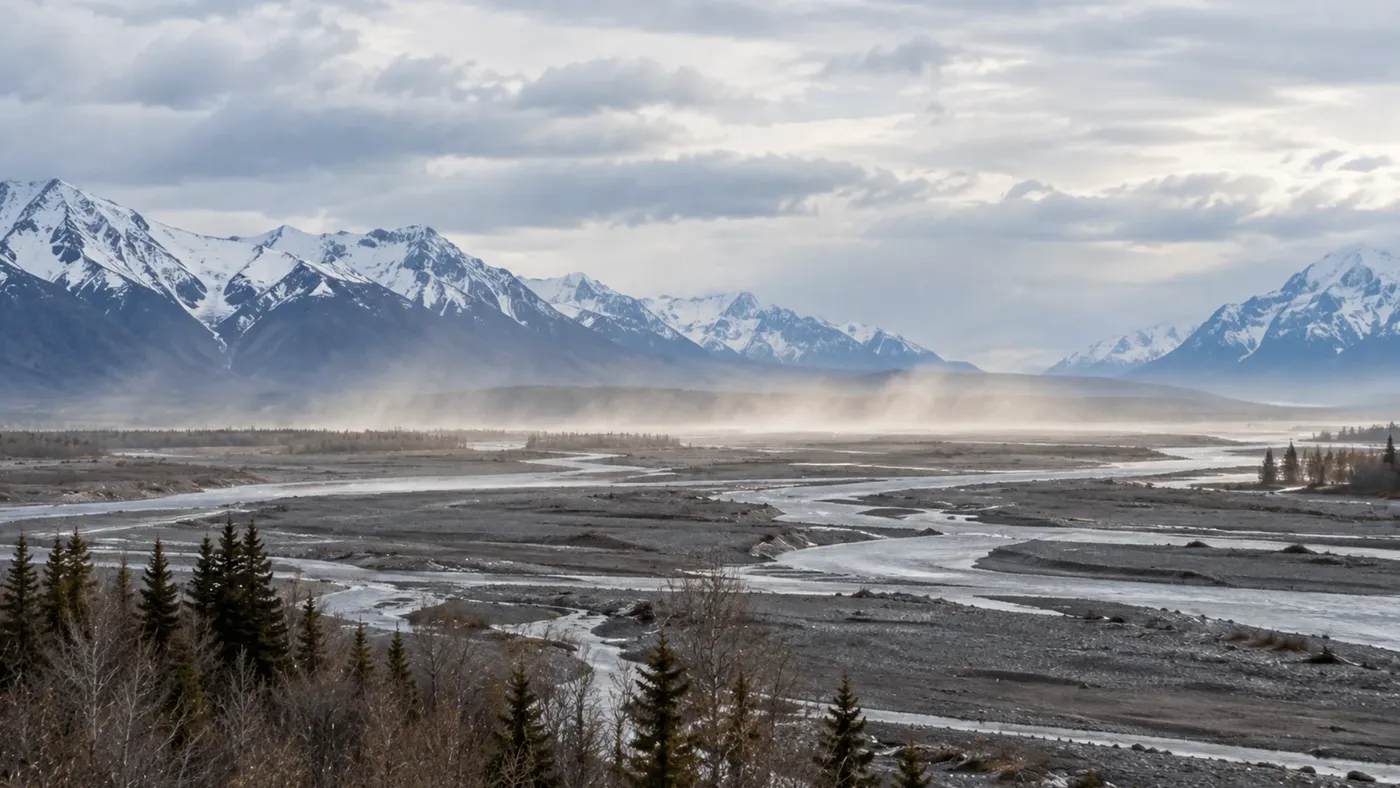
The first is glacial silt from the braided Knik and Matanuska river beds. Strong winds lift the silt once snow melts off the gravel bars in spring, and again in fall before snow returns. DEC notes that these events can hit the Mat-Su Valley and the Municipality at once.
The second is road dust. All winter, traction sand and studded tires grind down the pavement, and spring traffic kicks the grit into the air. That's why the Municipality bans dry-sweeping with leaf blowers.
Fine particulate (PM2.5) arrives in Anchorage mostly as wildfire smoke.
Filterbuy's Anchorage filter calendar, based on Municipality and DEC data.
Wildfire Smoke and Volcanic Ash: Anchorage's Two Episodic Risks
In summer 2019, the Swan Lake Fire on the Kenai Peninsula repeatedly sent smoke north. By August 19, particulate readings neared AQI 200, and the Health Department issued an advisory.
Volcanic ash is rarer, but it lingers. On August 18, 1992, Mount Spurr, about 80 miles west across Cook Inlet, dropped ash on Anchorage and closed the international airport for roughly 20 hours. Air quality alerts continued for weeks as wind and traffic stirred it back up. AVO lowered Spurr's alert level to green in August 2025, so check AVO for its current status.
If smoke or ash moves in, check AirNow and Anchorage Health Department guidance first, then follow the four steps in Filterbuy's AQI 100 action line above. Smoke loads filters quickly. EPA advises replacing the filter when it looks dark brown or black, which can be well before its normal interval, and keeping spares on hand. Inspect it after ashfall. For the full routine, see how to keep wildfire smoke out of your house.
No Ducts? Cleaner Air for Anchorage Homes with Boiler Heat
Many Anchorage homes heat with hydronic boilers and baseboards. Without ducts, there's no furnace filter slot, so the MERV advice on this page won't apply. Filterbuy would rather tell you that than sell you a filter that won't fit. In these homes, portable HEPA air cleaners are the main tool against smoke.
Size each unit. EPA's rule is a smoke CADR of at least two-thirds of the room's square footage. A 300 sq ft bedroom needs a smoke CADR of about 200.
Skip ozone. EPA advises against air cleaners that produce ozone, so avoid ionizers and ozone generators.
Stay cool. Don't seal yourself into an overheating house. If you can't stay cool, the EPA advises going somewhere cooler.
Compare options in MERV 13 vs. HEPA for wildfire smoke.
Our Take: Why Anchorage Is a Dust City, Not a Smoke City
Filterbuy has made air filters in the U.S. since 2013.
The everyday pollutant is the easiest to filter. The Municipality's daily report often names PM10 (dust), the coarse particles a fresh MERV 8 or 11 is built to catch.
The bad days are the fine ones. Smoke is PM2.5, and MERV 13 is the tier Filterbuy recommends for it.
Timing beats upgrading. Breakup dust clogs filters quickly, so change yours once the streets are swept and let filter auto-delivery handle the timing.
After producing filters for over a decade, we’ve seen countless HVAC systems struggle with the wrong MERV rating.
Filterbuy, Which MERV Rating Should I Use?
Matching Your Filter to Anchorage's AQI
For wildfire smoke, the answer is MERV 13. EPA recommends a MERV 13 or higher filter in a central HVAC system during smoke events. It also notes that most furnaces and HVAC systems can use MERV 13 without equipment problems, as long as the filter is replaced often. Do a normal fit check, the same as confirming your filter size.
Shop Filterbuy MERV 8, MERV 11 or MERV 13 in your size. Pleated filters capture particles, not the gases behind smoke odor. For odors, see the Odor Eliminator line.
Supporting Statistics
Closing up alone leaves over half the smoke inside.
With windows shut and no air cleaner, indoor PM2.5 runs 55–60% of outdoor levels.
Plugging in cuts cold-start carbon monoxide by nearly 60%.
Plug in the block heater 2–3 hours before starting.
Windblown dust drives most PM10 exceedances.
Since the mid-1990s, most statewide exceedances came from natural dust in Anchorage and the Mat-Su Valley.
Source: Alaska air monitoring report, EPA docket EPA-HQ-OAR-2008-0699
Frequently Asked Questions
Glossary
AQI (Air Quality Index): The EPA's air pollution scale. It runs from 0 to 500.
PM10: Coarse particulate 10 micrometers or smaller, such as glacial silt and road dust.
PM2.5: Fine particulate 2.5 micrometers or smaller, the main component of wildfire smoke.
NowCast: The EPA method behind current AQI, a weighted average of up to 12 hours.
MERV: Minimum Efficiency Reporting Value, the 1-to-16 filter efficiency scale.
HEPA: High-Efficiency Particulate Air, a filter standard for portable air cleaners.
CADR: Clean Air Delivery Rate, how much filtered air a portable cleaner delivers.