
Laredo, TX Live Wildfire Smoke Map
Get Alerts For Wildfires In Your Area
The moment a wildfire starts near you, you'll get an instant alert and simple tips to reduce your smoke exposure.
What's In The Smoke
30xSmaller than a human hair
Fine enough to reach deep into the lungs. A MERV 13 is built to capture it.
How Far It Travels


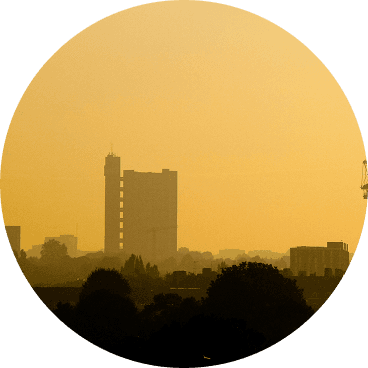
It Doesn't Stay Local
Smoke rides the wind far downwind — you can get smoky air with no fire nearby.
What To Do During A Smoke Event
Simple steps to reduce indoor exposure.
- Stay In, Close UpShut windows and doors to keep smoke out.
- Set Fan To "On"Keeps air cycling through your filter, not just when heating or cooling.
- Recirculate AirSwitch off fresh-air intake so you're not pulling smoke in.
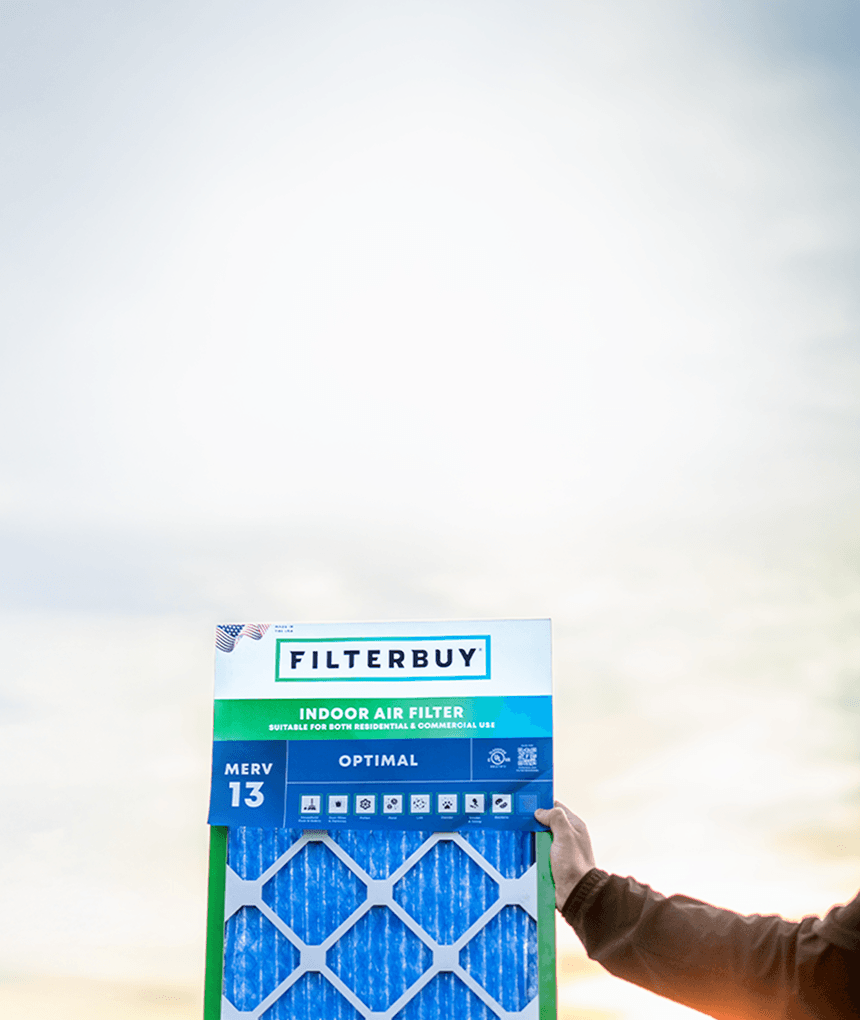
- Run A MERV 13Built to capture the fine PM2.5 in smoke.
- Add A PurifierExtra filtration for the room you use most.
- Wear an N95 if OutsideFits snug to block fine particles — a cloth mask won't.


The Best Air Filter For Wildfire Smoke
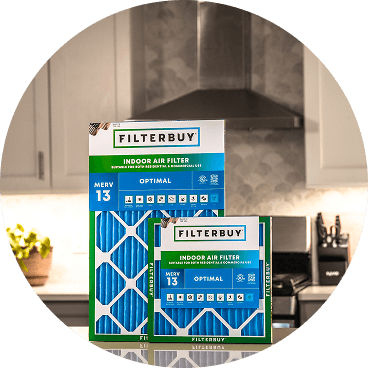
During smoke events, the EPA recommends upgrading to a MERV 13 filter — or the highest-rated filter your system can handle — to help reduce the fine particles smoke brings indoors. MERV 13 is the level most home HVAC systems can run while still capturing PM2.5, the fine particulate that makes up the bulk of wildfire smoke.
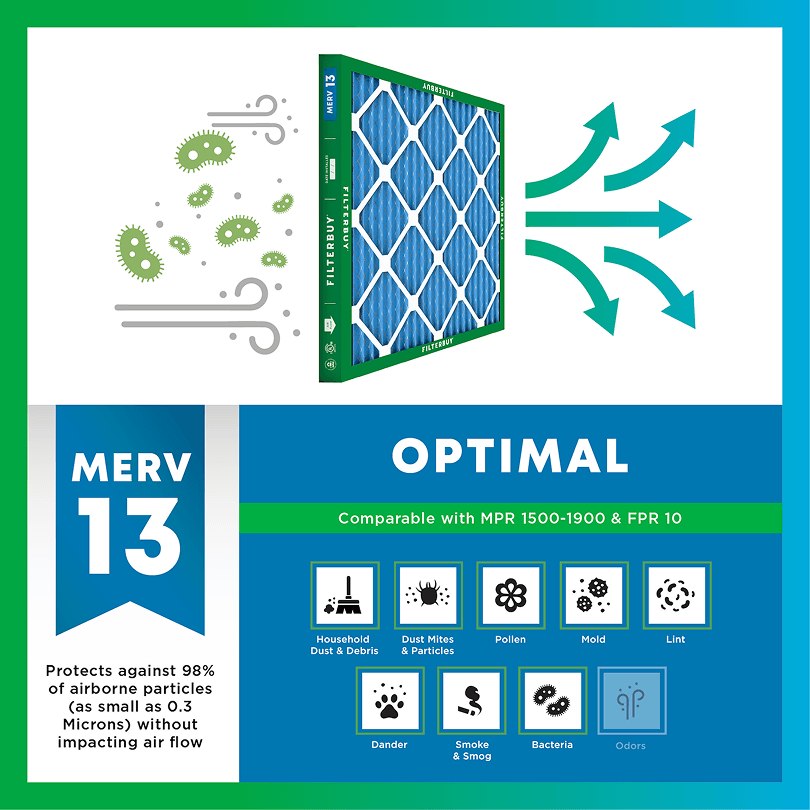

- Captures PM2.5 particles
- Blocks ash, soot, and smoke odor
- Keeps your indoor air safe—even when the outdoor air is dangerous
- Meets the EPA's recommended rating for filtering fine wildfire smoke particles.

Wildfire Smoke FAQs
Facts About Wildfires
Over 70,000 wildfires burn in the U.S. every year.
Wildfire smoke can travel 1,000+ miles, affecting states that aren't even near the blaze.
Exposure to wildfire smoke can worsen asthma, trigger heart issues, and lead to ER visits.
Indoor air can hold more fine particles during wildfire events unless it's properly filtered.
The EPA advises using MERV 13 filters or portable HEPA air cleaners during wildfire smoke events.
Don't Wait Until The Smoke's Inside.
Use the live wildfire smoke tracker and upgrade your air filters today to protect your lungs and your home.
Shop Filters For Smoke Protection
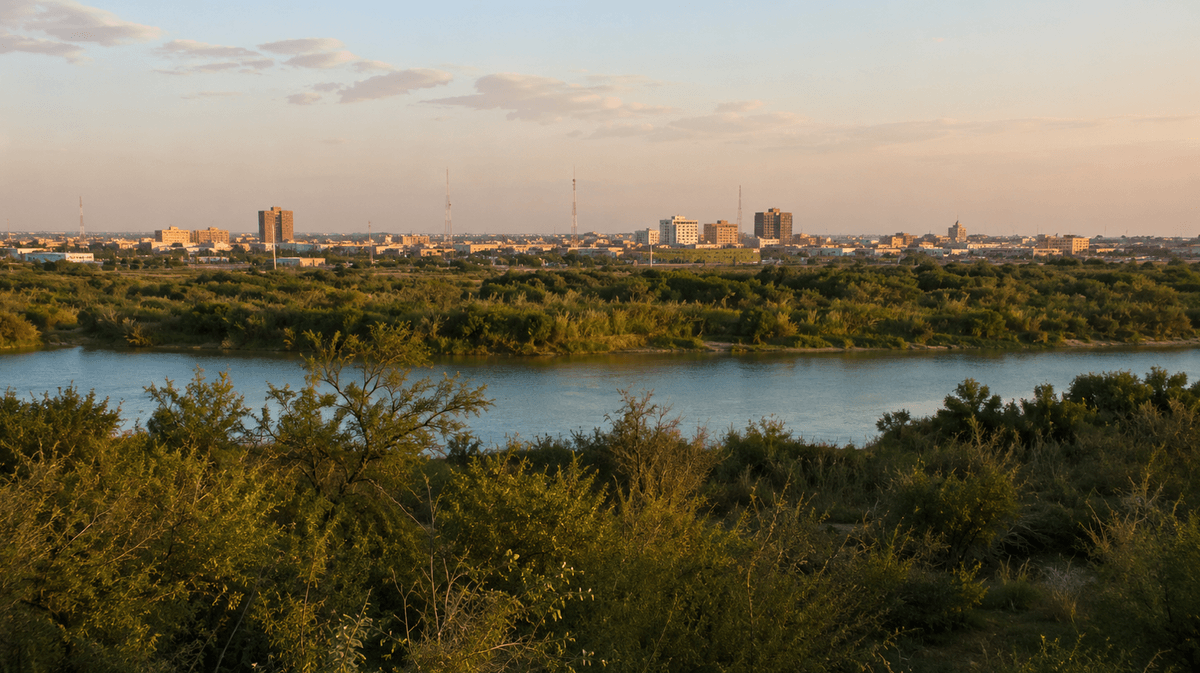
Live Laredo, TX Forest Wildfire & Smoke Map Today: Local Air Quality Tracking & Indoor Protection Solutions from Filterbuy.com's Air Obsessed Experts
By Michelle Wan, Brand Manager & Air Quality Writer
Reviewed By: David Clark, Licensed HVAC Technician
Published: August 10, 2026 | Updated: August 10, 2026
Some mornings in Laredo, the sky looks wrong. Flat milky white instead of hard South Texas blue, with a campfire smell from nobody's backyard. The instinct is to look for a nearby fire, but usually there isn't one. Filterbuy is a U.S. air-filter manufacturer in Talladega, Alabama, and while building this page, we pulled the state's monitor list to see what Laredo's local data rests on. What we found changes how you should read any smoke map here, ours included.
TL;DR
Laredo rarely gets smoke from a forest fire, because Laredo has no forest. Most haze here is transported smoke from agricultural burning in Mexico and Central America, summer Saharan dust, or a local brush fire. Check the live map below, then close up the house and run a MERV 13 filter when the number climbs.
Key Takeaways
Laredo has one EPA-regulatory PM2.5 monitor: World Trade Bridge, CAMS C313, live since March 2018.
Spring is Laredo's real smoke season. TCEQ tied 2022 PM2.5 exceedances in Webb County to burning in Mexico and Central America.
Satellite plumes are drawn by analysts in daylight only, so an empty layer at 3 a.m. doesn't mean the smoke cleared, and transported smoke never gets an "all clear."
The EPA recommends MERV 13, or the highest rating your system accepts, in smoky periods. Recirculate, run the fan continuously, and check the filter monthly rather than on a 90-day cycle.
Are There Active Wildfires Near Laredo Right Now?
Usually, no. Confirmed wildfires inside Webb County are uncommon, and most days the map shows none. The live map above plots every satellite-detected fire and smoke plume in range of Laredo. Green and yellow mean Good-to-Moderate air; orange or worse means sensitive groups head indoors.
A blank map does not mean clean air. The NOAA Hazard Mapping System builds plumes from GOES imagery outlined by hand by an analyst, which only works in daylight, so the layer goes stale overnight. A hotspot is also a heat signature, not a confirmed fire: flares and controlled burns trigger detections too.
For confirmed incidents and burn bans, the Texas A&M Forest Service incident viewer is authoritative. Filterbuy's live AQI map for Laredo carries today's citywide reading.
Why Laredo's Smoke Usually Isn't From a Forest Fire
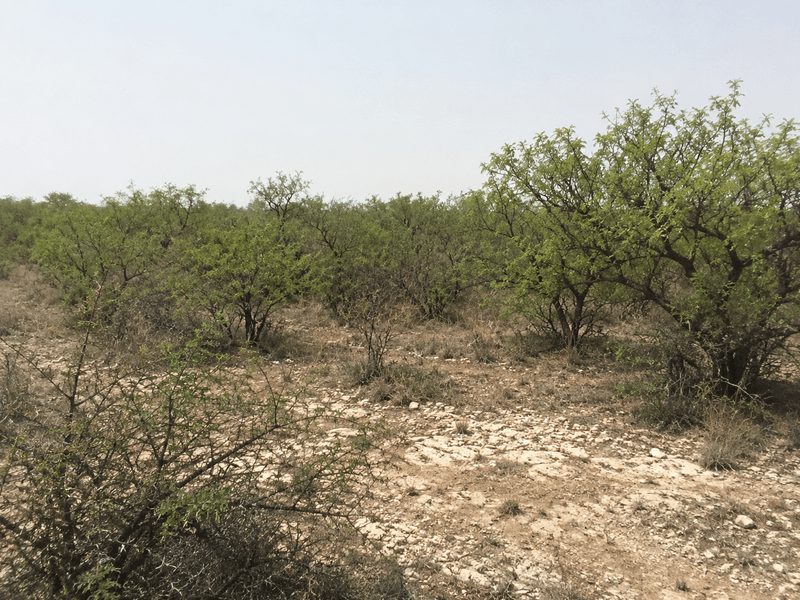
Laredo is not forested. Webb County sits in Tamaulipan thornscrub, the mesquite and blackbrush that USDA Forest Service researchers call South Texas "brush country." Brush fires here burn hot and fast in dry wind, and the Texas A&M Forest Service names Laredo in its wildfire potential outlooks. But these are shrubland fires, not the canopy fires that make week-long smoke domes out West, and they are overwhelmingly our own doing: People and their activities cause more than 90 percent of wildfires in Texas.
So when the sky goes milky, the source is usually somewhere else. We say so because the alternative is what most pages here do: run a template written for California and leave the real cause unnamed.
Laredo's Actual Smoke Calendar
Sources: TCEQ exceptional-events demonstration for 2022 PM2.5 exceedances; TCEQ daily Texas air quality forecast.
In its 2022 exceptional-events demonstration, TCEQ tied elevated PM2.5 at World Trade Bridge to agricultural burning in Mexico and Central America, which is why Brownsville's AQI often moves with Laredo's. The map can show zero fires while your air is genuinely bad.
Laredo Has One Regulatory PM2.5 Monitor, and Here's What That Means
One monitor covers the entire city, so a single AQI value for "Laredo" describes one point on the north side. Expecting several neighborhoods measured as in Houston, we opened TCEQ's Laredo Region monitor summary and counted twice:
Source: TCEQ Laredo Region 16 monitor summary. One regulatory PM2.5 monitor serves the entire city.
Hyperlocal precision is limited. In a regional smoke event that's fine, because transported smoke blankets the area evenly. In a local brush fire, your street can be worse, or better, than the screen says. C313 also sits beside Port Laredo, which the Bureau of Transportation Statistics calls the busiest U.S. land port by truck volume, so it catches border traffic a residential monitor would miss. For a reading closer to your block, the corrected sensor feeds on the AirNow Fire and Smoke Map are the closest available. Filterbuy would rather name the limits of the data than let you assume one number describes your street.
The Advantage Laredo Homes Already Have
Laredo homes are already configured for smoke, and most homeowners don't realize it. Laredo is the hottest city in Texas, averaging summer highs near 101°F, so cooling season runs most of the year. The setup the EPA recommends during a smoke event (windows shut, intake closed, air cycling through the filter) is how a Laredo house runs from March to November.
So the variable isn't your settings. It's what's in the filter slot. In a Denver house, a smoke event means changing behavior. Here, the filter already working every day just got a harder job. Long runtime also loads a filter faster than the 90-day box claims, and spring haze stacks on a system running since March.
Transported Smoke Doesn't Get an "All Clear"
No agency will announce that Laredo's smoke has passed. A California wildfire has a name, an incident page, and a containment percentage. Laredo's dominant source has none: the fires are agricultural burns in Mexico and Central America, and no U.S. agency reports on a field in Yucatán. The haze lifts when the wind shifts, not when a fire is contained, and it can return three days later on the same flow. Watching the AQI isn't a substitute for the news. It is the news.
How to Tell If Smoke Is Already Inside
Don't trust your nose. Olfactory adaptation means you stop registering a constant smell within about half an hour, so a house that smells fine at 4 p.m. may have smelled smoky all afternoon. Four better checks:
Pull the filter. Gray media after two or three weeks, when a Filterbuy pleated filter normally runs 90 days, means it's catching smoke.
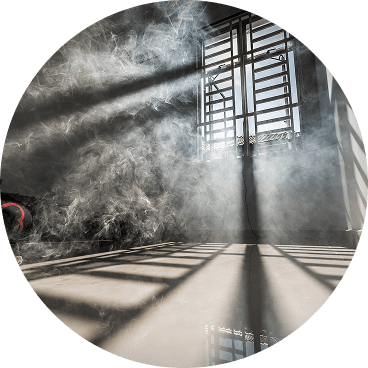
Look at a lamp or sunbeam. Visible haze in indoor light is particulate you can see, meaning there's more you can't.
Watch for symptoms. A scratchy throat or dry cough that eases when you leave the house beats your nose.
Consider a PM2.5 sensor. Roughly $30 buys a live indoor reading, the only way to confirm filtration is keeping up.
What Today's AQI Means for You in Laredo
At or below 50, keep your normal routine. From 51 to 100, the Moderate band is common in spring haze; sensitive groups should ease up outdoors. At 101, close the windows and recirculate. At 151, everyone limits outdoor time.
AQI categories follow the U.S. EPA Air Quality Index. Filter guidance follows EPA wildfire smoke recommendations.
"Sensitive groups" means kids, older adults, and anyone with asthma, COPD, or heart disease; CDC guidance sets their threshold lower.
How to Keep Laredo's Smoke Out of Your House
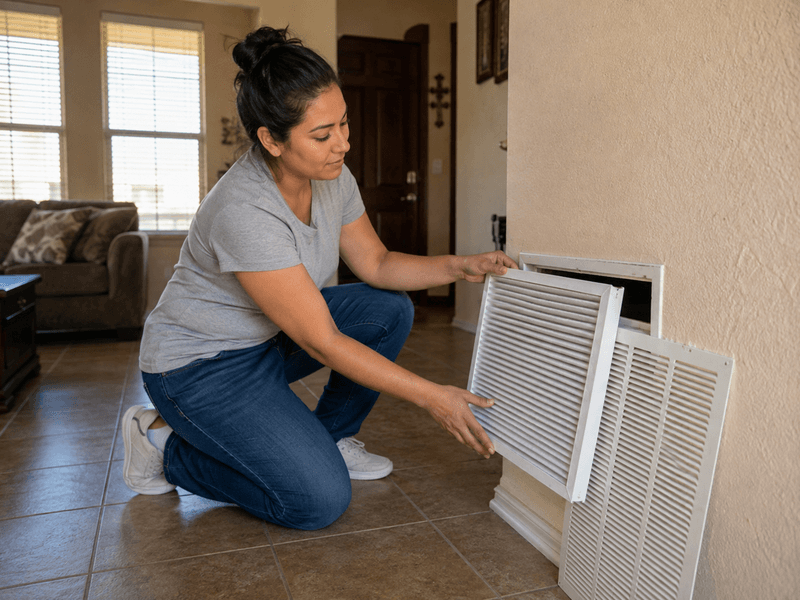
Seal the house, recirculate, and filter. Smoke is mostly PM2.5, small enough to reach deep into the lungs, so the goal is keeping it out and cleaning what gets in.
Seal the house. Close windows, exterior doors, and the fireplace damper when AQI passes 100.
Recirculate, and set the fan to "On." Close any fresh-air intake. On "Auto," the fan runs only during cooling cycles, which is why air conditioners alone don't filter smoke.
Run a MERV 13, or the highest rating your system accepts. ASHRAE 52.2 requires it to capture 50%+ of particles at 0.3–1.0 microns, the band MERV 8 doesn't report on.
Build one clean room. Pick the bedroom, close it up, and add a portable air cleaner sized for it.
Don't add to it indoors. Skip candles, frying, and vacuuming.
In years of service calls across South Texas, the spring pattern never changes: no fire near Laredo, and return filters coming out gray in three weeks instead of three months. Homeowners call me thinking the system is broken. It's doing exactly what it should.
David Clark, Licensed HVAC Technician
Essential Laredo Air Quality Resources
Five bookmarks from the agencies producing the data.
How to read the AirNow Fire and Smoke Map: monitors, sensors, fires, and plumes on one screen.
NOAA's Hazard Mapping System: source of the plume layer on nearly every U.S. map.
EPA guidance on building a clean room: step-by-step, plus DIY air cleaners.
CDC advice for people with chronic conditions: for households with asthma, COPD, or heart disease.
Webb County Emergency Management: burn bans and county alerts.
Laredo Smoke, By The Numbers
One regulatory PM2.5 monitor serves all 255,471 Laredo residents: World Trade Bridge, CAMS C313, online only since March 2018 after a 16-year gap.
Sources: TCEQ Laredo Region 16 monitor summary; U.S. Census QuickFacts
More than 90% of Texas wildfires are caused by people, not lightning, so fires here spike with drought rather than a season.
Source: Texas A&M Forest Service wildfire risk outlooks
MERV 13 must capture at least 50% of particles at 0.3–1.0 microns; MERV 8 reports none in that range. That band is where smoke lives, and the gap is the entire filter argument.
Source: ANSI/ASHRAE Standard 52.2
Frequently Asked Questions
Get Ahead of Laredo's Spring Haze Season
Laredo's worst air arrives with the March-to-June burning season every year, so the filter you want is the one already in the wall when haze shows up. Filterbuy builds MERV 13 filters in 600+ sizes plus custom cuts.
→ Find your filter size · → Shop MERV 13 filters · → Set up auto-delivery before burn season
Glossary
AQI: the EPA's 0–500 scale turning pollutant levels into a health-risk band.
PM2.5 / PM10: fine particulate 2.5 micrometers or smaller (the health-relevant part of smoke); coarse up to 10 micrometers.
MERV: Minimum Efficiency Reporting Value, the ASHRAE 52.2 scale (1–16) for particle capture.
CAMS: Continuous Ambient Monitoring Station, TCEQ's term for a fixed site. Laredo's is CAMS C313.
Subscribe to wildfire smoke alerts for Laredo, TX, to get a heads-up before the next event reaches your area.