
Nashville, TN Live Wildfire Smoke Map
Get Alerts For Wildfires In Your Area
The moment a wildfire starts near you, you'll get an instant alert and simple tips to reduce your smoke exposure.
What's In The Smoke
30xSmaller than a human hair
Fine enough to reach deep into the lungs. A MERV 13 is built to capture it.
How Far It Travels


It Doesn't Stay Local
Smoke rides the wind far downwind — you can get smoky air with no fire nearby.
What To Do During A Smoke Event
Simple steps to reduce indoor exposure.
- Stay In, Close UpShut windows and doors to keep smoke out.
- Set Fan To "On"Keeps air cycling through your filter, not just when heating or cooling.
- Recirculate AirSwitch off fresh-air intake so you're not pulling smoke in.
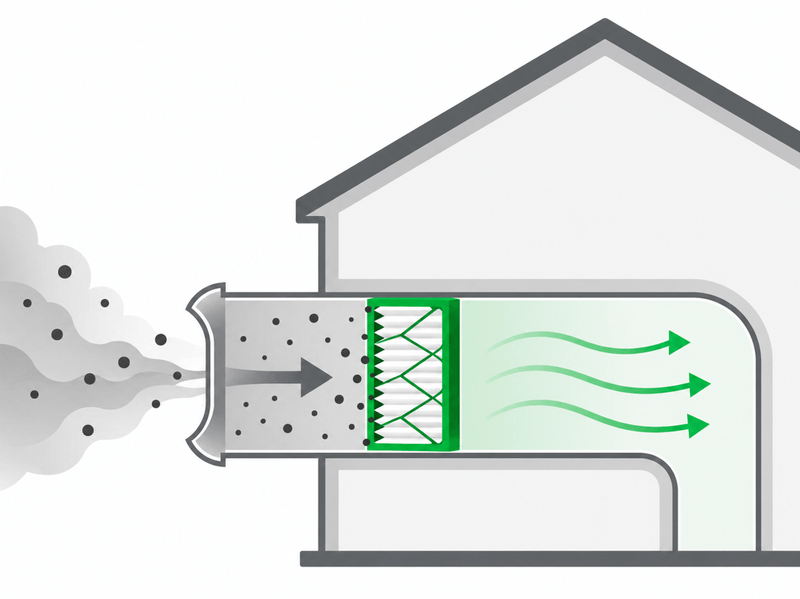
- Run A MERV 13Built to capture the fine PM2.5 in smoke.
- Add A PurifierExtra filtration for the room you use most.
- Wear an N95 if OutsideFits snug to block fine particles — a cloth mask won't.


The Best Air Filter For Wildfire Smoke
During smoke events, the EPA recommends upgrading to a MERV 13 filter — or the highest-rated filter your system can handle — to help reduce the fine particles smoke brings indoors. MERV 13 is the level most home HVAC systems can run while still capturing PM2.5, the fine particulate that makes up the bulk of wildfire smoke.
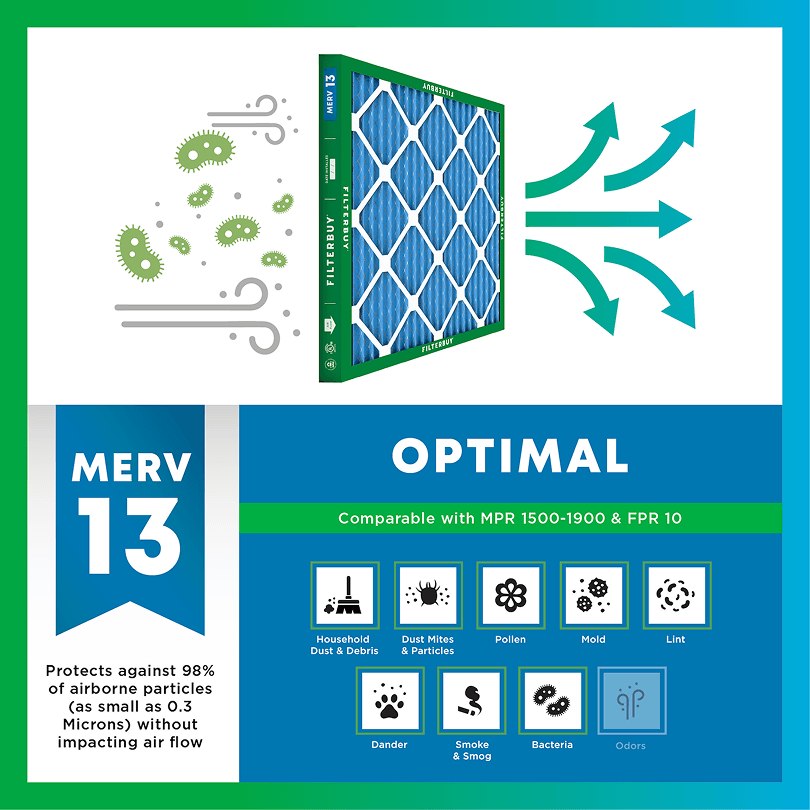
- Captures PM2.5 particles
- Blocks ash, soot, and smoke odor
- Keeps your indoor air safe—even when the outdoor air is dangerous
- Meets the EPA's recommended rating for filtering fine wildfire smoke particles.

Wildfire Smoke FAQs
Facts About Wildfires
Over 70,000 wildfires burn in the U.S. every year.
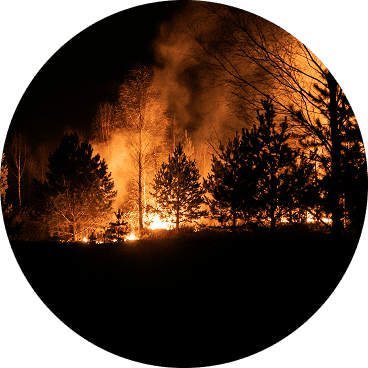
Wildfire smoke can travel 1,000+ miles, affecting states that aren't even near the blaze.
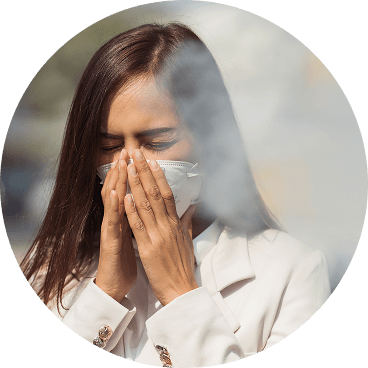
Exposure to wildfire smoke can worsen asthma, trigger heart issues, and lead to ER visits.
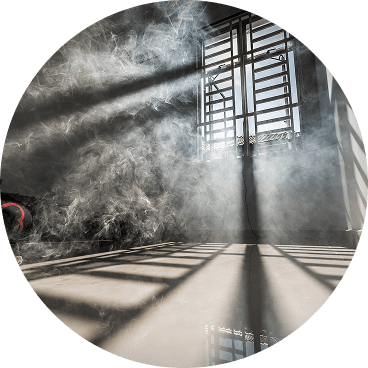
Indoor air can hold more fine particles during wildfire events unless it's properly filtered.
The EPA advises using MERV 13 filters or portable HEPA air cleaners during wildfire smoke events.
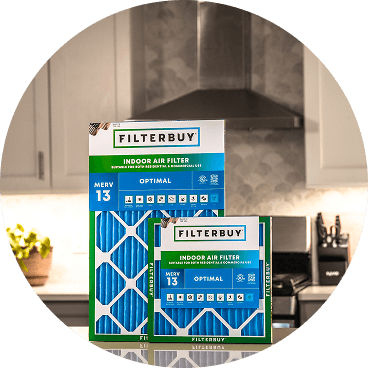
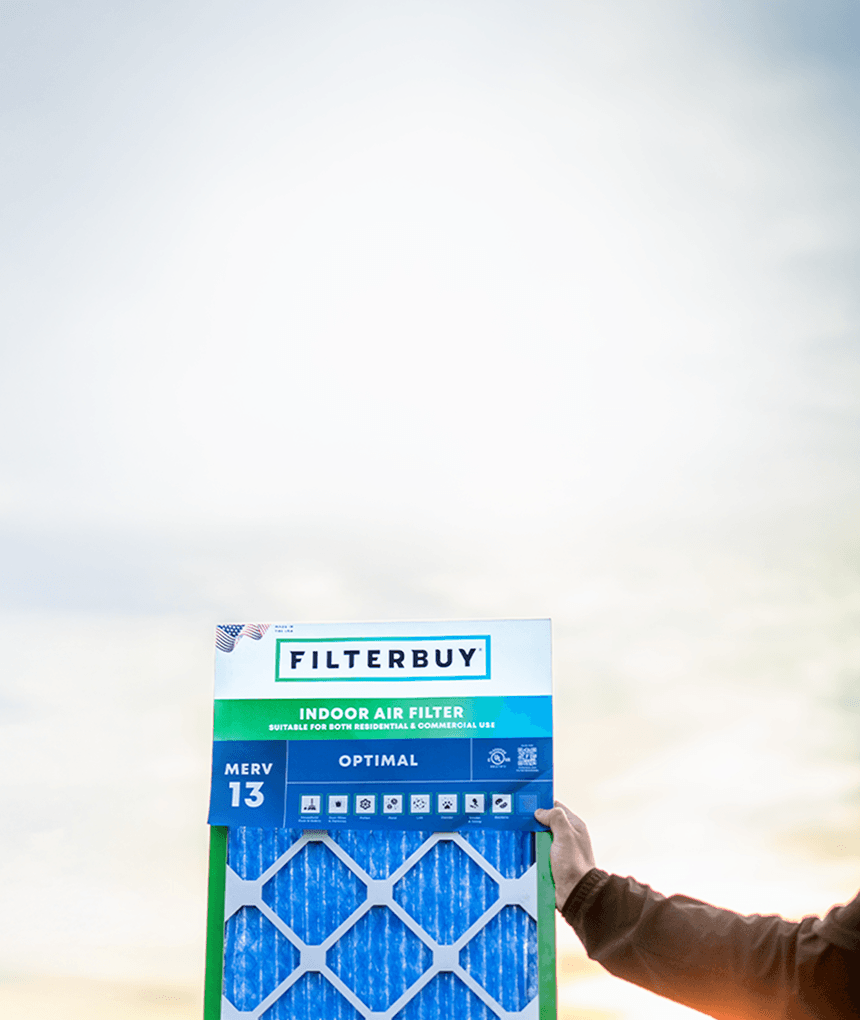
Don't Wait Until The Smoke's Inside.
Use the live wildfire smoke tracker and upgrade your air filters today to protect your lungs and your home.
Shop Filters For Smoke Protection
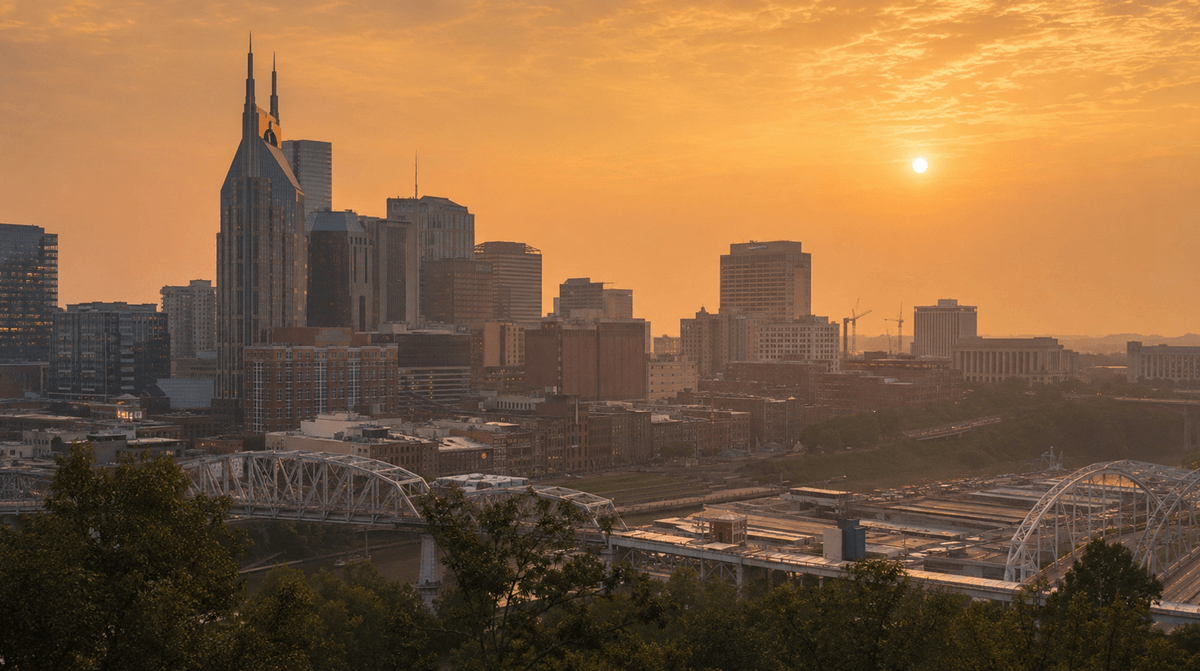
Current Live Wildfire And Smoke Map Nashville, TN Today From Filterbuy.com
Author: Michelle Wan (filterbuy.com/author/michelle-wan/)
Reviewer: David Clark, Licensed HVAC Technician
Publish Date: July 27, 2026
Updated Date: July 27, 2026
Is wildfire smoke affecting Nashville, TN right now? Filterbuy's live tracker pulls the same EPA and U.S. Forest Service data local officials use, so you get today's actual reading, not a guess. Years of watching Middle Tennessee move through fire season after fire season shape how this page explains which AQI numbers matter, when transported smoke catches Nashville off guard, and which filter actually stops it.
TL;DR
Nashville rarely starts its own wildfires, but transported smoke from Canada and the western U.S. can push local PM2.5 into unhealthy territory even on a clear-looking day. Check the map for current activity, use Filterbuy's AQI table below, and switch to MERV 13 before smoke season peaks each fall.
Key Takeaways
Nashville's wildfire smoke almost always travels in from other states, not local fires.
The highest local smoke risk window runs September through November.
An AQI of 101 or above means sensitive groups should limit outdoor time.
MERV 13 is the EPA-recommended rating for wildfire smoke. MERV 8 will not stop it.
The Nashville-Davidson-Murfreesboro metro holds a failing ozone grade from the American Lung Association.
Is There A Wildfire Near Nashville Right Now
The map above pulls directly from the EPA and U.S. Forest Service AirNow Fire and Smoke Map. If the legend is unfamiliar, Filterbuy's guide to reading the map's colors and markers covers what each dot and plume means. Nashville itself rarely ignites major wildfires. Zoom into Nashville-Davidson for current markers, or check the national wildfire and smoke map for the wider picture.
Why Nashville's Air Gets Smoky Without A Local Fire
Filterbuy hears this every fall from Nashville customers wondering why the sky looks smoky with no fire in sight. Fine particles from Canadian or western U.S. wildfires ride upper-level winds into the Nashville basin as haze, often with no flame anywhere in the state. Filterbuy's breakdown of how far wildfire smoke can travel covers the distances involved. Nashville also sits in a river basin, so on cool, still nights that haze can settle and stay put until the next weather system clears it. Local risk climbs during dry stretches in October and November, but transported smoke is the more common cause of a smoky sky.
How To Tell If The Haze Is Local Or Just Passing Through
Smell test: nearby fires usually carry a campfire smell. Transported smoke often has little or no odor.
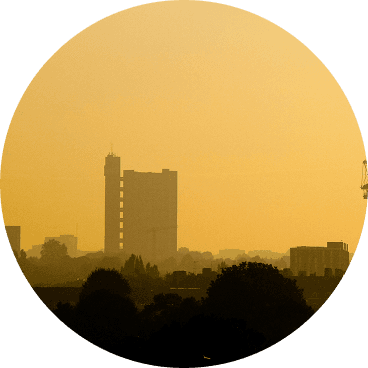
Sky color: transported smoke tends to tint the sun orange at midday, even with clear ground-level air.
Timing: local smoke builds quickly over hours. Transported smoke settles in overnight and can linger next morning.
Cross-check: no Red Flag Warning and no nearby marker means the haze started elsewhere.
What Does AQI Level Mean?
Categories reflect the U.S. EPA Air Quality Index (AQI), the official 0–500 scale reported by AirNow.gov. Conditions can shift within hours during a smoke event, so check the live map above before planning outdoor activity.
Sensitive groups such as children, older adults, and anyone with asthma or heart disease should treat 101 and above as their cue to head indoors. See Filterbuy's guide on what to do once AQI crosses 100 for each range, or check Nashville's live AQI tracker for a continuously updated number.
Nashville's Smoke Season, Month By Month
Nashville's air follows a predictable seasonal rhythm, and wildfire smoke plays a supporting role. Spring pollen and summer ozone dominate the warmer months. Fall brings ragweed and the year's highest wildfire smoke risk, as western transport smoke overlaps with dry conditions between September and November. Winter adds particle pollution from wood stoves and cold-air inversions.
What To Do Indoors When Smoke Arrives
Switch the HVAC fan from Auto to On to keep air cycling through your filter.
Upgrade to MERV 13, the EPA's wildfire smoke recommendation. MERV 8 and below won't stop smoke particles.
Close windows and skip candles or frying food until the AQI drops back to Good or Moderate.
Keep children, older adults, and anyone with asthma, COPD, or heart disease indoors first once AQI crosses 101.
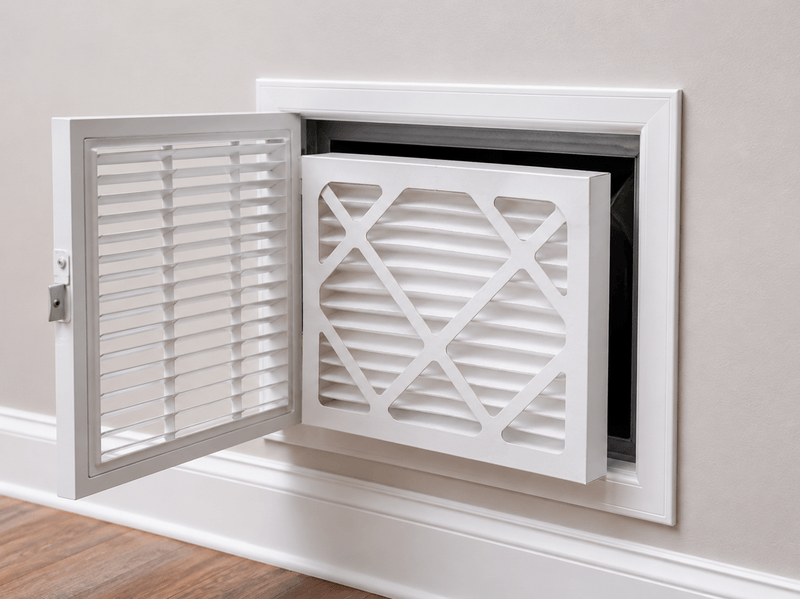
After manufacturing filters for over a decade and serving more than two million households, we've watched Nashville's air move through the same seasonal pattern every year: pollen in spring, ozone in summer, transported wildfire smoke in fall, and wood smoke in winter. A MERV 13 filter on the shelf before smoke arrives is the single most useful thing a Middle Tennessee household can do.
David Heacock, Founder and CEO, Filterbuy
Essential Resources
Seven Places To Check Before You Decide What To Do About Nashville's Air Today
See Every Active Fire And Smoke Plume In Real Time
The AirNow Fire and Smoke Map answers “is there a fire near Nashville,” updated hourly by the EPA.
Source: AirNow Fire and Smoke Map
Know Before Local Fire Risk Turns Dangerous
The NWS Nashville office tracks the low humidity, wind, and dry ground that turn a normal day into a red flag warning.
Source: NWS Nashville Forecast Office: Fire Weather
Get The Exact Reading For Your Neighborhood
Nashville Metro Public Health publishes a same-day AQI and pollen count for Davidson County, closer than any statewide figure.
Source: Nashville Metro Public Health: Daily AQI and Pollen Count
Check Statewide Alerts Before They Reach You
TDEC issues Code Orange and Code Red alerts statewide, often ahead of your local reading.
Source: Tennessee Department of Environment and Conservation: Air Pollution Control
See Whether Bigger Fires Are Sending Smoke Your Way
NIFC tracks wildfire activity nationwide. A spike out west or in Canada often signals smoke headed toward Tennessee.
Source: National Interagency Fire Center: Statistics
Turn The Numbers Into A Clear Action Plan
EPA's wildfire smoke guidance explains what each AQI color and PM2.5 reading means and what to do at each level.
Source: EPA: Wildland Fires and Smoke
Protect Your Household Once Smoke Arrives
CDC's wildfire safety guidelines cover practical steps for reducing exposure, especially for kids, older adults, and anyone with asthma or heart disease.
Source: CDC: Safety Guidelines: Wildfires and Wildfire Smoke
Supporting Statistics
Three Numbers Behind Why Nashville Households Watch The Air
1. 427,343+ Tennessee Children Breathe Unhealthy Air
Nashville-Davidson–Murfreesboro metro area failed for ozone smog in 2026.
More than 427,343 Tennessee children live in counties with failing air grades.
Confirms the seasonal pattern above is already measured, not hypothetical.
Source: American Lung Association, “State of the Air” 2026 Tennessee Press Release
2. Wildfire Smoke Raises Hospitalizations To 10%
A 10 µg/m³ rise in wildfire-specific PM2.5 increases respiratory hospitalizations by 1.3% to 10%.
Non-wildfire PM2.5 raises hospitalizations by only 0.67% to 1.3% at the same increase.
Wildfire smoke is meaningfully more harmful than everyday particle pollution.
Source: Aguilera et al., Nature Communications, 2021 (NIH / PMC7935892)
3. 721,074 Residents Depend On This Reading
The Nashville-Davidson metro population is 721,074 as of mid-2025.
One live AQI reading stands in for over 700,000 people's daily decisions.
Scale is why a hyper-local map matters here specifically.
Source: U.S. Census Bureau QuickFacts: Nashville-Davidson Metropolitan Government
Final Thoughts & Opinion
The pattern across this page comes down to a few things:
Nashville rarely starts its own wildfire.
The air still turns smoky most falls, because the particles began elsewhere.
The AQI number moves before the sky looks any different.
That gap is why so many households miss the window to act.
Filterbuy's opinion, shaped by years of shipping filters across Middle Tennessee:
1. The live map is the starting point, not the finish line.
2. Checking the AQI matters, but it isn't the whole plan.
3. Clean indoor air comes down to whether MERV 13 is already in the vent, not added after the smoke shows up.
Frequently Asked Questions
Keep This Map Bookmarked And Your Filter Ready
This live map only works if you actually check it, so bookmark this Filterbuy page and glance at it each morning through smoke season. When the reading climbs, switch to MERV 13 and run your HVAC fan continuously so your home is already protected before the haze arrives.
Glossary
AQI: The EPA's 0-500 scale for how clean the air is, based on pollutants including PM2.5 and ozone.
PM2.5: Fine particulate matter 2.5 micrometers or smaller, the main harmful component of wildfire smoke.
MERV Rating: A 1-16 scale rating of how well a filter captures particles. MERV 13 is the EPA's minimum for wildfire smoke.
AirNow Fire and Smoke Map: A live EPA and U.S. Forest Service map showing fire locations, smoke plumes, and AQI nationwide.
Red Flag Warning: An NWS alert issued when low humidity and wind raise the risk of fast-spreading wildfire.
Subscribe to wildfire smoke alerts for Nashville, TN, to get a heads-up before the next event reaches your area.