
Nashville Real-Time AQI Tracker


Get Alerts For Unhealthy AQI In Your Area
When air quality in your area reaches unhealthy levels, we'll send you a quick alert, along with expert tips on how to reduce your exposure.
What's Actually In Nashville Air Today?
What High AQI Means for Your Lungs in Nashville
How to Read AQI
The Air Quality Index (AQI) measures how polluted the air is and how it may affect your health.
0–50 (Good): Air quality is satisfactory.
51–100 (Moderate): Acceptable, but some pollutants may pose minor concerns.
101–150 (Unhealthy for Sensitive Groups)
151–200 (Unhealthy)
201–300 (Very Unhealthy)
301+ (Hazardous)
Moderate
Still okay for most, but if you have asthma or allergies, take it easy and avoid long outdoor workouts.
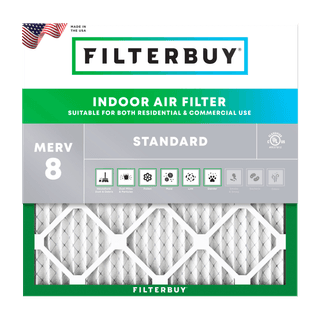
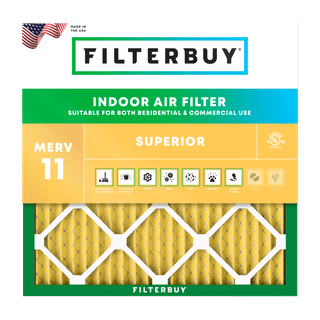
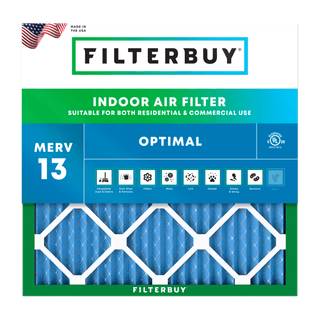
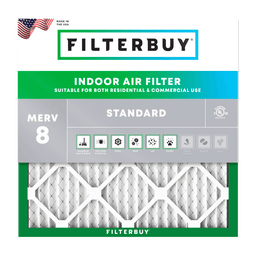
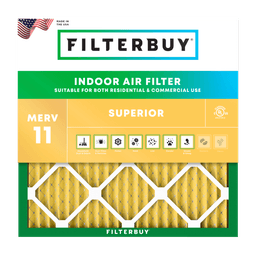
Shop MERV 11 filters→What's the Right Filter for Your AQI Level?

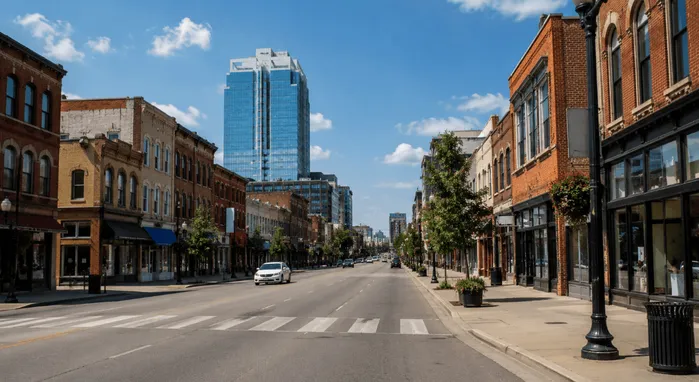
Is Nashville TN Air Safe Today? Live AQI Map & Air Quality Index Now
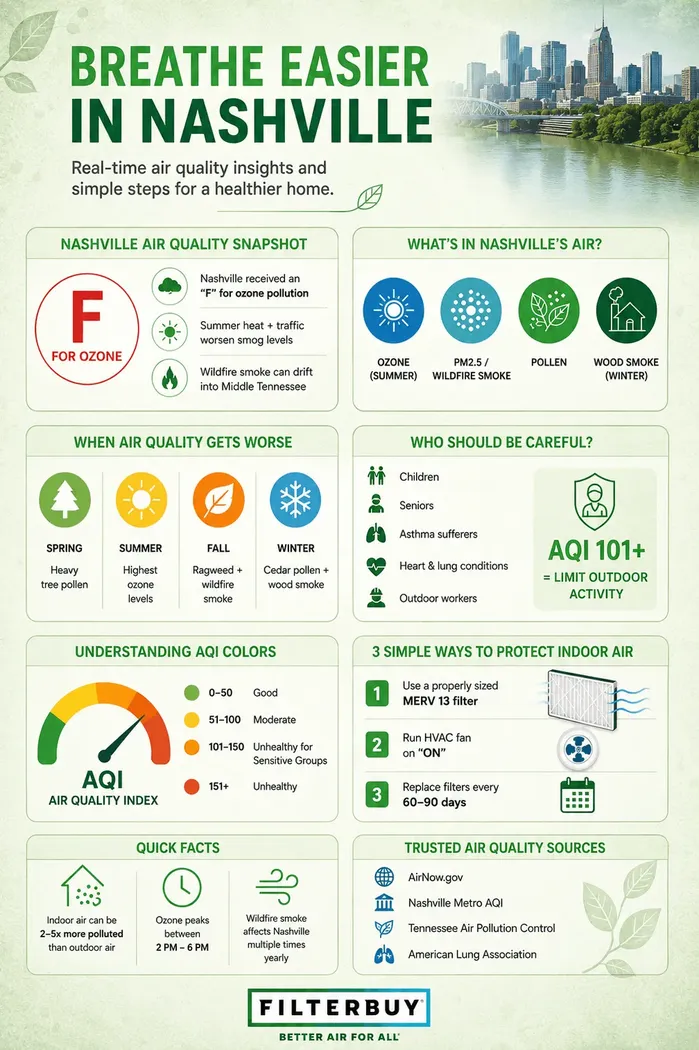
Nashville's air just earned an F. The American Lung Association's 2026 State of the Air report dropped the Nashville-Davidson-Murfreesboro metro to a failing grade for ozone smog, and over 427,343 children across Tennessee are now breathing unhealthy air. After manufacturing filters for over a decade and serving more than two million households, we've watched this play out across the state. Pollen climbs in March, ozone spikes in July, wildfire smoke drifts in from two states away in October, and cedar pollen ambushes families on a January morning when nobody saw it coming. The map above shows what your air is doing this hour, in your neighborhood, with the same readings the EPA monitors are reporting right now.
TL;DR Quick Answers
Nashville's air is usually safe, but variable. Glance at the live map above before going out, especially in summer.
Ozone is Nashville's most common pollutant problem, driving most Code Orange days from June through August.
The Nashville-Davidson-Murfreesboro metro got an F for ozone in the American Lung Association's 2026 report.
Sensitive groups should ease back at AQI 101 and above. Healthy adults should ease back at 151 and above.
Wildfire smoke and ragweed are the biggest fall and shoulder-season concerns in Middle Tennessee.
A properly sized MERV 13 filter running on a continuous fan during alert days is the single highest-leverage indoor action a Nashville household can take.
Top Takeaways
Nashville's air shifts seasonally. Ozone dominates summer, ragweed and PM2.5 take over fall, and pollen and wood smoke share the winter.
The Nashville-Davidson-Murfreesboro metro currently holds an F grade for ozone from the American Lung Association's most recent report.
Sensitive groups feel the changes first. Children, seniors, and anyone with asthma or heart disease should treat AQI 101 and above as their cue to head indoors.
Indoor filtration is the lever most families haven't pulled yet. A correctly sized MERV 13 filter on a continuous fan does most of the real protective work.
Understanding Nashville's Air Quality at a Glance
How to Read the Live AQI Map for Nashville
The Air Quality Index runs from 0 to 500, and the EPA built it so anyone can glance at a color and act on it. Green (0 to 50) is Nashville's good-day band. Yellow (51 to 100) still works for most adults, though anyone with asthma should watch how their lungs feel by mid-afternoon. Orange (101 to 150) is the cutoff where kids, people over 65, and anyone with a respiratory or heart condition should pull back on heavy outdoor activity. Red, purple, and maroon mean the air is unhealthy for everyone, and indoor protection becomes the priority.
The live map at the top of this page pulls real-time readings from EPA monitors across the metro and Davidson County. On summer days, the dominant pollutant is usually ground-level ozone. In late spring and fall, fine particulate matter (PM2.5) often takes over, especially when wildfire smoke is moving overhead. For background on the index itself, see the entry on the Air Quality Index. To check conditions elsewhere across the country, you can also pull up our live USA AQI map.
What Drives Nashville's Air Day to Day
Four pollutants move Nashville's AQI more than any others. Ground-level ozone forms when summer heat and sunlight cook the exhaust from I-40, I-24, and I-65 traffic into a respiratory irritant. PM2.5, the fine particulate fraction small enough to slip past your body's defenses, comes from tailpipes, construction sites, and increasingly from long-range wildfire smoke. Pollen isn't a regulated AQI pollutant, but for an allergy household, it acts like one. Wood smoke from fireplaces and outdoor burning adds a winter spike on cold, still nights when the air mass refuses to mix.
The Cumberland River basin matters too. On calm mornings, a temperature inversion can trap pollutants close to the ground until the sun heats the surface enough to break the layer, which is why some days start in the yellow and only clear up by mid-afternoon.

Nashville Air Quality by Season
Each season puts a different pollutant out front.
Spring (March through May): Tree pollen peaks across the city. Oak, maple, and hickory dominate the count, and ozone starts climbing as days get longer.
Summer (June through August): Ozone owns the headline. Code Orange days cluster from late June through early August, with the worst readings between 2 and 6 p.m. when sunlight is strongest.
Fall (September through November): Ragweed takes over for allergy households. The first cool fronts can pin PM2.5 in the river basin overnight, and wildfire smoke transport from the west can persist into early October.
Winter (December through February): Cedar pollen catches Tennesseans off guard in January and February. Wood smoke from fireplaces builds up on cold, still nights, especially in older neighborhoods.
Knowing the dominant seasonal pollutant changes how you protect your home. A pollen-heavy spring rewards tight window discipline and a higher-efficiency filter on the HVAC return. A smoky August asks that same filter to work harder, with the system fan running continuously to keep indoor air cycling through filtration.
Who Is Most at Risk in Davidson County
Some Nashvillians feel air quality shifts more than others. The list runs through children whose lungs are still developing, adults over 65, anyone with asthma or COPD or heart disease, pregnant residents, and outdoor workers on construction sites and landscaping crews. For these households, an Unhealthy for Sensitive Groups day is the cue to move planned exercise indoors and to keep windows shut.
Davidson County air quality varies from neighborhood to neighborhood as well. Homes near major interstates and downtown corridors tend to see higher PM2.5 readings than those further out toward the county line. The live map at the top of this page shows the nearest monitor to your address, which is a better guide than a single citywide number when you're deciding whether to walk the dog at noon.
Across more than a decade of building filters for American homes, the pattern I see in Tennessee is the gap between what families think their air is doing and what it actually does. Nashville households that watch their local AQI and run a properly sized filter on a continuous fan during alert days notice the difference within a week. The families who breathe easier are the ones who built that habit and trusted their filtration to do the work.
— Filterbuy Team
7 Essential Nashville Air Quality Resources Worth Bookmarking
The federal, state, and local pages below cover every angle a Nashville household needs for daily air decisions.
1. EPA AirNow's Live Nashville Reading
This is the EPA's official network, with hourly updates pulled straight from the monitors that drive every AQI you'll see anywhere else. Bookmark it for daily checks during ozone season and on wildfire smoke days.
Source: www.airnow.gov/?city=Nashville&state=TN&country=USA
2. Nashville Metro Public Health's Daily AQI and Pollen Count
Nashville's own Air Pollution Control Division publishes a daily forecast and a same-day pollen count for Davidson County, which makes this the most hyper-local source on the list.
3. EPA's Criteria Air Pollutants Overview
EPA's plain-language explainer covers the six pollutants that drive any AQI score: ozone, particulate matter, carbon monoxide, lead, nitrogen dioxide, and sulfur dioxide. Worth a read if you want to know what the numbers actually measure.
Source: www.epa.gov/criteria-air-pollutants
4. CDC's Guide to Air Pollutants and Particulate Matter Health Effects
The CDC walks through how the six criteria pollutants — including PM2.5, PM10, and ozone — affect the lungs and the cardiovascular system. This is the plainest English summary we've found for why fine particles matter.
Source: www.cdc.gov/air-quality/pollutants/index.html
5. Tennessee Department of Environment and Conservation — Air Pollution Control
Tennessee's environmental agency runs the state's monitoring network, issues Code Orange and Code Red alerts, and publishes the statewide forecasts that local news picks up.
Source: www.tn.gov/environment/air.html
6. American Lung Association's Nashville Metro Report Card
The Lung Association grades every U.S. metro area's air each year, and the Nashville-Davidson-Murfreesboro report card is where you can see how the city is trending against the rest of the country.
Source: www.lung.org/research/sota/city-rankings/msas/nashville-davidson-murfreesboro-tn
7. AAFA's Certified Asthma & Allergy Friendly Product Database
AAFA tests and certifies products against science-based standards for reducing allergen exposure indoors. The certified list is a useful filter when you're shopping for anything an allergy household member will put in the bedroom.
Source: aafa.org/programs/certified-asthma-allergy-friendly/
3 Numbers That Tell the Real Story of Nashville's Air
Three figures from independent authorities explain why a live AQI habit and the right indoor filtration matter in Middle Tennessee.
Stat 1 — The Nashville Metro Currently Holds an F Grade for Ozone Pollution
The American Lung Association's 2026 State of the Air report dropped the Nashville-Davidson-Murfreesboro metro to an F grade for ozone smog, and over 427,343 children across Tennessee are now breathing unhealthy air. The Nashville metro ranking worsened from 75th worst in the prior year to 66th worst in the nation for ozone pollution.
Source: www.lung.org/media/press-releases/fy26-sota-tennessee
Stat 2 — Roughly 1 in 12 Americans Currently Lives With Asthma
The CDC's most recent national surveillance puts current asthma prevalence at approximately 8.2 percent of the U.S. population, or about 26.8 million people. Asthma is the most common chronic respiratory condition that responds directly to changes in outdoor air quality.
Source: www.cdc.gov/asthma-data/about/most-recent-asthma-data.html
Stat 3 — EPA Tightened the Annual PM2.5 Standard to 9 Micrograms per Cubic Meter in 2024
EPA cut the federal annual primary standard for fine particulate matter from 12 µg/m³ to 9 µg/m³ in February 2024, the strictest benchmark in the standard's history. Nashville's monitors now report against that tighter line.
Source: www.epa.gov/pm-pollution/national-ambient-air-quality-standards-naaqs-pm
Our Honest Take on Nashville's Air
In our experience working with customers across Tennessee, the families who handle Nashville air best aren't the ones with the fanciest equipment. They're the ones who built two habits and stuck with them.
Habit one is glancing at the live AQI before opening windows or planning anything outside, especially from late June through August and on smoke-advisory days. Habit two is running a properly sized, higher-efficiency filter on the HVAC return and flipping the system fan to “on” rather than “auto” on the days the air is rough.
Most of the air quality conversation focuses on what's happening outside, which is the part you can't control. The cubic feet of air your family actually breathes inside the house, though, is something you can. That's where most Nashville households leave the easy wins on the table.
Your Next Steps Toward Cleaner Indoor Air
Bookmark the live map above and check it before outdoor activity from late spring through early fall.
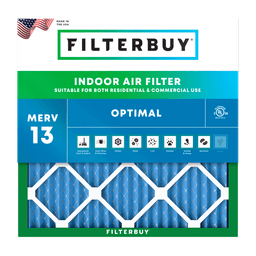
Upgrade to a properly sized MERV 13 filter for your HVAC return. MERV 13 captures pollen, mold spores, and a meaningful share of PM2.5.
Run the HVAC fan on “on” during Code Orange or higher days. Continuous circulation pulls indoor air through the filter four or five times more per hour than the default “auto” setting.
Frequently Asked Questions
Find the Right Filter for Your Nashville Home
Better Nashville air starts with what you put on your HVAC return. Find the right size and efficiency for your home in under a minute, shipped straight from our American manufacturing facility to your door.