The moment a wildfire starts near you, you'll get an instant alert and simple tips to reduce your smoke exposure.
30xSmaller than a human hair
Fine enough to reach deep into the lungs. A MERV 13 is built to capture it.
It Doesn't Stay Local
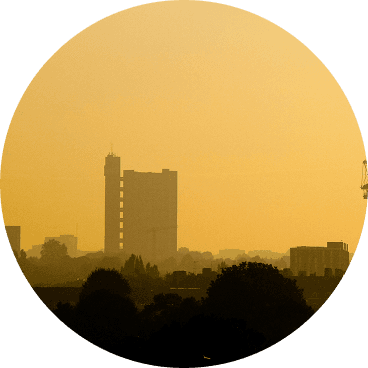
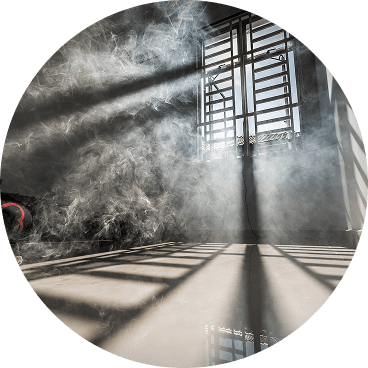
Smoke rides the wind far downwind — you can get smoky air with no fire nearby.
Simple steps to reduce indoor exposure.
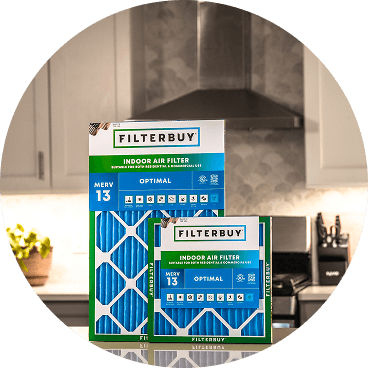
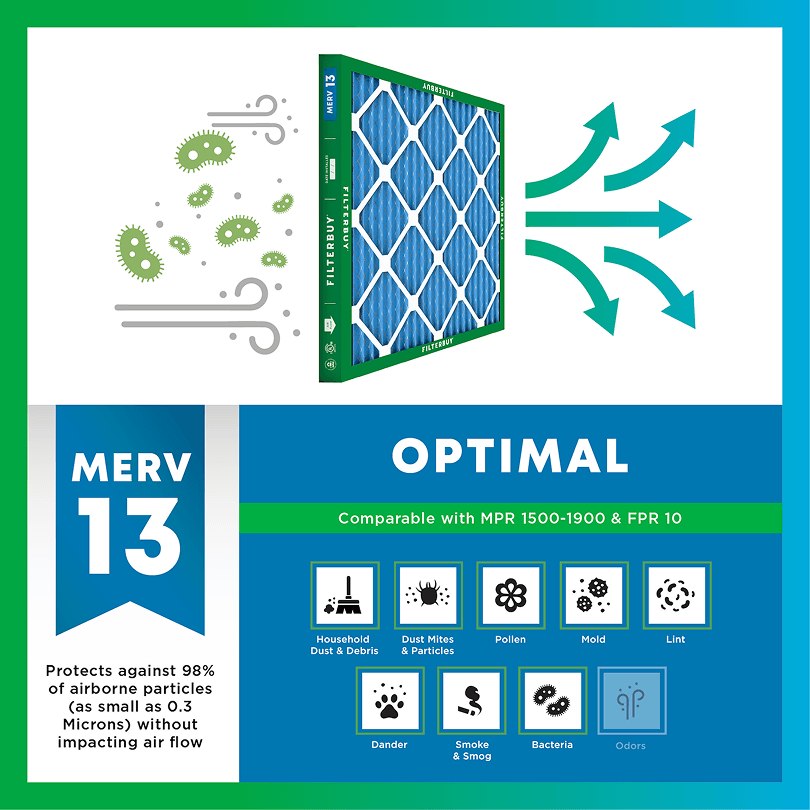
During smoke events, the EPA recommends upgrading to a MERV 13 filter — or the highest-rated filter your system can handle — to help reduce the fine particles smoke brings indoors. MERV 13 is the level most home HVAC systems can run while still capturing PM2.5, the fine particulate that makes up the bulk of wildfire smoke.
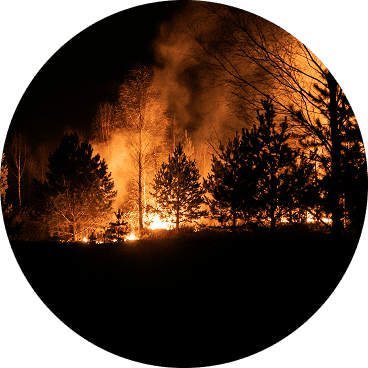
Over 70,000 wildfires burn in the U.S. every year.
Wildfire smoke can travel 1,000+ miles, affecting states that aren't even near the blaze.
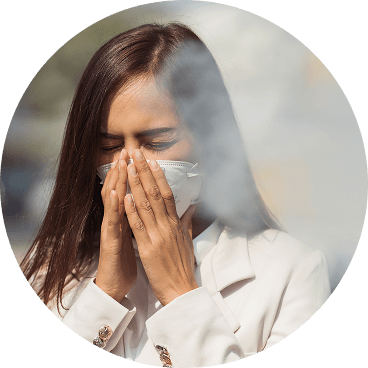
Exposure to wildfire smoke can worsen asthma, trigger heart issues, and lead to ER visits.
Indoor air can hold more fine particles during wildfire events unless it's properly filtered.
The EPA advises using MERV 13 filters or portable HEPA air cleaners during wildfire smoke events.
Use the live wildfire smoke tracker and upgrade your air filters today to protect your lungs and your home.
Shop Filters For Smoke Protection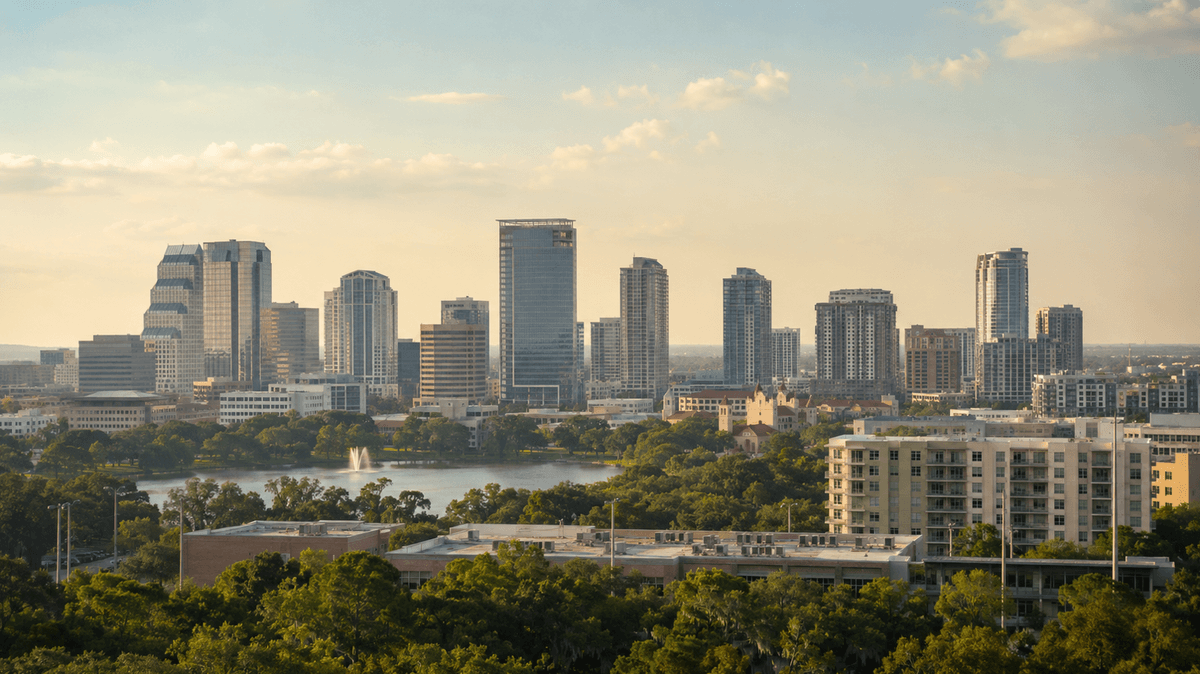
By Michelle Wan, Brand Manager & Air Quality Writer
Reviewed By: David Clark, Licensed HVAC Technician
Published: July 28, 2026 | Updated: July 28, 2026
Is wildfire smoke reaching Orlando right now? Filterbuy has tracked brush fires, dry-season burns, and drifting Everglades smoke over Central Florida long enough to know a clear sky doesn't mean clean air. That is why we built this page around one live map, the same one our team checks before recommending a MERV 13 upgrade. Check it below, then follow our guidance.
Orlando does not often burn locally, but wildfire smoke still reaches Central Florida during dry season and Everglades fires. The live map above tracks fire locations, smoke plumes, and AQI in one view. When smoke arrives, a MERV 13 filter from Filterbuy is your best indoor defense.
Orlando rarely has wildfires within city limits, but smoke from South Florida brush fires and prescribed burns can lower air quality.
The AirNow Fire and Smoke Map shows active fire detections and PM2.5 plume tracking for Orlando in real time.
Florida's dry season, roughly November through May, is when wildfire and smoke risk peaks, though fires can occur year-round in drought.
Orange County burn ban status can change quickly with drought. Confirm current status with Orange County Fire Rescue or the Florida Forest Service.
A MERV 13 air filter is the EPA-recommended minimum for capturing fine PM2.5 in wildfire smoke, unlike standard MERV 8 filters.
The live map at the top of this page shows current wildfire and smoke conditions for Orlando, combining fire detections with real-time PM2.5 plume data and local AQI.
Orlando sits well away from the large pine and scrub forests that drive most of Florida's wildfire activity, so a fire starting within city limits is uncommon. We hear the same surprise from Central Florida customers most dry seasons. The sky looks clear, then a filter comes back gray a week later. Dry-season fires in the Ocala National Forest, brush and Everglades fires to the south, and prescribed burns can all send smoke drifting into Orange County depending on the wind.
Wildfire coverage nationally tends to focus on California, the Pacific Northwest, and the Rocky Mountain states, where fire seasons stretch for months. We see a different rhythm in our order data. Central Florida filter orders spike for a week or two after one fire, not for months at a stretch like they do out West.
South Florida cities like Miami face a related but distinct pattern from Everglades fires. See Filterbuy's Miami wildfire and smoke map, or the Florida statewide wildfire and smoke map for conditions beyond Orange County.
This page focuses specifically on wildfire and smoke conditions. For the fuller day-to-day picture, including ozone and other non-fire pollutants, see Filterbuy's live Orlando AQI map.
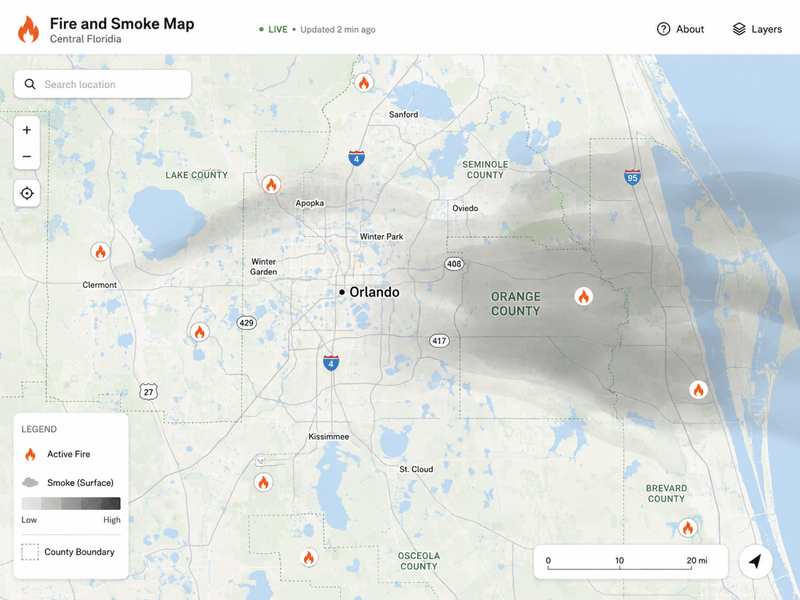
The map above draws on data from the AirNow Fire and Smoke Map, the joint EPA/U.S. Forest Service tool. Here is what each layer tells you.
Red or orange icons mark detected fire locations, including size and containment.
Gray shaded areas mark modeled smoke plume coverage, showing where PM2.5 is traveling.
Colored AQI dials show current air quality at monitors near Orlando, on the standard 0 to 500 scale.
Zooming into Orange County narrows the view to fires and smoke affecting Central Florida.
This is the same map our team checks before recommending a filter change to a Central Florida customer. Check it again later in the day if conditions look borderline, since Florida's afternoon sea breeze can shift smoke into or out of Orlando within hours.
AQI categories and guidance follow the EPA's official Air Quality Index scale, per AirNow.gov.
Orange County has used countywide burn bans during past dry stretches, triggered once the drought index crosses a set threshold and lifted after sustained rain.
As of this writing, Orange County Fire Rescue's burn ban status shows no countywide ban in effect, though that can change fast with drought. Nationally, wildland fire agencies remain at National Preparedness Level 5, NIFC's highest tier, and Florida had four active large fires as of late July 2026, including one in Big Cypress National Preserve.
The more immediate risk comes from Florida's dry season and Everglades fires. Check conditions before outdoor plans, and watch for restrictions from Orange County Fire Rescue.
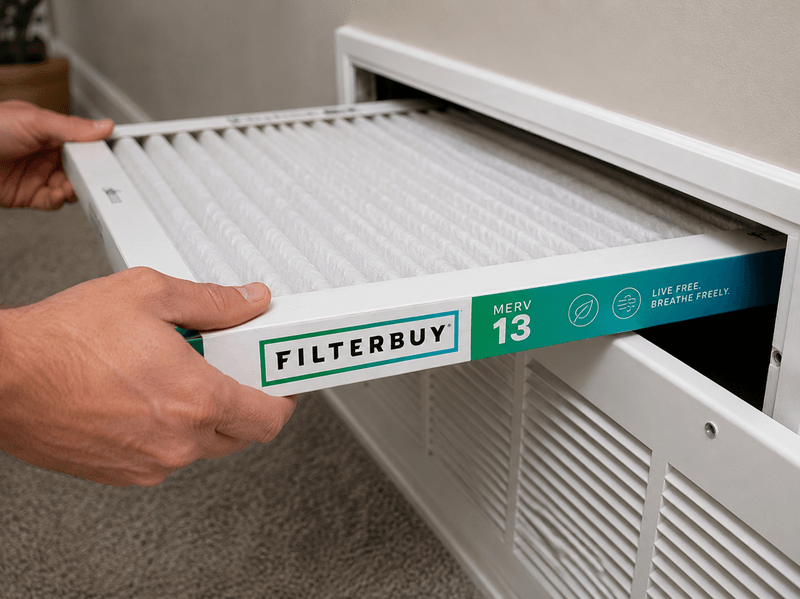
When the map above shows smoke over Orlando or the AQI climbs into Moderate or higher, a few steps make the biggest difference for the air inside your home.
Close windows and doors, and switch any fresh-air intake to recirculate.
Set your HVAC fan to run continuously, not just on thermostat calls, so air keeps moving through the filter.
Upgrade to a Filterbuy MERV 13 filter if your system can handle it; the EPA-recommended minimum for smoke's PM2.5.
Check your filter more often during a smoke event, since it loads with soot faster than usual.
If anyone in the household has asthma, COPD, heart disease, or is pregnant, follow CDC guidance on exposure.
Once the map and your AQI reading clear, return to your regular filter schedule.
I’ve pulled filters out of Central Florida systems the week after a smoke event, and the difference between a MERV 8 and a MERV 13 is visible with the naked eye. The higher-rated filter is doing real, visible work.
David Clark, Licensed HVAC Technician, Filterbuy
This EPA and U.S. Forest Service guide explains what the fire icons, plumes, and AQI dial mean.
Source: Using AirNow During Wildfires, EPA / U.S. Forest Service
The Florida Forest Service tracks every active wildfire and burn ban statewide.
Source: FDACS: Current Wildfire Information, Florida Forest Service
The NWS office covering Central Florida issues the fire weather outlook that decides where smoke drifts next.
Source: NWS Melbourne: Fire Weather Threat, National Weather Service
NIFC's daily report shows the National Preparedness Level and every large fire nationwide.
Source: NIFC: National Fire News, National Interagency Fire Center
This EPA guide lays out the MERV 13 recommendation and HVAC steps once smoke is confirmed nearby.
Source: EPA: Preparing for Smoke and Heat, U.S. EPA
Ready.gov's federal wildfire guide covers evacuation planning and emergency supplies.
Source: Ready.gov: Wildfires, U.S. Department of Homeland Security
The American Lung Association explains who faces the highest health risk from smoke.
Source: American Lung Association: Wildfire Smoke and Lung Health, American Lung Association
A 10 µg/m³ rise in wildfire-specific PM2.5 raises respiratory hospitalizations 1.3% to 10%, versus 0.67% to 1.3% for other PM2.5.
Source: Aguilera et al., Nature Communications, 2021 (PMC7935892)
Anyone with asthma, COPD, heart disease, diabetes, chronic kidney disease, or who is pregnant faces added risk.
Source: CDC: Wildfire Smoke Risk Factors
Orange County, home to Orlando, has more than 1.5 million residents.
Source: U.S. Census Bureau QuickFacts: Orange County, Florida
Orlando's wildfire risk is real, but it looks nothing like the months-long sieges covered out West. Here is what actually matters day to day.
Smoke arrives as short, wind-driven events tied to a specific dry-season fire or Everglades brush fire, not a sustained season.
The live map above, paired with burn ban status and AQI, tells you today's real risk instead of the color of the sky.
Preparedness beats reaction. A filter change takes minutes, and smoke events do not wait for you to catch up.
Our opinion, formed from watching Central Florida homes move through these smoky stretches, is that most households wait too long to act. The homes that ride out a smoke event most comfortably already had a MERV 13 filter in place before the map turned gray.
Check the live map at the top of this page for fire, plume, and AQI data.
Smoke from the Everglades or Ocala National Forest can travel on the wind and reach Orlando with no fire nearby.
Above 100, sensitive groups should limit outdoor exertion. Above 150, the EPA recommends everyone limit outdoor time.
Status changes with drought. Confirm current status with Orange County Fire Rescue or the Florida Forest Service.
This page covers active fires and smoke. The Orlando AQI page covers the fuller day-to-day picture, including ozone.
Bookmark this page and check back when Central Florida skies look hazy. Keep a Filterbuy MERV 13 filter on hand year-round. Shop MERV 13 Air Filters
AQI (Air Quality Index)
A 0 to 500 EPA scale showing how polluted air is and which precautions apply.
PM2.5
Fine particulate matter 2.5 micrometers or smaller, the main harmful component of smoke.
MERV (Minimum Efficiency Reporting Value)
A 1 to 20 scale rating for filter capture, with MERV 13 the EPA-recommended minimum for smoke.
Fire and Smoke Map
The EPA/U.S. Forest Service tool combining fire detections, plume modeling, and AQI in one map.
Burn Ban
A county-level ban on outdoor burning, triggered once a drought index crosses a limit.
Prescribed Fire
A planned, permitted burn that reduces wildfire fuel and creates temporary smoke.
Dry Season (Florida)
Roughly November through May, when Florida gets the least rain and wildfire risk peaks.
Subscribe to wildfire smoke alerts for Orlando, FL, to get a heads-up before the next event reaches your area.