
Virginia Beach Real-Time AQI Tracker


Get Alerts For Unhealthy AQI In Your Area
When air quality in your area reaches unhealthy levels, we'll send you a quick alert, along with expert tips on how to reduce your exposure.
What's Actually In Virginia Beach Air Today?
What High AQI Means for Your Lungs in Virginia Beach
How to Read AQI
The Air Quality Index (AQI) measures how polluted the air is and how it may affect your health.
0–50 (Good): Air quality is satisfactory.
51–100 (Moderate): Acceptable, but some pollutants may pose minor concerns.
101–150 (Unhealthy for Sensitive Groups)
151–200 (Unhealthy)
201–300 (Very Unhealthy)
301+ (Hazardous)
Moderate
Still okay for most, but if you have asthma or allergies, take it easy and avoid long outdoor workouts.
Shop MERV 11 filters→What's the Right Filter for Your AQI Level?
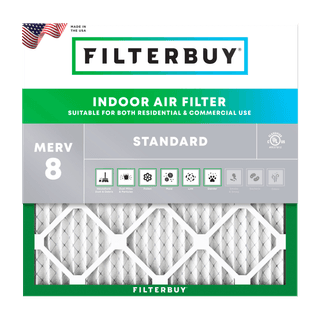
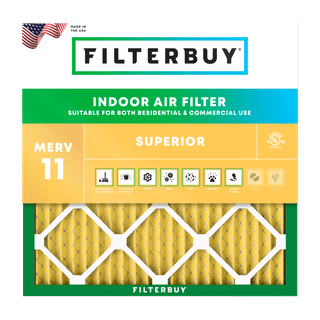
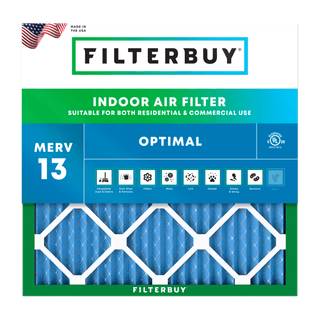



Check Today's Live Real Time Air Quality Index AQI Map In Virginia Beach, VA Now
By Michelle Wan, Brand Manager & Air Quality Writer | Reviewed by David Clark, Licensed HVAC Technician | Published: July 5, 2026 | Updated: July 5, 2026
On a hot July afternoon in Virginia Beach, the ocean breeze can feel spotless while ground-level ozone quietly climbs over the Oceanfront and the neighborhoods off Virginia Beach Boulevard. You can't see it, and at low levels you can't smell it, yet it shapes whether it's safe to run the Boardwalk, coach a youth practice, or leave the windows open overnight.
Filterbuy built this live tracker so you can check Virginia Beach's air the moment you need to and act on real numbers instead of guesswork. We've spent years learning what clean air actually takes, and we've watched how much a single reading can change a family's day. The map below closes the gap between what the air looks like and what it really holds.
I read Virginia Beach's numbers every week, and the thing that still catches people off guard is how a postcard-blue sky can hide a high-ozone afternoon. The coast does so much of the cleanup for us that the bad days sneak up on families who have stopped looking. My rule for our readers is simple: Don't trust the view, trust the reading. The ten seconds it takes to check the map can be the difference between a windows-open evening and a rough night for anyone in the house with asthma.
Michelle Wan, Air Quality Writer, Filterbuy
Live Air Quality Index (AQI) Map For Virginia Beach, VA
Read The Map For Your Corner Of Virginia Beach
One citywide number rarely tells the whole story. The Oceanfront, the Bay side, and the inland neighborhoods near I-264 do not always read the same, especially during smoke events or on bay-breeze afternoons. Zoom the live map to the monitor closest to you, or to wherever you are headed, and trust that reading over the citywide average.
How To Read Virginia Beach's Air Quality Index
The Air Quality Index (AQI) turns pollutant concentrations into one number from 0 to 500 and a matching color, so you can judge the air at a glance. The higher the number, the more pollution and the greater the health concern. If you want the full breakdown of what the Air Quality Index measures, we cover it in depth. Each band below carries its own meaning for daily life in Virginia Beach.
Categories follow the U.S. EPA Air Quality Index scale.
What Drives Air Quality In Virginia Beach
Virginia's Department of Environmental Quality monitors ozone and particle pollution across the state and issues daily forecasts and Action Day alerts for the Hampton Roads region. Ground-level ozone is the local standout, forming when sunlight cooks vehicle and industrial emissions on hot, low-wind afternoons, which is why the state's ozone season runs April through September.
Source: Virginia DEQ Current Air Quality and Forecast
Fine particle pollution behaves differently. Virginia Beach's onshore winds usually sweep particles out to sea, which keeps PM2.5 low most of the year. The exception is smoke, and you can read how Canadian wildfire smoke reaches the Mid-Atlantic when fires burn hundreds of miles away and their plumes ride weather systems into the region.
When wildfire smoke reaches an area, the fine particles it carries can irritate airways and strain the heart and lungs even far from the flames, raising the risk of respiratory problems for sensitive people. Source: Aguilera et al., wildfire PM2.5 and respiratory health, Nature Communications (2021)
That gap between the outdoor air and the air in your living room is exactly where Filterbuy lives. You can't control the ozone off the coast, but you can control what your HVAC system pulls through the house.
Why Virginia Beach's Coast Cuts Both Ways
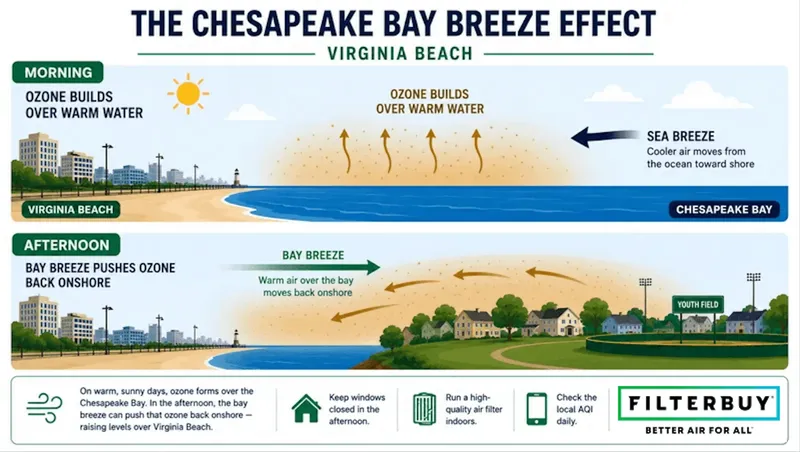
The part most air quality sites skip is that Virginia Beach's coast can work both ways. The sea breeze that keeps the air clean on most days can turn on you during the hottest afternoons. Ozone builds over the warm water through the morning, and the Chesapeake Bay breeze can carry it back onshore after lunch, right over the neighborhoods where people live. NASA studied this effect from its Langley Research Center in Hampton, and long-term monitoring in the area has found ozone running a few parts per billion higher on bay-breeze afternoons than on calm days.
What that means for you:
The clearest-looking summer afternoons can still carry the day's highest ozone.
The bay breeze usually arrives in the early-to-mid afternoon, the same window kids are often outside.
Check the live reading before a 2 p.m. practice or run, not just when you wake up.
It's why our team at Filterbuy tells Hampton Roads families to check the reading at 2 p.m., not only at sunrise. Source: NASA, studying ozone and bay-breeze recirculation over the Chesapeake Bay
Virginia Beach Air Quality Season By Season
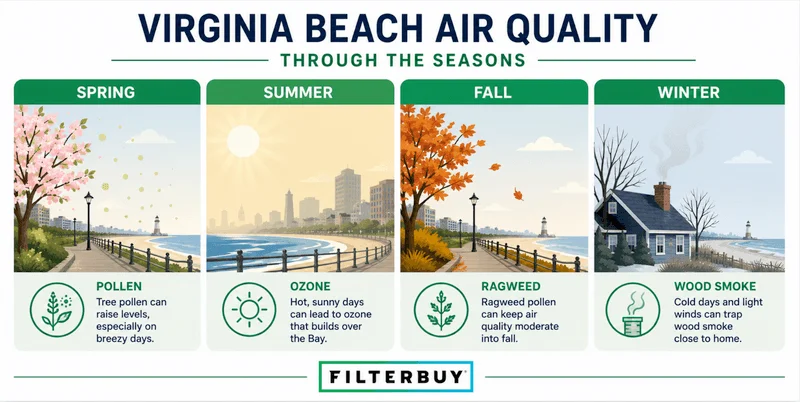
Air quality here follows a rhythm, and knowing it lets you plan ahead instead of reacting. This is what our team at Filterbuy watches through the year.
Expert Insight From Filterbuy
After manufacturing filters for over a decade and serving more than two million households, I can tell you the families who breathe easiest are the ones who treat their home like the last line of defense. When Virginia Beach has a high-ozone afternoon or smoke drifts in, you can't control the outdoor air, but you can control what your HVAC system pulls through the house. A quality filter, changed on schedule, turns your home into the cleanest room in the city.
David Heacock, Founder & CEO, Filterbuy
7 Trusted Resources That Make Virginia Beach's Invisible Air Visible
You can't see what drifts over the Oceanfront on a hot afternoon, but you can track it. These are the seven sources our air-obsessed team at Filterbuy opens first when a Hampton Roads family asks what is really in their air. Save them now, before the next smoky forecast.
Start With The Reading The Pros Trust
This is the map we keep open on smoke days. AirNow pairs official EPA monitors with live wildfire tracking, and its AirNow AQI Basics guide shows you what every color means for your family.
Meet The Summer Pollutant Hiding In Plain Sight
We have watched a clear Virginia Beach sky still carry enough ground-level ozone to matter, and it peaks on hot, still afternoons from April through September. The EPA ground-level ozone primer shows how sunlight and traffic emissions form it, and why it reaches kids and asthma sufferers first.
Know Exactly When To Bring Your Family Inside
When readers ask us what a number means for their day, this is where we point them. The CDC air quality and health guidance turns each AQI level into clear steps, so you can call a green light for the Boardwalk or an indoor afternoon with confidence.
Watch Your Local Air The Way Our Team Does
This is the forecast we use to call an ozone day early. Virginia's Department of Environmental Quality runs the monitors behind your readings, and its Virginia DEQ air quality reports show how Hampton Roads trends and when Action Days hit.
Get The Heads-Up Before The Air Turns
A bad-air day is far easier to handle when you see it coming. The forecasters at the National Weather Service Wakefield office cover Virginia Beach and issue air quality alerts across Hampton Roads, so you can move that morning run in time.
Check Virginia Beach's Yearly Air Report Card
We tell customers the good news up front. Your city keeps landing among the cleaner regions for short-term particles. The American Lung Association Virginia Beach report card shows the grades and the long-term trend behind that.
See What Dirty Air Actually Does To Your Body
This is where we make the invisible visible. The NIEHS air pollution health overview explains, in research you can trust, what ozone and fine particles do once you breathe them in, and why your home's filtration matters as much as the outdoor reading.
The Research Behind What You're Breathing
At Filterbuy, we don't ask you to take our word for it. Federal data and U.S. health authorities back the guidance on this page.
Wildfire smoke now reaches tens of millions at once.
37+ million Americans faced unhealthy air during the June 2025 Canadian smoke event.
Over 9 million landed in the Unhealthy range.
Source: U.S. Census Bureau, 2025 wildfire air quality
Nearly 28 million Americans live with asthma.
It is one of the nation's most common chronic diseases.
Higher-AQI days reach these sensitive groups first.
Source: Asthma and Allergy Foundation of America, Asthma Facts
Fine particles reach the heart, not just the lungs.
A study of 65.2 million U.S. Medicare patients tied wildfire PM2.5 to higher cardiovascular hospitalization.
These particles slip into the bloodstream, not only the airways.
Source: American College of Cardiology, wildfire smoke and heart risk
Air Quality Terms, Made Simple
A quick reference for the words on this page.
Final Thoughts And Opinion
After years of obsessing over air, we'll give it to you straight. Virginia Beach is lucky. The same Atlantic winds that make the Oceanfront worth living near also scrub the air most days of the year. That good fortune can make it easy to stop paying attention, and that's the trap. The days that matter most are the handful of hot ozone afternoons and the occasional smoke events, because those are the days your kids, your parents, and anyone with asthma feel it first. Checking the live reading takes ten seconds and puts you a step ahead. When you do upgrade your filtration, it's worth a minute to confirm which MERV rating fits your home so you protect your family without straining an older system.
Next Steps
Bookmark this page and check the live map before outdoor plans on hot summer afternoons.
Sign up for daily forecasts and Action Day alerts through Virginia's DEQ, linked in the resources above.
Not sure what your system takes? Measure your filter size so your replacement seals correctly with no bypass.
Upgrade your HVAC filter to capture fine particles indoors, then set a reminder or auto-delivery so you never run a clogged filter during a smoke event.
Frequently Asked Questions
Breathe Easier In Virginia Beach
You can't change the weather off the coast, but you can control the air inside your home. Filterbuy makes high-efficiency filters in the sizes your system actually needs, shipped to your door on a schedule you set. Shop MERV 13 air filters and make your home the cleanest room in Virginia Beach.