
Tallahassee Real-Time AQI Tracker


Get Alerts For Unhealthy AQI In Your Area
When air quality in your area reaches unhealthy levels, we'll send you a quick alert, along with expert tips on how to reduce your exposure.
What's Actually In Tallahassee Air Today?
What High AQI Means for Your Lungs in Tallahassee
How to Read AQI
The Air Quality Index (AQI) measures how polluted the air is and how it may affect your health.
0–50 (Good): Air quality is satisfactory.
51–100 (Moderate): Acceptable, but some pollutants may pose minor concerns.
101–150 (Unhealthy for Sensitive Groups)
151–200 (Unhealthy)
201–300 (Very Unhealthy)
301+ (Hazardous)
Moderate
Still okay for most, but if you have asthma or allergies, take it easy and avoid long outdoor workouts.
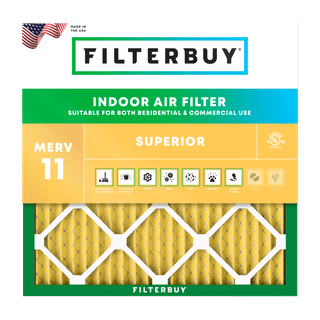
Shop MERV 11 filters→What's the Right Filter for Your AQI Level?
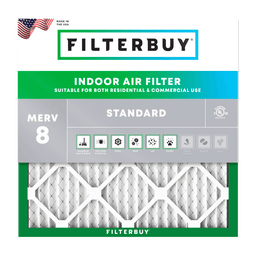
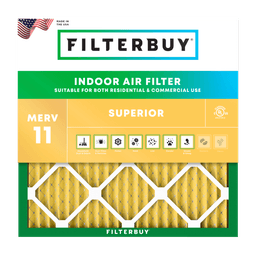
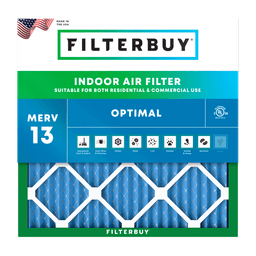

Check Today's Live Real Time Air Quality Index AQI Map in Tallahassee, FL Now
By Michelle Wan, Brand Manager & Air Quality Writer | Filterbuy · Reviewed by David Clark, Licensed HVAC Technician · Published July 21, 2026 · Updated July 21, 2026
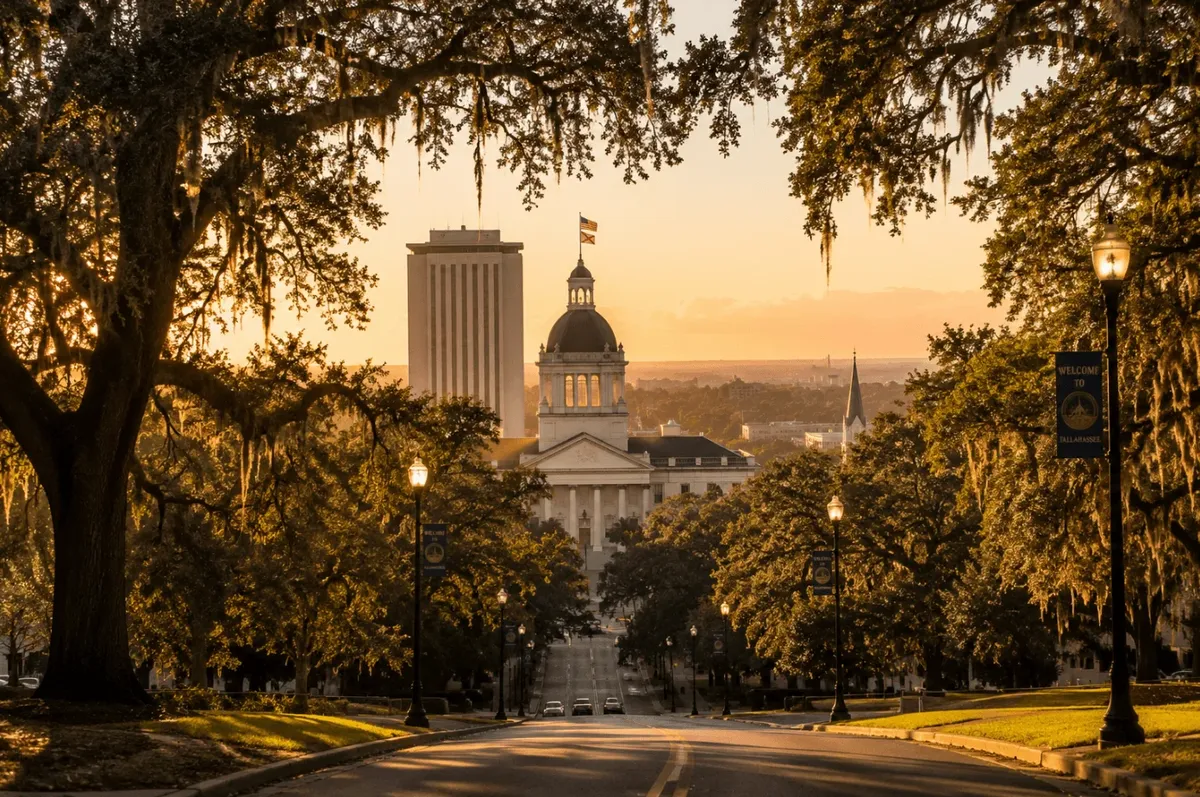
Most days, the air under Tallahassee’s live-oak canopy is some of the cleanest in the country. The metro consistently ranks among the nation’s best for ozone. Then a dry-season prescribed burn in the surrounding Red Hills sends smoke over the city on a still morning, and an AQI that read Good at sunrise can climb toward Unhealthy by lunch. At Filterbuy, we build the filters that end up in North Florida return vents, so those smoke days are exactly what we watch. The live map above shows where Tallahassee stands right now, so you can decide whether it’s a good morning for a run around Lake Ella or a better one to close the windows and let your HVAC do the breathing.
Quick Answers About Tallahassee Air Quality Today
What Is the Air Quality in Tallahassee Right Now?
Tallahassee's live air quality index (AQI) appears in the map above, updated continuously from EPA and Florida monitoring stations. Leon County usually remains in the Good range (0–50), thanks to some of the nation's cleanest ozone levels. The main exception is smoke from dry-season prescribed burns, which can briefly push AQI readings into the Unhealthy range. Check the live AQI before spending extended time outdoors, especially during burn season.
Top Takeaways
Tallahassee’s real-time AQI reads live from the map above, drawing on EPA AirNow and the Florida DEP Spatial Air Quality System, including the monitor at Tallahassee Community College in Leon County.
The Tallahassee metro ranks among the cleanest in the nation for ozone in the American Lung Association’s “State of the Air” report, with Leon County earning an “A” grade.
Prescribed-burn smoke, not industry, is the driver most likely to spike the AQI here. The surrounding Red Hills are one of the most actively burned landscapes in the U.S., mostly in dry winter and spring.
Spring tree pollen and summer ozone are the other local drivers. Pollen isn’t scored in the AQI, but it loads the same filter that captures fine smoke particles.
How to Read Tallahassee’s Live AQI Map
The AQI runs from 0 to 500 and reports the single pollutant with the highest reading at each monitor, usually PM2.5 or ozone in North Florida. An AQI at or below 100 meets the national air quality standard for that pollutant. The color on the live map tells you the category at a glance.
Tallahassee’s monitors report through two authoritative live sources you can cross-check against the map above: EPA’s AirNow platform and the Florida DEP Spatial Air Quality System, run from the department’s Tallahassee headquarters. For the wider picture, compare our Florida live AQI map and the national USA AQI map.
What Drives Air Quality in Tallahassee
Tallahassee’s air follows a seasonal rhythm shaped by forests, not factories.
Prescribed-burn and wildfire smoke is the driver that matters most here. Tallahassee sits in the Red Hills, one of the most actively burned landscapes in the country and a birthplace of fire ecology, where land managers set controlled fires mostly in the dry winter and spring. On a still morning or the wrong wind, that smoke settles over the city and spikes PM2.5 fast. In April 2024, smoke from surrounding prescribed burns pushed Tallahassee’s AQI to 174, firmly Unhealthy, even in a metro known as one of the nation’s cleanest for ozone.
Two milder drivers round out the year. Ground-level ozone climbs on hot, sunny summer afternoons, though Leon County’s “A” grade shows Tallahassee handles it better than most metros. Spring tree and grass pollen peaks in a city famous for its oaks and pines; pollen isn’t scored in the AQI, but it loads the same filters that capture fine particles, so it shapes what you breathe at home even on a Good-AQI day.
Tallahassee’s Air Quality Year, Season by Season
How to Tell When a Tallahassee Burn Day Is Coming
On a Tallahassee burn day, smoke usually settles overnight and reads worst in the early morning, then eases as the sun warms the air and an afternoon breeze mixes it out, the same pattern behind the April 2024 spike to 174. A few habits let you see it coming and plan around it:
Check the Fire and Smoke Map first. EPA AirNow’s Fire and Smoke Map flags active prescribed burns and the direction their plumes are drifting, often before the smoke reaches your street.
Treat still, cool winter and spring mornings as the risk window. Calm overnight air lets dry-season burn smoke pool near the ground, so the early hours most often read Orange or Red, and a breezy afternoon usually clears it.
Believe the number, not the view. Haze can look worse than it measures, and fine smoke can hang in a clear-looking sky, so let the live map, not the window, decide your morning plans.
Why the Number on the Map Affects Your Health
PM2.5, or fine particulate matter, is airborne particles about 2.5 micrometers wide or smaller, roughly thirty times thinner than a human hair. The EPA identifies PM2.5 as the pollutant that poses the greatest risk to health, because particles this small travel deep into the lungs and can pass into the bloodstream. The CDC links particle pollution to worsened asthma, heart attacks, and strokes, with children, older adults, and people managing heart or lung conditions most affected.
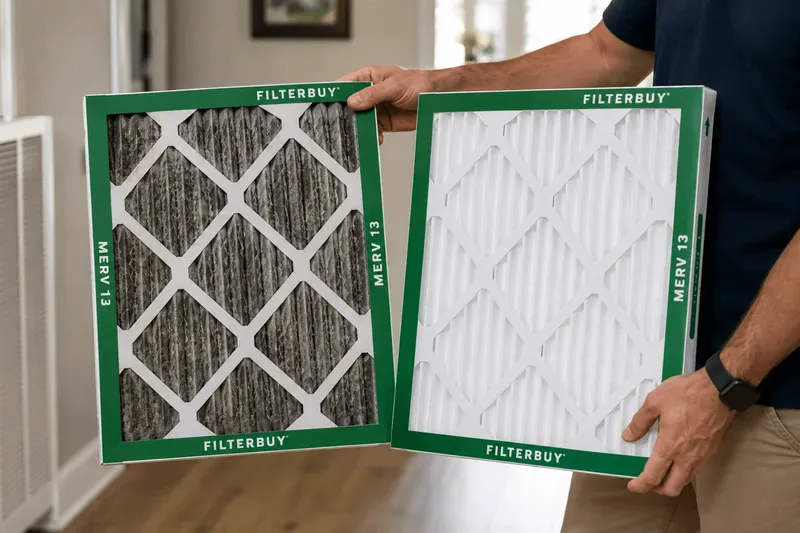
Smoke particles deserve extra respect: research on wildfire-specific PM2.5 found it far more harmful to respiratory health than the same amount from everyday sources, so a burn-smoke day can hit sensitive lungs harder than its number suggests. And most maps stop at the outdoor reading, yet you spend most of your day indoors, where those particles follow you through windows, doors, and your HVAC intake. What your filter captures decides how much of a smoky Tallahassee morning reaches your family, which is the whole job we design our filter media around. In the used filters that return to Filterbuy from North Florida homes, the ones pulled after a burn week are visibly grayer than a clean-month filter, a physical record of the smoke the map was flagging outside.
A Note From Our Air Quality Writer
What surprised me most covering North Florida is the contrast. Tallahassee has some of the cleanest air in the country most of the year. Then a burn day arrives and the number jumps in a way you almost never see in a city this clean. The first spring I watched the AQI climb past 150 before lunch under what looked like a perfectly clear sky, I stopped trusting the view out the window and started trusting the map. Now I keep it open the way other people keep a weather app.
Michelle Wan, Filterbuy Brand Manager and Air Quality Writer
7 Trusted Resources for Tracking Tallahassee’s Air Quality
These seven authoritative, independent resources cover Tallahassee’s air from every angle. Bookmark the live maps for a daily glance, and lean on the rest to understand what the numbers mean for your family.
1. See Your Live AQI and Catch Smoke Before It Reaches Your Door
EPA AirNow shows your real-time air quality index by ZIP code, and its companion Fire and Smoke Map flags prescribed-burn and wildfire haze while it is still upwind. Source: EPA AirNow real-time air quality and Fire and Smoke Map.
2. Check the Exact Air Monitor Nearest Your Neighborhood
The Florida DEP Spatial Air Quality System maps live ozone and PM2.5 at monitoring stations across Leon and neighboring counties, so you can see how your street compares to the metro-wide reading. Source: Florida DEP Spatial Air Quality System.
3. Understand the Pollutant That Poses the Greatest Health Risk
The EPA’s Particulate Matter Basics page explains what PM2.5 is and why particles this fine travel deep into the lungs and even into the bloodstream. Source: EPA Particulate Matter (PM) Basics.
4. Know When It’s Safe to Head Outside, and When to Wait
The CDC turns the AQI into plain, protective choices for the people who feel poor air first: children, older adults, and anyone managing asthma or a heart condition. Source: CDC air quality and health guidance.
5. Get Your Home Smoke-Ready Before Burn Season
ASHRAE Guideline 44 lays out how to protect a home’s occupants from wildfire and prescribed-burn smoke, pointing to MERV 13 filtration and simple sealing steps that keep smoke outside. Source: ASHRAE wildfire and prescribed-burn resources.
6. See How Tallahassee’s Air Ranks Against the Rest of the Country
The American Lung Association’s “State of the Air” report card grades Leon County on ozone and particle pollution and shows where the Tallahassee metro lands nationally. Source: American Lung Association “State of the Air” for Tallahassee.
7. Learn Why Burn-Smoke Days Hit Sensitive Lungs Harder
A peer-reviewed Nature Communications study found wildfire-specific PM2.5 far more harmful to respiratory health than the same amount of everyday PM2.5, the reason a smoke day deserves extra caution. Source: Aguilera et al., 2021 (Nature Communications).
Three Numbers Every Tallahassee Household Should Know
Sources: American Lung Association "State of the Air" (Leon County ozone "A" grade); April 2024 AQI 174 reading reported by the Tallahassee Democrat; Aguilera et al., 2021 (Nature Communications).
Sources: American Lung Association “State of the Air” for Tallahassee (Leon County ozone “A” grade); the April 2024 AQI 174 reading; Aguilera et al., 2021 (Nature Communications).
How MERV Filters Compare for North Florida Homes
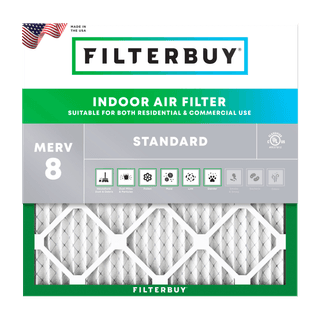
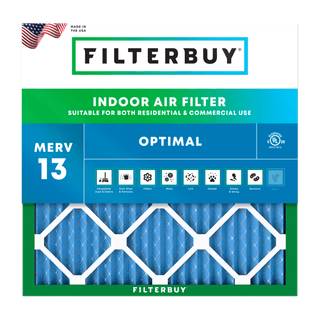
The filter in your return vent is the one variable here you fully control. For Tallahassee’s mix of pollen and burn-season smoke, the right MERV rating balances particle capture against the airflow your system can handle. After making filters in the USA for over a decade, and watching which ones North Florida homes wear out fastest, we treat MERV 13 as the sweet spot for most homes here, and the MERV 13 pleated filters we build at Filterbuy hit that balance.
MERV 13 suits most modern HVAC systems. Confirm your system’s airflow supports it before upgrading.
From the Filterbuy Team
We’ve spent over a decade making filters in the USA and studying the ones that come back to us. That vantage taught us something a map can’t: in North Florida, the filter is the last thing standing between a burn-day sky and the air your family breathes. It’s why we tell Tallahassee homeowners to watch the map, then check the filter, not one or the other.
The Filterbuy Team, making air filters in the USA since 2013
Supporting Statistics From Trusted U.S. Sources
Independent U.S. government sources back up the advice on this page. Three numbers stand out:
About 90% of your day is spent indoors. Some indoor pollutants run 2 to 5 times higher than outdoors, so an outdoor smoke day becomes an indoor-air problem. Source: U.S. EPA, Indoor Air Quality.
Florida burns about 2.1 million acres on purpose each year. That prescribed fire, among the most of any state, is what spikes Tallahassee’s AQI. Source: Florida Forest Service.
A high-efficiency filter can cut indoor PM2.5 by about 50%. Run your HVAC fan continuously during smoke events to get there. Source: U.S. EPA, wildfire smoke guidance.
Frequently Asked Questions
Protect Your Indoor Air on Tallahassee’s Higher-AQI Days
You can’t change when the Red Hills burn, but you decide what reaches your lungs at home. Match your system with a Filterbuy filter built for North Florida’s pollen and smoke, and breathe easier on every reading the map throws at you. Shop Filterbuy filters for your home, or set up auto-delivery so a fresh one always arrives on schedule.
Air Quality Terms, Defined
Quick definitions for the terms on this page, so every reading and recommendation stays clear.