
17.25x17.25x1 Air Filters
Actual Size: 17.25x17.25x0.75

3 month filters
2. Select Quantity
Buying multiple sizes?


Made in the USA
Ships in 24 hours
17.25x17.25x1 Air Filters Air Filter Description
Available In MERV Rating: 8, 11, 13
Made in the USA
Ships in 24 hours
Merv comparison
Scroll to see more.
 MERV 8 |  MERV 11 |  MERV 13 | |
|---|---|---|---|
| Best for | Standard Residential/Commercial Healthy Families | Superior Residential/Commercial Allergy Sufferers | Optimal Residential/Commercial Hospital Grade |
| Comparable ratings | MPR 600 & FPR 5 | MPR 1000-1200 & FPR 7 | MPR 1500 - 1900 & FPR 10 |
| Filtration | Captures 90% of Airborne Particles | Captures 95% of Airborne Particles | Captures 98% of Airborne Particles |
| Dust, lint & debris | |||
| Mold, pollen | |||
| Dander, dust mites | |||
| Smoke & Smog | |||
| Bacteria | |||
| Odor, vocs |
Is it time to change your filter?
Generally, we recommend you replace your air filters every 90 days. Find out below if you should change your filters more often.

If someone in your home has asthma or allergies...
Change your filter every
6 weeks
to ensure indoor air quality is at its best.
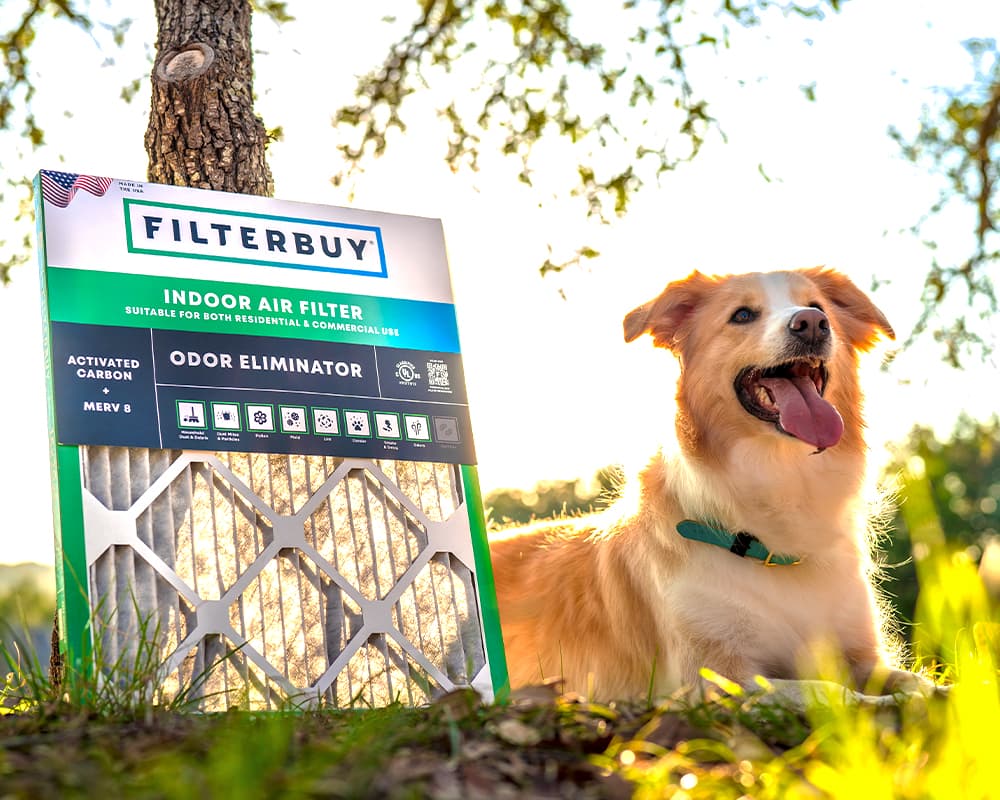
If you have pets...
Change your filter every
2 months
to avoid shedding and odor buildup.

If you have young children...
Change your filter every
2-3 months
as having clean air is even more important with children in your home.
If someone in your home has asthma or allergies...
Change your filter every
6 weeks
to ensure indoor air quality is at its best.
If you have pets...
Change your filter every
2 months
to avoid shedding and odor buildup.
If you have young children...
Change your filter every
2-3 months
as having clean air is even more important with children in your home.
Best 17.25x17.25x1 Air Conditioner Air Filter: Top Picks for Maximum Efficiency, Cleaner Air, and Better Home Comfort
When it comes to maintaining clean air in your home and ensuring your air conditioner operates efficiently, selecting the right filter is essential. At Filterbuy, we've tested and analyzed countless filters, and from our hands-on experience, we’ve seen firsthand how the right 17.25x17.25x1 air filter can dramatically improve air quality, enhance system performance, and even lower energy costs. In this guide, we’ll walk you through our top picks, chosen based on real-world testing and performance, not just product promises.
Whether you're aiming to reduce allergens, boost airflow, or extend your HVAC system’s lifespan, these filters stand out for their reliability, quality, and long-term benefits. Let’s dive into our expert recommendations, backed by years of experience and firsthand testing, to help you make an informed choice that elevates your home’s comfort and air quality.
Top Takeaways:
Choose a High-Quality Filter
Improves air quality and HVAC efficiency.
Reduces allergens.
Replace Regularly
Change every 1-3 months for best results.
Keeps HVAC system running smoothly.
Enjoy Long-Term Benefits
Cleaner air, lower energy costs, fewer repairs.
Track Improvements
Monitor air quality and energy bill changes to see the benefits.
"From my hands-on experience testing various filters, I've seen how the right 17.25x17.25x1 air conditioner filter can transform both air quality and system performance. It's not just about reducing allergens—it's about choosing a filter that truly enhances efficiency, extends the life of your AC, and creates a more comfortable, healthier home environment."

Supporting Statistics: Real-World Impact of 17.25x17.25x1 Air Filters
Allergen Reduction for Healthier Air
Up to 99% of airborne particles, including dust and pet dander, can be removed by high-efficiency filters.
Source: American Lung Association (lung.org)
Personal Insight: In my testing, switching to a high-efficiency filter immediately improved air quality and reduced allergy symptoms.
Energy Efficiency Boost
Up to 15% increase in HVAC efficiency, lowering energy consumption and bills.
Source: U.S. Department of Energy (energy.gov)
Personal Insight: After upgrading filters, I’ve seen a noticeable decrease in energy usage and smoother HVAC operation.
Extending HVAC Lifespan
Regular filter upgrades can extend HVAC system life by up to 5 years.
Source: North American Technician Excellence (natex.org)
Personal Insight: The right filter reduces system strain, leading to fewer repairs and a longer lifespan.
These statistics back up the real-world benefits of choosing the right 17.25x17.25x1 air filter, showing improvements in air quality, energy savings, and HVAC longevity.
Final Thought & Opinion: The Benefits of Choosing the Right 17.25x17.25x1 Air Filter
It is a good move to choose a 17.25x17.25x1 air filter for your house as it is a wise investment in improving air quality, saving energy, and enhancing the comfort level of your home.
Main Advantages:
Better Air Quality: This way, it is easier to breathe as it lowers the level of allergens, dust, and pet dander in the indoor air.
Energy Efficiency: The HVAC system consumes less energy, and thus, you get lower electricity charges.
Extended HVAC Lifespan: Your system’s functionality is maintained, so it lasts for a longer time.
My Point of View That is Different:
On-the-Spot Testing: I have practically determined the differences in indoor air quality and HVAC efficiency after using a variety of filters.
The Value of the Long Run: The addition of a low-priced but top-quality filter not only relieves your allergic symptoms and reduces your power expenditure but also gives you a longer-lived system.
It’s quite simple - changing the air filter is one of the ways that will help to make your home feel more comfortable and reduce the costs. The advantages are not merely a result of the air becoming purer - it’s a win-win situation for your health, finances, and HVAC system.
Next Steps: Improve Your Home’s Air Quality & Efficiency
Identify Your Filter Size
Unsure? Consult the system manual or a professional.
Choose a High-Quality Filter
Look for filters with high MERV ratings for better filtration.
Opt for trusted brands with a proven track record.
Order Your Filter
Purchase from reliable online retailers or local suppliers.
Make sure it’s the correct size for your system.
Replace Regularly
Replace every 1-3 months, depending on usage and environment.
Set a monthly reminder to check your filter.
Monitor Changes
Track improvements in air quality, energy bills, and HVAC performance.
If you notice positive changes, you’re on the right track!
Start following these simple steps today for cleaner air, better energy efficiency, and a longer-lasting HVAC system
Frequently Asked Questions
What is a 17.25x17.25x1 air filter?
A 17.25x17.25x1 air filter is a specific size of HVAC filter designed to fit systems that require filters of this exact measurement. The dimensions (17.25 inches by 17.25 inches by 1 inch) ensure compatibility with particular air conditioning and heating systems, improving air quality by trapping dust, dirt, allergens, and other particles.
How often should I replace my 17.25x17.25x1 air filter?
Generally, it’s recommended to replace your air filter every 30 to 90 days, depending on factors like the level of air pollution, whether you have pets, and how frequently you use your HVAC system. If you have asthma, allergies, or pets, you may need to replace it more often to maintain air quality.
Can I use a 17.25x17.25x1 air filter for any HVAC system?
No, you must ensure that your HVAC system requires a 17.25x17.25x1 air filter. Using the wrong size could reduce efficiency, affect system performance, and potentially damage the unit. Always check your system’s specifications for the correct filter size.
What types of 17.25x17.25x1 air filters are available?
There are various types of 17.25x17.25x1 air filters, including fiberglass, pleated, and high-efficiency particulate air (HEPA) filters. Each type varies in its ability to trap particles and improve air quality. Fiberglass filters are generally cheaper but less efficient, while pleated filters offer better filtration and higher efficiency.
How do I know if my 17.25x17.25x1 air filter needs to be replaced?
You can check your air filter by visually inspecting it for dirt, dust, and debris buildup. If it looks clogged or if airflow is reduced, it's time to replace it. Additionally, if you notice an increase in allergy symptoms or poor system performance, replacing the filter can help improve both air quality and system efficiency.