
Homeowner's HVAC Maintenance Guide
November 28, 2026
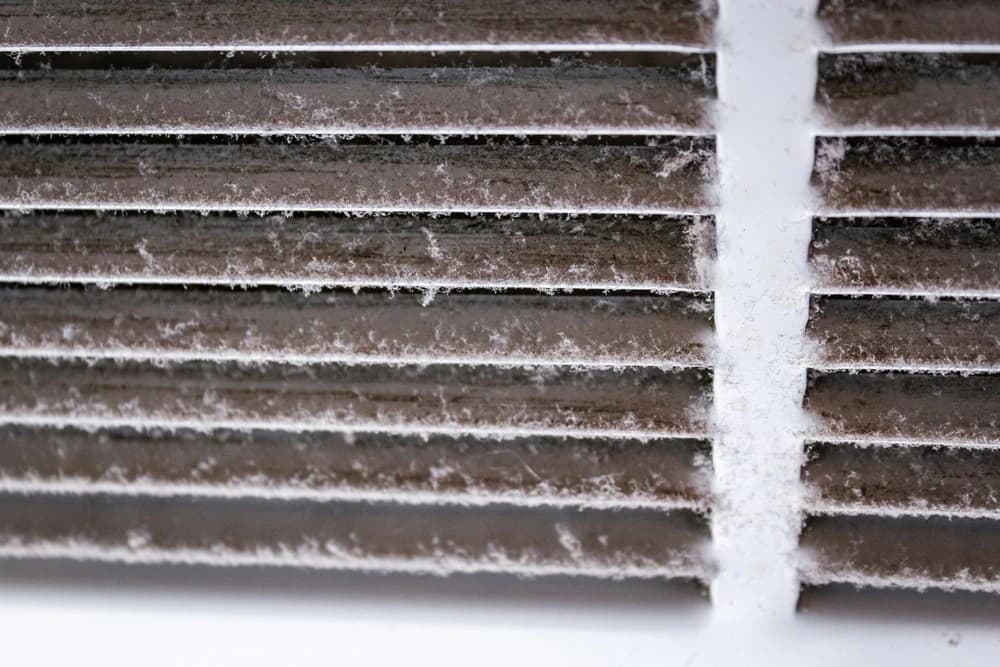
Your HVAC system is complicated, but keeping it in shape mostly isn't. Here's what you can do yourself before, during, and after each heating and cooling season, and the jobs to hand to a licensed technician.
TL;DR: Quick answers
What can I do myself, with no license?
Change the air filter, keep the outdoor unit and indoor vents clear, clear the condensate drain, test the thermostat, and test your CO alarms. Anything that opens the refrigerant lines, the wiring, or the gas connections goes to a licensed technician.
| Stage | Cooling (AC or heat pump) | Heating (furnace or heat pump) |
|---|---|---|
| Pre-season | Spring: new filter, clear 2 feet around the outdoor unit, clear the drain, test cooling, book the tune-up | Fall: new filter, open vents and returns, test heat, test CO alarms, book the check-up |
| In-season | Check the filter monthly, keep the outdoor unit clear, watch for water or ice at the indoor unit | Check the filter monthly, keep snow and ice off outdoor equipment, test CO alarms monthly |
| Post-season | Fall: clear leaves, cover or store room units, note issues for your technician | Spring: swap the filter as you switch to cooling, note issues, change alarm batteries |
How often do I change the filter?
1" and 2" filters every 90 days, or every 60 days with pets, a busy household, or allergy concerns. 4" and 5" filters every 6 months, or every 3 months with those factors.
Top takeaways
-
1
The filter is the one job you can't skip.
The U.S. Department of Energy says replacing a dirty filter can lower an air conditioner's energy use by 5% to 15%.
-
2
Pre-season is when problems are cheapest to catch.
Test each mode before you need it, and book your technician before the summer and winter rush.
-
3
In-season maintenance is mostly watching.
Check the filter monthly, keep equipment clear, and know the warning signs that mean it's time to call.
-
4
Post-season is a handoff.
Shutting down one mode is getting ready for the other, so note anything odd for your technician.
-
5
Know the line.
Refrigerant, wiring and gas work belong to a licensed technician. Everything in this guide stays outside that line.
Where the DIY line is
If a job means opening the refrigerant lines, working on wiring, or touching gas connections, it's a job for a licensed technician. Every task in the checklists below stays on the safe side of that line.
| Leave it to a pro | Why |
|---|---|
| Refrigerant | Federal rules require EPA Section 608 certification to service equipment that could release refrigerant. Only certified technicians can buy most refrigerants. |
| Electrical | ENERGY STAR lists tightening connections and measuring motor voltage and current as contractor tasks. It notes faulty connections can cause unsafe operation. |
| Gas | ENERGY STAR lists gas connections, gas pressure, burner combustion and the heat exchanger as contractor checks. It calls improperly operating gas connections a fire hazard. |
Before any DIY task
Pre-season checklist
Pre-season means spring for cooling and fall for heating. The goal is to find problems before the first heat wave or cold snap, while technicians still have openings.
Before cooling season (spring)
- Replace the air filter. Match the size printed on the frame of your current filter, like 20x25x1.
- Clear the outdoor unit. Remove leaves and debris, and trim plants back at least 2 feet, as the U.S. Department of Energy recommends. With the power off, rinse dirt off the fins with a garden hose on low pressure. Never use a pressure washer.
- Take off the winter cover if you used one.
- Clear the condensate drain. The Department of Energy suggests running a stiff wire through the drain channels now and then. A clogged drain can't remove humidity, and the extra moisture can stain walls or carpet.
- Open vents and clear returns. Move furniture, rugs and drapes off supply vents and return grilles.
- Test cooling mode. Set the thermostat a few degrees below room temperature and confirm cool air comes out within a few minutes. Replace thermostat batteries if your model uses them.
- Check window units. Make sure the seal between the unit and the window frame still touches the unit's metal case.
- Book your cooling tune-up. ENERGY STAR recommends checking cooling systems in spring because contractors get busy once summer comes.
Before heating season (fall)
- Replace the air filter. Your furnace or heat pump is about to run for months.
- Clear space around the furnace. Keep anything that can burn at least 3 feet away from heating equipment, as the National Fire Protection Association advises.
- Open vents and clear returns in every room you heat.
- Test heat mode. Set the thermostat a few degrees above room temperature and confirm warm air within a few minutes. A brief dusty smell on the first run of the season is common.
- Test CO and smoke alarms. The Consumer Product Safety Commission recommends CO alarms on each level of the home and outside sleeping areas.
- Clear the heat pump's outdoor unit. Fall leaves block airflow the same way summer debris does.
- Find your furnace vent pipes. If your furnace vents through plastic pipes on an outside wall, note where they are so you can keep them clear of snow.
- Book your heating check-up. ENERGY STAR recommends checking heating systems in fall.
In-season checklist
Once the system is running every day, maintenance is mostly a monthly look. Pick a date, like the first of the month, and walk through this list.
Every month, either season
- Check the filter. Pull it out and hold it up to a light. If light barely passes through, replace it, even if it's early.
- Keep vents and returns open. Furniture and rugs tend to creep back over them.
- Test CO and smoke alarms. The Consumer Product Safety Commission recommends testing monthly and replacing batteries once a year.
When to replace the filter
| Filter depth | Standard schedule | Pets, a busy household, or allergy concerns | Wildfire smoke or indoor smoking |
|---|---|---|---|
| 1" and 2" | Every 90 days | Every 60 days | Every 30 days |
| 4" and 5" | Every 6 months | Every 3 months | Every 3 months |
Cooling season
- Keep the outdoor unit clear. Point grass clippings away from it and don't stack anything on top.
- Check around the indoor unit. Water on the floor or a full drain pan points to a clogged condensate line.
- Watch for ice. Ice on the refrigerant lines or indoor coil often means restricted airflow. Turn cooling off, check the filter, and call a technician if ice comes back.
Heating season
- Keep outdoor equipment clear of snow and ice. That includes the heat pump's outdoor unit and any furnace vent pipes on an outside wall.
- Let the heat pump defrost. Light frost and a short defrost cycle are normal in cold weather. A unit encased in ice is not, so call a technician.
Call a technician if you notice
- Warm air in cooling mode or cool air in heating mode after you've checked the filter and thermostat
- The system turning on and off every few minutes
- Grinding, squealing or banging sounds
- A burning smell that lasts beyond the first run of the season
If a CO alarm sounds
Post-season checklist
Post-season is a handoff. Shutting down one mode is the start of getting ready for the other, so this list overlaps with pre-season on purpose.
After cooling season (fall)
- Clear fall leaves from around the outdoor unit.
- Cover or store room units. The Department of Energy suggests covering window units or removing and storing them for winter.
- Cover an AC-only outdoor unit if you like. The Department of Energy says a cover protects it from winter weather and debris. Never cover a heat pump's outdoor unit, because it runs all winter.
- Switch the thermostat to heat and run through the pre-season heating checklist above.
- Write down anything odd from the summer, like noises, water around the indoor unit, or rooms that never cooled. Give the list to your technician at the fall check-up.
After heating season (spring)
- Swap the filter as you switch to cooling. It has just carried a full heating season.
- Change smoke and CO alarm batteries. The CPSC suggests doing it when the clocks change, unless your alarms have sealed 10-year batteries.
- Clear winter debris from around the outdoor unit and any furnace vent pipes.
- Write down anything odd from the winter, like short cycling, cold rooms, or smells, for your spring tune-up.
Tip: keep a simple log
Leave these to a licensed pro
Book one professional check-up a year for each system: cooling in spring and heating in fall, per ENERGY STAR. The CPSC also recommends a yearly professional inspection of fuel-burning heating systems, including furnaces, flues and vents.
| Task | What the technician does | Why it's not DIY |
|---|---|---|
| Refrigerant | Checks the charge, tests for leaks, recovers refrigerant instead of venting it | Requires EPA Section 608 certification |
| Coil cleaning | Cleans the indoor evaporator coil and the outdoor condenser coil | The indoor coil sits inside sealed panels, and cleaners can damage fins |
| Electrical | Tightens connections, measures motor voltage and current, checks controls | High-voltage parts |
| Motors and blower | Oils motors, checks belts, cleans and adjusts blower parts | Requires opening the unit |
| Gas furnace | Checks gas connections, gas pressure, burner combustion and the heat exchanger | Fire and carbon monoxide risk |
| Airflow and ducts | Measures airflow across the coil, finds and seals duct leaks | Requires test equipment |
| Thermostat accuracy | Confirms the thermostat reads and controls correctly | Can involve control wiring |
Task lists from the ENERGY STAR maintenance checklist and the Department of Energy.
By the numbers
10%+
Following a regular maintenance schedule can cut heating and cooling costs by 10% or more and extend equipment life. Source: U.S. Department of Energy
5–15%
Replacing a dirty, clogged filter can lower an air conditioner's energy use by this much. Source: U.S. Department of Energy
Up to 15%
Airflow problems can reduce a system's efficiency by up to 15%. Source: ENERGY STAR
Frequently asked questions
Can I do my own HVAC maintenance?
Yes, for the tasks in this guide: filter changes, clearing the outdoor unit and vents, clearing the condensate drain, testing the thermostat, and testing CO alarms. Refrigerant, electrical and gas work need a licensed technician.
How often should I change my air filter?
For 1" and 2" filters, every 90 days, or every 60 days with pets, a busy household, or allergy concerns. For 4" and 5" filters, every 6 months, or every 3 months with those factors. Check it monthly either way.
How often should a technician service my system?
Once a year for each system, cooling in spring and heating in fall, per ENERGY STAR. A heat pump handles both seasons, so ask your technician whether it needs one visit or two.
Can I add refrigerant myself?
No. Federal rules require EPA Section 608 certification to service equipment that could release refrigerant, and to buy most refrigerants.
Should I cover my outdoor unit in winter?
An AC-only unit can be covered to keep out weather and debris. Never cover a heat pump's outdoor unit, because it runs all winter.
What's the easiest way to stay on schedule?
Set a monthly reminder to check the filter, and tie your twice-a-year tasks to the clock changes in spring and fall. Filter auto-delivery means the next filter shows up when it's due.
Next steps
- 1Find your filter size. It's printed on the frame of the filter you have now. Not sure which one fits? Take the Find Your Filter Match quiz.
- 2Put filters on auto-delivery so the next one arrives when it's due. Set up auto-delivery.
- 3Save this checklist and set a monthly reminder for the in-season check.
- 4Book your next professional check-up before the season turns.
Keep reading
Sources
- U.S. Department of Energy: Air Conditioner Maintenance
- U.S. Department of Energy: Consumer Guide to Home Heating and Cooling
- ENERGY STAR: Maintenance Checklist
- EPA: Section 608 Technician Certification and Refrigerant Sales Restriction
- CPSC: CO Alarms
- CPSC: Keep Warm and Safe This Winter (Jan. 23, 2026)
- CPSC: Winter Storms Aren't Over (Jan. 30, 2026)
- NFPA: Home Heating Safety