
5 Expensive HVAC Repairs
November 28, 2026
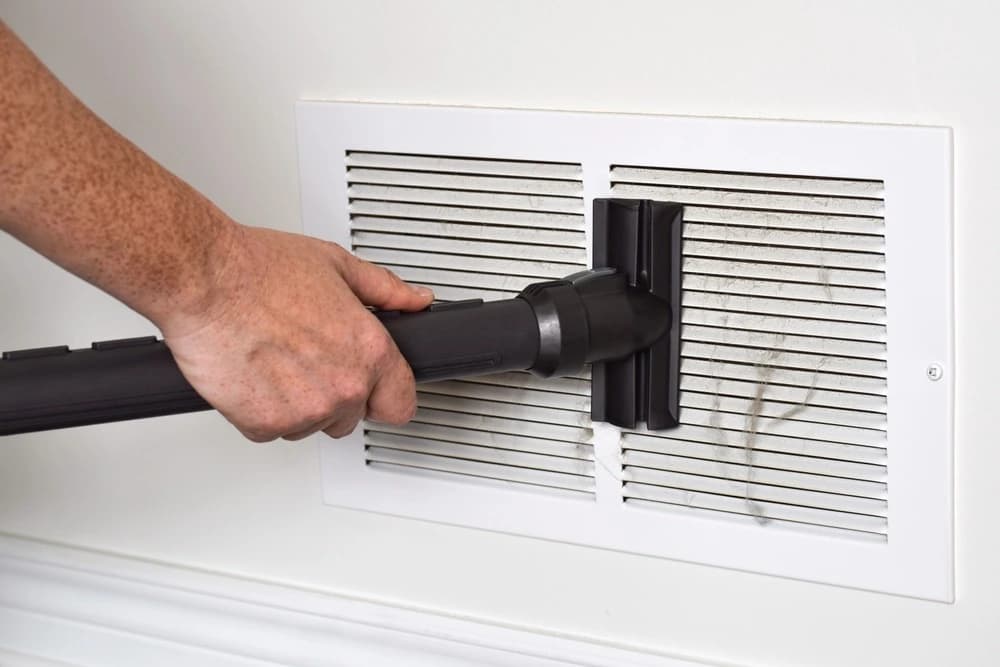
A clogged air filter starves your system of airflow, and restricted airflow is behind some of the most expensive repairs a homeowner can face. Here are five of them, how to spot them early, and what they typically cost.
TL;DR: Quick answers
Can a dirty air filter really cause expensive repairs?
Yes. A clogged filter cuts airflow, and restricted airflow is a common cause of frozen AC coils, overheating furnaces, and strained blower motors. Left alone, those problems can turn into repairs that cost hundreds to thousands of dollars.
The five repairs in this guide:
- Furnace limit switch
- Blower motor
- Cracked heat exchanger
- Frozen or failed evaporator coil
- AC compressor
The cheapest fix
Check your filter monthly and replace it on schedule. That's 1" and 2" filters every 90 days, or every 60 days with pets, a busy household, or allergy concerns.
Top takeaways
-
1
Airflow is the common thread.
Each repair here can start with air that can't move freely through the system, and a clogged filter is the easiest restriction to fix.
-
2
Furnaces overheat, ACs freeze.
In winter, restricted airflow traps heat inside the furnace. In summer, it lets the indoor coil get cold enough to ice over.
-
3
Small problems cascade.
A tripping limit switch is a warning before heat exchanger damage. A frozen coil can send liquid refrigerant back to the compressor.
-
4
Warning signs show up early.
Short cycling, weak airflow, and ice on refrigerant lines are signals to check the filter, then call a technician.
-
5
A filter costs a fraction of any repair here.
Checking it monthly is the cheapest maintenance there is.
How a clogged filter turns into a repair bill
Your HVAC system is designed to move a set amount of air across its heating and cooling parts. As a filter loads up with dust, it pushes back against that airflow. Technicians call that resistance static pressure. Restricted airflow does different damage depending on the season.
Heating season
The furnace overheats
- 1Less air moves across the heat exchanger, so heat builds up inside the furnace.
- ↓
- 2The limit switch shuts the burners off, then the furnace restarts. This is called short cycling.
- ↓
- 3Over time, repeated overheating stresses the heat exchanger metal.
Cooling season
The AC coil freezes
- 1Less warm air reaches the indoor coil, so the refrigerant inside it gets colder.
- ↓
- 2The coil drops below freezing and ices over. The Department of Energy notes reduced airflow can freeze AC coils.
- ↓
- 3Liquid refrigerant can travel back to the compressor, which ACHR News says can ruin it.
Year-round
The 5 repairs
Furnace limit switch
The limit switch is a safety device. It watches the temperature inside the furnace and shuts off the burners if the heat exchanger gets too hot.
How a clogged filter contributes: A dirty filter is the first cause HomeGuide lists for a tripping limit switch, because restricted airflow lets the furnace overheat. A switch that trips isn't always broken. But if the airflow problem isn't fixed, a new switch will keep tripping too.
Warning signs
- The furnace turns on and off every few minutes
- The blower runs nonstop
- The furnace won't start
- A burning or overheating smell
- An error code on the furnace or thermostat
What to do first
Blower motor
The blower motor pushes heated or cooled air through your ducts. It runs whenever the system does, so it carries more hours than almost any other part. Standard (PSC) motors run $500 to $1,400 to replace, and variable-speed (ECM) motors $800 to $2,300.
How a clogged filter contributes: Variable-speed motors speed up to hold airflow against a loaded filter. The Department of Energy notes their energy use rises with static pressure, so they work harder for longer. Older standard motors move less air instead, which feeds the overheating and freezing problems in this guide. Dust that gets past a loaded filter also builds up on the blower wheel. HomeGuide calls dirt buildup a common cause of blower wheel failure.
Warning signs
- Weak airflow at the vents, even with a fresh filter
- Humming, squealing, or grinding from the furnace or air handler
- The system clicks on but no air comes out
- A burning smell near the furnace or air handler. Shut the system off and call.
What to do first
Cracked heat exchanger
The heat exchanger transfers heat from the burners to the air while keeping exhaust gases out of your ducts. That's why a crack is a safety issue, and why technicians usually replace a cracked heat exchanger rather than repair it. If the part is still under warranty, you may only pay for labor.
How a clogged filter contributes: HomeGuide says overheating is the most common cause of a cracked heat exchanger. It names a dirty filter, lack of maintenance, and an oversized furnace as causes of that overheating. Each overheat cycle heats and cools the metal, and over time that stress can crack it.
Warning signs
- Your carbon monoxide alarm goes off
- Yellow or orange burner flames instead of blue
- Soot around the burners
- Rattling when the heat comes on
- The furnace shuts off for no clear reason
What to do first
Frozen or failed evaporator coil
The evaporator coil sits above or beside your furnace or air handler. Refrigerant inside it pulls heat and moisture out of the air passing over it. Professional coil cleaning runs $100 to $400 (HomeGuide).
How a clogged filter contributes: With less warm air crossing it, the coil gets too cold and ices over. The Department of Energy notes reduced airflow can freeze air conditioner coils, completely blocking airflow. Dust that gets past a loaded filter also coats the coil, which restricts airflow further. A frozen coil doesn't always mean a new one. But repeated freezing and buildup add wear, and a coil that leaks refrigerant usually needs replacing.
Warning signs
- Warm air from the vents in cooling mode
- Frost or ice on the indoor coil or the refrigerant lines
- Water around the indoor unit as ice melts
- The AC cycles on and off without cooling the house
What to do first
AC compressor
The compressor pumps refrigerant through the system. It's built to compress refrigerant vapor, not liquid. Depending on the system's age, a failed compressor can also tip the decision toward replacing the whole outdoor unit.
How a clogged filter contributes: This is where a frozen coil becomes a bigger bill. When the indoor coil can't absorb enough heat, some refrigerant stays liquid and travels back to the compressor. ACHR News traces this "floodback" from a dirty filter. Liquid refrigerant thins the compressor's oil and can score its bearings and damage its valves.
Warning signs
- The outdoor unit runs, but the house doesn't cool
- Loud clanking, grinding, or rattling from the outdoor unit
- The outdoor unit won't start, or the breaker trips when it does
- The same ice and cycling signs as a frozen coil
What to do first
Costs at a glance
The compressor and heat exchanger can each run into four figures, while a limit switch is a few hundred dollars. All five can trace back to restricted airflow.
| Repair | System | Typical cost (parts and labor) | How restricted airflow contributes |
|---|---|---|---|
| Furnace limit switch | Gas furnace | $150 – $400 | Furnace overheats and the switch trips |
| Blower motor | Furnace or air handler | $500 – $2,300 | Variable-speed motors work harder, and dust builds up on the wheel |
| Evaporator coil | AC or heat pump, indoor | $600 – $2,000 (avg. ~$1,350) | Coil freezes, and dust coats the coil |
| AC compressor | AC or heat pump, outdoor | $800 – $2,300 (avg. ~$1,200) | Liquid refrigerant returns from a frozen coil |
| Heat exchanger | Gas furnace | $1,000 – $3,000 (avg. ~$2,000) | Repeated overheating stresses the metal |
Costs vary by system size, brand, warranty status, and local labor rates. Ranges are national estimates from HomeGuide and Angi.
What to check before you call a technician
These checks are safe, need no tools or license, and sometimes solve the problem outright. If they don't, you'll have useful details for the technician.
- The air filter. Pull it and hold it up to a light. If light barely passes through, replace it.
- The thermostat. Confirm the right mode (heat or cool), a sensible setpoint, and fresh batteries if it uses them.
- The breaker. Look for a tripped breaker for the furnace, air handler, or outdoor unit. If it trips again after one reset, leave it off and call.
- Vents and returns. Make sure supply vents are open and return grilles aren't blocked by furniture or rugs.
- The outdoor unit. Clear leaves, snow, or debris from around it.
- The furnace door. Many furnaces won't run unless the front panel is fully closed.
- Ice. If you see ice on the indoor coil or refrigerant lines, turn cooling off and let it melt before anything else.
Write it down
Frequently asked questions
Can a dirty air filter damage my HVAC system?
It can contribute to damage. A clogged filter restricts airflow, which can make a furnace overheat or an AC coil freeze. ENERGY STAR says a dirty filter can damage equipment and lead to early failure.
What's the most expensive HVAC repair?
Of the five here, a cracked heat exchanger and a failed compressor are usually the most expensive. Both can run into the thousands, and on older systems either one can make replacing the equipment the better choice.
How do I know if my AC coil is frozen?
Look for frost or ice on the indoor coil or the copper refrigerant lines, warm air from the vents, or water around the indoor unit. Turn cooling off, let it thaw, and replace the filter.
Why does my furnace keep turning on and off?
Short cycling often means the furnace is overheating and the limit switch is shutting it down. Check the filter and vents first. If it keeps happening, call a technician.
How often should I change my filter to avoid these repairs?
1" and 2" filters every 90 days, or every 60 days with pets, a busy household, or allergy concerns. 4" and 5" filters every 6 months, or every 3 months with those factors. Check monthly either way.
Does a filter change guarantee I won't need these repairs?
No. Parts wear out with age, and refrigerant leaks, electrical faults, and installation problems can cause the same failures. Keeping the filter fresh removes one of the most common, and most preventable, causes.
Next steps
- 1Check your filter today. If light barely passes through it, it's time.
- 2Find your size. It's printed on the frame of your current filter. Not sure? Take the Find Your Filter Match quiz.
- 3Put filters on auto-delivery so a fresh one arrives when it's due. Set up auto-delivery.
- 4Book a yearly check-up so a technician can catch problems before they turn into these repairs.
Keep reading
Sources
- HomeGuide: Furnace Limit Switch Replacement Cost
- HomeGuide: Blower Motor Replacement Cost
- HomeGuide: Heat Exchanger Replacement Cost
- HomeGuide: AC Tune-Up and Service Costs
- Angi: Evaporator Coil Replacement Cost
- Angi: AC Compressor Cost (2026 data)
- U.S. Department of Energy: California Energy Standards Recognize the Importance of Filter Selection
- ACHR News: Dirty Air Filters Can Cause Serious Air Conditioning System Problems (Aug. 9, 2020)
- ENERGY STAR: Maintenance Checklist
- CPSC: Winter Storms Aren't Over (Jan. 30, 2026)
- CPSC: Keep Warm and Safe This Winter (Jan. 23, 2026)