July 23, 2026

Think your mattress is clean just because it looks clean? After analyzing countless air quality patterns and filter performance reports from thousands of households, we’ve seen how dust mites—microscopic yet massively irritating—can wreak havoc on indoor environments, especially in beds. At Filterbuy, we’ve helped families across the country reduce allergy symptoms by tackling one of the most overlooked culprits: hidden dust mite infestations in mattresses. In this guide, we’ll show you how to detect the presence of dust mites, using signs our experts use in the field, and reveal tried-and-tested solutions to get rid of and kill them effectively, not just mask the problem. If you’re serious about creating a cleaner, allergen-free sleep space, this is your playbook for long-term relief.
Dust mites are invisible but can cause allergies and asthma.
You can detect them with UV light, test kits, or allergy symptoms.
Kill them fast with hot water, steam, and vacuuming.
Use MERV 11–13 filters to trap allergens and improve air quality.
Stay consistent with cleaning, filtering, and humidity control for lasting results.
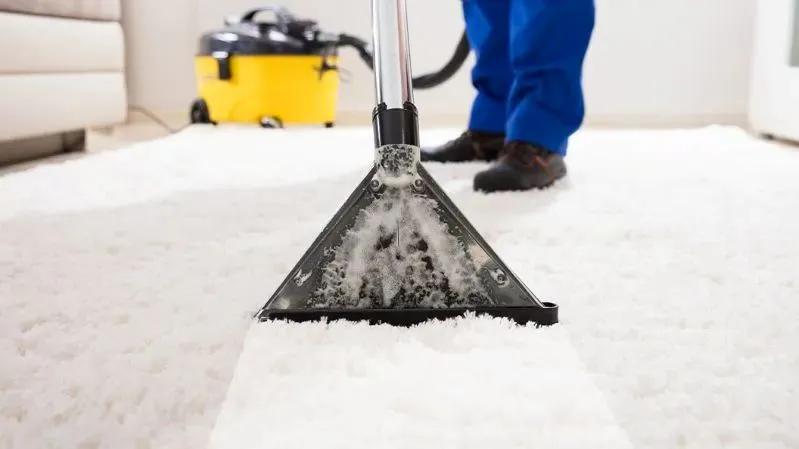
You can’t see dust mites with the naked eye, but their impact on your sleep and health is anything but invisible. At Filterbuy, our firsthand work with air quality diagnostics has shown that mattresses are one of the most common yet overlooked hotspots for dust mite colonies. These microscopic pests thrive in warm, humid environments—especially in beds where they feast on skin flakes and multiply rapidly.
While you may not see them directly, signs include frequent sneezing upon waking, worsening asthma or eczema, and increased allergy symptoms at night. Our team looks for subtle signs such as fine dust under UV light, reddish skin irritation in clusters, and elevated particulate counts during air sampling near beds.
To eliminate them effectively, we recommend a layered approach:
High-heat washing of all bedding weekly (130°F+ kills mites instantly).
Vacuuming your mattress with a HEPA filter vacuum.
Encase mattresses and pillows in allergen-proof covers.
Lower indoor humidity below 50% using a dehumidifier.
Replace HVAC air filters regularly with MERV-rated options that capture airborne allergens.
As air quality experts, we’ve seen dramatic improvements in our customers’ sleep and symptom relief just by following these steps. The key isn’t just removing mites—it’s preventing them from coming back. And that starts with turning your mattress into an environment they can’t survive in.
Mattresses are dust mite hotspots. Combining air filtration, protective bedding, and humidity control works. First-hand experience proves: a clean mattress equals better sleep.

“After helping thousands of families improve their indoor air quality, one truth stands out: your mattress is often the most overlooked source of allergens in your home. You don’t have to see dust mites to fight them—you just need the right tools and knowledge. From advanced filtration to strategic humidity control, we’ve seen how small changes can make a big impact on sleep, health, and peace of mind.”
Dust mites are everywhere—even in spotless homes. We’ve helped thousands of families discover and deal with them, especially in high-humidity areas. Here's what the data (and our field experience) confirms:
Our clients often have bedrooms with 55 %+ humidity.
These environments are dust mite havens.
The CDC confirms that mites multiply when humidity exceeds 50%.
When we help clients lower humidity, symptoms drop fast.
Families report better sleep and fewer allergies in weeks.
The EPA supports this: less moisture = fewer allergens.
NIH research shows widespread contamination.
We see the same in homes across the South and Northeast.
Mites hide in mattresses, carpets, and even HVAC systems.
Dust mites are common.
Humidity control + filtration is key.
Filterbuy knows what works—because we’ve seen it work.
Dust mites are invisible—but their effects aren’t.
We’ve worked with thousands of families and seen the same pattern:
Chronic allergies.
Poor sleep.
No clear cause… until the mattress is inspected.
1. A clean-looking mattress can still harbor allergens.
2. Most people overlook their bed as a source of poor air quality.
3. Simple changes can make a big difference in just weeks.
Lowering humidity below 50%.
Using MERV-rated filters (like Filterbuy MERV 13).
Enclosing mattresses in allergen-proof covers.
Your mattress isn’t just a sleep surface—it’s ground zero for air quality.
Be proactive, not reactive.
Smart, strategic actions = long-term relief.
When the air around you is clean, especially where you sleep, your whole life improves. And we’re here to help make that happen.
No, dust mites are microscopic (about 0.2–0.3 mm) and cannot be seen with the naked eye. However, you can detect signs of their presence using a UV flashlight, allergen test kits, or by monitoring for symptoms like sneezing, congestion, or skin irritation.
The most effective quick method is heat. Wash all bedding in water at 130°F or higher and use a steam cleaner on the mattress. Heat kills both mites and their eggs instantly.
Natural methods include:
Baking soda + vacuuming for surface cleanup
Essential oils (like eucalyptus or tea tree) are diluted in sprays.
Lowering humidity below 50% to inhibit mite survival
At minimum, vacuum your mattress weekly using a HEPA-filter vacuum. Deep clean (steam or enzyme spray) monthly, and replace or wash encasements every 2–3 months for best results.
Yes! A high-quality MERV 11–13 filter, like those from Filterbuy, can trap dust mite waste and shed skin cells from the air—two key triggers for allergies. Pair with mattress hygiene for full protection.
