
MERV 8 vs MERV 13: What's the Difference for Germ Removal?
October 15, 2025

Choosing the right air filter can feel overwhelming, especially when you're trying to protect your family from germs, allergens, and other airborne particles. Not all air filters are created equal — and the difference between MERV 8 and MERV 13 filters can significantly impact your indoor air quality and health.
Understanding these differences is crucial for making an informed decision about which filter best suits your needs. Whether you're concerned about everyday dust and pollen or want maximum protection against bacteria and viruses, the right MERV rating can make all the difference in your home's air quality.
Let's break down everything you need to know about MERV 8 vs MERV 13 filters, so you can breathe easier knowing you've made the right choice for your family.
Key Takeaways
MERV 13 filters capture smaller particles, including bacteria and viruses down to 0.3 microns
MERV 8 filters offer solid protection for everyday contaminants like dust, pollen, and pet dander
Both are excellent choices, depending on your specific air quality goals and budget
Filterbuy offers premium pleated filters in both MERV 8 and MERV 13 ratings, designed for optimal efficiency and durability
Learning the Importance of the MERV Rating System
MERV stands for Minimum Efficiency Reporting Value, a standardized system that measures how effectively an air filter captures particles of different sizes. The MERV scale ranges from 1 to 20, with higher numbers indicating better filtration performance.
For residential use, the EPA recommends MERV ratings between 8 and 13. Filters with MERV ratings below 8 provide minimal protection, while ratings above 13 are typically reserved for hospitals, cleanrooms, and other specialized environments that may restrict airflow too much for home HVAC systems.
Most homeowners find that MERV 8 to 13 filters strike the perfect balance between effective filtration and proper airflow, ensuring your HVAC system operates efficiently while maintaining cleaner indoor air.
What's the Difference Between MERV 8 and MERV 13?
The most significant difference between these two filter types lies in the size of particles they can capture.
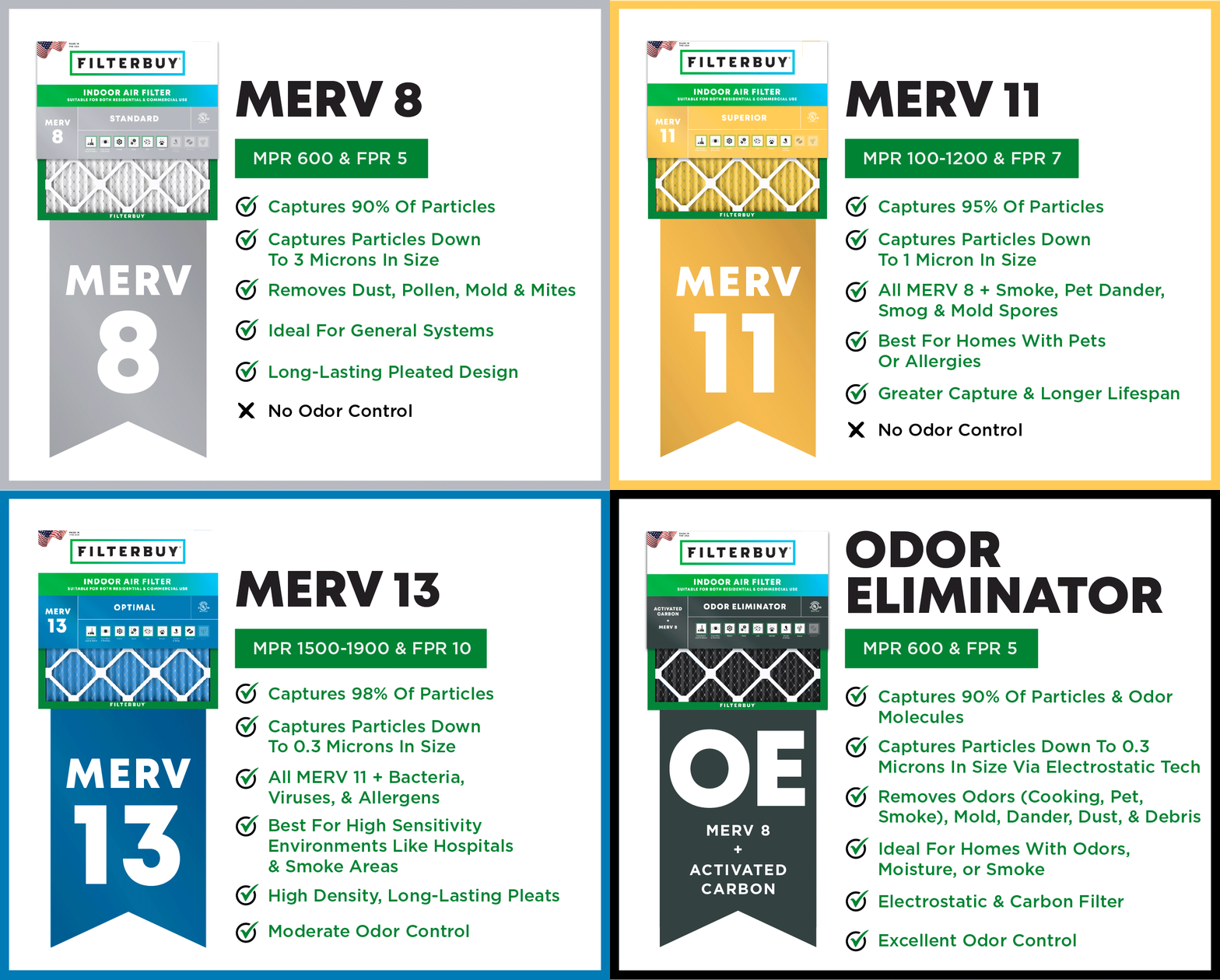
MERV 8 filters can trap particles as small as 3 microns, which includes common household contaminants like dust, pollen, mold spores, and pet dander. These filters excel at handling the everyday particles that affect most people's comfort and basic air quality.
MERV 13 filters take filtration to the next level, capturing particles down to 0.3 microns. This enhanced capability means they can trap much smaller contaminants, including bacteria, smoke particles, and even some viruses. According to research from HouseFresh on air purifiers for bacteria and viruses, this level of filtration is particularly important for households concerned about infectious particles.
Airflow and HVAC Compatibility
Airflow considerations play a crucial role in choosing the right filter for your system.
MERV 8 filters offer excellent airflow characteristics, making them ideal for older HVAC systems or smaller units that might struggle with more restrictive filters. Their design allows air to move freely while still providing effective filtration for common household particles.
MERV 13 filters are more restrictive due to their denser construction, but this trade-off comes with enhanced filtration capabilities. These filters work best with modern HVAC systems designed to handle the slightly increased resistance. Filterbuy's pleated filters are specifically engineered to balance optimal airflow with superior filtration performance.
Cost and Maintenance
When comparing MERV 8 vs MERV 13 cost, you'll find that MERV 13 filters are slightly more expensive due to their advanced filtration technology and construction. However, this price difference is often minimal, especially when you consider the enhanced protection they provide.
Both filter types typically need replacement every 90 days, though this can vary based on your home's air quality, the number of occupants, and whether you have pets. Filterbuy makes maintenance simple with affordable pricing and convenient direct-to-door delivery, ensuring you never run out of clean filters.
Which MERV Filter Is Better for Germ Removal?
When it comes to removing germs, bacteria, and viruses from your indoor air, MERV 13 filters are the clear winner. Their ability to capture particles as small as 0.3 microns means they can trap many of the microorganisms that MERV 8 filters simply cannot catch.
The EPA specifically recommends MERV 13 filters when you're concerned about infectious particles in your home's air. This makes them an excellent choice for households with:
Family members with compromised immune systems
Residents with severe allergies or asthma
Concerns about airborne illness transmission
High pollution areas or homes near busy roads
MERV 8 filters still provide valuable air quality improvements and will capture larger particles that can carry some germs, but they aren't specifically designed for micro-particle capture. They're perfectly suitable for general air quality improvement in most homes.
Why Choose Filterbuy's Pleated MERV Filters
Filterbuy offers both MERV 8 and MERV 13 pleated filters, combining American-made quality with customizable sizes and reliable shipping. Here's what sets Filterbuy apart:
Superior Construction: Pleated filters provide significantly more surface area than flat filters, which means better particle capture and longer filter life. The pleated design allows for more efficient airflow while maintaining excellent filtration performance.
Custom Sizing: Every HVAC system is different, and Filterbuy accommodates this with custom sizing options to ensure the perfect fit for your system.
Proven Quality: With years of experience in air filtration manufacturing, Filterbuy specializes in creating pleated MERV 8–13 filters that meet the highest standards for residential use.
For detailed guidance on selecting the right filter for your specific needs, check out Filterbuy's Air Filter Basics Guide, which provides comprehensive information about filter selection and maintenance.
Making the Right Choice for Your Home
The decision between MERV 8 and MERV 13 ultimately depends on your specific needs and circumstances:
Choose MERV 8 if you want:
Great everyday filtration for dust, pollen, and pet dander
Optimal airflow for older or smaller HVAC systems
Cost-effective air quality improvement
Basic protection for healthy households
Choose MERV 13 if you're focused on:
Maximum germ removal and virus protection
Enhanced allergy and asthma control
Superior indoor air quality for sensitive family members
Comprehensive protection against fine particles and smoke
Both options represent excellent investments in your family's health and comfort. Filterbuy's commitment to quality, affordability, and convenience makes them the ideal choice regardless of which MERV rating you select.
Frequently Asked Questions
What's the main difference between MERV 8 and MERV 13 filters?
The primary difference is particle capture size. MERV 8 captures particles down to 3 microns (dust, pollen), while MERV 13 captures particles as small as 0.3 microns (bacteria, viruses).
Is MERV 13 better than MERV 8 for removing germs?
Yes, MERV 13 filters are significantly better at removing germs, bacteria, and viruses due to their ability to capture much smaller particles.
Do MERV 13 filters restrict airflow too much?
MERV 13 filters are more restrictive than MERV 8, but modern HVAC systems can typically handle them without issues. Filterbuy's pleated design helps optimize airflow.
How often should I replace a MERV 13 filter?
Both MERV 8 and MERV 13 filters should typically be replaced every 90 days, though this may vary based on usage and air quality conditions.
Are MERV 13 filters safe for all HVAC systems?
MERV 13 filters work best with modern HVAC systems. If you have an older system, consult your HVAC technician or start with MERV 8 filters.
Will a MERV 13 filter help with viruses like COVID-19?
MERV 13 filters can capture particles in the size range of many viruses, including COVID-19, making them a valuable tool for improving indoor air quality.